
Filters
Level
Grade
Subject
Subject Area
Subject Topic
Standard(s)
Audience
Keyword
DurationMinutes
2nd Grade Lesson Plans

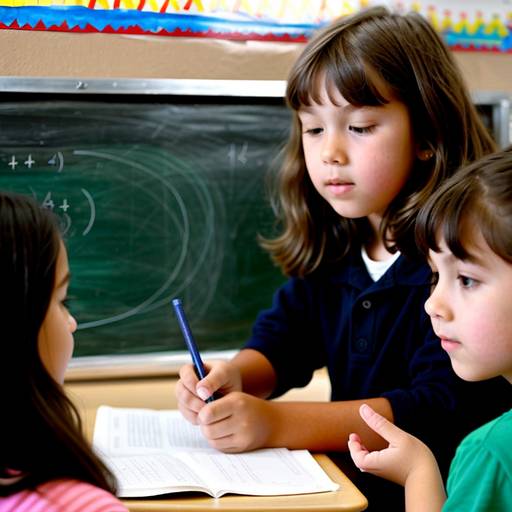
This 60-minute math lesson for 2nd-grade students focuses on introducing the concept of fractions as parts of a whole. The lesson begins with a discussion on fractions and their relevance in everyday life, followed by a demonstration using paper plates to visually represent fractions like 1/2, 1/3, and 1/4. Students engage in a hands-on activity where they cut their own plates into different fractions and decorate them, which they then share with a partner, explaining their creations.
During the independent practice segment, students complete worksheets that reinforce their understanding of identifying and creating fractions. The lesson concludes with a review, where students share what they learned. Assessment is conducted through observation of participation and collection of worksheets. Extensions and modifications are included to accommodate different skill levels, ensuring an inclusive learning environment. Overall, this lesson is designed to make fractions accessible and engaging for young learners.
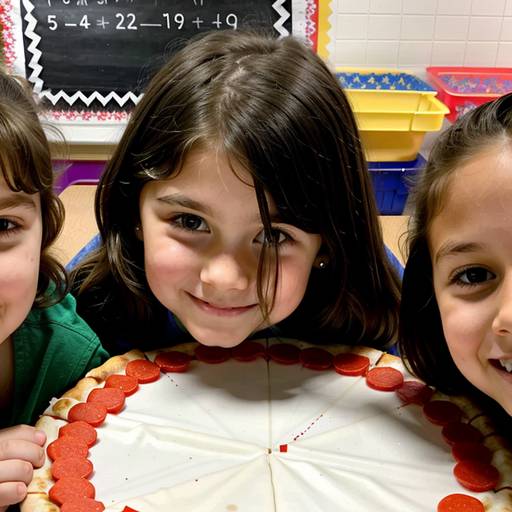
This lesson plan focuses on introducing 2nd-grade students to the concept of fractions as parts of a whole through an engaging, hands-on activity. The lesson begins with a discussion about sharing pizza, which serves as a relatable context for understanding fractions. Students learn vocabulary related to fractions, such as whole, half, quarter, and eighth, and practice dividing paper plates into these fractions.
During guided practice, students cut and label their plates to visually represent different fractions, reinforcing their understanding. Independent practice involves worksheets where students further explore fractions by dividing shapes and identifying shaded areas. The lesson concludes with a group discussion, allowing students to share their creations and apply their knowledge to real-life situations. Assessment is based on observation during activities and the accuracy of completed worksheets, with opportunities for differentiation provided for those who progress quickly. Overall, the plan fosters a practical understanding of fractions while encouraging creativity and collaboration among students.

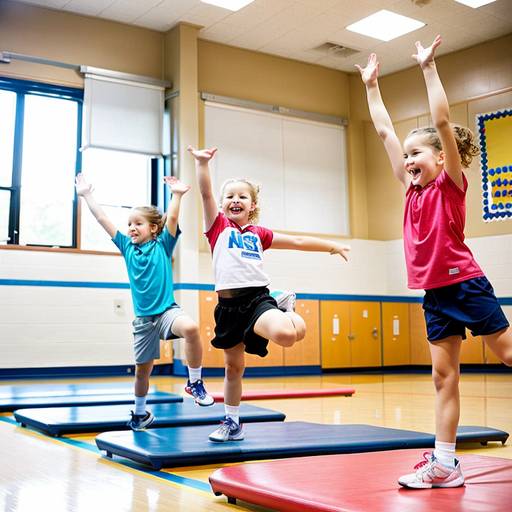
This lesson plan focuses on engaging 2nd-grade students in physical education through gymnastics and cooperative sports activities. The session begins with a warm-up that includes stretches and light jogging to prepare students for movement. Following the warm-up, students practice basic gymnastics skills such as forward rolls and balance activities on makeshift balance beams. The lesson also incorporates team-based relay races, where students work in groups to complete various physical challenges, promoting teamwork and communication. The session concludes with a cool-down period that includes deep breathing and gentle stretches, allowing students to reflect on their experiences and skills learned during the class. Throughout the lesson, the emphasis is on participation, encouragement, and skill development, ensuring a fun and inclusive atmosphere for all students.
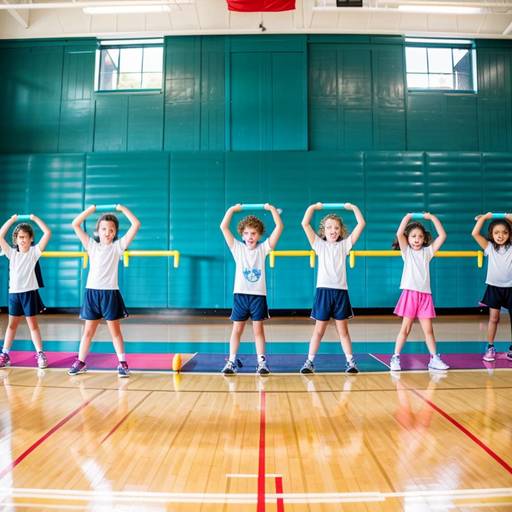
This 2nd-grade physical education lesson focuses on teaching students the importance of fitness and flexibility through engaging activities. The class begins with a brief introduction where students share their thoughts on being active. After a warm-up that includes light jogging and dynamic stretches, students rotate through various flexibility stations, practicing stretches like the forward bend and butterfly stretch.
Next, the lesson features two fun fitness games: a hula hoop relay and a jump rope challenge, fostering teamwork and promoting physical activity. Afterward, the class cools down with stretches similar to those practiced earlier and discusses the importance of flexibility and fitness. The session concludes with a brief reflection on what they learned and a fun dance party to encourage movement. Overall, students gain a better understanding of maintaining an active lifestyle while enjoying physical exercise.
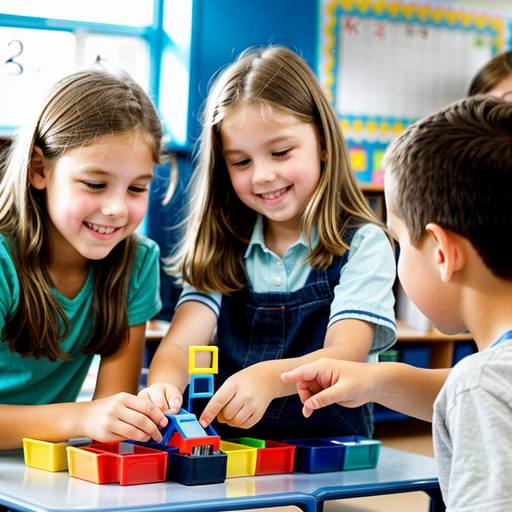
This 2nd-grade math lesson focuses on measurement and weight, aiming to provide students with a hands-on understanding of these concepts. Throughout the lesson, students will explore measuring lengths using both standard (rulers) and non-standard units, as well as weighing different objects with a balance scale. Initially, the teacher will introduce the topics and demonstrate techniques for measuring and weighing. Students will then engage in guided practice, working in small groups to measure and record the lengths and weights of various classroom objects. Following this, they will complete an independent practice activity, selecting their own items to measure and weigh. The lesson concludes with students sharing their findings, reinforcing the real-world applications of measurement and weight. Assessment will focus on students' recorded worksheets and their participation in group activities, allowing for differentiation based on individual learning needs. Extension activities encourage further exploration and collaboration, solidifying the skills learned in the lesson.
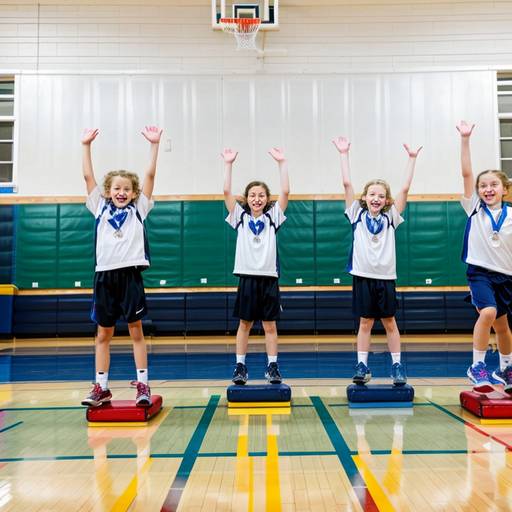
This physical education lesson for 2nd graders focuses on developing coordination and balance through engaging activities. The session begins with a fun introduction that explains the concepts of balance and coordination, followed by a lively warm-up involving a freeze dance game.
Students then participate in three main activities: navigating challenges with hula hoops to enhance balance, walking across balance beams using various techniques, and practicing toss-and-catch exercises with soft balls while balancing on one foot to improve hand-eye coordination.
To conclude, the students cool down with deep breathing and stretching, followed by a group reflection where they share what they learned during the lesson. Assessment is based on observation of student participation and their ability to demonstrate balance and coordination skills. Adaptations are available to support all learners, ensuring an inclusive and fun environment. Overall, this lesson promotes physical activity while building foundational motor skills essential for sports and daily activities.
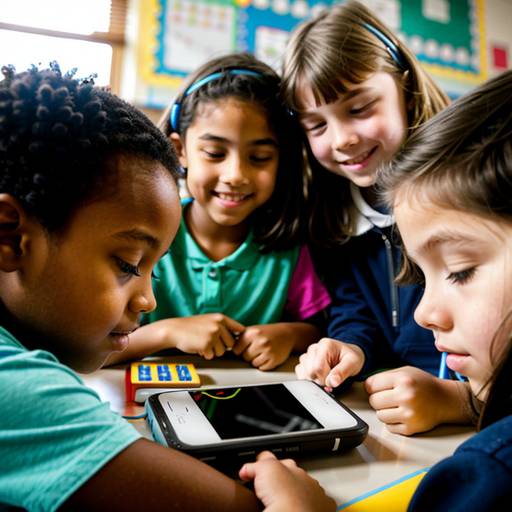
In this 45-minute technology lesson for 2nd graders, students will learn about the importance of proper device handling and maintenance. The lesson begins with a discussion on the types of devices students use and introduces the concept of responsibility for technology care, supported by a short video. Key points will include safe carrying techniques, cleaning devices, charging best practices, and proper storage.
Through guided practice, students will engage with a checklist that outlines device care essentials, sharing personal experiences and discussing examples of good and bad practices. In small groups, they will analyze specific scenarios involving technology mishaps and present their solutions. The lesson concludes with a recap of the key takeaways and encourages students to share what they learned with their families. Assessment will be based on participation and the checklists, with an optional extension activity allowing students to create informative posters on device care to showcase in the classroom.
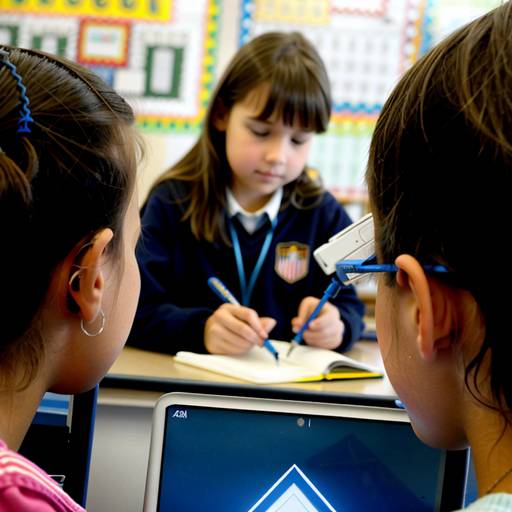
In this technology lesson designed for 2nd graders, students will explore the importance of device maintenance and organization. The session begins with a discussion about the devices they use and the responsibilities that come with caring for them. A mini-lesson focuses on proper cleaning techniques and the significance of maintaining an organized tech space.
Students will then engage in hands-on activities where they clean devices using appropriate supplies and organize tech equipment in the classroom. They will create labels for bins and boxes to help identify where items belong, reinforcing tidy tech habits. The lesson concludes with a review of the key concepts, allowing students to share their insights and experiences. Assessment will be based on observation during activities and a brief discussion or drawing to illustrate their understanding. This engaging and interactive lesson encourages students to take responsibility for their technology and promotes safe and organized learning environments.
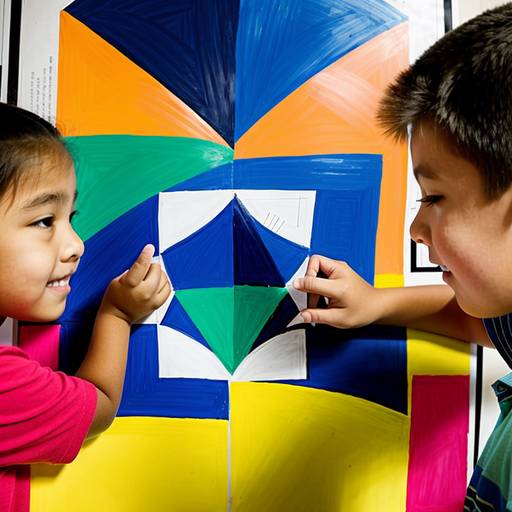
In this engaging 1-hour math lesson for 2nd graders, students will explore the world of basic geometric shapes and patterns. The lesson begins with a discussion about shapes, where students will identify and describe various 2D shapes such as circles, squares, triangles, and rectangles. They will work in small groups to sort these shapes based on characteristics like the number of sides and colors, enhancing their understanding of geometric properties.
Next, students will learn about patterns and how shapes can create them. They will have the opportunity to create their own shape patterns using cut-outs, allowing for creativity in color and arrangement. To reinforce their learning, students will participate in a shape scavenger hunt around the classroom or school, looking for real-life examples of the shapes discussed.
The lesson concludes with a recap of the shapes and patterns learned, along with reflective questions to encourage students to think about their surroundings. Assessment will occur through observation during group activities and by reviewing the completed scavenger hunt worksheets. Extensions are provided for students who need additional challenges, allowing for exploration of 3D shapes and more complex patterns. Overall, the lesson fosters collaboration and critical thinking while encouraging students to connect geometry and patterns to their daily lives.
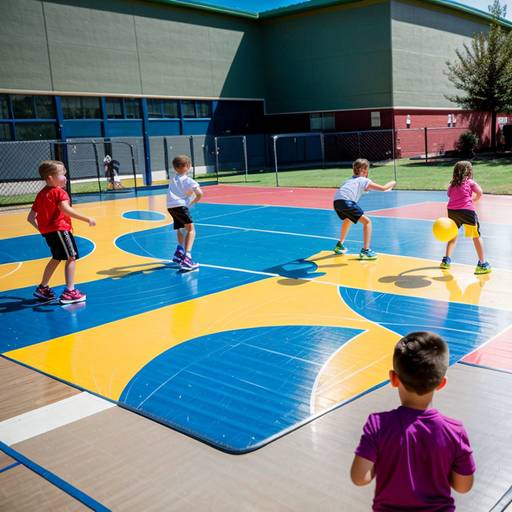
This 2nd-grade physical education lesson plan focuses on promoting fitness and strength through a series of engaging activity stations. The class begins with a warm-up that includes stretching and a follow-the-leader movement exercise. Students then rotate through five stations that each feature a different physical activity, such as hula hooping, jump roping, ball tossing, balance walking with pool noodles, and body weight exercises. Each station encourages gross motor skill development, teamwork, and individual fitness challenges. After the main activities, a cool-down session fosters relaxation and encourages students to reflect on what they learned. The lesson emphasizes participation, cooperation, and enjoyment of physical fitness while providing opportunities for assessment and adaptation based on individual student needs.