
Filters
Level
Grade
Subject
Subject Area
Subject Topic
Standard(s)
Audience
Keyword
DurationMinutes
2nd Grade Lesson Plans
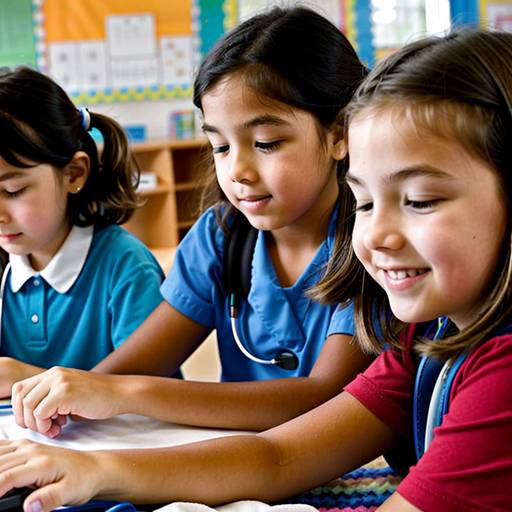
In this 2nd-grade technology lesson plan, students will learn about the importance of device maintenance and cleaning to ensure the optimal performance and longevity of classroom technology. The lesson begins with an engaging discussion to introduce various devices and the significance of keeping them clean. A demonstration follows, where students will observe proper cleaning techniques for devices such as tablets and laptops, including the appropriate tools and methods.
Students will then participate in a hands-on activity, where they will be divided into small groups to practice cleaning assigned devices using microfiber cloths, disinfectant wipes, and soft brushes. As they clean, they will be supervised and guided to ensure they apply the techniques correctly.
The lesson concludes with a group discussion, allowing students to share what they learned and reflect on the importance of regular maintenance. Teachers will assess students based on their participation during the cleaning activity and their understanding of the key concepts. This lesson not only equips students with practical skills but also instills a sense of responsibility for the care of technology in their environment.

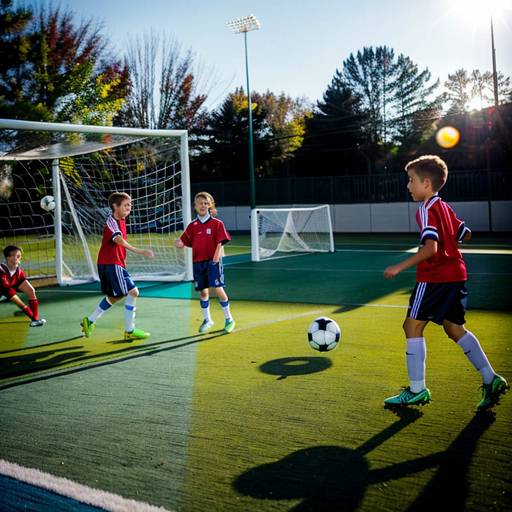
In this 2nd-grade physical education lesson, students will explore the fundamentals of soccer while developing essential skills such as dribbling, passing, and shooting. The session begins with a brief introduction to the sport, emphasizing teamwork and communication. After a dynamic warm-up to prepare their bodies, students will engage in skill development drills, practicing dribbling through cones, passing with partners, and shooting at a goal.
Following skill practice, students will participate in mini-games, allowing them to apply what they've learned in a fun, competitive setting. The lesson concludes with a cool-down period and a discussion, where students reflect on their experiences, share their favorite moments, and think about how they can support their teammates. Throughout the lesson, students will be encouraged to foster cooperation and sportsmanship, creating an inclusive and enjoyable environment for all participants.

In this 60-minute language arts lesson for 2nd graders, students learn about essential punctuation marks—including periods, question marks, and exclamation points—and their importance in constructing complete sentences. The lesson begins with a discussion highlighting the significance of punctuation in communication.
Following a direct instruction segment, where the teacher models sentence examples without punctuation, students participate in identifying the correct punctuation needed for each sentence. Guided practice involves completing a worksheet together, while independent practice allows students to finish sentences on their own, with an option to illustrate their work.
The session concludes with a review where students share their sentences and discuss their punctuation choices, reinforcing their understanding of nouns and verbs. Assessment includes observation during activities and reviewing completed worksheets for accuracy in punctuation usage. The lesson is designed to promote engagement, collaboration, and creativity while reinforcing key grammar concepts.
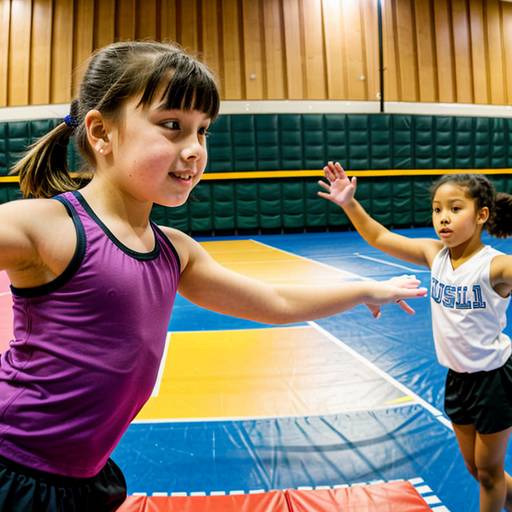
In this 2nd-grade physical education lesson plan, students engage in an interactive and enjoyable session focusing on basic gymnastics movements and sports skills. The class begins with dynamic stretching and fun animal walks to warm up. Students then rotate through three stations where they practice forward rolls, balance beam walking, and safe jumping techniques. Emphasis is placed on safety while performing each skill.
Following the gymnastics portion, students participate in team relay races that combine running, rolling, and balancing activities, encouraging teamwork and communication. After completing the relay, they engage in a thoughtful discussion about their experiences. The lesson concludes with a series of gentle stretches for cool-down and reflection, allowing students to share their favorite activities. Throughout the lesson, the teacher assesses student engagement, skill development, and cooperation, ensuring all learners receive the support they need.

In this 2nd grade social studies lesson, students will explore important historical figures in American history and their contributions. The lesson begins with a class discussion on the concept of history and what makes someone a hero. Students will then participate in a read-aloud session featuring stories about notable figures, fostering engagement and comprehension.
Following the read-aloud, students will work in small groups, each assigned to a different historical figure. They will create posters that highlight the figure’s name, contributions, and significance to society, using a provided graphic organizer for guidance. Groups will present their posters to the class, fostering peer interaction and discussion around common themes.
The lesson concludes with a reflection period where students share their insights and interests regarding the historical figures learned about. As an extension activity, students will complete a drawing of their favorite historical figure with a sentence explaining their admiration. Assessment will be based on group participation, the quality of presentations, and the completion of the homework assignment. This lesson aims to enhance students’ understanding of history while developing teamwork and presentation skills.
In this 2nd-grade social studies lesson, students will explore the various roles within their community and the significance of community helpers. The lesson begins with an engaging discussion about what a community is and who the key figures are that contribute to its functioning. Following this, the teacher will read a storybook that highlights different community workers, facilitating a conversation about the responsibilities of these individuals.
Students will then participate in a group activity where they identify community helpers using picture cards, contributing to a class chart that outlines each helper's role and duties. For a hands-on individual activity, they will create a worksheet featuring their favorite community helper, complete with a drawing and descriptive sentences about the helper's contributions to the community.
The lesson concludes with students sharing their work with peers, promoting a sense of appreciation for the people who support and enhance their neighborhood. Through these activities, students will gain an understanding of the importance of community roles and the collaborative efforts that foster a thriving environment. This lesson not only engages students in creative expression but also instills a respect for community helpers and their essential functions.

In this 2nd-grade art lesson, students will explore the creation of imaginative creatures using basic drawing techniques involving shapes and lines. The session begins with a discussion about various imaginary creatures, followed by a demonstration on how to combine shapes to form unique figures and use lines to add features. Students will then create their own creatures on drawing paper, encouraged to employ color mixing techniques with colored pencils or crayons. After completing their artwork, students will share their creations with the class, describing their creatures’ names, habitats, and special traits. The lesson emphasizes creativity, encourages storytelling, and culminates in a reflection on the drawing experience. Assessment will be based on student participation, creativity, and application of the techniques learned. An extension activity allows for further exploration through storytelling.
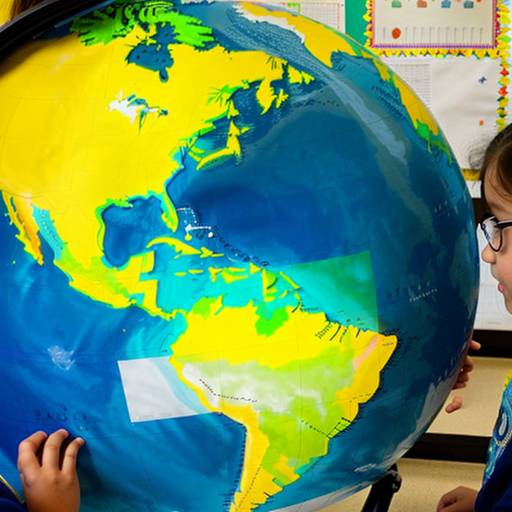
In this 2nd grade social studies lesson, students will explore the fundamental concepts of maps and geography, focusing on elements such as symbols, legends, and compass roses. The lesson begins with a warm-up discussion where students share their prior knowledge about maps, followed by an examination of various map examples. Through guided practice, the class collaboratively creates a simple map of their classroom, developing a legend to represent different features. Students then independently design their own maps of familiar places, incorporating symbols and legends. The lesson concludes with a sharing session, where students present their maps to the class and reflect on the significance of maps in navigating the world around them. Assessment will be based on participation during activities and the clarity of the symbols and legends in their maps. The lesson also includes potential extensions and adaptations to cater to varying student needs.

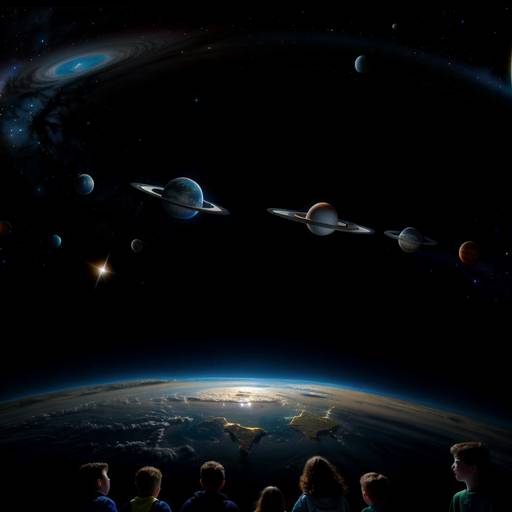
This 2nd-grade science lesson plan focuses on introducing students to the solar system and its key components, including the Sun, planets, moons, asteroids, and comets. The lesson begins with a discussion about space followed by a short video to engage students. Direct instruction involves presenting a visual model of the solar system and highlighting unique features of each planet using fact cards.
Students then participate in a creative activity where they design their own planet, encouraging imagination and personal expression. The lesson concludes with a recap of the solar system’s components and a brief sharing session where students present their creations. Assessment is based on participation and a quick quiz to check understanding. Differentiation strategies are included to support various learning needs, and homework encourages students to observe the night sky and reflect on their observations. Overall, the lesson aims to foster curiosity about astronomy and enhance students’ knowledge of space concepts.
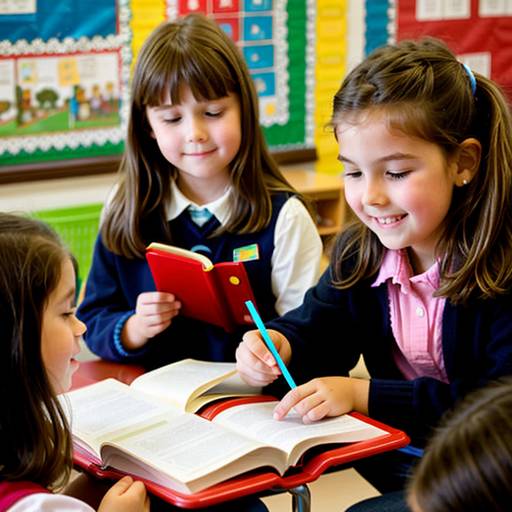
This 2nd grade language arts lesson focuses on enhancing reading skills and comprehension through the use of illustrations and predictions. Students begin by observing the cover of a picture book and making initial predictions about the story. The teacher models how to use illustrations to understand and anticipate story developments through a read-aloud activity.
In pairs, students explore their own pictures books, discussing their predictions and sharing their thoughts through the "Think, Pair, Share" strategy. After reading, they complete a "Main Idea and Details" worksheet to identify the main idea of their story and provide supporting details. The lesson concludes with a whole-class sharing session, allowing students to discuss their findings and reflections. Assessment is conducted through observation and the evaluation of worksheets, while differentiation strategies are in place to support diverse learners. Extensions include creating a prediction wall and organizing a "Book Talk" session, further promoting engagement and comprehension skills.