
Filters
Level
Grade
Subject
Subject Area
Subject Topic
Standard(s)
Audience
Keyword
DurationMinutes
2nd Grade Lesson Plans

This 2nd-grade language arts lesson plan focuses on helping students identify and describe various reading genres, including fiction, nonfiction, poetry, and fairy tales. The lesson begins with an engaging story to capture students' interest and encourages them to discuss their favorite types of stories.
The teacher introduces each genre, outlining key characteristics and providing examples. Students then participate in a genre sorting activity in small groups, where they categorize a selection of books and share their reasoning. Following this, students play a genre Bingo game, reinforcing their understanding through an interactive format.
To wrap up, the class reviews what they've learned and students receive bookmarks summarizing the genres and their characteristics to take home. Assessment is based on group discussions, participation in activities, and the ability to identify genre characteristics. Extensions encourage independent exploration of genres through reading and creative writing. Overall, the lesson aims to create an engaging and comprehensive introduction to the world of reading genres for young learners.
In this 2nd grade Language Arts lesson, students will explore characters and settings within a story to enhance their reading comprehension skills. The lesson begins with a discussion that activates prior knowledge about favorite books, followed by an engaging read-aloud of a selected picture book. After the reading, students participate in a guided discussion, identifying and describing the main characters and settings, which are recorded on a chart for visual reference.
Students then complete graphic organizers where they draw their favorite character and setting while writing descriptive sentences about each. This creative activity allows them to express their understanding of the story visually and textually. The lesson concludes with a sharing session where a few students present their work, followed by a reflective discussion on how characters and settings contribute to understanding the narrative.
Assessment focuses on the graphic organizers, and extensions are provided for further reading practice. The lesson includes modifications for diverse learners to ensure all students can engage meaningfully with the material. Through this interactive approach, students will deepen their comprehension skills and develop a greater appreciation for storytelling.

In this second-grade social studies lesson, students will learn about the concept of timelines and their importance in understanding history. The lesson begins with an engaging introduction where students discuss the meaning of history and explore significant historical events through visuals. They will then be guided in creating a simple timeline by modeling the process with personal life events, illustrating the sequence and significance of these occurrences.
During a group activity, students will collaborate to identify and order memorable events within their small groups, reinforcing their understanding of chronological order. Afterward, each student will have the opportunity to create their own personal timeline on a large piece of paper, illustrating at least 3-5 key events in their lives.
The lesson concludes with students sharing their timelines with peers, promoting reflection on their unique experiences while recognizing the diversity in personal histories. Assessment will involve observing participation and reviewing completed timelines to ensure students grasp the concept of chronological order. Extension activities may include creating a larger class timeline and involving families in documenting important events, further connecting personal and historical narratives.
In this 2nd-grade social studies lesson, students will explore significant historical figures and their contributions to society, enhancing their understanding of history's impact on the present. The lesson begins with a class discussion about the importance of history, followed by a read-aloud of a biography about a notable figure. Students will then work in small groups to research their assigned historical figure using provided worksheets, which guide them in noting key information about the individual's life and contributions.
After conducting their research, each group will create a visual timeline illustrating important events related to their figure. Once complete, they will present their findings to the class, fostering skills in summarization and peer interaction. The lesson concludes with a reflective discussion where students share insights gained from each other's presentations and consider how these historical figures influence our lives today. Assessment will include observation of group work and the collection of worksheets to evaluate comprehension. Extensions to the lesson include creative writing activities and the creation of a class display. The lesson aims to promote inclusivity by featuring a diverse range of historical figures.

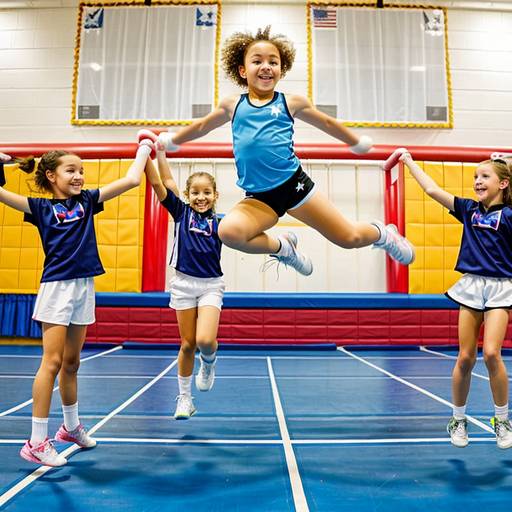
This lesson plan is designed for 2nd-grade students and focuses on introducing basic gymnastics movements alongside team sports activities. The session begins with a brief discussion on the importance of physical fitness and teamwork. After a dynamic warm-up involving stretching and movement games, students rotate through four engaging stations: practicing forward rolls, jumping over low hurdles, balancing on beams, and participating in a team relay race. Each station emphasizes skill development, cooperation, and communication among peers.
Following the rotations, students participate in a cooldown period with gentle stretching and a reflective discussion about their favorite activities and learnings from the day. The instructor assesses student participation and technique during the activities, providing supportive feedback. The lesson also accommodates various skill levels, ensuring all students can engage and progress at their own pace, while maintaining safety throughout. This plan aims to foster a love for physical activity and encourage lifelong healthy habits.
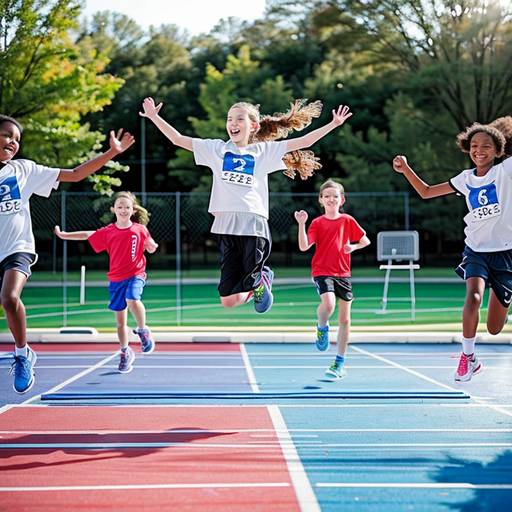
This 2nd-grade physical education lesson focuses on enhancing students' cardiovascular fitness through engaging and interactive activities. The session begins with a brief introduction to the importance of cardio fitness, followed by a warm-up that includes dynamic stretches and a fun "Follow the Leader" exercise to get the students moving.
The main component of the lesson consists of three cardio stations where small groups of students rotate through various activities: jump rope challenges, hula hooping, and cone relay races. Each station encourages teamwork, friendly competition, and physical activity.
After the main exercises, the lesson concludes with a cool-down routine involving slow stretches and breathing exercises, allowing students to reflect on their heart rates and feelings post-activity. The session wraps up with a discussion on the enjoyment of the activities and the importance of staying active.
Overall, the lesson promotes physical fitness while fostering cooperation and enthusiasm for exercise in a fun and supportive environment.

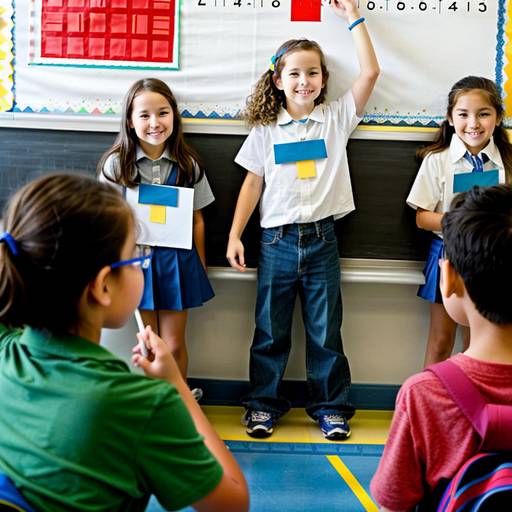
This lesson plan focuses on teaching second-grade students how to understand and apply addition using a number line. The lesson begins with an engaging introduction that encourages students to share real-life examples of addition. The teacher then demonstrates how to use the number line, starting from a given number and making jumps forward to find the sum of addition problems.
Students participate in guided practice through small group activities, where they use flashcards to solve addition problems together, explaining their thought processes as they work. For independent practice, each student completes a worksheet that includes addition problems and a blank number line to demonstrate their understanding.
The lesson concludes with a review and reflection, allowing students to share what they learned. Assessment involves monitoring student participation during activities and reviewing worksheets for accuracy. The plan also includes modifications for students who need extra support, ensuring all learners can engage with the concept of addition on the number line effectively.
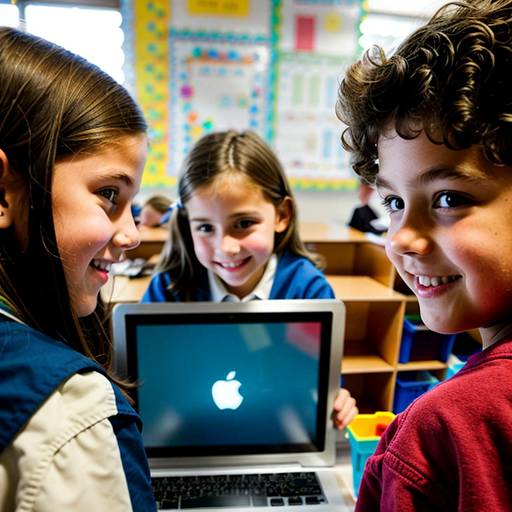
This 2nd-grade technology lesson focuses on teaching students the importance of device maintenance and effective cleaning techniques for their personal and classroom technology. The lesson begins with a discussion about the various devices used in their daily lives and the consequences of not maintaining them. Students will then receive a demonstration of proper cleaning steps using microfiber cloths and non-toxic cleaners, highlighting what should be avoided.
In small groups, students will practice role-playing the cleaning process using illustrated guides, reinforcing their understanding of the steps involved. They will also have the opportunity to reflect individually by drawing their favorite device and writing a sentence about the importance of keeping it clean.
The lesson concludes with a review of key points and an open Q&A session, ensuring that students grasp the significance of cleanliness in technology. Assessment will be conducted through observation of group activities and review of their reflection worksheets. Extensions include creating a "Device Maintenance Tips" poster and planning a tech clean-up day to promote responsibility for classroom devices. Overall, students will leave equipped with the knowledge and skills to maintain their devices effectively.
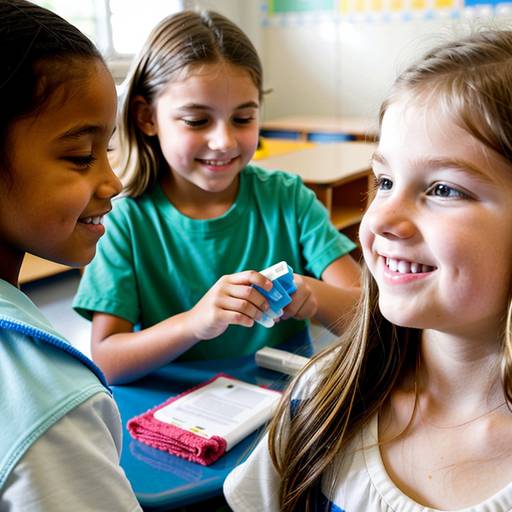
In this 2nd-grade technology lesson, students will learn essential skills related to device maintenance and organization. The class begins with a discussion about the importance of keeping technology clean and organized, fostering an understanding of responsibility. Students will participate in hands-on activities, where they will clean devices using microfiber cloths and organize accessories into labeled bins or bags.
The lesson incorporates collaborative work in pairs at different stations, emphasizing teamwork. At the end of the session, students will reflect on what they learned and share their experiences, reinforcing their understanding of proper device care. To celebrate their efforts, each student will receive a sticker for participation. This lesson not only teaches practical skills but also promotes responsible technology use and encourages good habits that students can carry into their home environments.
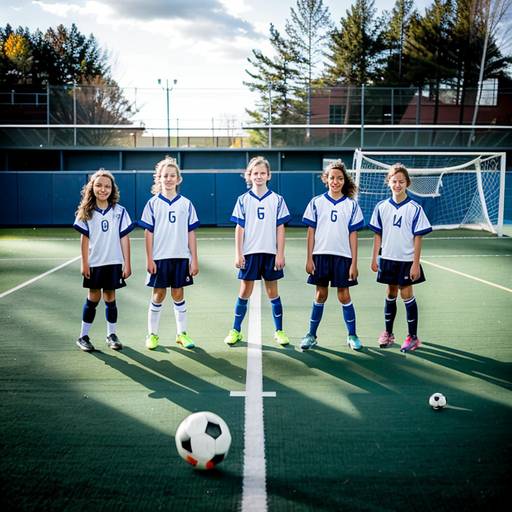
This second-grade physical education lesson plan focuses on introducing students to the fundamentals of soccer. The lesson aims to teach basic rules and objectives of the game while enabling students to develop essential skills such as dribbling, passing, and shooting.
The session begins with a brief introduction to soccer rules, followed by a dynamic warm-up. Students then rotate through skill development stations, where they practice dribbling through cones, passing with partners, and shooting at a small goal.
Next, students engage in small-sided games to apply their skills in a team setting, promoting cooperation and sportsmanship. The lesson concludes with a cool-down and reflection, allowing students to share their experiences and favorite moments. Throughout the lesson, emphasis is placed on positive participation, safety, and encouragement, fostering a love for the sport and physical activity.