
Filters
Level
Grade
Subject
Subject Area
Subject Topic
Standard(s)
Audience
Keyword
DurationMinutes
2nd Grade Lesson Plans

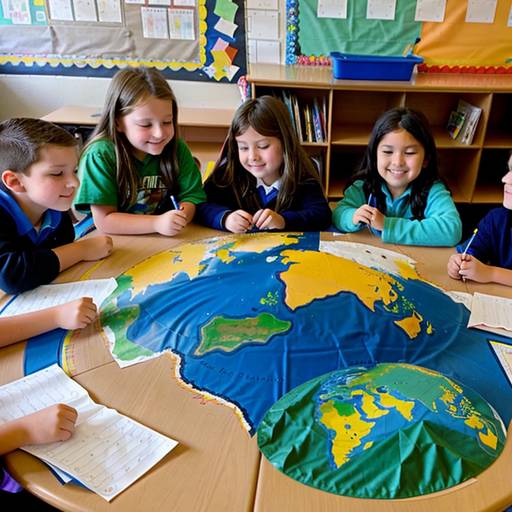
In this 2nd-grade social studies lesson, students will explore various landforms such as mountains, valleys, rivers, plains, and deserts. The session begins with a discussion about Earth's surface and an introduction to landforms, accompanied by a world map or globe to identify where these features can be found. Following direct instruction, students will work in small groups to create a "Landforms Map" using pre-printed images and art supplies. They will present their maps to the class, sharing descriptions and interesting facts about the landforms they've included. The lesson concludes with a recap that highlights the relationship between landforms and human life. Assessment will focus on student participation and the accuracy of their maps, while extensions may involve homework that encourages individual creativity and further exploration of landforms in different countries. Overall, the lesson fosters engagement with geography through interactive learning and collaboration.

In this 2nd-grade math lesson, students will explore the concept of measurement and learn how to measure lengths using both standard and non-standard units, such as inches, centimeters, paper clips, and blocks. The lesson begins with a discussion to familiarize students with measurement vocabulary, followed by a demonstration of measuring classroom objects with a ruler. Students will then engage in guided practice in small groups, measuring different objects and recording their lengths. After presenting their findings to the class, students will complete a worksheet where they estimate and then measure various items. The lesson concludes with a review of key concepts and an assessment through collected worksheets and observation of group activities. Adaptations are provided to support different learner needs. This interactive approach encourages hands-on exploration and real-world connections to measurement.
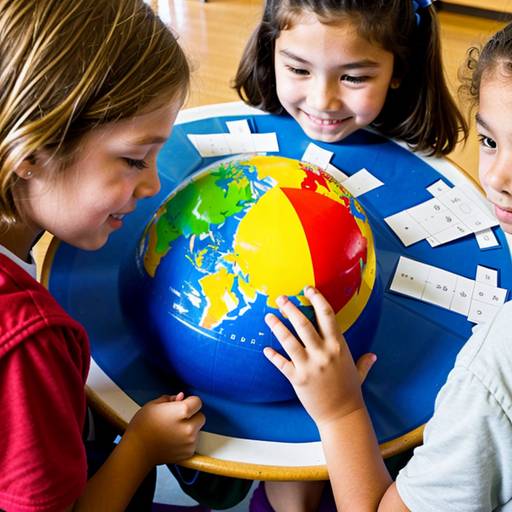
In this 2nd grade math lesson focused on measurement and length, students will explore the concepts of measuring objects using both standard and non-standard units. The lesson begins with a discussion to engage students and elicit their previous experiences with measurement. Key terms such as length, measure, and units will be introduced.
Through direct instruction, students will learn how to use rulers and measuring tapes correctly, and will understand the significance of measuring accurately. They will observe demonstrations of measuring various classroom objects and see visual examples of both standard and non-standard measurements.
Students will then engage in partner work to measure designated objects in the classroom, recording their results on worksheets and comparing the two types of measurement. Following this, they will participate in a scavenger hunt where they will measure specific items around the classroom or school, documenting their measurements and presenting their findings on a chart.
The lesson concludes with students sharing their discoveries and reflecting on the importance of accurate measurement in real-life situations. Assessment will be based on observation during activities and evaluation of their measurement worksheets, with opportunities for extension and modifications tailored to individual learning needs.

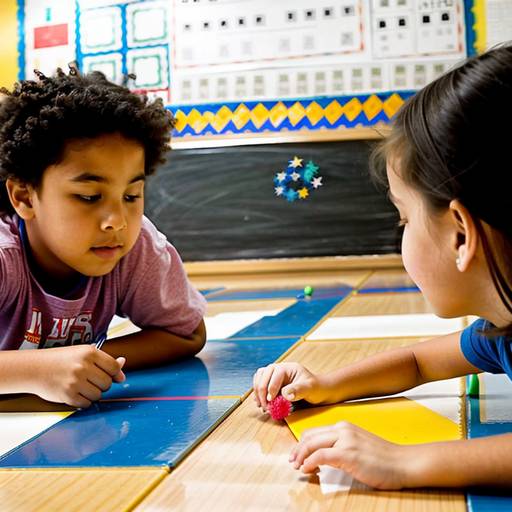
In this 2nd-grade science lesson, students explore the concepts of motion and force through engaging discussions, demonstrations, and hands-on activities. The lesson begins with students sharing their observations of how objects move, which leads to an introduction of the terms "motion" and "force." Teachers demonstrate how different surfaces affect the movement of objects and explain the mechanics of pushing and pulling.
After the introductory discussion, students participate in a group experiment using toy cars and ramps. They set up ramps at various angles to test how far their cars travel when released, measuring the distance and recording their results. Through this activity, students discover the relationship between the angle of the ramp, the force applied, and the resulting motion.
The lesson concludes with each group presenting their findings and sharing their favorite moving objects from home, further reinforcing their understanding of pushes and pulls. Students also create drawings to illustrate their favorite moving objects, labeling them according to the forces involved. Throughout the lesson, students engage collaboratively, fostering a deeper understanding of physical science concepts related to motion.
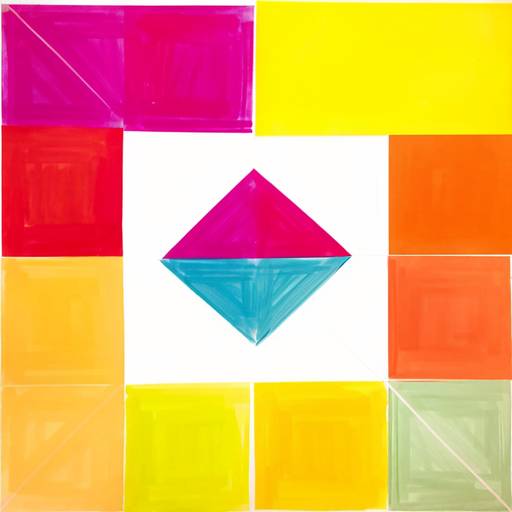
In this 2nd-grade math lesson, students will explore the concepts of geometry, specifically focusing on different types of lines and shapes. The lesson begins with a discussion about geometry and its presence in everyday life, followed by a review of straight, curved, and zigzag lines alongside basic shapes such as triangles, squares, rectangles, and circles.
Students will engage in guided practice by creating their own lines and transforming them into shapes, allowing for peer interaction and discussion. In an independent practice activity, they will cut out various shapes from colored paper and arrange them into a collage, reinforcing their understanding of the topic.
The lesson culminates in a fun game of Shape Bingo, promoting engagement and reinforcing knowledge through a playful format. Throughout the lesson, students’ understanding will be assessed through observation and evaluation of their collages and participation in the bingo game. Optional extension activities include a nature walk to identify real-world examples of lines and shapes and an introduction to symmetry, further enhancing their geometry skills.

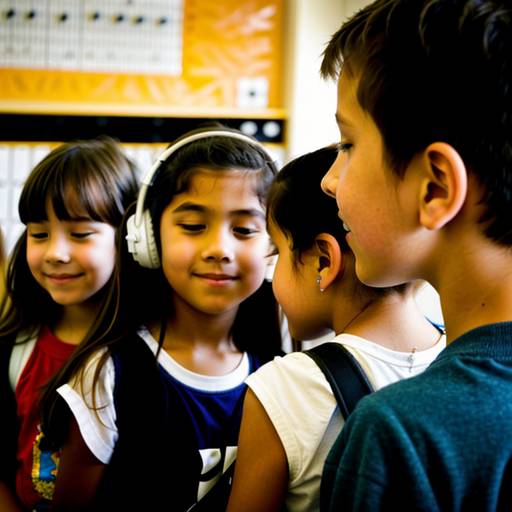
In this 2nd-grade music appreciation lesson, students will embark on a listening adventure to explore various music genres. The session begins with an engaging warm-up activity where students move to a familiar song, fostering an initial connection to music.
Following this, students will participate in a guided listening exercise featuring short clips from different genres such as classical, jazz, rock, and folk. As they listen, students will fill out a listening chart with their observations about the instruments they hear and the emotions the music evokes. This encourages active listening and critical thinking.
In small groups, students will discuss their favorite aspects of the music they heard, promoting collaboration and communication. To conclude the lesson, students will engage in a creative activity where they create a collage that reflects the mood of their preferred genre, integrating art into music appreciation.
Finally, the class will reflect on their experiences and share their collages, reinforcing the importance of diverse musical exploration. Throughout the lesson, students are encouraged to connect what they learn to their lives outside the classroom, fostering a lifelong appreciation for music. Assessment will include observation of participation, the completion of listening charts, and evaluation of the collages. Extension ideas may include creating a bulletin board to showcase students' artwork and inviting local musicians for an interactive demonstration.
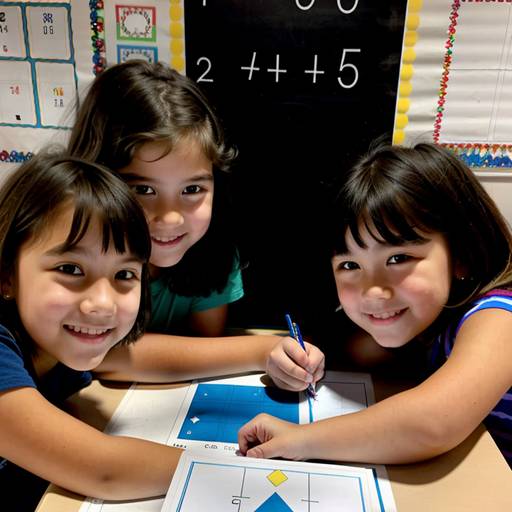
This 2nd-grade math lesson focuses on teaching students addition and regrouping using engaging, hands-on activities. Students will learn to add two-digit numbers both with and without regrouping, enhancing their understanding of place value. The lesson begins by capturing students' interest through a treasure hunt theme, followed by an introduction to regrouping with a visual example.
In direct instruction, students work with base ten blocks to concretely represent numbers and solve addition problems. Guided practice involves collaborative problem-solving as pairs tackle a new addition problem together, promoting communication and critical thinking. Following this, students complete a worksheet featuring a variety of addition problems to demonstrate their understanding independently.
The lesson concludes with a review of answers, encouraging students to share their methods, followed by a fun math game that reinforces their skills in a collaborative setting. Throughout the lesson, assessment is conducted through observation and worksheet evaluation, with differentiation strategies provided to support diverse learners. Extensions incorporate creative writing, allowing students to design their own addition story problems. Overall, the lesson aims to improve addition skills while maintaining an exciting and interactive learning environment.

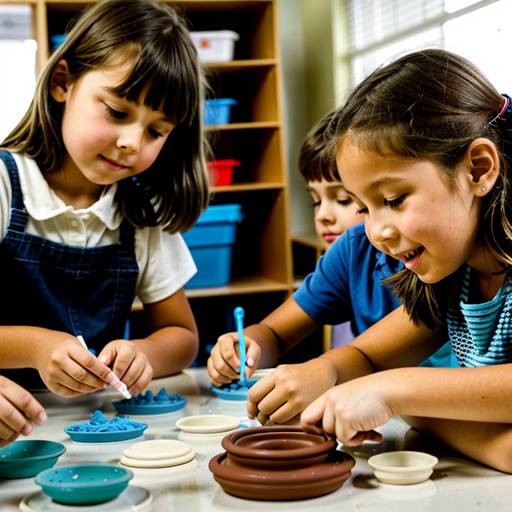
In this 2nd Grade art lesson, students will explore the world of clay as they create their own unique ceramic pieces. The lesson begins with an engaging discussion about ceramics and various clay art forms, complemented by visual examples to inspire the students. Following a demonstration of basic clay techniques, such as rolling, shaping, and texturing, each student will have the opportunity to work independently with air-dry clay to design and mold their creations, expressing their creativity and imagination.
During the creative process, students will receive guidance and support, allowing them to develop their skills while immersing themselves in artistic expression. Once the creations are complete, students will share their work with the class, discussing their inspirations and the techniques they used.
The lesson emphasizes engagement, participation, and the importance of sharing artistic ideas. Students will also learn how to care for their creations and contemplate further artistic possibilities, such as decoration in future sessions. Overall, this lesson invites students to explore their creativity through hands-on experience with ceramics, fostering an appreciation for art and self-expression.
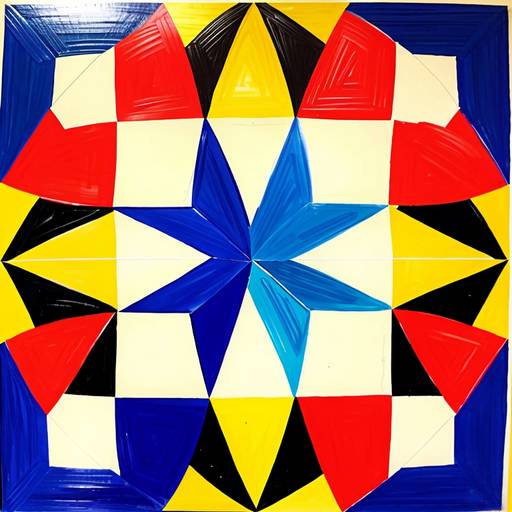
This 2nd-grade math lesson focuses on introducing students to basic geometric shapes and the concept of symmetry. The lesson begins with an engaging discussion about shapes and symmetry in the classroom, followed by a review of common geometric shapes and their attributes. Students will learn about lines of symmetry through direct instruction and visual examples.
During guided practice, they will create their own symmetrical shapes using colored paper and scissors, and explore their creations using mirrors to understand reflection. The lesson also includes an independent art project where students design symmetrical patterns, which they will display in class.
Throughout the lesson, students will be assessed through observation and an exit ticket, where they will draw both symmetrical and asymmetrical shapes to demonstrate their understanding. The lesson incorporates various activities to ensure engagement, differentiation for diverse learners, and extensions to connect geometry with other subjects. Overall, this lesson aims to make learning about geometry and symmetry interactive and enjoyable for the students.
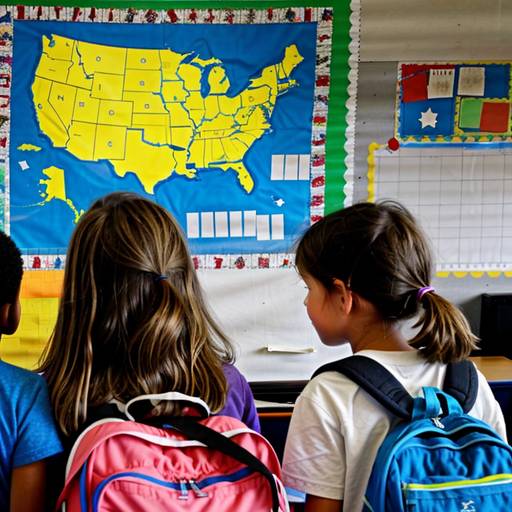
This lesson plan aims to engage 2nd-grade students in understanding the basics of geography and the use of maps. The lesson begins with an interactive discussion about students' experiences with maps, followed by a direct instruction segment that introduces essential map features, including titles, compass roses, and legends. Students will collaboratively explore a large community map to identify important local landmarks.
In the guided practice, they will work in small groups using printed maps to enhance their comprehension of the features discussed. For independent practice, students will create their own maps of either their classroom or home, incorporating the elements learned, such as titles, compass roses, and keys. The lesson concludes with a review of key concepts and sharing of students' maps with their peers. Assessment will be based on participation and the completion of the maps, with optional extensions for further learning through technology or field trips.