
Filters
Level
Grade
Subject
Subject Area
Subject Topic
Standard(s)
Audience
Keyword
DurationMinutes
2nd Grade Lesson Plans

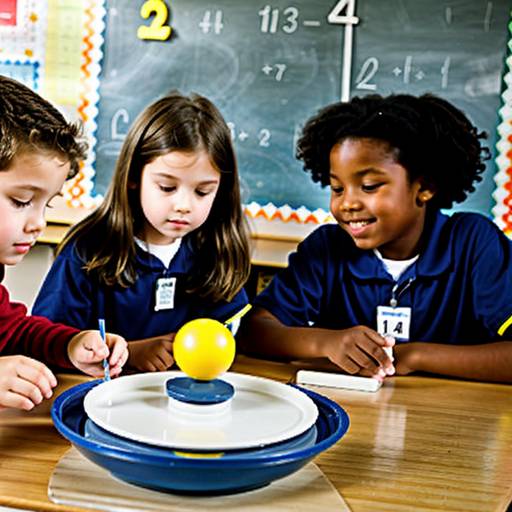
In this 2nd-grade math lesson, students will explore the concepts of measurement and weight using balance scales. The lesson begins with a discussion about weight, followed by an introduction to balance scales and how they work. Students will then engage in group activities where they estimate the weight of various classroom objects and record their predictions. Afterward, they will use the balance scale to measure the actual weight of these objects, noting the results on worksheets. The lesson culminates in a group discussion where students share their findings, reflect on their estimations, and learn about the importance of weight in everyday life. The lesson promotes hands-on learning, teamwork, and critical thinking as students compare and analyze the weights of different items. Assessment will focus on the accuracy of their measurements and participation during activities, with extensions available for students who grasp the content quickly.

In this engaging art lesson for 2nd graders, students explore the history and significance of portrait painting while developing their artistic skills. The lesson begins with a discussion about what portraits are, accompanied by visual examples of famous artworks that showcase various artistic styles. Students learn to observe their own features using mirrors and create light pencil sketches of their self-portraits, focusing on unique characteristics. They then enhance their sketches with watercolor paints or markers, allowing for creative expression influenced by the use of color seen in renowned portraits.
As the session concludes, students present their self-portraits to the class, sharing their thoughts and experiences from the project. This culminates in a reflection on the importance of portraits in art history and personal expression. The lesson fosters creativity, self-awareness, and an understanding of historical art practices, while allowing for the display of completed works in a class gallery share with families.

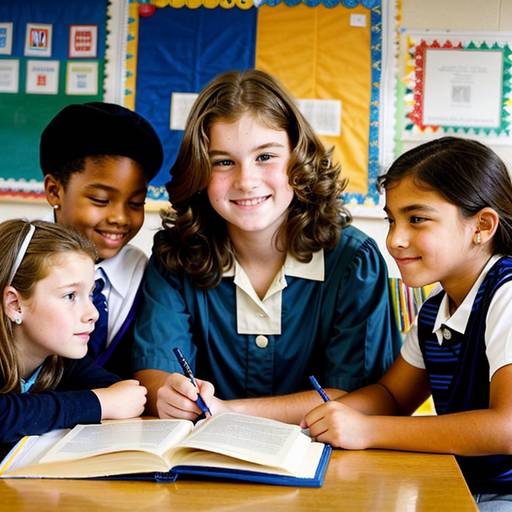
In this 2nd-grade social studies lesson, students will explore important historical figures and their contributions to society. The lesson begins with a discussion about the significance of history, prompting students to share what they know about notable individuals. Through reading picture books and group activities, students will learn about various figures, engaging in a collaborative guessing game using fact sheets.
Afterward, each student will select a historical figure to create an artistic representation, incorporating key facts or quotes related to that person. The lesson concludes with a class sharing session and a reflection on the importance of understanding history. Assessment will involve observing student participation, reviewing worksheets, and evaluating their art projects. Adaptations will be made for diverse learners, and a classroom display may be created to showcase student work and promote further interest in historical figures.

In this 45-minute music appreciation lesson for 2nd grade students, the class will focus on exploring and enjoying famous songs from various genres. The lesson begins with a warm-up activity where students sing a familiar song and discuss its appeal. Following this, students will listen to audio clips of three different famous songs, sharing their thoughts and feelings about each one, while learning interesting stories and facts behind the music.
During a group discussion, students will explore what makes certain songs popular and how music evokes emotions and memories. They will then engage in a creative drawing activity, illustrating their feelings or images inspired by one of the songs discussed. At the end of the lesson, students will participate in a wrap-up discussion to reflect on their learning and express their favorite types of music. The goals include fostering an appreciation for music and encouraging personal connections to songs. Additionally, opportunities for further exploration and sharing of discoveries related to music are suggested for future classes.

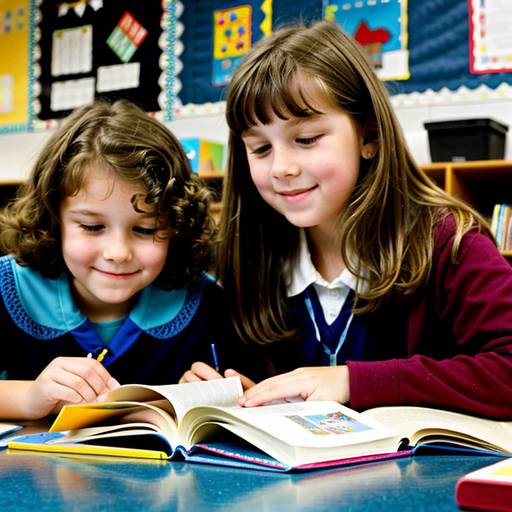
In this 2nd-grade Language Arts lesson, students will explore three main genres of literature: fiction, non-fiction, and poetry. The lesson begins with an engaging discussion to define genres and identify their characteristics. Students are then divided into small groups to read excerpts from a selection of mixed-genre books and discuss their thoughts, ultimately sharing their findings with the class.
For independent practice, each student will select a book, complete a "Genre Detective" worksheet, and illustrate a favorite part of the book. This will help reinforce their understanding of the genres and encourage them to think critically about the readings. The lesson concludes with a sharing session, where students present their choices and review the key characteristics of each genre. Assessment will focus on group participation and the completed worksheets, with opportunities for further exploration of reading genres through a "Genre of the Week" display and creative writing assignments. Overall, this lesson aims to foster a love for reading and the understanding of various literary forms.

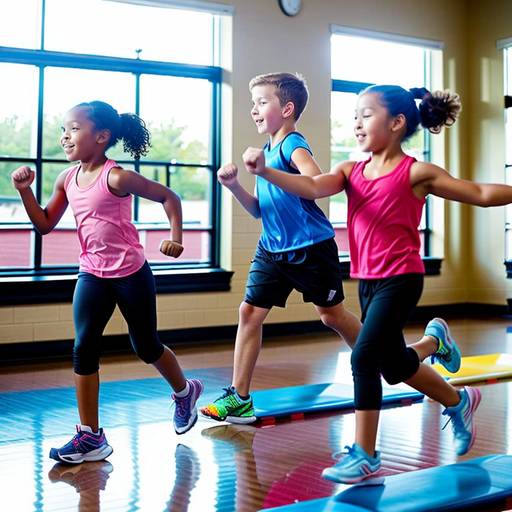
In this 2nd-grade physical education lesson, students will engage in a variety of cardiovascular activities designed to enhance fitness and promote heart health. The session will begin with a warm-up that includes dynamic stretching and movement to music, preparing students for physical activity.
Following the warm-up, students will participate in five fitness stations, rotating through each for short bursts of 3-4 minutes. Activities include jump rope, hula hoop challenges, a balloon keep-up game, an obstacle course, and a tag game, all aimed at increasing their heart rate while fostering enjoyment in movement.
After the stations, students will engage in a group challenge where they will work together to pass foam balls or beanbags down their line using only their feet, emphasizing teamwork and cooperation.
The lesson will conclude with a cool-down that involves slow walking and static stretching, allowing students to reflect on their experiences and discuss the importance of staying active. Throughout the lesson, the teacher will observe participation and teamwork, reinforcing the value of fitness in a fun and engaging manner.
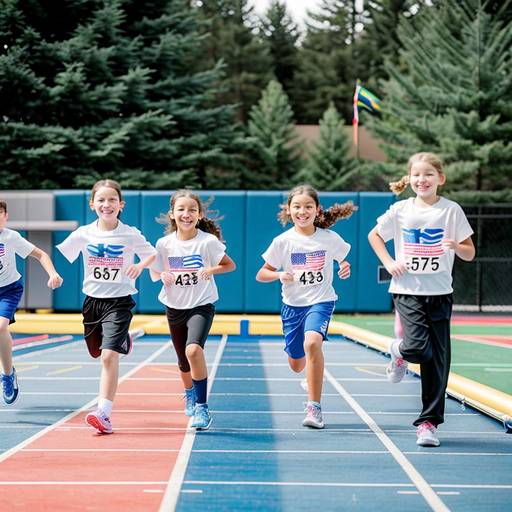
In this engaging physical education lesson for 2nd-grade students, the focus is on improving cardiovascular endurance, strength, and teamwork through a series of relay race activities. The lesson begins with a warm-up that includes dynamic stretches and light jogging to prepare the students for physical activity.
Students are divided into four teams and rotate through stations, each featuring different exercises: hopping through hula hoops to enhance leg strength, jumping rope to improve endurance and coordination, tossing a soft ball to develop hand-eye coordination, and performing bodyweight exercises to build muscle strength. Each station lasts for three minutes, allowing students to work together and support each other while having fun.
After the main activities, the lesson concludes with a cool-down period involving static stretches to aid recovery. Finally, students participate in a reflection session to share their favorite parts of the activities and discuss the importance of fitness. Throughout the lesson, teachers observe student engagement and teamwork, ensuring a safe environment for all participants.
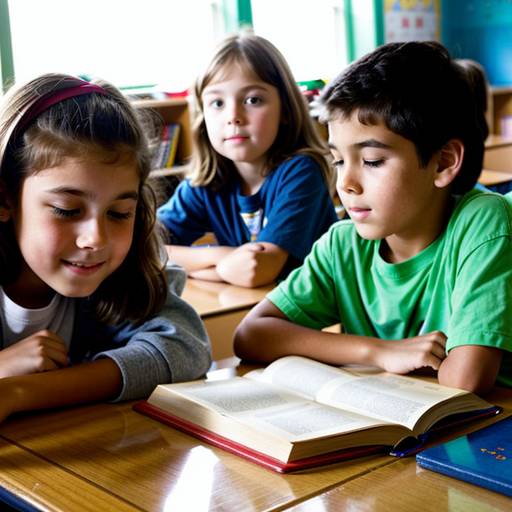
This 2nd-grade language arts lesson focuses on enhancing reading fluency and comprehension through character exploration in a selected story. Students will engage in partner reading, practicing expressive reading as they take turns sharing the text aloud. Following their reading, the class will discuss the main characters, noting their traits and how these traits influence the story's plot. To solidify their understanding, students will create character drawings, including a chosen trait and a corresponding explanation. The lesson encourages collaboration, creativity, and independent practice at home, allowing students to improve their fluency and comprehension skills in a fun and interactive way. Assessment will involve observing students during reading activities and reviewing their completed character charts and drawings. Differentiation strategies will be implemented to support diverse reading levels within the classroom.
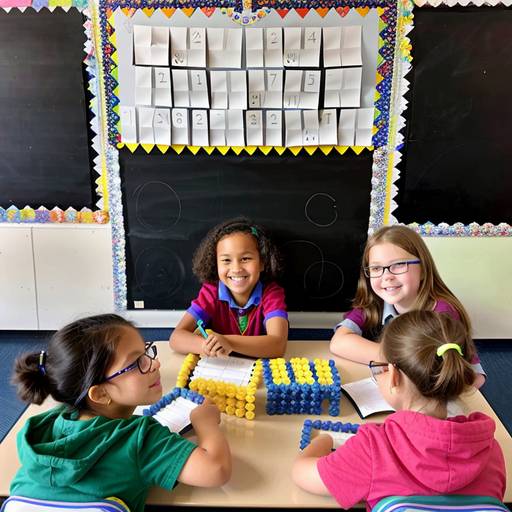
This 2nd-grade math lesson plan focuses on introducing students to the concept of fractions, specifically halves and quarters. The lesson begins with a discussion about fractions in real-life contexts, such as sharing food. Students are guided through direct instruction where they learn to identify and visualize fractions using drawings and examples. They then engage in hands-on activities, cutting paper plates to create and color representations of halves and quarters. Independent practice involves completing a worksheet that reinforces their understanding of the concepts taught. The lesson concludes with a class discussion where students share their learnings, ensuring that the material is both understood and relatable. Assessment is done through observation during activities and reviewing worksheets, and follow-up activities encourage students to explore fractions in their everyday lives. The entire lesson aims to make learning about fractions engaging and applicable.
In this 2nd-grade math lesson, students will explore the concepts of fractions, focusing on understanding halves (1/2) and quarters (1/4). The lesson begins with a discussion about fractions and includes engaging elements, such as a catchy song to capture students' interest. Using visual aids, students will learn how to divide shapes and objects into equal parts.
Hands-on activities will involve students cutting paper plates into halves and quarters, allowing them to see and label these fractions visually. Following this, they will complete worksheets that require them to color specific fractions of images, reinforcing their understanding through independent practice.
The lesson concludes with a class discussion to review key concepts and encourage students to share their creations. Assessment will be conducted through observation during activities, evaluation of worksheet completion, and an exit ticket to gauge comprehension of the material. Extensions and supports will be provided to cater to diverse learning needs within the classroom.