
Filters
Level
Grade
Subject
Subject Area
Subject Topic
Standard(s)
Audience
Keyword
DurationMinutes
Toddler Lesson Plans


This lesson plan focuses on teaching toddlers basic shape recognition while incorporating color identification. Designed for a classroom of young children aged 2-4, the session spans 30-45 minutes and includes engaging activities that foster participation and learning.
The lesson begins with an introduction to different shapes through flashcards, followed by a shape hunt activity where children search for hidden cutouts around the room. A storybook featuring shapes is then read aloud to reinforce learning and engage students with questions about the colors and shapes depicted.
Next, a craft activity allows children to create a colorful collage using shape cutouts, further solidifying their recognition skills. A movement break encourages them to express themselves through dance while mimicking shapes, maintaining energy and engagement.
The lesson continues with a shape sorting game, where children match cutouts to labeled bins, reinforcing their understanding in a fun, hands-on way. The session concludes with a closing circle, where children share their favorite shapes and colors, reinforcing the concepts learned throughout the lesson.
The lesson emphasizes interactive learning, sensory exploration, and social interaction, fostering early childhood development in a playful environment.

In this engaging lesson for toddlers, students will explore basic shapes and their attributes, including circles, squares, triangles, and rectangles. The session begins with an interactive introduction, encouraging children to recognize and name various shapes through colorful cutouts. A storytime activity will reinforce shape identification and color recognition.
Students will then participate in a shape attribute discussion, where they will learn about the characteristics of each shape. This is followed by a hands-on sorting activity in small groups, allowing them to categorize shapes by color and type. A creative art segment gives children the opportunity to color and decorate shape cutouts, fostering artistic expression while discussing shape attributes.
To incorporate movement, a fun activity will have students form shapes with their bodies, enhancing kinesthetic learning. The lesson concludes with a review of the shapes learned, promoting retention through questions and responses.
Throughout the lesson, teachers will assess participation and understanding, aiming to integrate shape recognition into everyday contexts to reinforce learning beyond the classroom. Follow-up activities may include creating a "Shape Wall" to display students' artwork and ongoing shape identification during daily routines.

This lesson plan focuses on introducing toddlers to basic colors and shapes while fostering their spatial awareness through engaging activities. The session begins with a circle time where children share their favorite colors and shapes, utilizing flashcards for visual support. Following this, a "Shape Hunt" activity encourages movement as children search for hidden shape cut-outs around the classroom, promoting teamwork and observation skills as they sort the shapes by color and type.
Next, children engage in building structures with toy blocks of various shapes and colors, allowing them to explore concepts of balance and spatial arrangement. The lesson continues with a creative art activity where children draw and color their favorite shapes, expressing their creativity while reinforcing their understanding of colors and shapes.
The session concludes with a sharing circle, where each child presents their artwork, encouraging verbal expression and confidence. A fun, catchy song about colors and shapes wraps up the lesson, solidifying their learning experience in an enjoyable manner. Extensions for future lessons are included to further build on the concepts introduced.
This lesson plan focuses on shapes recognition and color exploration for toddlers aged 2 to 4. It aims to help students identify basic shapes—circle, square, triangle, and rectangle—while associating them with various colors. The session begins with an engaging introduction, where students learn about shapes through colorful cards, followed by an interactive storytime that reinforces shape and color recognition.
After the story, students participate in a shape exploration activity, identifying real-world objects that correspond to each shape and discussing their colors. They then engage in a hands-on shape sorting activity, where they classify blocks or foam shapes into labeled bins, promoting cooperative learning.
To add a fun and energetic element, a shape dance game encourages students to embody different shapes with movement. The lesson culminates in a creative art activity where children draw and color their favorite shapes, fostering artistic expression. The session concludes with a closing circle time, allowing each child to share what they learned.
The lesson incorporates interactive and multisensory experiences designed to keep toddlers engaged while assessing their understanding of shapes and colors. Extensions for future lessons include outdoor scavenger hunts and gradual introductions of new shapes to continue their learning journey.
This lesson plan focuses on teaching toddlers the important social skill of sharing in a fun and interactive way. The session begins with a circle time where children discuss the concept of sharing, followed by reading a story that illustrates the theme.
Next, toddlers participate in a group play activity where they take turns picking toys and practice asking their peers to join in. This encourages communication and collaboration among the children. Following this, a movement game allows them to express their understanding of sharing through dance and creative interaction with partners.
The lesson concludes with a crafting activity where each child creates a decorative handprint, illustrating something they enjoy sharing. The session ends with a reflection circle, allowing children to express their feelings about sharing and share their crafts with peers. Throughout the activities, educators observe and encourage sharing behaviors, fostering a supportive environment for social development.
This lesson plan focuses on enhancing toddlers' communication skills through engaging activities centered around storytelling and creative expression. The session begins with a welcoming song to gather the children and introduces the concept of storytelling using vibrant picture books. As the story is read aloud, children are encouraged to interact by observing illustrations and responding to open-ended questions.
Following the story, children engage in puppet play, where they create dialogues in pairs, promoting both verbal communication and collaborative interaction. An artistic component allows them to draw their favorite story elements and share their creations with the group, fostering further verbal expression. The lesson concludes with an interactive song that encourages movement and participation, reinforcing communication and social connection among peers.
Throughout the activities, the emphasis is on observational assessment, with an aim to promote children's ability to express themselves and engage with others effectively, laying a foundational understanding of social skills.
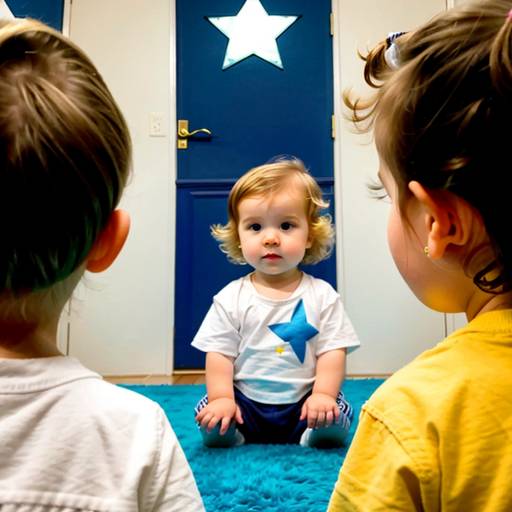
This lesson plan focuses on helping toddlers develop confidence by understanding and expressing their unique qualities. The lesson begins with a circle time discussion where children share what makes them special, fostering a sense of self-worth. A mirror activity encourages each child to look at themselves and articulate something they love about their appearance or abilities.
Next, a craft project allows toddlers to create their own stars, decorated with drawings and stickers representing their individual strengths. A story featuring a confident character provides relatable context, prompting discussions about the character's traits and actions. The lesson includes a movement activity where children dance freely, embodying the idea of expressing confidence through physical movement.
The session concludes with a reflective circle, where children share their learnings and reinforce their understanding that everyone has something special to offer. This engaging lesson encourages self-acceptance and builds a supportive community among the children, laying the groundwork for their social skills development.

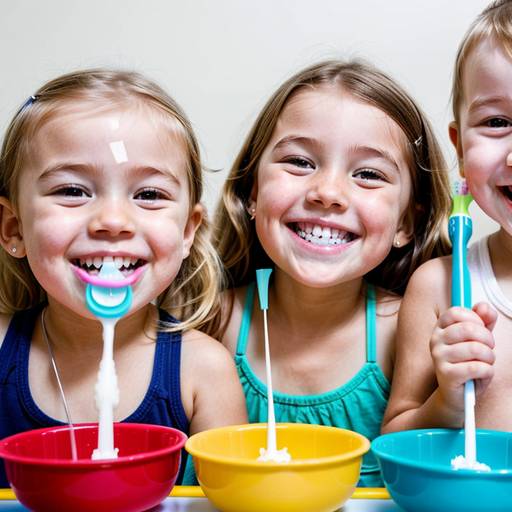
This lesson plan focuses on teaching toddlers the importance of dental hygiene, specifically through the practice of brushing teeth. It includes engaging activities such as storytelling, demonstrations, and hands-on practice to help children learn the correct technique for brushing. The session begins with an interactive discussion about teeth, followed by reading a story that emphasizes the topic. A demonstration using a dental model illustrates proper brushing steps, which children then practice with their own toothbrushes.
Additionally, the lesson highlights the role of healthy eating in maintaining dental health, using visual aids to differentiate between nutritious foods and sugary snacks. The class concludes with a fun, interactive song about brushing teeth, reinforcing the key messages and ensuring children leave with a solid understanding of good oral hygiene practices. A take-home activity for parents further supports ongoing conversations about dental care at home. The overall goal is to foster independence and promote lifelong healthy habits in young learners.

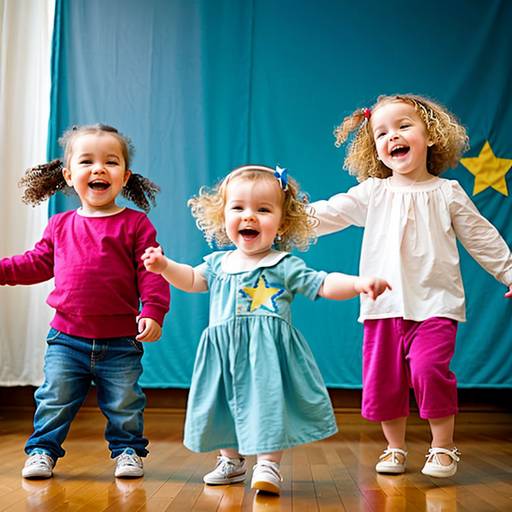
This lesson plan focuses on engaging toddlers in singing and movement activities that promote musicality and physical development. The session begins with a warm welcome and an introduction to the day's theme. After a fun warm-up with an upbeat song, students participate in singing familiar tunes accompanied by actions and visual aids. Movement activities follow, encouraging children to dance with scarves or ribbons and express themselves through free movement to lively music. The lesson concludes with a gentle cool-down song, allowing for reflection on their favorite activities. Throughout, children are observed for engagement and participation, and adaptations are suggested to support varying levels of comfort and ability. This interactive experience aims to foster a love of music and enhance coordination skills in a joyful environment.

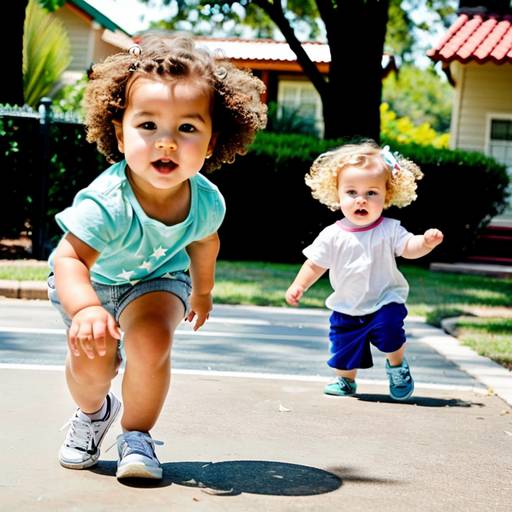
This lesson plan is designed for toddlers aged 2-4 years and focuses on developing gross motor skills through skipping. The session lasts approximately 30 minutes and begins with a lively warm-up involving movement and stretching. After a brief introduction to skipping, children engage in a guided activity that has them skip along a course marked by colored markers and cones, fostering coordination and balance.
To further enhance their skills, toddlers participate in an activity that involves skipping in and out of hula hoops, encouraging turn-taking and social interaction. The lesson also incorporates creative movement with scarves or ribbons as children skip to upbeat music, allowing for self-expression and enjoyment.
To wrap up the session, children cool down by sharing their feelings about the activities and reflecting on their experiences, fostering a sense of community and connection. The lesson concludes with a calming song to help transition them back to a relaxed state, while assessment focuses on observing participation and skill development. Extension activities are suggested to encourage continued practice and integration of skipping into various contexts.