
Filters
Level
Grade
Subject
Subject Area
Subject Topic
Standard(s)
Audience
Keyword
DurationMinutes
Toddler Lesson Plans

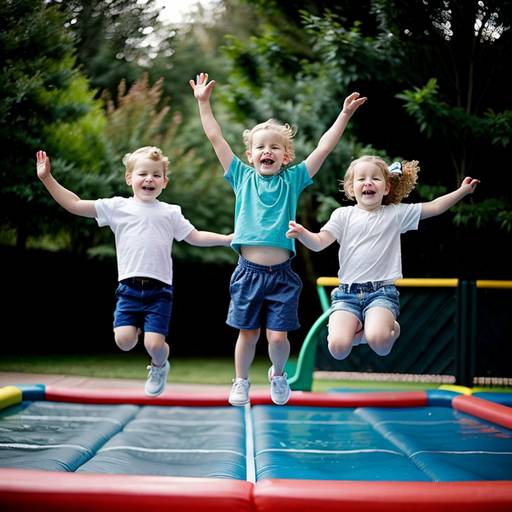
This lesson plan focuses on developing toddlers' gross motor skills through a series of engaging jumping activities. Aimed at children aged 2 to 4, the session lasts 30-35 minutes and includes a variety of fun exercises designed to enhance coordination, balance, and spatial awareness.
The activities involve warm-up exercises to prepare the children, followed by structured play at multiple stations featuring hula hoop hops, a zigzag cone course, jump rope challenges, and a foam mat challenge. These stations enable children to practice their jumping abilities in a supportive environment. Additionally, a relay race encourages teamwork and friendly competition, allowing each child to showcase their jumping skills.
The session concludes with a cool-down routine that includes gentle stretches and a calming song, promoting relaxation after energetic play. Throughout the activities, children receive positive reinforcement while caregivers are encouraged to continue fostering jumping skills at home. Safety is a priority, with careful attention given to the jumping area to ensure a secure play environment.

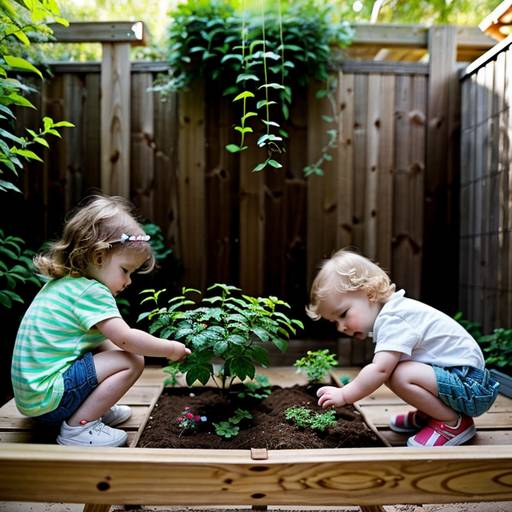
In this engaging lesson plan designed for toddlers aged 2-4, students will explore the fundamentals of gardening through hands-on activities and sensory experiences. The lesson begins with a discussion on plant growth, allowing children to share their thoughts and observations about gardens.
Participants will then engage in a hands-on planting activity, where they will fill pots with soil, plant seeds, and learn about the importance of watering plants. A nature walk will follow, encouraging children to collect various natural items, which they can explore in a sensory play activity.
To foster creativity, children will also have the opportunity to draw their favorite plants and decorate their pots with stickers and drawings. The lesson concludes with a wrap-up discussion to reinforce learning and a healthy snack that connects plants to food. Throughout the session, students will develop a deeper understanding of gardening concepts and an appreciation for the natural world, while encouraging ongoing curiosity and exploration.
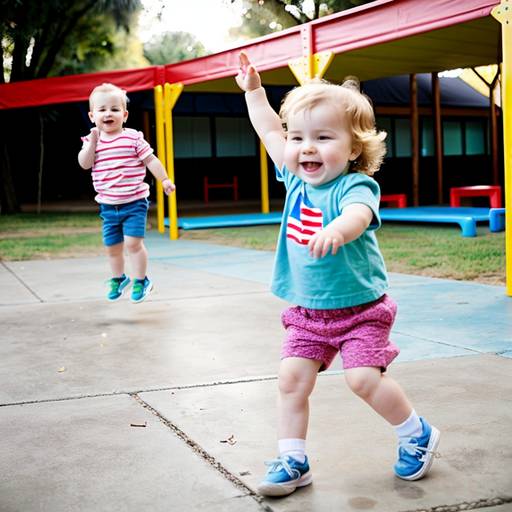
This lesson plan focuses on enhancing toddlers' gross motor skills through activities that promote balance and stability. Designed for children aged 2-4 years, the session begins with an engaging circle time discussion about the importance of balance, followed by a dynamic warm-up to prepare the children for movement.
Three activity stations are set up to encourage exploration: a balance beam walk where children practice walking in various ways, a hula hoop hopping activity that emphasizes careful movement and landing, and a beanbag challenge to help them develop poise while walking. Each station allows toddlers to practice balancing in a fun and interactive way.
Afterward, a gentle cool-down involves stretching and a group discussion to reflect on the activities and their experiences. The session concludes with a playful song or dance, reinforcing the skills learned. Throughout the lesson, educators will assess children's balance abilities while providing adaptations for varying skill levels to ensure inclusivity. Overall, the plan combines physical activity with enjoyment, fostering both fun and learning in developing balance skills.
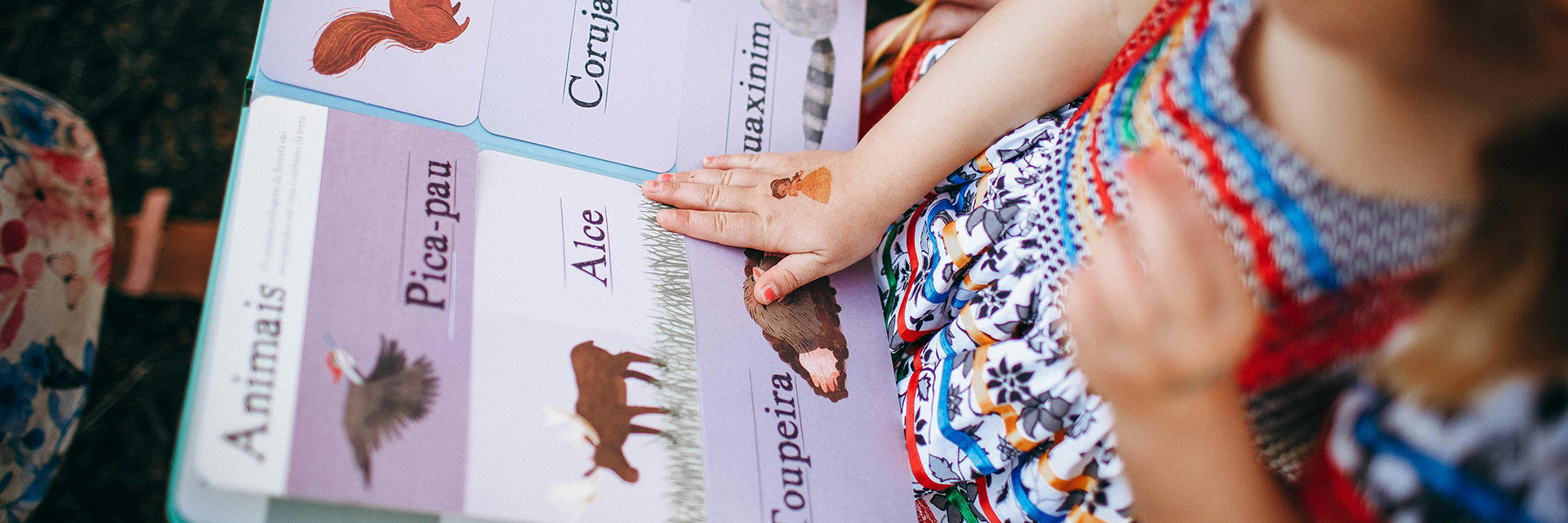
This lesson plan focuses on enhancing toddlers' narrative skills through interactive storytelling activities. It begins with a circle discussion about stories, followed by a lively read-aloud of a selected picture book, encouraging children to engage through predictions and emotions. After the reading, children participate in retelling the story with a felt board, using visual aids to illustrate key elements. They then use puppets to create and share their own mini-stories, fostering imagination and dialogue. As a creative outlet, children draw scenes from their favorite stories or invent their own narratives, promoting artistic expression and verbal storytelling. The session concludes with a fun song related to storytelling, reinforcing the theme and encouraging movement. Throughout the lesson, children's participation and ability to articulate their ideas are observed to assess their narrative development. The plan also suggests creating a dedicated storytelling space for continued exploration and engagement in future sessions.
This lesson plan focuses on enhancing pre-reading skills in toddlers aged 18-36 months through interactive storytelling, vocabulary development, and sensory play. The session begins with a circle time introduction, where children are engaged in a lively storytelling experience using colorful board books. During the reading, educators encourage participation by asking questions about the pictures and fostering connections between spoken and written language.
Following the story, a vocabulary-building game incorporates picture cards, prompting children to repeat and match objects with corresponding toys from a sensory bin filled with rice or sand. This sensory activity enhances their recognition and descriptive skills as they explore and identify figures.
The lesson also includes a creative expression segment where children are invited to draw their favorite part of the story or a toy they discovered, providing them an opportunity to share their artwork and verbalize their thoughts. The session concludes with a review of new vocabulary, reinforcing learning through repetition, and ends with a sing-along to celebrate the day's adventures in language.
Throughout the lesson, educators assess children's engagement and participation, adjusting activities as needed to cater to varying language levels and interests, ultimately fostering a positive environment that promotes a love of reading.
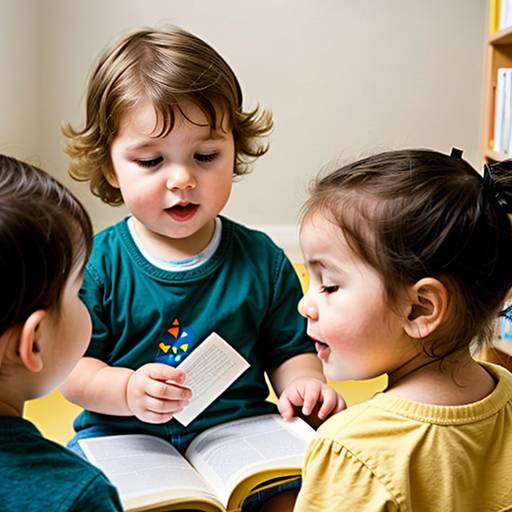
This lesson plan focuses on enhancing toddlers’ listening and comprehension skills through interactive storytelling and sound activities. The session begins with a welcoming circle and an introduction to the importance of listening. Children then gather for an engaging read-aloud using a vibrant storybook, where expressive storytelling and visual aids keep their attention while encouraging participation through open-ended questions.
Following the story, children get hands-on experience with soft musical instruments, mimicking sounds related to the story and participating in a fun “sound parade.” The lesson concludes with a wrap-up discussion, where children are invited to share their favorite parts of the story and specific sounds they remember. Finally, a goodbye song reinforces listening skills and provides closure.
Throughout the lesson, educators assess children's participation and comprehension through observation and engagement, ensuring an inclusive environment that adapts to varying needs for a rich learning experience.

This lesson plan focuses on developing fine motor skills, strength, and grip in toddlers through engaging, hands-on activities. Over the course of 30 minutes, children will participate in various exercises designed to enhance hand strength and coordination. Activities include exploring playdough, using clothespins to transfer objects, sorting colorful pom-poms with tongs, rescuing animal figurines, and squeezing balloons. The lesson culminates in a creative art session where children draw with crayons, further reinforcing their grip and control. Throughout the session, children will practice essential skills while enjoying interactive, playful experiences, fostering both their physical development and enthusiasm for learning. Assessment is based on engagement and skill demonstration, with suggestions for extending activities in future lessons.

This lesson plan focuses on introducing toddlers to various types of weather, such as sunny, rainy, snowy, and windy, through interactive discussions, sensory exploration, and creative activities. The session begins with a circle time where children engage with picture cards depicting different weather conditions and participate in a read-aloud session featuring a weather-themed book.
As part of hands-on learning, children rotate through three activity stations: a sensory station where they create weather scenes using materials like cotton balls and felt; a rainy day play station with a spray bottle for simulated rain and floating boats; and a dress-up station where they can role-play different weather scenarios with props.
The lesson concludes with a sharing circle where children express their favorite weather types and celebrate what they created. To reinforce learning, a simple song about weather is sung, encouraging movement and participation. Follow-up activities include crafting a "Weather Wheel" to take home and planning outdoor experiences that allow children to explore weather in real-life contexts. The plan emphasizes observation, participation, and engagement as key indicators of the children's understanding and interest in weather concepts.
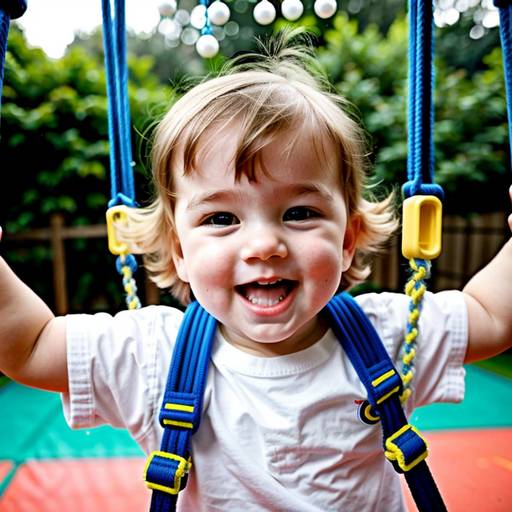
This lesson plan focuses on enhancing toddlers' gross motor skills through engaging swinging activities. Designed for children aged 2-4 years and lasting 30 minutes, it begins with a warm-up stretching routine using imaginative movements that encourage bodily readiness.
The lesson introduces swinging techniques, demonstrating how to swing safely and effectively. Children are divided into small groups based on their comfort levels, with supportive guidance provided for those who need it. Engaging games, such as swinging while attempting to kick a soft ball or reach for objects, enhance coordination and balance.
The session concludes with a cool-down period where children can reflect on their experiences and discuss their feelings about swinging. Overall, the plan promotes physical development, spatial awareness, and social interactions among toddlers. Safety measures are emphasized throughout the activities to ensure a secure and pleasant environment. Extensions to the lesson include incorporating storytelling and additional motor skill challenges to further enrich the experience.
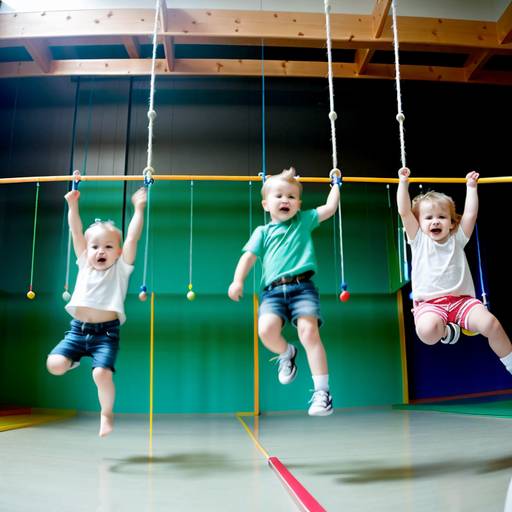
In this toddler lesson plan, young children will develop their gross motor skills, coordination, and balance through a series of interactive swinging activities. The session begins with an introduction to the concept of swinging, supplemented with visual aids. A warm-up involving gentle stretches prepares their bodies for movement.
Participants will then individually swing in bucket swings while practicing holding on and looking around to enhance their balance. As they gain confidence, they will use colorful scarves or ribbons while swinging to encourage creativity and hand-eye coordination.
A group game incorporates music, allowing children to swing and freeze when the music stops, helping them understand rhythm and movement. The lesson concludes with a cool-down routine, promoting relaxation and reflection on their swinging experience. Throughout the activities, careful supervision ensures safety and inclusion for all children, making it a fun and engaging session focused on movement and physical development.