
Filters
Level
Grade
Subject
Subject Area
Subject Topic
Standard(s)
Audience
Keyword
DurationMinutes
Toddler Lesson Plans

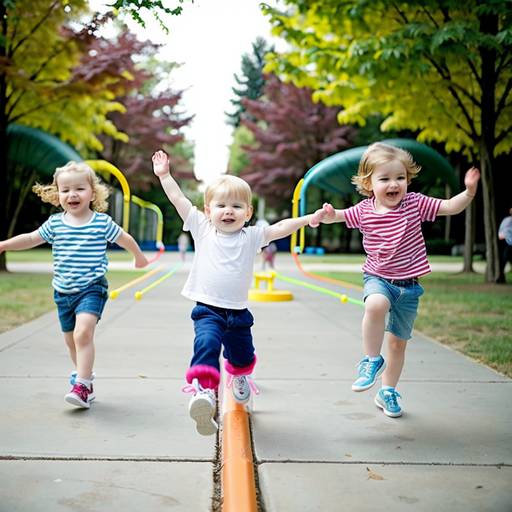
This lesson plan is designed for toddlers aged 2 to 4, focusing on developing gross motor skills through the fun activity of skipping. The session begins with a warm-up involving a lively movement song and simple stretches to prepare the children for physical activity. Next, a demonstration of skipping is provided, followed by individual practice where toddlers are encouraged to try skipping across a short distance. They will also engage in partner activities to promote teamwork.
An obstacle course is then set up, allowing children to navigate by skipping around cones and markers, reinforcing their newly acquired skills. The group activity features an upbeat music segment where toddlers are encouraged to skip freely, adding scarves for a creative visual element. Finally, there is a cool-down session with stretches and a reflection circle, allowing students to share their experiences and favorite moments from the lesson. Throughout the session, emphasis is placed on safety, encouragement, and making the experience enjoyable while fostering coordination and balance.
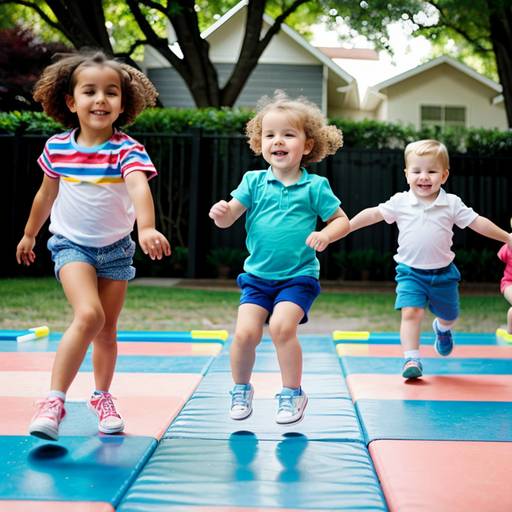
This lesson plan focuses on developing gross motor skills in toddlers through the activity of skipping. It aims to enhance coordination, balance, and rhythmic movement while promoting social interaction and cooperative play. The session begins with warm-up exercises, followed by an introduction to the skipping technique, where children practice the basic step-hop movement.
Participants engage in a guided activity along a marked skipping pathway and take part in fun games, including skipping races and freestyle skipping to music. The lesson concludes with a gentle ball retrieval activity combined with relaxation stretches, allowing children to cool down. Parents and caregivers are encouraged to continue practicing skipping at home, fostering skill development and enjoyment beyond the classroom. Throughout the lesson, educators will assess each child's ability and engagement, ensuring a safe and enjoyable learning environment.
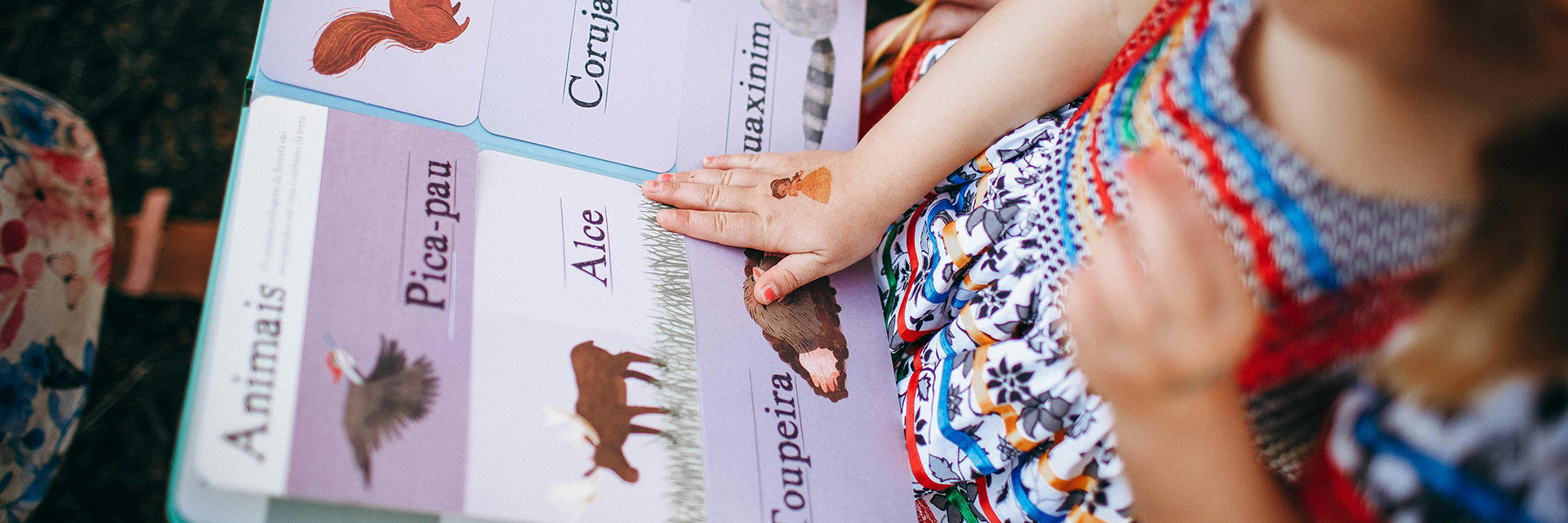
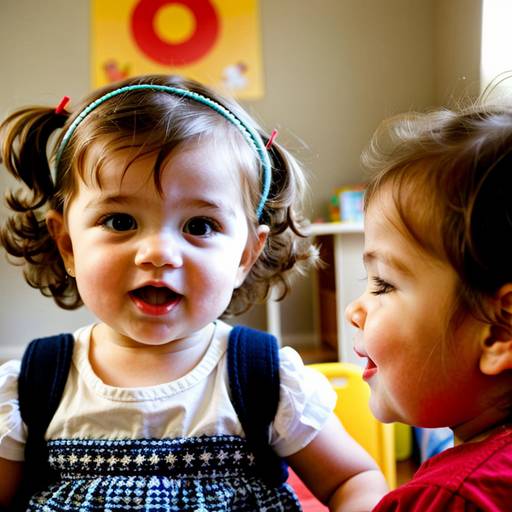
This lesson plan focuses on enhancing toddlers' listening and comprehension skills through engaging activities. It begins with a warm-up game where children guess various familiar sounds, fostering their auditory recognition. Following this, an interactive storytime session encourages participation as children answer questions and visualize characters through vivid illustrations. Musical activities allow toddlers to explore rhythm using colorful instruments while incorporating movement to facilitate deeper engagement. An imaginative play segment reinforces comprehension, where children share and mimic sounds associated with flashcards of animals or objects. The lesson concludes with a group discussion, allowing children to share their favorite sounds and reinforce vocabulary learned. Through diverse activities, this lesson aims to cultivate a love for listening and storytelling in young learners.
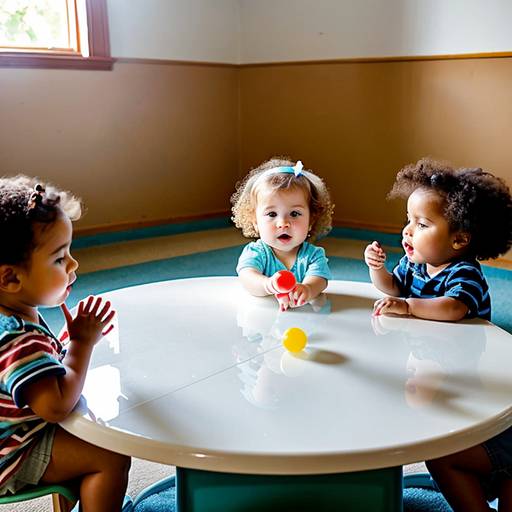
This toddler language development lesson plan focuses on enhancing phonemic awareness through engaging and interactive activities. The objectives include helping children recognize and manipulate sounds in spoken words while improving their listening skills and auditory discrimination.
The lesson begins with a warm-up song to capture the children's attention and introduces various sounds from their environment. Using a collection of household objects and toys, children learn to identify and mimic the sounds these items make. They then participate in a sing-along with musical instruments, emphasizing rhythm and rhymes.
Next, a sound matching game encourages children to connect pictures of familiar objects with their corresponding sounds, reinforcing memory and recognition skills. The lesson concludes with a calming reflection, where children share their favorite sounds and engage in a soft, interactive song.
Assessment is based on the children's ability to participate and mimic sounds throughout the activities. Extensions for the lesson encourage families to explore sounds together at home, further fostering phonemic awareness. Overall, the plan emphasizes playful exploration of sounds, essential for laying the groundwork for language and reading development.
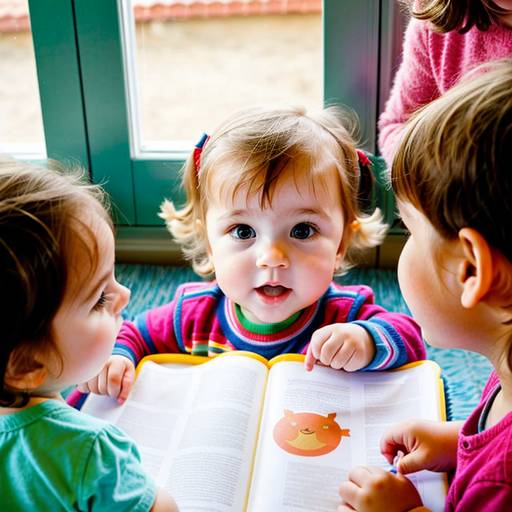
This lesson plan focuses on enhancing toddlers' listening and comprehension skills through interactive storytelling and sound identification activities. The session begins with a brief discussion about listening, encouraging children to share sounds they hear in their environment. A picture book with lively illustrations is read aloud, with pauses for questions to engage the children and prompt responses. Following the story, an audio game introduces various sounds, prompting children to identify and mimic them, reinforcing their understanding.
Hands-on exploration with toy musical instruments allows children to listen to a rhythm and imitate it, creating a lively atmosphere. The lesson concludes with a closing circle where children reflect on their favorite sounds and participate in a repetitive song. Assessment is based on observations of attentiveness, engagement, and participation throughout the activities. Extensions encourage continued listening practice at home and introduce a “sound jar” for future exploration. Overall, the lesson aims to cultivate a love for listening and strengthen comprehension skills in a fun, interactive environment.
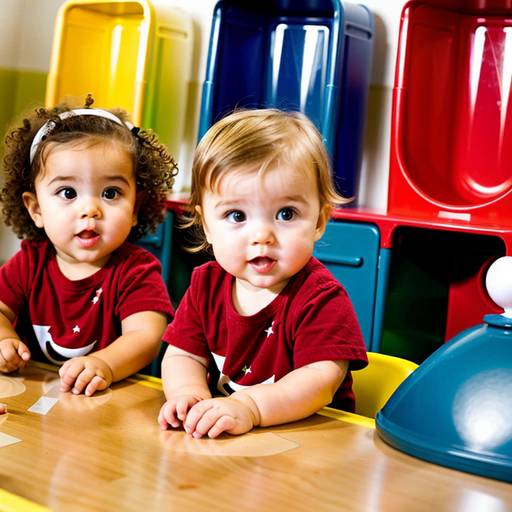
This lesson plan focuses on introducing toddlers to phonemic awareness through a series of engaging activities designed to promote sound recognition and production. The lesson begins with a fun sound exploration using sound jars to stimulate listening skills. Following this, toddlers participate in an interactive picture sound match, where they identify and replicate initial sounds of different objects and animals.
To add a physical element, a movement activity involves hopping to picture cards that correspond to specific sounds, reinforcing their learning through play. The session concludes with a calming sound storytime, where toddlers engage with a rhythmic story and participate in clapping or repeating sounds. The lesson emphasizes active participation, social interaction, and the development of foundational phonemic awareness skills, encouraging continued reinforcement at home through simple activities.

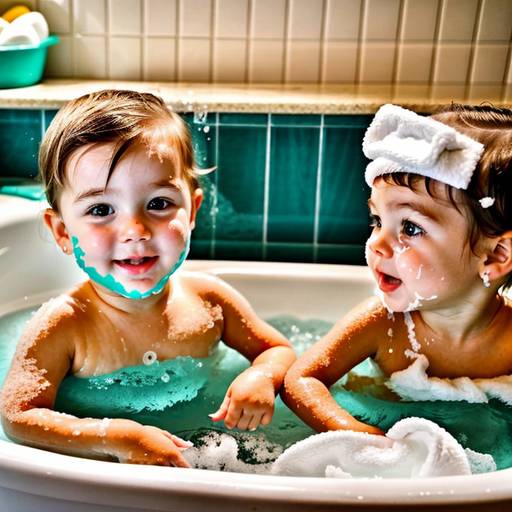
This lesson plan is designed for toddlers aged 2 to 4 to teach the importance of personal hygiene during bath time through engaging activities. The session begins with a circle discussion where children share their thoughts on bathing, followed by a story that emphasizes the fun of cleanliness. Visual aids illustrate the steps involved in a bath time routine, prompting participation from the students.
A hands-on activity allows children to practice washing plastic toys in a pretend bath station, reinforcing the skills learned. An art activity then invites them to create a “Bath Time Routine” poster, combining creativity with the lesson content. The session concludes with a review of key concepts and a fun song or rhyme to engage the children further. Assessment comes through observation during activities, as well as participation in discussions, helping to gauge the children's understanding of self-care related to bathing. Extension activities provide opportunities for parents to reinforce these lessons at home.
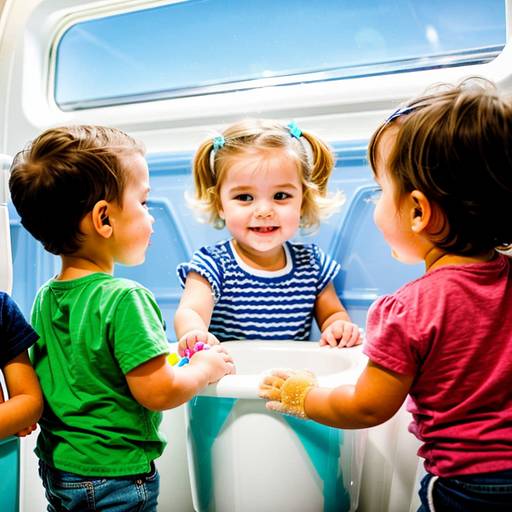
This lesson plan is designed for toddlers aged 2-4 and focuses on teaching the importance of hand hygiene, specifically through effective hand washing techniques. The session begins with a brief introduction to the significance of clean hands, encouraging children to share their thoughts on the topic. A fun, illustrated story about hand washing serves as the foundation, captivating the children's attention while reinforcing the concept.
Following the story, a demonstration of proper hand washing is conducted, highlighting each step from wetting the hands to drying them, accompanied by visual aids. Children then practice these techniques in a hands-on activity, receiving guidance and positive reinforcement as they learn.
To reinforce the lesson, children create their own hand washing charts using arts and crafts materials, which they can take home as a reminder of the steps learned. The session wraps up with a group discussion and a catchy hand washing song, ensuring the children leave with a clear understanding of how to keep their hands clean. The lesson encourages continued practice at home and provides parents with tips to make hand hygiene a fun and integral part of daily routines.
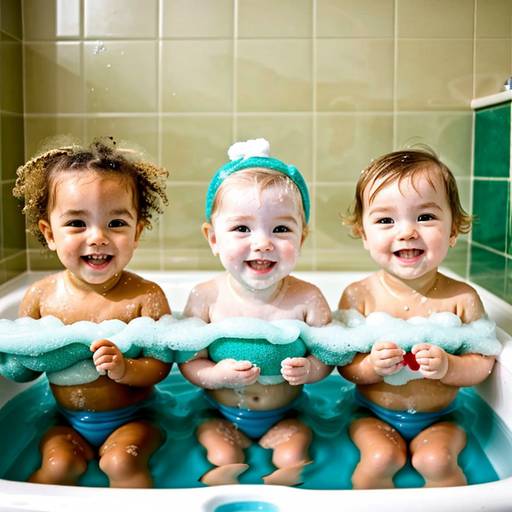
This engaging lesson plan focuses on teaching toddlers the importance of bath time as a part of their self-care and hygiene routine. The session begins with a discussion about their experiences with bath time, followed by a read-aloud of a relevant picture book to spark interest. Children will participate in a hands-on role-play activity using a toy bathtub, where they will learn and practice the steps involved in a proper bath, including washing and rinsing.
To reinforce learning, an illustrated chart will be presented, emphasizing the significance of each step. A fun clean-up song and dance will add energy to the lesson while providing an enjoyable way to remember the steps. The lesson will conclude with a wrap-up discussion, encouraging children to share their own experiences at home, reinforcing the lessons learned. Overall, this lesson aims to foster a positive attitude towards hygiene practices in a fun, interactive manner.

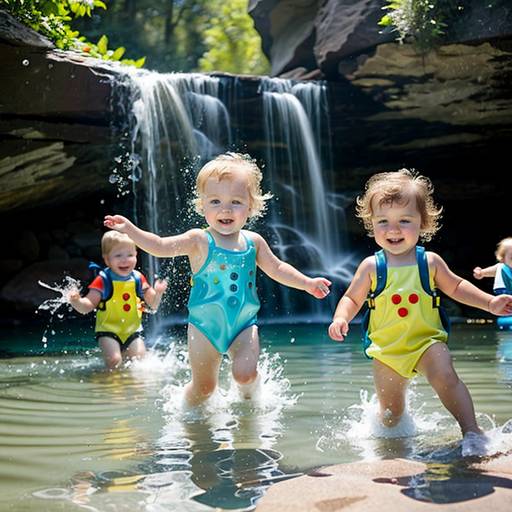
In this toddler-focused lesson plan, students will engage in hands-on exploration of water and its properties through various sensory activities. The session begins with an introductory discussion that encourages curiosity and connections to everyday life. Children will first explore a sensory table filled with water, where they can pour, measure, and observe how different natural items react in water. The activities then move outdoors or to a larger space for free play, where they can use various containers and tools to further investigate water, including interactive play with plastic animals or toys.
After the playtime, students will participate in a cleanup session, fostering teamwork and responsibility. The lesson concludes with a reflective circle, discussing their favorite parts of the activities and what they learned about water. To reinforce the exploration, a simple art activity related to the water theme allows children to express their creativity and share their experiences. The plan emphasizes sensory engagement, communication skills, and scientific curiosity, while also providing opportunities for language development and teamwork. As a follow-up, additional activities are suggested to extend the exploration of water and its various forms in future lessons.