
Filters
Level
Grade
Subject
Subject Area
Subject Topic
Standard(s)
Audience
Keyword
DurationMinutes
Toddler Lesson Plans

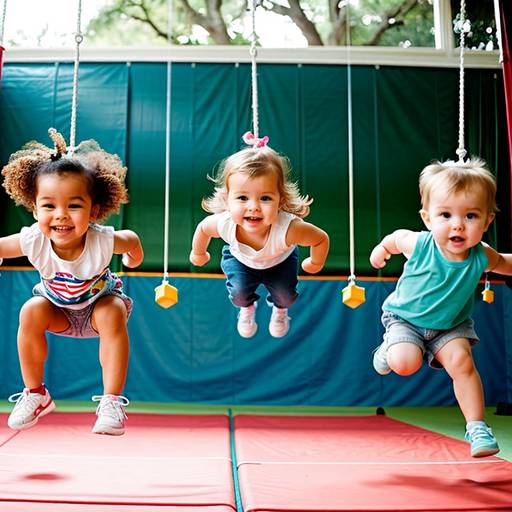
This lesson plan focuses on enhancing toddlers' gross motor skills through engaging swinging activities. Designed for children aged 2-3, the session lasts 30-45 minutes and aims to develop strength, balance, coordination, and spatial awareness.
The lesson begins with a fun introduction to swinging, followed by a warm-up that includes mimicking swinging motions while moving in a circle to lively music. Children then have the opportunity for individual swinging time, where they can practice pumping their legs and feeling the joy of being in the air. Group swinging encourages social interaction and cooperation as they hold hands while swinging together.
To further develop their motor skills, toddlers participate in a ball toss while seated on the swings and walk while balancing lightweight scarves on their heads. The session concludes with a group reflection where children express their feelings about swinging, complemented by a gentle cool-down stretching routine that mimics swinging movements.
Safety measures are emphasized throughout the activities, ensuring constant adult supervision and age-appropriate equipment. This playful exploration allows toddlers to build essential gross motor skills in a fun and supportive environment.
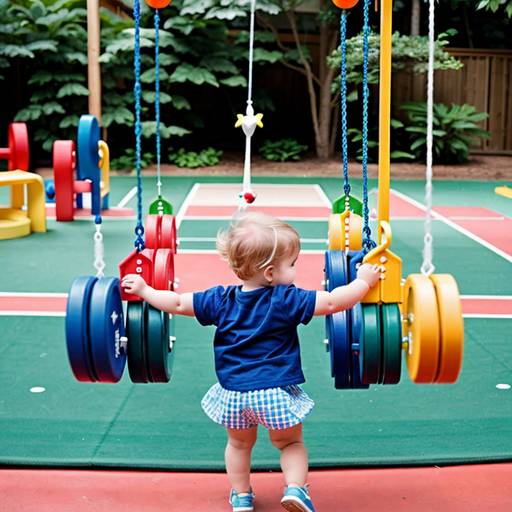
This lesson plan aims to enhance gross motor skills in toddlers through exciting and engaging swinging activities. The session is designed for children aged 2-3 years and lasts for 30 minutes, taking place on a playground or in an indoor playroom equipped with toddler-friendly swings.
The lesson begins with a warm-up involving simple stretches and movement songs to prepare the children physically and mentally. Following this, an introduction to swinging is given, demonstrating safe entry and exit techniques.
The core of the lesson consists of free swinging, allowing children to explore swinging at their own pace, as well as structured games that reinforce coordination and teamwork through activities like counting swings and passing balls while swinging. A group activity utilizing a parachute fosters cooperation and adds an element of fun by simulating swinging motions.
The class concludes with a cool-down session featuring gentle stretching and a sharing circle where children reflect on their favorite moments from the lesson. Emphasis on safety is maintained throughout, with close supervision and a focus on safe practices around the swings. This lesson not only promotes physical development but also encourages social interaction and joyful experiences among toddlers.
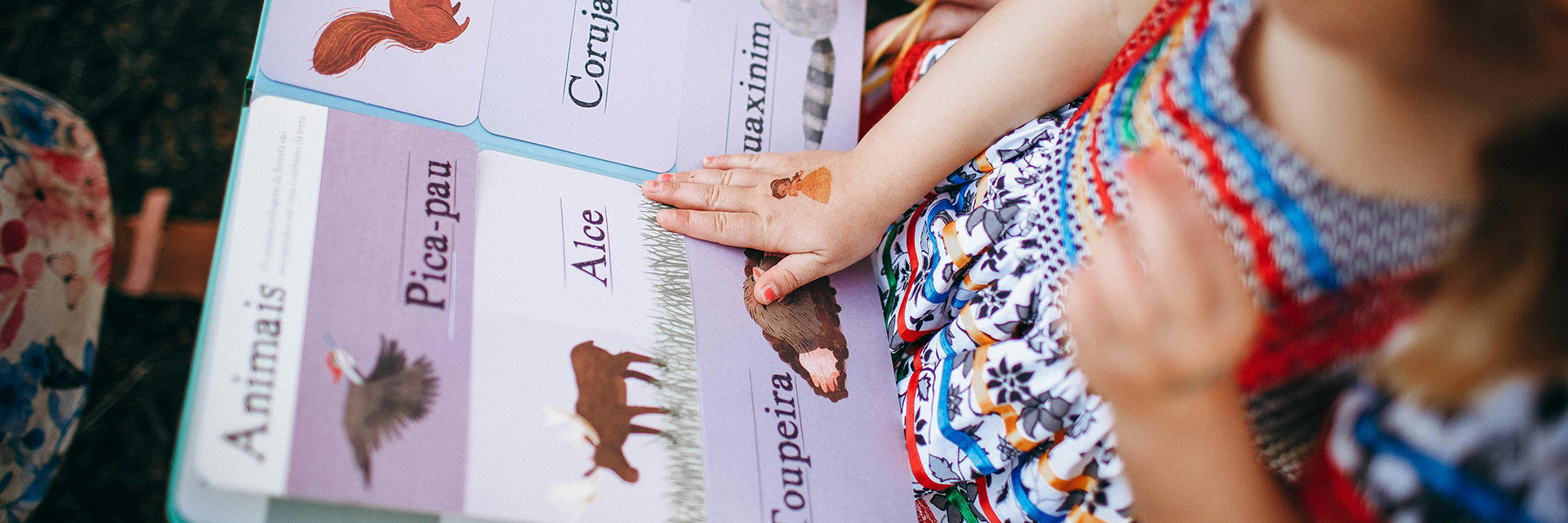
This lesson plan focuses on enhancing toddlers' narrative skills through a series of engaging storytelling activities. The session begins with an interactive story reading, designed to capture the children’s attention and encourage them to think about the story's flow. Following this, interactive storytelling allows children to use props to act out characters, fostering creativity and expression.
Next, the group collaborates on a story sequence activity using illustrated cards to help children learn about story structure while sharing their ideas. The lesson transitions to a creative expression segment where toddlers draw their favorite story elements, providing an opportunity for verbal sharing and communication.
The session concludes with a recap of what was learned about stories, complemented by a fun, themed song. Throughout the lesson, children are encouraged to participate actively, fostering both comprehension and expression of narrative skills in a supportive environment. Adaptations are included to cater to diverse learning styles, ensuring all toddlers can engage with the material effectively.
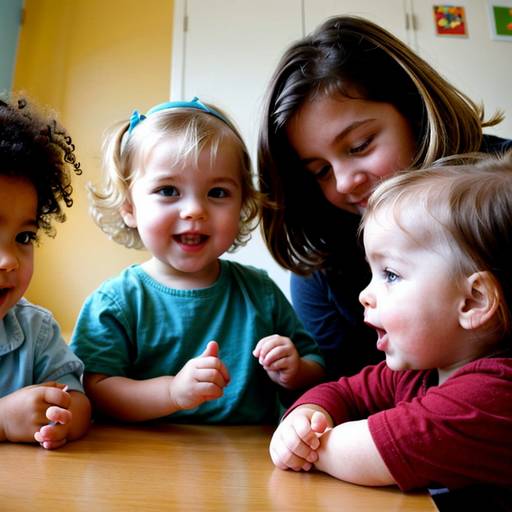
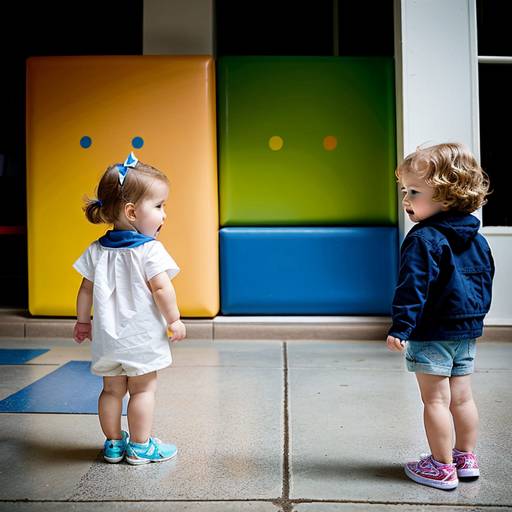
The lesson plan aims to enhance toddlers' conversation skills through interactive activities designed to promote listening, turn-taking, and expressive language. Activities include reading a lively picture book and encouraging open-ended discussions, using conversation cards to spark dialogue about images, and engaging in imaginative play with toy phones to practice greetings and sharing. Additionally, toddlers will collaborate in building projects with colorful blocks, further fostering communication and teamwork. The session concludes with a group reflection on learned concepts and encourages caregivers to continue practicing these skills at home. Assessment focuses on observing children's participation and dialogue during activities.
This lesson plan centers on enhancing communication skills in toddlers through engaging, play-based activities. Designed for children aged 2-4 years, the session lasts 30-45 minutes and accommodates a small group of 4-8 children.
The plan includes various components such as vocabulary building using picture flashcards, interactive storytime, puppet play for expressive language, and an art activity where children create and describe their artwork. The session starts with a welcoming introduction, followed by activities that foster vocabulary expansion, encourage expressive language through dialogue, and promote social interaction through turn-taking.
Throughout the lesson, educators observe and provide feedback to assess each child's engagement and language development. The conclusion features a sharing circle, allowing children to express what they learned and build confidence in their speaking abilities. Extensions like a Communication Corner and a planned "Show and Tell" offer opportunities for continued practice. Overall, this lesson plan aims to create a lively environment that supports toddlers in developing essential communication skills through fun and interaction.

The lesson focuses on helping toddlers identify and manage their emotions through engaging activities that promote self-regulation. The session begins with an introduction where children explore various emotions using flashcards, followed by a story that encourages discussion about feelings.
Next, participants take part in an emotion exploration activity, where they express feelings through movement and body language. This is complemented by a self-regulation segment that introduces calming techniques, incorporating sensory experiences like interacting with water.
Children then engage in creative expression by representing emotions through playdough or drawings and sharing their creations with the group. The lesson concludes with a closing circle where each child shares their feelings experienced during the session. This approach fosters emotional awareness and equips children with strategies to manage their emotions effectively in a fun, supportive environment. The plan allows for ongoing emotional exploration through follow-up activities, promoting a lasting understanding of feelings.

In this toddler music and movement lesson, young children will explore the concept of rhythm through engaging activities designed to enhance their coordination and listening skills. The session begins with a welcoming circle, incorporating a cheerful song to draw attention.
Following a movement warm-up, children will practice clapping and stomping patterns to understand beat. They will then have the opportunity to interact with a variety of musical instruments, creating their own rhythms while playing along to familiar tunes.
The lesson includes an imaginative game where children imitate animal sounds paired with specific rhythmic patterns, further reinforcing their understanding of rhythm in a fun way. Finally, the session concludes with a calming cool-down period featuring gentle stretches and reflection on the day's activities. The assessment focuses on participation and engagement, providing insights into each child's connection to rhythm and music. Extension activities could include a performance for parents or rhythmic storytelling sessions.
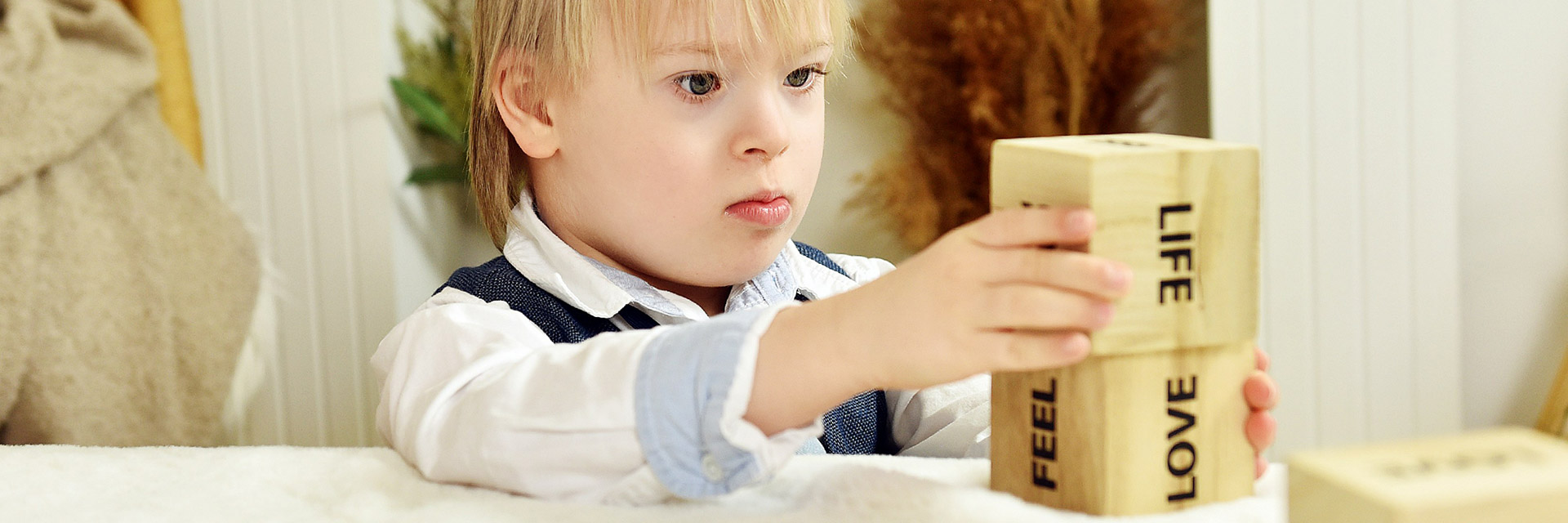
This lesson plan focuses on enhancing toddlers' problem-solving abilities and social skills through interactive activities. The session begins with a group discussion about problem scenarios, encouraging children to express their thoughts and solutions. Following this, a story is read to illustrate collaborative problem-solving, allowing children to reflect on the characters’ experiences.
Next, toddlers engage in a group activity where they work together to build a shelter for toy animals using soft blocks, promoting teamwork and communication. This is followed by a puzzle activity where children learn to collaborate and think critically to complete it.
The lesson culminates in a creative expression segment, where children draw their own problem-solving experiences and share them with the group. Throughout the session, the instructor observes interactions to assess cooperation and communication skills. The overall aim is to foster teamwork, encourage kindness, and develop essential communication skills in a playful and engaging environment.
The lesson plan focuses on teaching toddlers the value of cooperation through interactive activities designed to enhance teamwork, sharing, and collaborative problem-solving. The class begins with a warm circle time where children discuss cooperation and enjoy a story about friendship and teamwork. Following the story, students participate in a cooperative art project, where they work together to create a mural, emphasizing the importance of each child’s contribution.
Next, a teamwork game called "Pass the Ball" is played, encouraging gentle passing and sharing among peers. This is followed by a role-play activity where groups collaborate on simple scenarios that require teamwork, allowing them to practice communication and support for one another.
The lesson concludes with a closing circle where children reflect on their experiences and share what they appreciated about working together. Optional follow-up activities encourage families to engage in cooperative tasks at home. Throughout the session, children are observed for their interaction and willingness to cooperate, reinforcing positive behaviors with affirmations and encouraging a sense of community among peers.
The lesson plan focuses on teaching toddlers about personal boundaries and the concept of personal space. Through engaging activities, children will learn to recognize their own space and understand the importance of respecting others' boundaries.
The session begins with a discussion about personal space, using visual aids like hula hoops to illustrate the idea of a "Friendship Circle." Children participate in a movement game where they find their circles in response to music, emphasizing the feelings associated with personal space and the challenges of sharing it with friends.
To reinforce their understanding, children will draw their own "Friendship Circle" on a large paper, allowing for a creative expression of their individual boundaries. The lesson culminates with a group discussion and a fun song that reinforces the concepts of respect and togetherness.
Throughout the activities, caregivers can observe the children's interactions to assess their grasp of personal space, and parents are encouraged to continue reinforcing these concepts at home. The lesson aims to foster an understanding of boundaries while promoting positive social interactions among peers.