
Filters
Level
Grade
Subject
Subject Area
Subject Topic
Standard(s)
Audience
Keyword
DurationMinutes
Toddler Lesson Plans
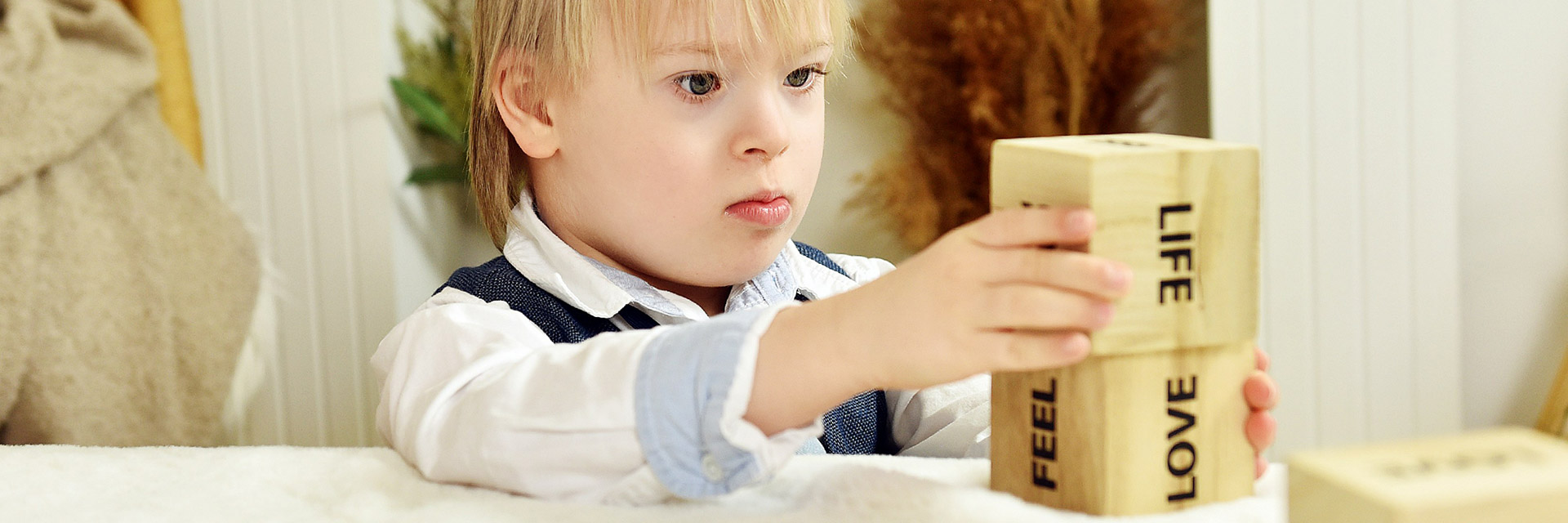
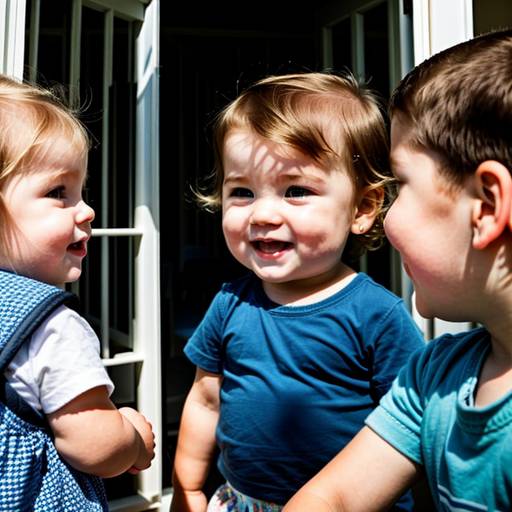
This lesson plan focuses on helping toddlers recognize and understand their own emotions and those of others, cultivating empathy and kindness. The session begins with a group circle, where children are introduced to various emotions through flashcards and are encouraged to mimic the corresponding facial expressions. A mirror activity allows them to explore their own emotions by making faces and discussing how they feel.
Following a storytime segment, where a book about emotions is read, children engage in role-playing scenarios with plush toys to express feelings and demonstrate empathy by suggesting ways to help. An art activity follows, where students draw moments related to different emotions, sharing their work with the group.
The lesson concludes with a group reflection about what they learned regarding feelings and kindness, reinforced with a collective “kindness chant.” Assessment involves observing children's participation and their ability to express emotions during the activities, while follow-up suggestions encourage parents to discuss feelings with their children at home. The approach emphasizes a supportive environment where children can freely express their emotions and learn the importance of caring for others.
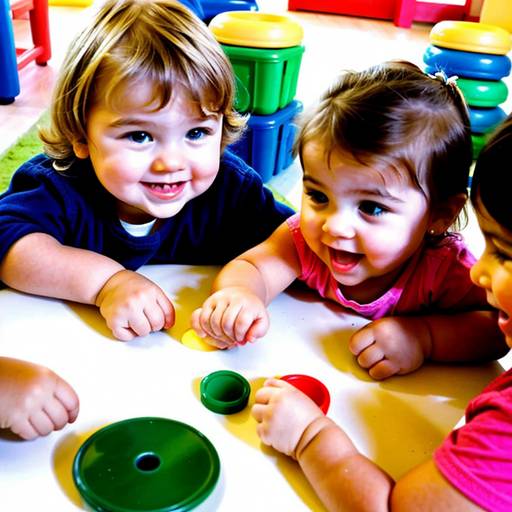
The lesson plan focuses on teaching toddlers the concept of cooperation through a variety of interactive activities. It aims to help children understand how to share, take turns, and work together towards common goals while enhancing their communication and social interaction skills. The session begins with an introduction to cooperation, followed by an icebreaker activity where children pass a soft ball while holding hands. Participants then engage in partner activities by constructing towers with building blocks, which fosters teamwork as they share and build together. They progress to solving puzzles in small groups, reinforcing the importance of collaboration through shared efforts. A creative group art project allows children to express themselves while cooperating on a larger piece, culminating in a closing circle where they reflect on their experiences. The lesson emphasizes observation and assessment of children's interactions to gauge their understanding of cooperation and guide future lessons. Extensions include storytime to further reinforce the theme of friendship and collaboration. Overall, the lesson provides a fun, structured approach to developing social skills in young children.

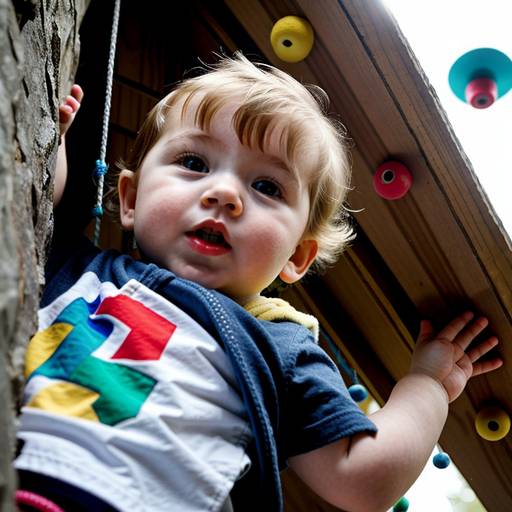
In this toddler-focused lesson plan, children engage in a series of climbing activities designed to enhance their gross motor skills, coordination, balance, and strength. The session begins with a brief introduction to climbing, followed by a fun warm-up to prepare their bodies for movement. Children rotate through several stations, including soft foam blocks for climbing, tunnels made from hula hoops, balancing beams, and a safe climbing wall (if available). Each station encourages exploration and the development of climbing skills through guided activities.
A climbing challenge is incorporated, allowing children to take turns and celebrate their achievements with cheers from their peers. The session concludes with a cool-down period where children reflect on their experiences and share their feelings about climbing. A playful song reinforces the themes of the lesson, and the children receive praise for their participation. Safety remains a priority throughout the activities, ensuring a supportive environment for skill development and social interaction.

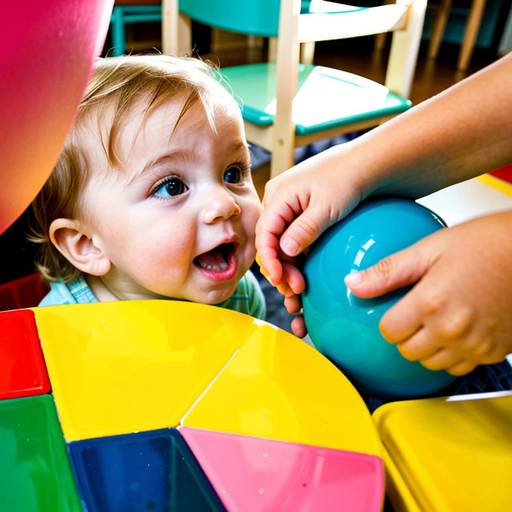
This toddler lesson plan focuses on helping young learners identify and name basic colors and shapes through engaging activities. The session begins with a welcome circle, where colorful shape cutouts are introduced, encouraging repetition and participation. A story time follows, using a picture book to reinforce vocabulary and spark discussions about familiar colors and shapes.
Students then take part in a hands-on sorting activity, where they classify shape cutouts by color into designated boxes, promoting active learning and collaboration. Following this, creative expression is encouraged through an art project where each child draws their favorite shape in their favorite color, fostering individual creativity while practicing color and shape recognition.
The lesson concludes with a closing circle, allowing students to share their artwork and describe it, reinforcing their understanding of the concepts taught. Throughout the session, observation of participation and verbal exchanges will help assess individual progress. An extension activity involving a scavenger hunt offers further opportunities for exploration and application of the concepts in a dynamic environment.
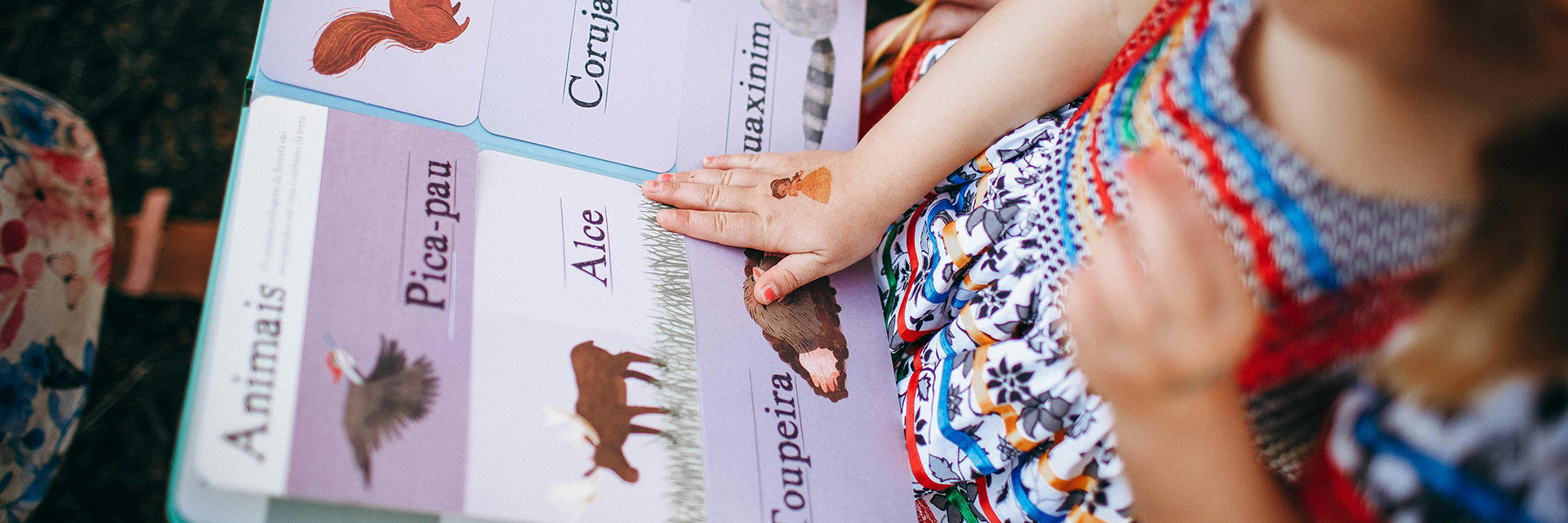
This lesson plan focuses on enhancing vocabulary acquisition for toddlers aged 2-3 years through engaging and interactive activities. It begins with a welcoming circle time where children are introduced to new words related to their surroundings, such as common objects and actions. An interactive game encourages toddlers to identify and describe items from a basket, promoting word recognition and sentence structure. A story time component utilizes a soft fabric book to reinforce vocabulary through illustrations and sound effects.
Musical activities incorporate movement and song to further engage the children while allowing them to practice the vocabulary in a fun way. An art activity culminates the lesson, where toddlers can express their understanding by drawing their favorite objects or animals and sharing their creations. The lesson concludes with a recap of the vocabulary learned and positive reinforcement for participation. Parents are provided with follow-up resources to support vocabulary development at home. Overall, the lesson emphasizes a hands-on, sensory-rich approach to learning new words in a supportive environment.

This lesson plan is designed for toddlers aged 2-4 and focuses on teaching the concepts of empathy and understanding others. The activities aim to help children identify and express emotions through interactive methods. The session begins with a circle time where children engage with emotion flashcards, mimicking expressions and sharing personal experiences. A storybook related to empathy is then read, prompting discussions about feelings and character actions.
The lesson includes a role-playing activity utilizing stuffed animals or dolls, allowing children to act out different emotional scenarios and practice providing empathetic support. An art activity follows, where children create drawings reflecting happy and sad moments in their lives, promoting sharing and connection within the group.
The session concludes with a reflective discussion, where children use a mirror to explore how their facial expressions can convey care and kindness. A kindness challenge encourages children to commit to an act of kindness before leaving. Throughout the lesson, emphasis is placed on recognizing and responding to emotions, fostering a supportive community atmosphere.
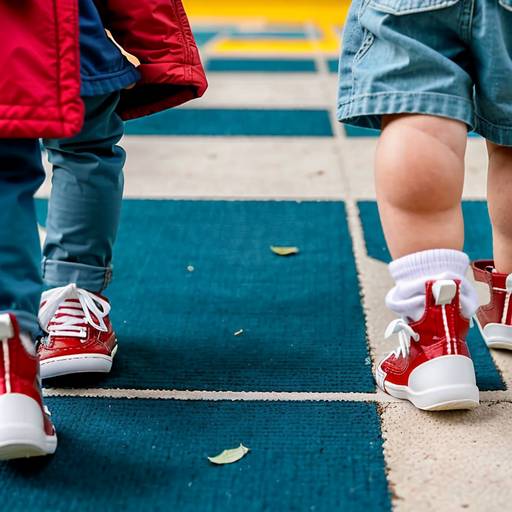
In this toddler lesson plan, students will explore the concept of empathy through interactive and engaging activities. The session begins with a circle gathering where the instructor introduces the idea of understanding and caring for others' feelings. A storybook featuring characters with various emotions sets the stage for discussion, encouraging children to express how characters feel and share their own experiences.
The lesson includes an activity using emotion flashcards, where toddlers learn to identify and mimic different feelings while discussing how they can support friends experiencing those emotions. A role-playing segment allows children to act out scenarios, using props to portray characters and practice empathetic responses.
To further reinforce the lesson, children engage in a creative drawing activity, illustrating what brings happiness to themselves or others. The session concludes with a group reflection, summarizing what they learned about feelings and kindness. The use of puppets during the closing circle adds an enjoyable touch while reinforcing empathetic messages. Overall, this lesson aims to foster an understanding of empathy among toddlers in a supportive and playful environment.

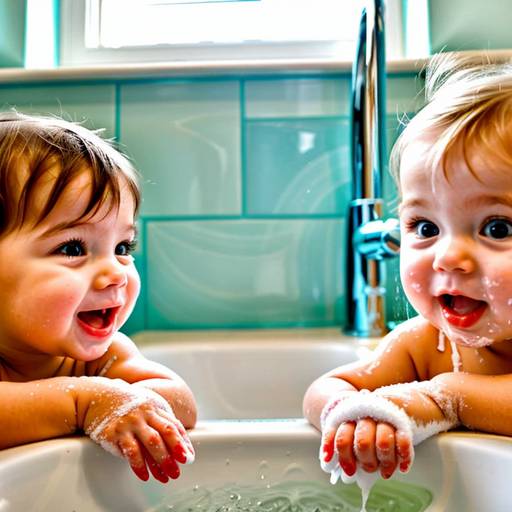
This lesson plan focuses on teaching toddlers the importance of hand washing and the correct techniques involved in maintaining hygiene. The session begins with a circle time discussion about hands, allowing children to express what they do with them, followed by an explanation of how hand washing helps prevent illness by removing germs.
The instructor demonstrates proper hand washing steps using a sink or a visual aid, which include wetting hands, applying soap, lathering for at least 20 seconds, rinsing, and drying. Children then practice washing their hands under supervision to reinforce the steps. A fun hand washing song or rhyme is taught to engage the children and make the learning experience enjoyable.
The lesson concludes with a recap of key learning points, encouraging children to share when they should wash their hands. Each child receives a sticker or stamp as a reward for their participation. The plan emphasizes hands-on practice, interactive learning, and positive reinforcement to foster good hygiene habits among toddlers.

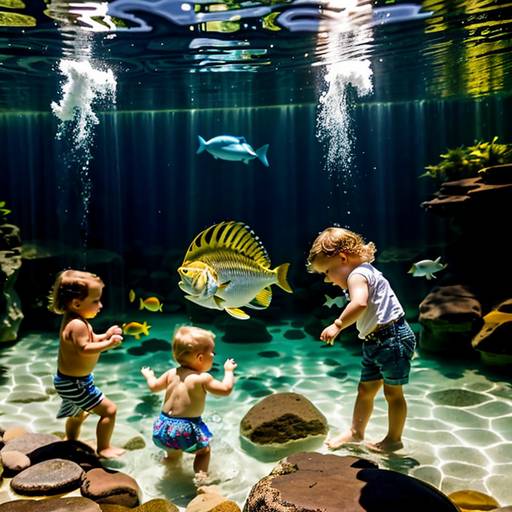
This lesson plan focuses on introducing toddlers to the properties and significance of water through hands-on exploration and sensory activities. It begins with a circle time to read a nature-themed story that emphasizes the role of water, followed by a water exploration station where children engage in pouring, scooping, and experimenting with floating and sinking objects. They will also create a miniature water habitat with plastic animals and natural items. The lesson includes a sensory play area featuring water painting and ice exploration, encouraging the use of descriptive language. Finally, the session concludes with a group reflection to share experiences and reinforce learning, followed by a collaborative cleanup to teach responsibility. Extension activities are suggested, such as creating a recycled water feature or planning a nature walk to observe real aquatic environments. Overall, the lesson aims to foster curiosity and a love for nature while enhancing sensory play and language development.
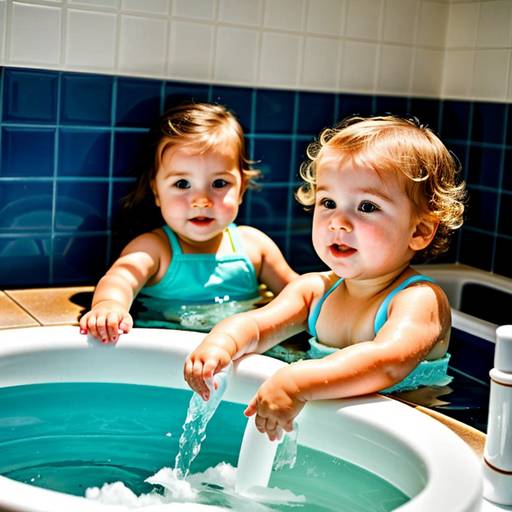
This lesson plan focuses on teaching toddlers the importance of bath time and personal hygiene through interactive activities. Beginning with a group discussion to engage students' understanding of bath routines, the lesson includes a storytime segment featuring a book about bath time experiences, encouraging participation and comprehension.
Following this, children enjoy a supervised water play activity where they can practice washing toys, reinforcing the concept of cleanliness in a playful manner. A brief discussion then highlights the significance of using soap and shampoo during baths.
To further enhance their learning, toddlers will create art representing their favorite bath activities, promoting creativity and expression. The session concludes with a wrap-up discussion, allowing children to share their experiences and reflections on the lesson.
Overall, the plan aims to foster positive attitudes towards self-care and hygiene while providing a fun and engaging learning environment. A follow-up activity encourages parents to support their child’s hygiene routine at home.