
Filters
Level
Grade
Subject
Subject Area
Subject Topic
Standard(s)
Audience
Keyword
DurationMinutes
Toddler Lesson Plans

This lesson plan focuses on introducing toddlers to various types of weather, including sunny, rainy, windy, and snowy conditions. The session begins with an interactive discussion using picture cards, encouraging children to identify and share their favorite weather types. Following a story time that relates to weather changes, children engage in sensory activities such as creating clouds with cotton balls and experiencing "rain" using spray bottles.
To further explore the concept of wind, children feel the breeze from a fan and can play with balloons to illustrate this element. The lesson includes a creative movement segment where children mimic different weather conditions through dance, accompanied by thematic music to enhance engagement.
The session concludes with a group discussion, allowing children to express their favorite activities and reflect on their learning. Assessment is based on participation, expression of preferences, and the ability to identify weather types. Additionally, follow-up activities include a weather tracking chart and an outdoor exploration day to observe real-time weather conditions. Overall, this lesson promotes hands-on learning through play and creativity while fostering observational skills.

In this engaging lesson plan designed for toddlers aged 2-4 years, students are introduced to the concepts of colors and shapes through hands-on activities focused on color mixing. The lesson begins with a discussion where children identify primary colors and learn about mixing them to create new hues. A color mixing demonstration follows, where students observe how combining colors transforms them.
Next, each child engages in a hands-on activity using primary colored paints to experiment with mixing, encouraging creativity and exploration. They also color worksheets featuring simple shapes, reinforcing their understanding of both colors and shapes.
The lesson concludes with a clean-up session and a group discussion, allowing children to share their experiences and insights. Optional extensions provide opportunities for continued exploration of color mixing and shape recognition throughout the week, fostering a vibrant and interactive learning environment that promotes cognitive development and fine motor skills.

This lesson plan focuses on enhancing gross motor skills for toddlers through a series of engaging tumbling activities. Designed for children aged 18 months to 3 years, the lesson lasts for 30 minutes and emphasizes body awareness, spatial orientation, and social interaction.
The session begins with an introduction and a fun song to warm up the children, followed by a series of rotating activity stations that include rolling and crawling on mats, hopping between hula hoops, balancing on foam blocks, and using scarves for dynamic movement. Each station allows toddlers to explore their physical abilities in a safe and playful environment.
After the individual activities, the group participates in a "tumbling train," which fosters cooperation as they navigate an obstacle course together. The lesson concludes with a calming cooldown period where children can reflect on their experiences. Throughout the session, observers will assess the children's engagement, participation, and ability to follow directions, ensuring that safety remains a top priority.

This lesson plan is designed for toddlers aged 1-3 and focuses on encouraging self-expression through movement and dance in a fun, engaging environment. The session begins with a welcoming circle and a cheerful greeting song to set a positive tone. After a warm-up featuring animal movements and simple stretches, children are invited to explore movement freely with various lively music while using colorful scarves to enhance their experience.
The plan includes a group dance activity where a simple choreographed routine is introduced, helping toddlers practice coordination and rhythm. Following this, children can play small musical instruments while dancing, fostering a connection between music and movement. To conclude, a cool-down period with gentle movements is implemented, allowing toddlers to relax and reflect on their experience. Teachers will assess participation and engagement throughout the lesson, with extensions like including parents in a final group dance to strengthen community ties. Overall, this plan promotes joy, creativity, and social interaction through dance.
This lesson plan is designed for toddlers aged 18 months to 3 years, focusing on sensory exploration through music and movement. Over a 30- to 45-minute session, children will engage in various activities that promote auditory and tactile development while fostering gross motor skills and social interaction.
The session begins with an introduction where children can pick instruments and participate in a warm-up song incorporating actions. Next, toddlers will rotate through sensory stations featuring musical instruments and textured items, allowing them to explore sounds and textures freely.
Following this exploration, the group comes together for a movement activity using a large parachute, encouraging cooperative play and rhythm. Afterward, children will have the opportunity to dance with scarves, expressing themselves through movement and creativity.
To conclude, calming bubble play allows for a quiet transition, where toddlers can pop bubbles while enhancing their coordination. The lesson wraps up with a circle time for reflection, where the children can share their favorite sounds and movements.
This engaging lesson encourages sensory experiences, promotes development, and provides a foundation for continued exploration of music and movement in future activities.
This toddler-focused lesson plan aims to enhance coordination skills through engaging music and movement activities designed for children aged 2 to 4. The session begins with a lively introduction that encourages rhythm and body awareness. Following that, children participate in a warm-up activity using colorful scarves, promoting movement and creativity.
The lesson features animal-themed movements that help toddlers explore different actions while strengthening their coordination. Incorporating hula hoops adds an element of fun and balance challenges. A free dance party allows children to express themselves and showcase their favorite movements, fostering confidence and enjoyment.
Finally, the lesson concludes with a cool-down period involving gentle stretches and a reflective moment where children can share their experiences. Throughout the session, positive reinforcement and encouragement are emphasized to create a joyful environment that nurtures a love for music and movement.

This lesson plan focuses on developing toddlers' fine motor skills through engaging finger dexterity activities. It includes a variety of hands-on experiences designed to enhance hand-eye coordination, promote sensory exploration, and foster creativity.
The session begins with a sensory exploration activity where children interact with a textured sensory bin, encouraging them to dig and manipulate materials. This is followed by hands-on experiences with small manipulatives and challenges using clothespins, which help strengthen their pinching and grasping skills.
Next, the children engage in play dough activities, allowing them to squeeze, roll, and create various shapes. They then transition to finger painting, providing an opportunity for artistic expression while practicing finger movements.
The lesson wraps up with a musical movement activity that incorporates shaking instruments, promoting rhythm and coordination. Throughout the session, children are encouraged to share their thoughts and experiences, reinforcing their learning and enhancing their motor skills in a fun and interactive environment. Observations are made to document each child's engagement and skill development during the activities, ensuring a comprehensive approach to building fine motor abilities.
This lesson plan focuses on enhancing the gross motor skills of toddlers through coordination activities. Aimed at children aged 2-3, the 30-minute session incorporates a variety of engaging movement-based exercises designed to promote physical development and social interaction.
The lesson begins with a lively introduction that sets the theme for movement, followed by a warm-up activity that encourages rhythmic movement and body awareness. Students then participate in four activity stations, each targeting different coordination skills, including hopping, ball rolling, bean bag tossing, and rolling on mats.
After the main activities, the group comes together for a coordinated movement exercise that emphasizes creativity and rhythm. The lesson concludes with a cool down that incorporates gentle stretching and calming breathing exercises. Throughout the session, educators will observe participation and provide positive reinforcement to encourage active engagement while reinforcing the enjoyment of physical movement.
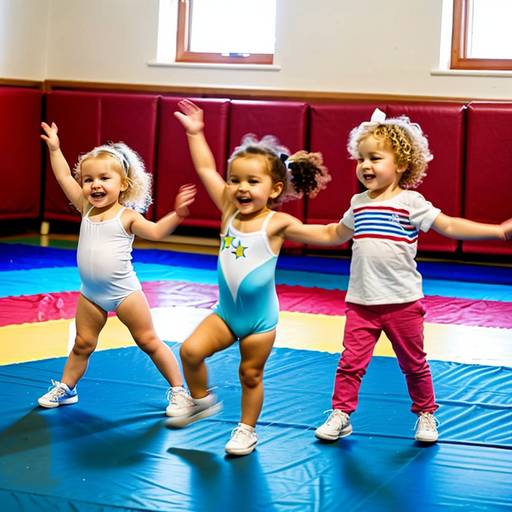
This lesson plan focuses on engaging toddlers in music and movement through fun and creative dance activities. The session begins with a welcoming circle where children are introduced to the day's theme. A gentle warm-up is incorporated to prepare their bodies for movement, followed by a lively dance party featuring various upbeat songs. During the dance, children are encouraged to explore their movements by imitating different animals and using colorful scarves for additional creativity. A group dance activity simplifies coordination as they follow along with familiar actions to popular songs. The session concludes with a calming cool-down and a group reflection where children share their favorite moments. Finally, the lesson wraps up with a cheerful goodbye song, reinforcing the joy of movement and expression. Throughout the activities, the children develop motor skills, rhythm, and a sense of creativity in a playful and supportive environment.
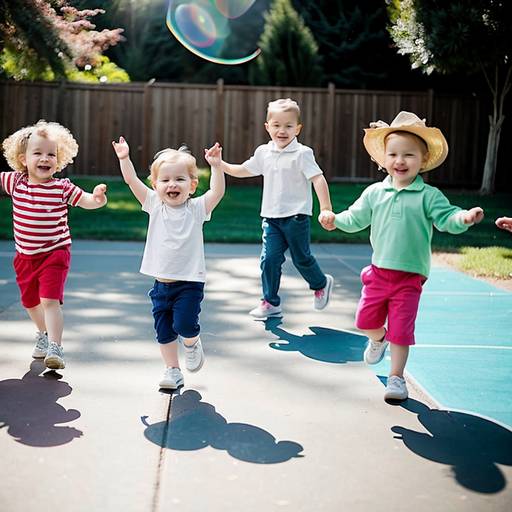
This toddler music and movement lesson focuses on enhancing gross motor skills and encouraging imaginative expression through creative movement activities. The session begins with a warm-up that incorporates gentle stretches and body wiggles to engage the children. Following the warm-up, participants will embark on a series of interactive movement activities. They will mimic animals through movement and sound, allowing them to explore their physicality and creativity. Next, they will dance with scarves or ribbons, promoting self-expression and coordination by twirling and swirling to lively music. The lesson includes a freeze dance segment where children can dance freely and practice self-control by freezing when the music stops. Finally, the session concludes with a calming cooldown period involving light stretches and deep breathing to help transition the children back to a relaxed state. Throughout the lesson, teachers will assess participation and engagement, ensuring a fun and supportive environment for all learners.