
Filters
Level
Grade
Subject
Subject Area
Subject Topic
Standard(s)
Audience
Keyword
DurationMinutes
Toddler Lesson Plans

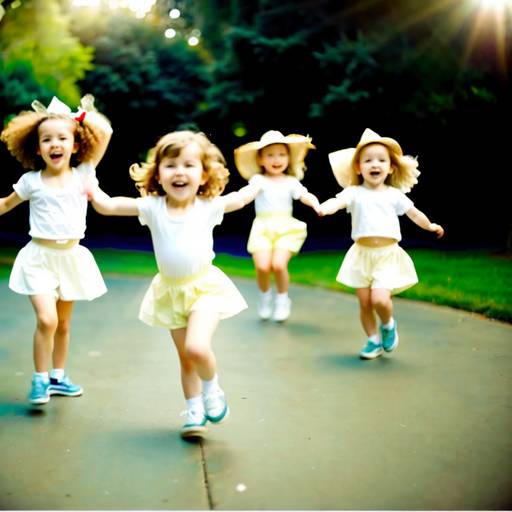
This toddler music and movement lesson focuses on introducing basic rhythm concepts through engaging activities designed for young children aged 2 to 4. The session begins with an interactive warm-up, encouraging children to shake and move to lively music, fostering a sense of rhythm. Participants explore various percussion instruments, engaging in call-and-response exercises that promote listening and imitation skills.
Throughout the lesson, children enjoy a movement activity that features different musical tempos, encouraging free expression through dance and incorporating a "freeze dance" game for added fun. The use of scarves or ribbons allows for further exploration of rhythm as children wave and move their props in response to music, enhancing their gross motor skills and creativity.
The session concludes with a calming cool-down period where children reflect on what they enjoyed most, fostering communication and self-expression. A fun goodbye song ties the lesson together, reinforcing rhythmic concepts while giving children an opportunity to participate actively. The activities are designed to assess children's understanding of rhythm while ensuring an enjoyable and energetic learning atmosphere. Extensions suggest incorporating family involvement and visual aids for further exploration of musical diversity.
This lesson plan focuses on introducing toddlers to the basics of music appreciation through interactive activities that promote movement, rhythm, and sound exploration. The session begins with a welcome circle where children are introduced to various musical instruments, encouraging curiosity and hands-on experience.
Participants engage in an instrument discovery phase, experimenting with sounds, followed by a rhythm clapping game that fosters listening and coordination. The lesson includes movement activities set to music, allowing children to express themselves through dance and follow simple instructions, using colorful scarves to enhance engagement.
Additionally, a sound safari activity encourages children to listen attentively to various recorded sounds and mimic or identify them, further developing their auditory skills. The lesson concludes with a closing circle where children can share their favorite instruments or activities, reinforced by a gentle song.
Overall, the plan aims to cultivate musical interest, enhance physical coordination, and strengthen listening skills through fun and interactive methods tailored to young learners. Assessment is based on participation and engagement, with suggestions for extending the learning experience at home or in future activities.

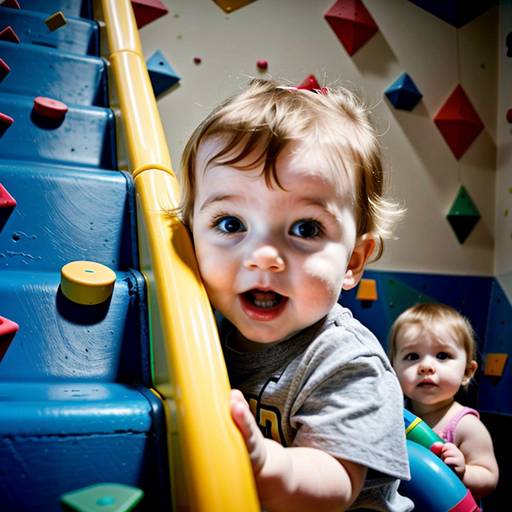
This engaging lesson plan focuses on enhancing gross motor skills through various climbing activities designed for toddlers aged 2-3 years old. The session begins with an introduction to the concept of climbing, followed by a warm-up that incorporates moving to music. Participants engage in a series of climbing stations, including a foam block mountain, tunnels for crawling, a slide zone, and an obstacle course, allowing them to explore different climbing challenges and develop spatial awareness.
A fun relay race encourages teamwork and social interaction as toddlers navigate through the course. The lesson concludes with a cool-down period where children reflect on their experiences and share their favorite climbing moments. Throughout the session, adult supervision is emphasized to ensure safety, and opportunities for parental involvement are provided. Overall, the plan promotes physical development, self-confidence, and cooperative play skills among young learners.
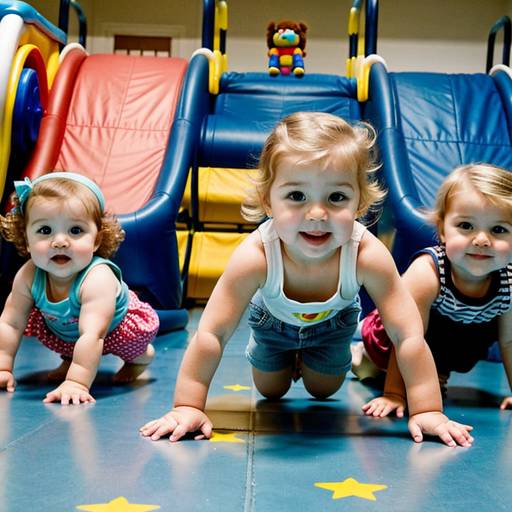
This lesson plan is designed for toddlers aged 18 months to 3 years and focuses on enhancing gross motor skills through basic tumbling activities, including rolling, balancing, and navigating obstacle courses. The session begins with a warm-up featuring fun stretches and animal movements, followed by three engaging activities: practicing rolling safely on mats, walking along balance beams made of foam blocks, and maneuvering through a simple obstacle course with cushions and cones. A calming cool-down helps transition the children back to a relaxed state, featuring deep breathing and gentle stretches. Throughout the lesson, children are encouraged to express their favorite activities and demonstrate newly learned skills, allowing for assessment of their engagement and development. Emphasis is placed on creating a safe, fun environment that fosters physical activity and coordination.
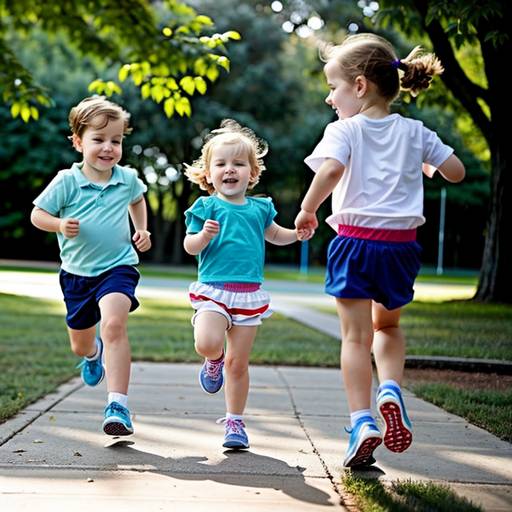
This lesson plan focuses on enhancing toddlers' gross motor skills through engaging running activities. Designed for children aged 2 to 3, the session begins with a warm-up that incorporates movement songs to prepare the children for physical activity. The main component consists of a running course set up with cones and optional balls for added coordination practice. Following this, an obstacle course encourages further movement through jumping and weaving, promoting physical agility. A musical running game allows children to enjoy free movement while also practicing listening skills as they freeze when the music stops. To conclude, the lesson includes gentle stretches and a group reflection, allowing children to share their favorite moments. Safety is prioritized throughout the session, ensuring that all activities cater to the varying skill levels of the participants. Caregivers are encouraged to support continued physical play at home to further develop these essential skills.
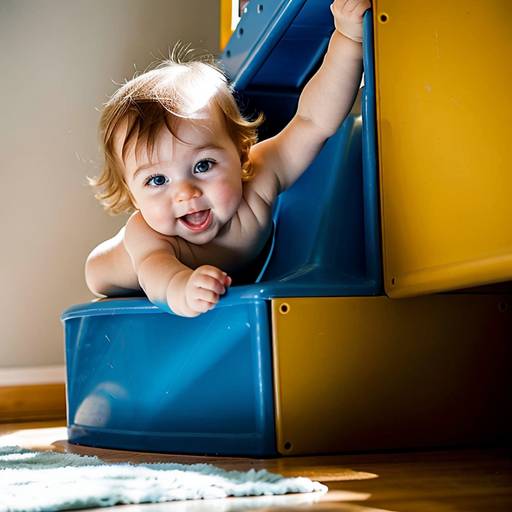
This lesson plan aims to help toddlers develop gross motor skills through engaging climbing activities. The session begins with an energetic introduction and warm-up to prepare the children physically and mentally for the day's exploration. Multiple climbing stations featuring soft climbing blocks, slides, and obstacle courses allow children to practice their climbing, balance, and coordination in a safe environment.
A group climbing challenge fosters teamwork and social skills by encouraging children to help one another navigate a soft foam 'mountain.' The lesson concludes with a cool-down period, where children engage in deep breathing exercises and reflect on their experiences, promoting communication and confidence. Throughout the session, educators are encouraged to provide supervision, support, and positive reinforcement, ensuring a safe and enjoyable experience for all participants.

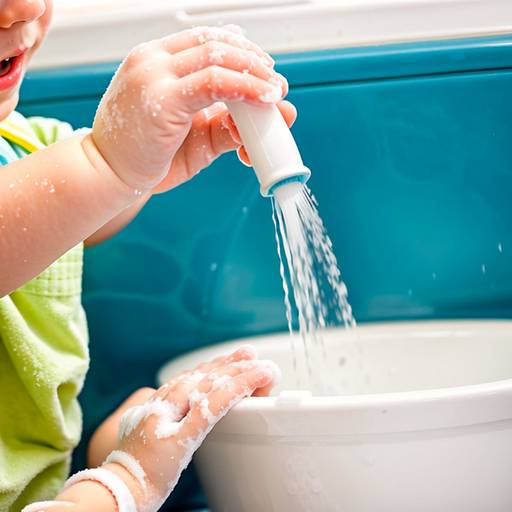
This lesson plan focuses on teaching toddlers the importance of hand washing as a key aspect of hygiene and self-care. The activities begin with a discussion about why hand washing is essential, followed by a story that reinforces the concepts being taught. A demonstration visually illustrates the proper steps for washing hands, highlighting the recommended duration through a catchy song.
To enhance understanding, children participate in a fun experiment using glitter to represent germs, allowing them to see how easily germs can spread and the effectiveness of proper hand washing techniques. The lesson also includes a craft activity where children create their own hand washing charts, reinforcing their learning in a creative way.
Throughout the session, educators monitor engagement and understanding, while encouraging children to share when they will wash their hands next. The plan aims to build healthy habits in a fun, interactive environment, ensuring that children grasp the importance of maintaining cleanliness through effective hand washing practices.

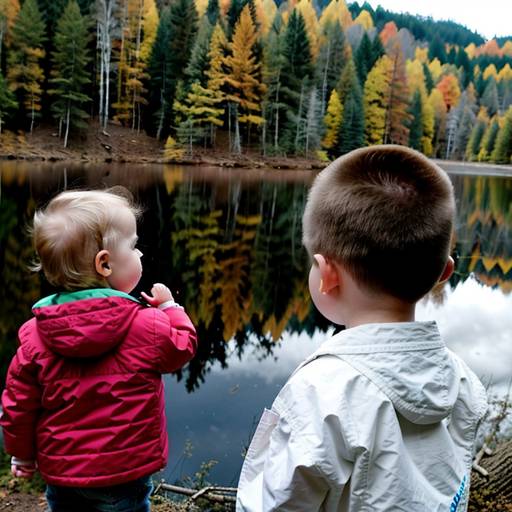
In this engaging lesson, toddlers will explore the concept of seasons through a series of interactive activities designed to enhance their understanding of the changes that occur in nature throughout the year. The lesson begins with a circle time discussion where children share their favorite seasons while looking at picture cards representing spring, summer, fall, and winter. A seasonal-themed storybook is then read aloud, highlighting the different seasons and encouraging participation.
Following the story, children have the opportunity to engage with real-life seasonal items, allowing them to touch and observe materials related to each season, thereby stimulating their senses. An art activity follows, where children create a season wheel by decorating a circular cardboard piece with images representing each season.
To keep the energy high, toddlers participate in a movement activity involving songs related to each season, allowing for creative expression through dance. Finally, the lesson concludes with a reflection circle, where children share their favorite moments and reinforce what they've learned. This comprehensive approach combines sensory exploration, creativity, and cognitive development, providing a well-rounded understanding of the seasons. Extensions like nature walks and collages further reinforce the concepts introduced in the lesson.
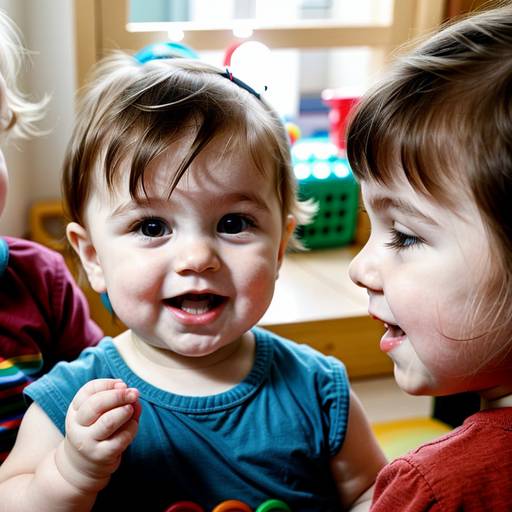
This lesson plan focuses on engaging toddlers in sensory exploration through music and movement activities. It begins with a welcome circle where children are greeted individually and introduced to the theme of sensory sound exploration. The first activity allows toddlers to freely explore various musical instruments, where they practice changing sound volume in response to different musical genres. Next, they use soft fabric scarves or ribbons while dancing to lively music, encouraging creative expression through movement.
The lesson continues with a parachute activity, where children work together to lift and lower the parachute while experiencing sound effects, such as the rustling sound it makes. They also interact with soft objects placed on the parachute, enhancing their sensory experience. To conclude, a calming circle time allows toddlers to reflect on their favorite activities while listening to soothing music. Throughout the lesson, there is a focus on observation and encouragement, fostering social interaction, motor skills, and auditory development in a joyful and safe environment.

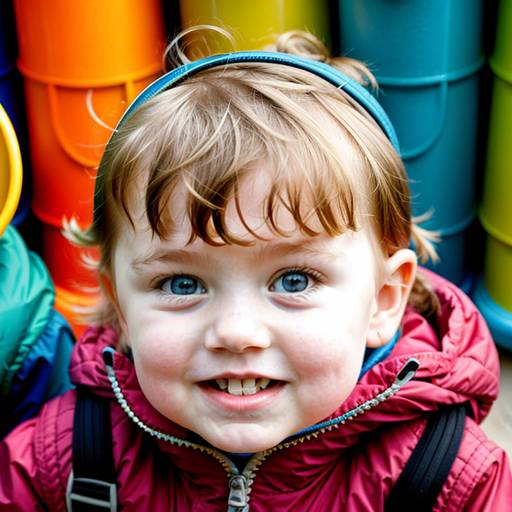
This lesson plan focuses on helping toddlers recognize and identify basic shapes such as circles, squares, triangles, and rectangles. Over the course of 45 minutes, children will engage in interactive activities aimed at fostering shape recognition and exploration in their environment.
The session begins with an introduction featuring flashcards, prompting kids to repeat and identify shapes around them. Following this, a shape sorting activity allows them to group everyday objects by shape, promoting teamwork and discussion.
To enhance fine motor skills and creativity, children will create a shape collage using colorful construction paper, gluing various shapes onto a large drawing sheet. The lesson wraps up with a lively song and movement activity where children can dance and use their bodies to represent shapes.
Throughout the lesson, educators will assess participation and understanding, encouraging discussions about shapes in daily life. The goal is to create an enjoyable, interactive learning experience that boosts shape recognition and fosters a sense of exploration.