
Filters
Level
Grade
Subject
Subject Area
Subject Topic
Standard(s)
Audience
Keyword
DurationMinutes
Toddler Lesson Plans
In this engaging lesson plan for toddlers, students will discover the world of colors and shapes by exploring color mixing. The session begins with an introduction to primary colors—red, yellow, and blue—using visual aids to help students identify and name the colors. A demonstration on mixing these colors to create secondary colors will follow, highlighting examples such as purple, green, and orange.
During the main activity, each child will receive a white paper with pre-cut shapes and primary color paints. They will experiment with mixing colors on trays to create new shades, applying them to their shapes while learning to communicate their findings. The lesson emphasizes creativity and self-expression, allowing children to share their colorful creations with peers, fostering a sense of community and collaboration.
Finally, students will clean up their work areas, reinforcing the importance of tidiness, while reflecting on their learning experience. The lesson provides opportunities for assessment through observation and encourages deeper exploration of colors through extension activities, such as creating a color mixing chart or reading related storybooks. Overall, this session aims to inspire curiosity and joy in the understanding of colors and shapes.

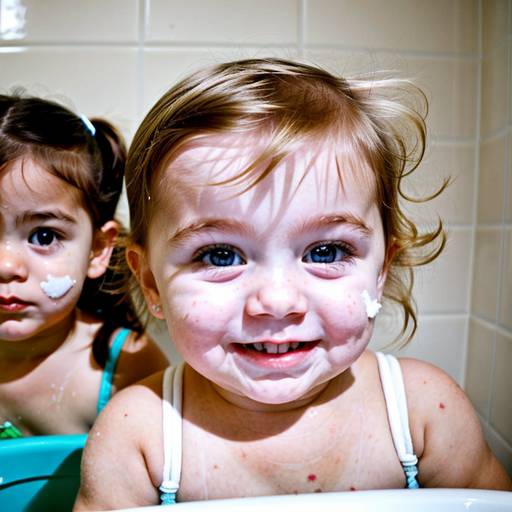
The lesson plan focuses on teaching toddlers the essential steps involved in using the toilet independently and understanding the importance of hygiene. It begins with an engaging introduction to the topic, followed by an interactive story time that introduces the concept of potty training in a fun way. Visual aids, including a step-by-step schedule and a demonstration using a doll, guide children through the process of using the toilet, reinforcing their understanding through role play.
After practicing the toilet steps, the lesson includes a handwashing segment, where children learn the proper technique and why it's important to wash their hands after using the bathroom. The session concludes with a closing circle where children recap what they learned, sing a fun song about toileting and hygiene, and receive positive reinforcement through stickers or stamps to encourage their newfound skills. Overall, the lesson aims to empower toddlers in their toileting journey while reinforcing good hygiene practices in a supportive and engaging environment.
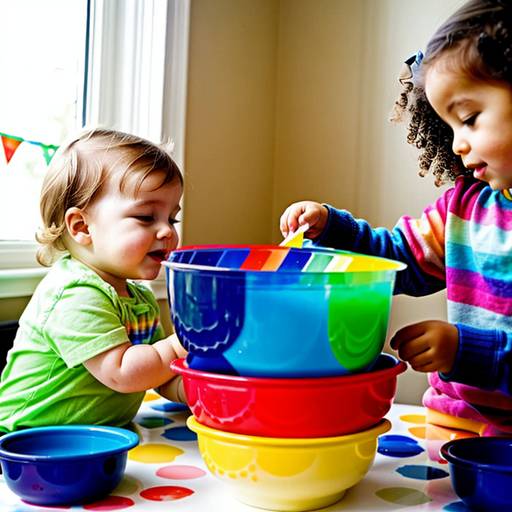
In this engaging lesson plan designed for toddlers aged 2-4 years, students will explore the world of colors and shapes through the fun activity of color mixing. The session begins with a vibrant introduction where children identify primary colors found in their surroundings. A captivating story is read to reinforce color concepts and spark interest.
Following this, the children participate in a hands-on activity where they mix primary colors (red, blue, and yellow) to create secondary colors (green, orange, and purple) using paint and brushes. They are encouraged to experiment and express their creativity on construction paper.
The lesson also includes a sensory exploration segment, allowing children to experience the textures of wet paint and other colorful materials. To conclude, students will share their artwork in a group discussion, reflecting on the colors they created and how they felt about the mixing process. This interactive experience not only enhances fine motor skills but also reinforces color recognition and creativity among the young learners.

In this engaging lesson plan for toddlers focused on emotional development, children will learn to identify and express their feelings through interactive and creative activities. The session begins with a group discussion encouraging children to name and make faces for different emotions using colorful flashcards. A storybook centered on emotions is read, prompting reflections on characters’ feelings.
A feelings chart and mirror activity allow children to explore their own emotions and practice expressing them physically. To further reinforce their understanding, children will create drawings depicting their favorite emotions, sharing their artwork and experiences with the group. The lesson concludes with a wrap-up circle where children review what they’ve learned and share affirmations about the importance of feelings. Extensions for the lesson include setting up a “Feelings Corner” in the classroom and encouraging discussions about emotions at home. Overall, the plan aims to foster emotional awareness and expression in a supportive and fun environment.
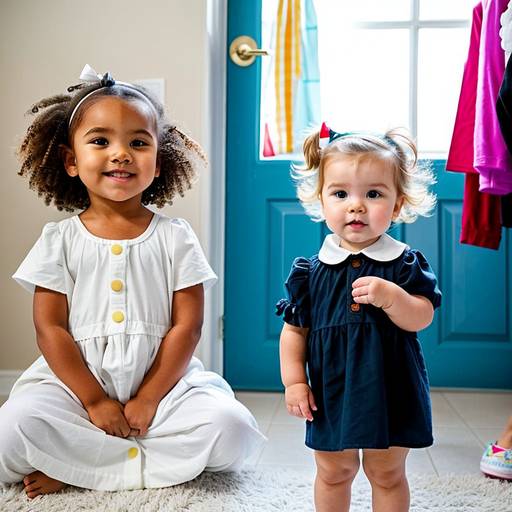
This lesson plan focuses on teaching toddlers essential self-care and hygiene skills related to getting dressed. Aimed at children aged 2-4, the activities include identifying various clothing items, practicing putting on simple garments, and promoting independence. The session begins with a discussion about clothing, followed by interactive activities such as a dress-up relay, where children work in teams to dress up partners or dolls. They also engage in peer pairing to assist each other in dressing, fostering social skills and cooperation.
During a "Mirror Time" segment, children reflect on their appearance, enhancing their self-image and confidence. The lesson concludes with a reflection circle and a fun sing-along, reinforcing the enjoyment of getting dressed and expressing personal preference. Observations will be made to assess participation and comfort with dressing skills, and optional extensions include a dedicated dress-up area for ongoing practice. This engaging lesson supports the development of fine motor skills, social interaction, and self-esteem in young learners.
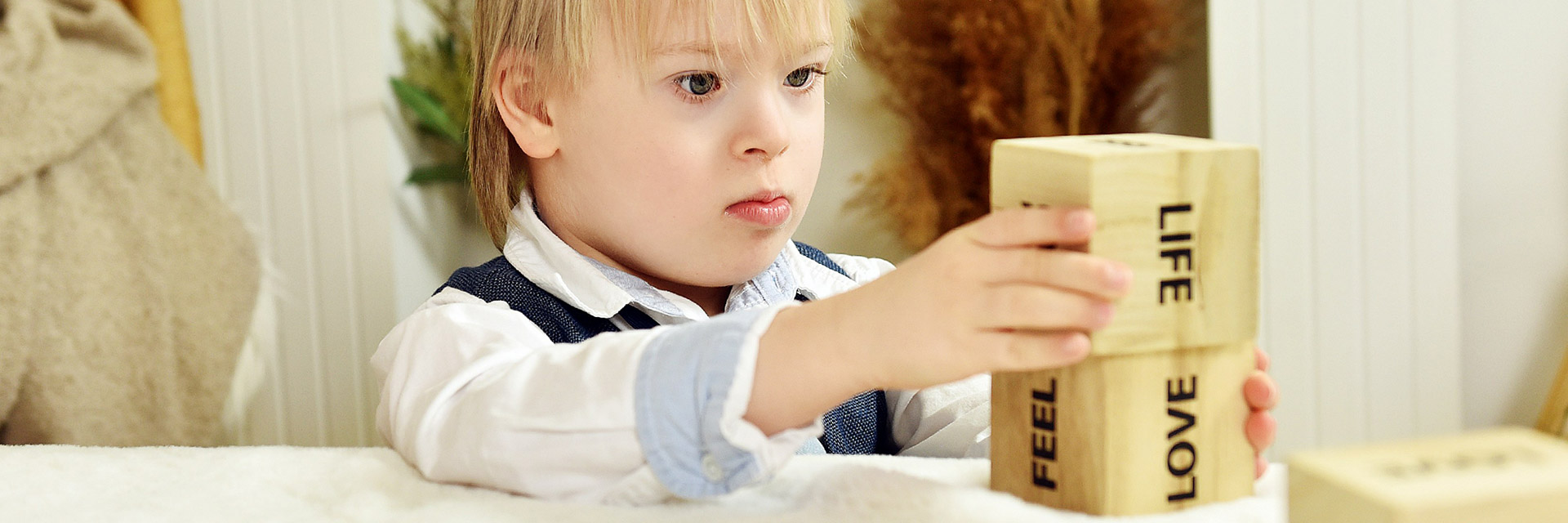
In this lesson plan aimed at toddlers, children will explore the concept of respect through interactive activities and discussions. The session begins with a circle time greeting and an introductory discussion on respect and its importance in friendships. Following this, a storybook emphasizing sharing and caring is read aloud, encouraging children to identify moments of respect among characters.
Through role-playing with puppets or soft toys, children will act out scenarios that highlight sharing and taking turns, practicing respectful communication. They will then engage in a collaborative building activity where they must work together using blocks, fostering teamwork and the use of respectful language.
To conclude, the children will gather for a reflection session, sharing their experiences and ways they demonstrated respect during the activities. A visual chart illustrating respectful behaviors will be created to serve as a reminder in the classroom. The lesson not only aims to teach social skills but also encourages families to reinforce these lessons at home.
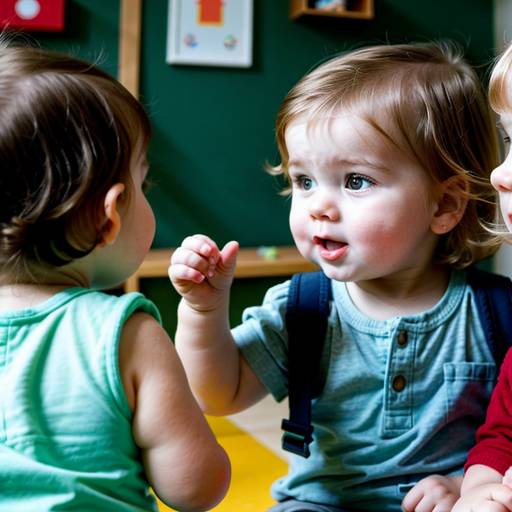
This lesson plan focuses on teaching toddlers about personal boundaries and the importance of respecting others' space during social interactions. The session begins with an engaging circle discussion where children share their favorite parts of playing with friends. A story is then read to illustrate the concept of personal space, with follow-up questions to encourage reflection.
Children participate in a hands-on activity using hula hoops to visually represent their personal space while practicing gentle movements without touching others. Following this, an interactive game allows them to pass a soft ball or stuffed animal while respecting their own and others' boundaries. In a creative expression segment, toddlers draw pictures representing their understanding of personal space, which they share with the group to reinforce community and respect.
The lesson concludes with a review of the key concepts learned and an affirmation of friendship and respect, encouraging children to apply these social skills in their play. Assessment is based on observation during activities and discussions, and optional follow-up activities can extend the theme further. Overall, the lesson fosters healthy social interactions and a foundational understanding of boundaries among young children.

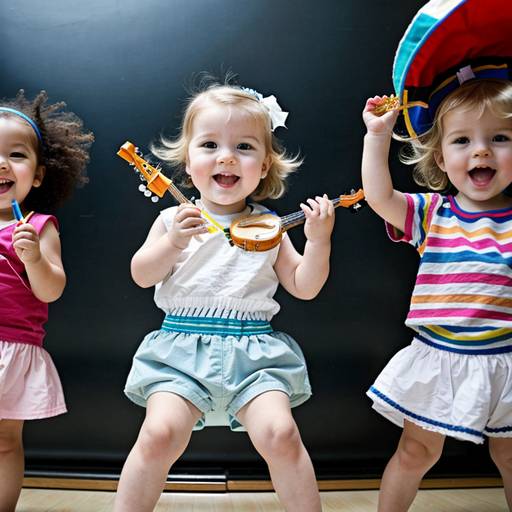
In this toddler-focused lesson, children will engage in hands-on exploration of various musical instruments, enhancing their understanding of sound, rhythm, and coordination. The session begins with a circle time where students are introduced to different instruments through visual aids and demonstrations. Following this, they rotate among exploration stations, experimenting with instruments like tambourines, maracas, and drums.
The lesson incorporates a movement activity using fabric, encouraging children to express themselves and respond to different musical styles through dance. A group jam session allows them to play instruments together, fostering collaboration and creative expression. The session concludes with a quiet listening time, where children reflect on their experiences, followed by a recap of the instruments explored. Throughout the lesson, educators will observe interactions and engagement, promoting a fun and enriching musical experience for all students.
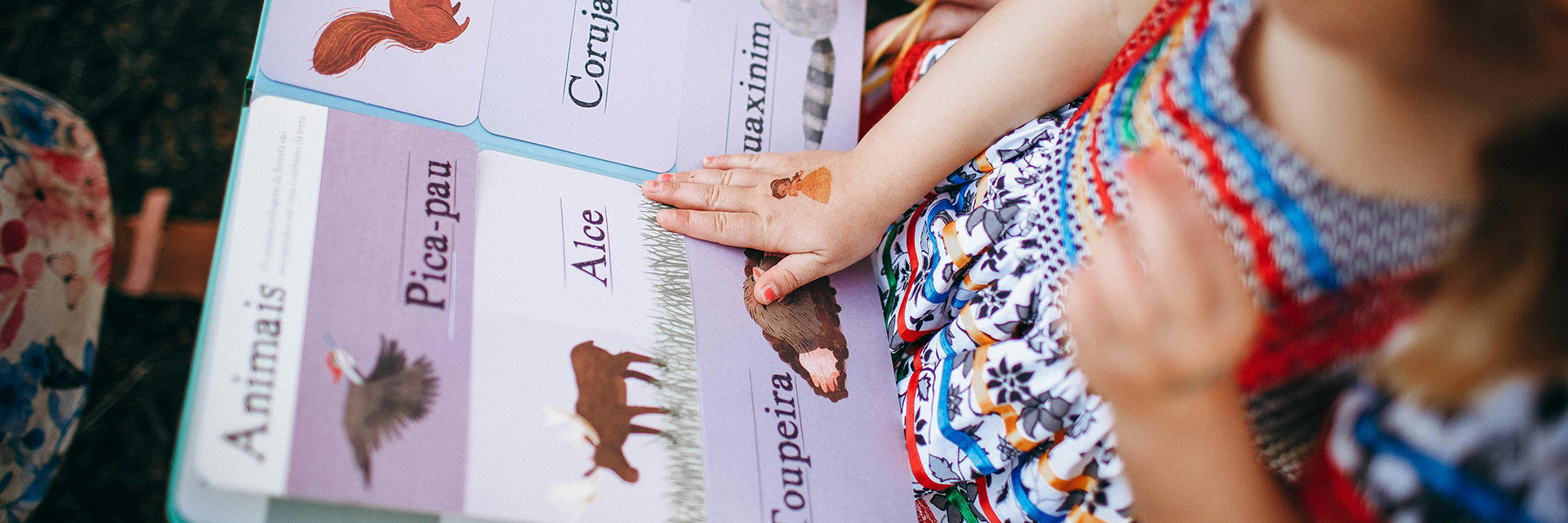
This lesson plan aims to enhance phonemic awareness in toddlers by engaging them in interactive activities that focus on recognizing and producing sounds, rhythms, and rhymes. The 30-45 minute session includes warm-up sound exploration using rhythm sticks and maracas, a lively storytime featuring rhythmic and rhyming books, and an energetic dance segment where children can express themselves through movement.
Children will participate in an interactive rhyming game using picture cards, followed by a creative craft activity where they create their own rhyme picture and share it with the group. The lesson concludes with a closing circle, allowing children to reflect on their experiences and practice verbal expression. Throughout, the lesson emphasizes fun and engagement, encouraging toddlers to explore sounds and words in a playful context, which supports early literacy development.
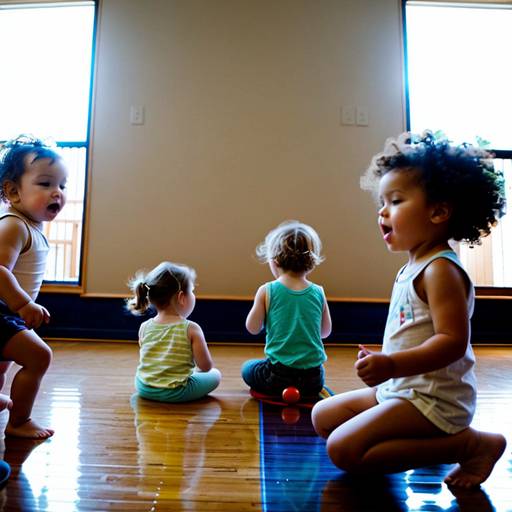
This lesson plan is designed for toddlers to engage in sensory exploration through music and movement over a 30-45 minute session. The activities aim to enhance gross motor skills, cognitive development, and social interaction. Starting with a welcome song, children will explore various musical instruments, allowing them to create and listen to different sounds. They will then participate in movement activities, dancing with scarves in response to upbeat music and slow movements to calming tracks.
Following this, toddlers will engage with sound jars filled with various materials to discover a range of auditory experiences, encouraging prediction and discussion about the sounds produced. The lesson continues with a fun bubble activity where children pop bubbles while dancing, heightening sensory engagement. As the session winds down, toddlers will participate in gentle stretching to calming music, followed by sharing their favorite moments from the lesson.
The session concludes with a farewell song that incorporates familiar movements, fostering a sense of community and positive reinforcement. Educators are encouraged to observe and assess children's engagement and interactions, adapting future lessons to support their unique interests and sensory preferences.