
Filters
Level
Grade
Subject
Subject Area
Subject Topic
Standard(s)
Audience
Keyword
DurationMinutes
Preschool Lesson Plans
This preschool language lesson plan focuses on introducing young children to the sounds of letters in the alphabet, helping them associate each sound with familiar words and objects. The lesson is designed to last 30-40 minutes and includes a variety of engaging activities to reinforce phonetic awareness.
The session begins with a welcome song that incorporates letters and sounds, followed by a warm-up activity where children participate in clapping and repeating letter sounds. This is followed by an interactive introduction to letter sounds using flashcards and picture cards, encouraging students to think of words that start with those letters.
An interactive Bingo game reinforces the learning by allowing children to recognize and cover letters and sounds as they are called out. A storytime segment features a phonics-themed book, where children are encouraged to identify sounds within the text.
To conclude the lesson, students engage in a rhythmic dance, responding to letter sounds with movements. The session wraps up with a review of the sounds learned and distribution of stickers as rewards for participation. Overall, the plan emphasizes a fun and engaging approach to early literacy while fostering a love for language and learning among preschoolers.
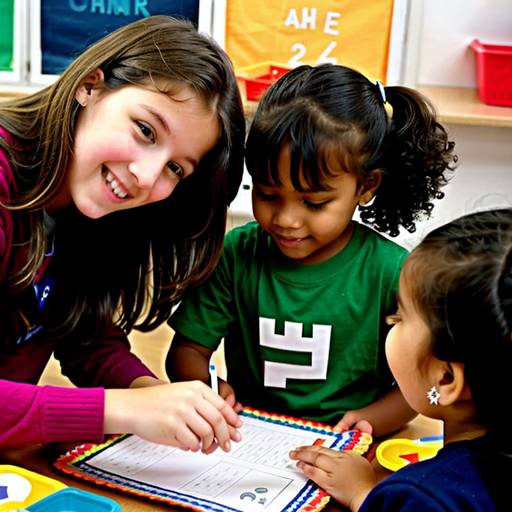
The lesson focuses on teaching preschool students the sounds associated with specific letters of the alphabet through interactive activities. It begins with a brief introduction to letter sounds, utilizing flashcards and picture cards to engage students and promote recognition. A scavenger hunt follows, where children search for objects around the room that correspond to the sounds they’ve learned. This is complemented by a creative group activity where students make crafts related to specific letters, encouraging them to express their understanding through art. The lesson concludes with an enjoyable sing-along that reinforces phonics concepts, followed by a review to gauge understanding and celebrate participation. Extension activities are suggested for ongoing engagement with phonics during the week. The overall approach blends auditory, visual, and kinesthetic learning methods to create a fun and effective phonics experience.

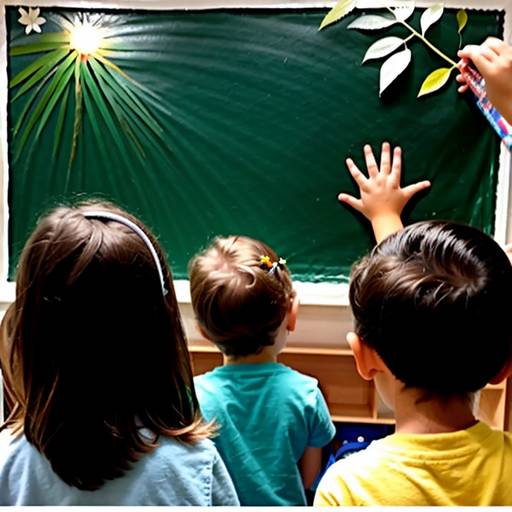
This preschool lesson plan focuses on introducing young students to the fascinating world of plants, covering their basic parts, needs for growth, and their importance in our environment. The session begins with an engaging discussion, encouraging children to share their experiences with plants. Using real plants and diagrams, the teacher explains the different parts of a plant, such as roots, stems, leaves, flowers, and seeds, while fostering student participation through questions and observations using magnifying glasses.
As the lesson progresses, students learn about the essential needs of plants—sunlight, water, air, and soil—through a lively discussion that prompts them to think critically about plant care. The hands-on activity involves planting seeds, where students fill small cups with soil, plant seeds, and water them, reinforcing their understanding of plant growth and care.
The lesson concludes with a reflective session where students discuss their favorite parts of the activity and what they have learned about plants. Overall, the session promotes curiosity about nature, enhances fine motor skills through the planting activity, and encourages teamwork and communication among the children. Extensions such as plant care journals and potential field trips can further enrich their learning experience.
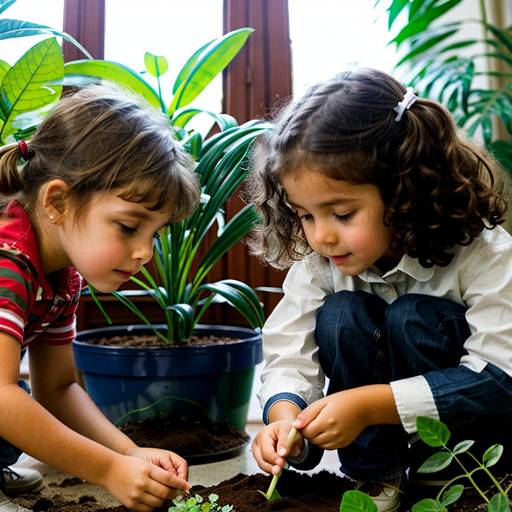
In this preschool science lesson, students will explore the basics of plants, focusing on their parts and growth needs. The lesson begins with a circle time discussion where students share their prior knowledge about plants. Visual aids, including pictures and live specimens, will be used to introduce the concepts of roots, stems, leaves, and flowers.
Students will engage in hands-on exploration by using magnifying glasses to closely observe live plants, encouraging curiosity and discussion about their findings. Following this activity, students will participate in planting seeds in soil, learning about the importance of water and sunlight for plant growth.
The lesson will conclude with a group reflection where students share their observations and thoughts about plant care. They will also create a simple chart together listing what plants need to thrive. Optionally, students can draw their favorite parts of a plant or imagine how their seeds will grow, reinforcing their understanding. Overall, this lesson aims to develop observation skills and a foundational understanding of plant biology while fostering a connection with the natural world.

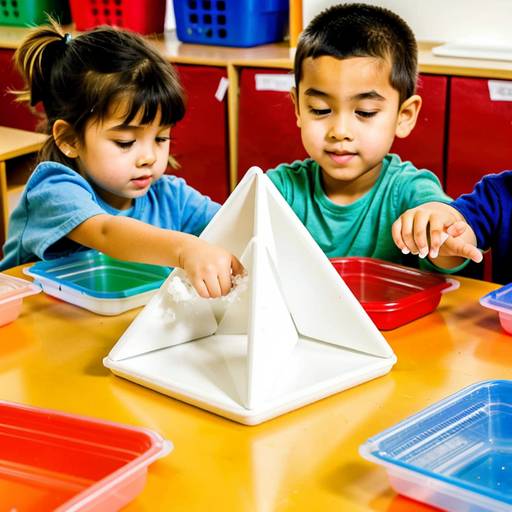
In this preschool art lesson, students are introduced to the concept of sculpture as a three-dimensional art form. The session begins with an engaging discussion about various sculptures, utilizing visual aids to spark interest. Children explore a variety of materials, including air-dry clay, recyclable items, and natural elements, encouraging tactile engagement and creativity. They then create their own sculptures, either individually or in pairs, allowing them to experiment with different shapes and textures. After completing their artworks, students share their sculptures with the class, discussing their materials and creative processes, fostering a supportive environment for feedback. If time permits, students may also decorate their sculptures with paints. The lesson concludes with a clean-up and optional extension activities, promoting teamwork and further artistic exploration. This hands-on experience enhances fine motor skills, creativity, and collaboration among young learners.

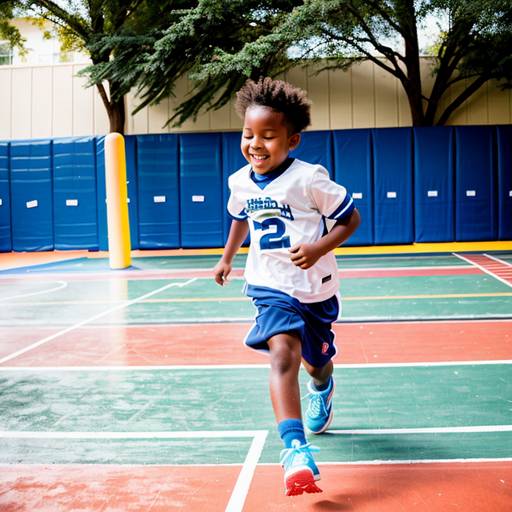
This lesson plan is designed for preschoolers aged 3-5 years and focuses on introducing basic sports fundamentals through playful activities. The session lasts 30 minutes and begins with a warm-up that includes dynamic stretching exercises to enhance flexibility and energy levels.
Students then rotate through three skill stations aimed at developing fundamental motor skills. At the first station, they practice dribbling and passing soft balls while navigating through cones, improving hand-eye coordination. The second station involves jumping in and out of hula hoops to enhance balance and coordination. The final station features team relay races that foster teamwork and speed as students take turns running and passing a baton.
Following the skill stations, a fun team game, "Sharks and Minnows," is played to encourage strategic thinking and teamwork, allowing students to apply their skills in a playful context. The session concludes with a cool-down that includes gentle stretching and a reflection time where children share their favorite parts of the activities. The lesson emphasizes movement, teamwork, and the joy of physical activity while catering to the developmental needs of preschoolers. Assessments are based on participation, motor skill development, and teamwork during activities. Adaptations are provided to support children with varying abilities.

This preschool science lesson aims to introduce young learners to the concept of energy through hands-on exploration and engaging activities. The lesson begins with a group discussion to spark interest in energy, where students are encouraged to share their thoughts on what makes things happen around them.
Students rotate through three interactive stations, each focusing on a different form of energy: light, motion, and sound. At the first station, they use flashlights to explore light energy and create shadows. The second station features battery-operated toys and the opportunity to launch toy cars using homemade catapults, emphasizing motion energy. The final station allows students to experiment with musical instruments, discovering sound energy.
After the station activities, students regroup to share their findings and reflect on their experiences. They then engage in a creative drawing activity where they illustrate their favorite energy-related experience and contribute their artwork to a collaborative display.
The lesson concludes with a summary of what was learned and encourages students to explore energy in their everyday lives, extending the learning experience to their homes. Assessment is based on participation during activities and the ability to communicate understandings through their drawings. Follow-up activities include sharing discoveries from home and incorporating energy-themed songs or stories in future lessons.
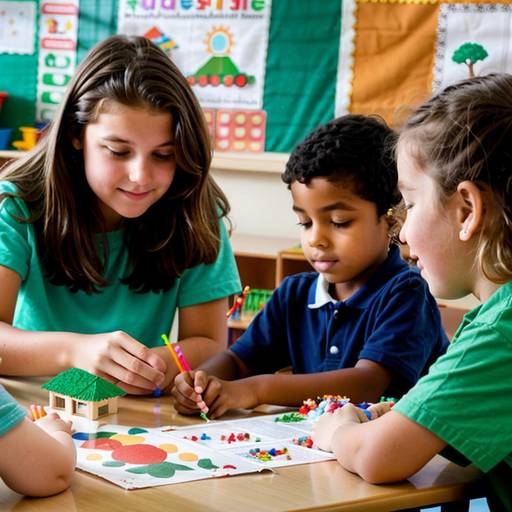
In this preschool lesson plan, students are introduced to the importance of protecting the environment and the significant role that animals play in our ecosystem. The lesson begins with a circle discussion about favorite animals and their habitats. A picture book about animals and environmental awareness is read to facilitate comprehension. Students participate in a brainstorming session where they share ideas on how to care for the Earth and its animal inhabitants.
The lesson continues with an exploration of various animal habitats using cutouts or toys, emphasizing the impact of pollution and habitat destruction. A hands-on recycling activity allows students to learn about the importance of recycling in protecting the environment by sorting items into appropriate bins.
Students then engage in a creative art activity, creating drawings or posters that showcase their favorite animals and highlight ways to save the Earth. The class concludes with a recap of the key points and a simple song related to caring for animals. Throughout the lesson, students are assessed on their understanding of environmental awareness and shown how they can actively contribute to protecting the planet. Follow-up activities include nature walks and collaborative projects to deepen their learning.
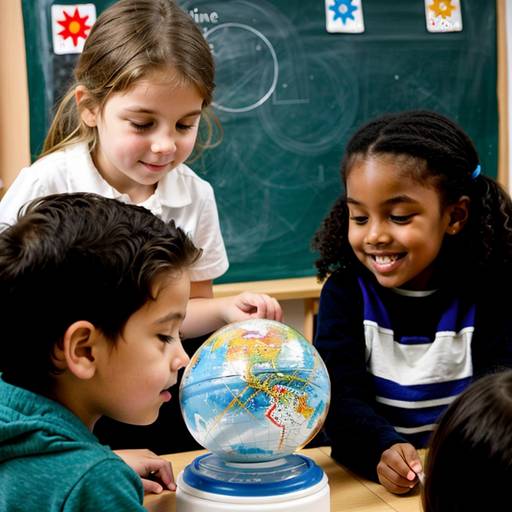
In this preschool science lesson, students explore the concepts of push and pull through engaging hands-on activities. The session begins with a circle time discussion where children learn the basic definitions of push and pull, accompanied by demonstrations using toy cars and balls.
The lesson includes two main activities: a ramp race where students push toy cars down a slope, allowing them to observe how different levels of force affect motion, and a push and pull challenge with boxes and lightweight objects. Following these activities, students reflect on their experiences and share which actions felt easier and why.
To reinforce the concepts, children participate in a creative art activity, drawing something they pushed or pulled during the session. The lesson concludes with a recap and encourages students to identify examples of push and pull in their everyday lives. Throughout the lesson, the emphasis is on observation, discussion, and playful experimentation, allowing children to grasp the fundamental principles of forces and motion in a fun and interactive manner.
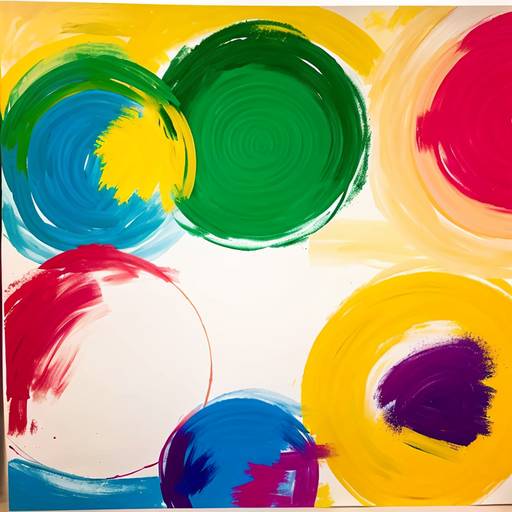
This preschool art lesson focuses on introducing young children to the concepts of color mixing and abstract painting. The session begins with a discussion about rainbows and their colors, demonstrating how primary colors can be mixed to create secondary colors. Children then engage in a hands-on exploration by mixing paints and creating their own abstract artwork on large sheets of paper or canvas. Throughout the activity, they are encouraged to express their feelings and imaginations without the pressure of specific guidelines. The lesson emphasizes creativity, self-expression, and the development of fine motor skills. Following the painting session, children participate in clean-up activities and share their artwork with peers, promoting a sense of community and validation of their individual expressions. The lesson can be extended with additional creative activities and a gallery display for parents, enhancing engagement and appreciation for their artistic creations.