
Filters
Level
Grade
Subject
Subject Area
Subject Topic
Standard(s)
Audience
Keyword
DurationMinutes
Preschool Lesson Plans

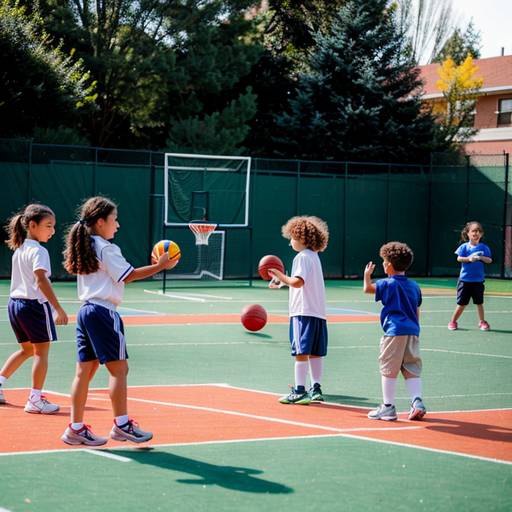
This preschool physical education lesson focuses on developing basic throwing and catching skills through engaging, age-appropriate activities. The 30-minute session begins with a brief introduction where students learn about the importance of these skills in sports. A dynamic warm-up routine prepares them for physical activity, followed by two skill development stations: one for practicing throwing accuracy at cones and another for catching with partners.
Next, students participate in a fun balloon toss activity that enhances their catching skills while encouraging teamwork. A relay race adds a competitive element, requiring students to work together to complete the course by throwing a ball into a bucket. The lesson concludes with a cool-down period involving gentle stretching and a reflection on what they enjoyed and learned, emphasizing the fun of physical activity and the importance of practice in sports. Adaptations are provided for varying skill levels to ensure all students can participate and gain confidence in their abilities.

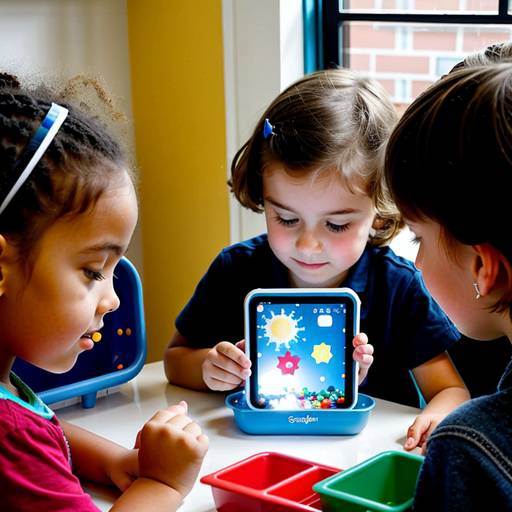
In this preschool science lesson, students will explore everyday technology found in their environment, enhancing their understanding of how various tools function and assist us in daily life. The lesson begins with a circle time discussion where children share technology they use at home and learn how these objects make life easier. Afterward, they will engage in hands-on exploration at designated stations featuring everyday items like remote controls, calculators, and flashlights, examining them closely with magnifying glasses and discussing their purposes.
Following the exploration, students will express their creativity by crafting their own imaginary technologies using various craft materials, which encourages imaginative thinking and problem-solving. They will then showcase their creations during a mini technology fair, explaining how their gadgets work. To conclude, students will reflect on their learning experiences through discussions and possibly a song or story about technology. This lesson aims to foster curiosity about technology among preschoolers while reinforcing their understanding of its role in their lives.
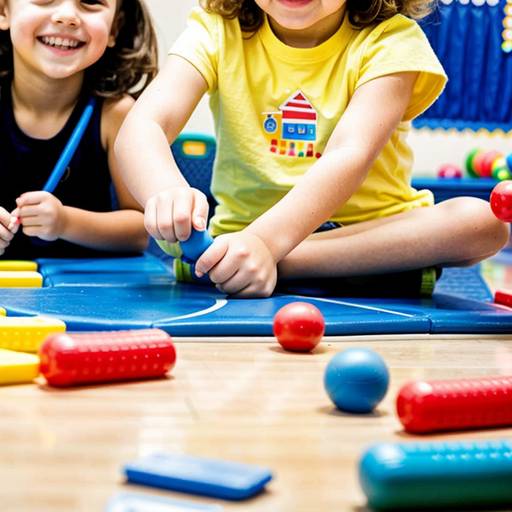
This preschool physical education lesson focuses on enhancing fine motor skills through a variety of engaging activities over a 75-minute session. The lesson begins with a warm-up activity to get the children moving and familiar with the concept of fine motor skills.
Four activity stations are set up, each designed to target specific fine motor skills: children will manipulate play dough, thread large beads, practice cutting with child-safe scissors, and complete large-piece puzzles. After exploring these stations, the children participate in a fun, obstacle course that incorporates balance and manipulation techniques.
The session concludes with a cool-down period, including stretching and a reflective discussion on what they enjoyed during the activities. To wrap up, the children sing a playful song that encourages hand movements. Throughout the lesson, educators observe the children's participation and skill development, ensuring a safe and supportive learning environment. Adaptations are made to accommodate various abilities, fostering confidence and engagement in all participants.

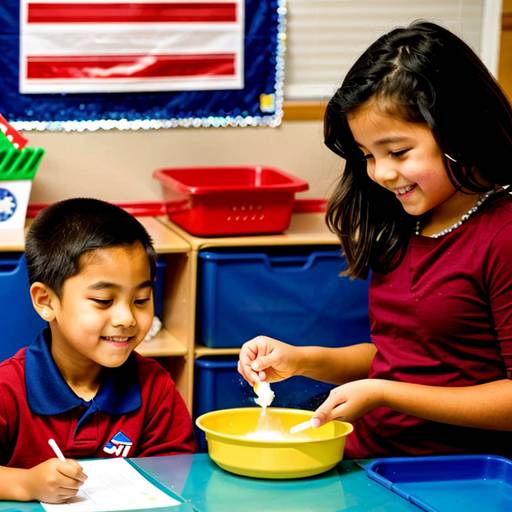
In this preschool social studies lesson, students will explore the concept of holidays celebrated around the world. The lesson begins with a group discussion to define holidays and share personal experiences related to their favorite celebrations. A read-aloud session featuring picture books will introduce various cultural holidays, engaging children with inviting illustrations and open-ended questions.
Following the story, students will participate in a discussion that connects their own holiday traditions to those mentioned in the book. The lesson culminates in a hands-on craft activity, where children will create decorations that reflect their chosen holiday, fostering creativity and personal expression.
As the lesson concludes, students will gather in a circle to share their crafts and articulate why their holiday is significant to them. Throughout the lesson, students will gain an appreciation for diverse traditions and develop empathy towards different cultural practices, enhancing their social understanding within the classroom community. Informal assessments will be made via observations and interactions, ensuring that children connect meaningfully with the content. Extension activities will encourage further exploration of holiday traditions at home and in future classroom discussions.

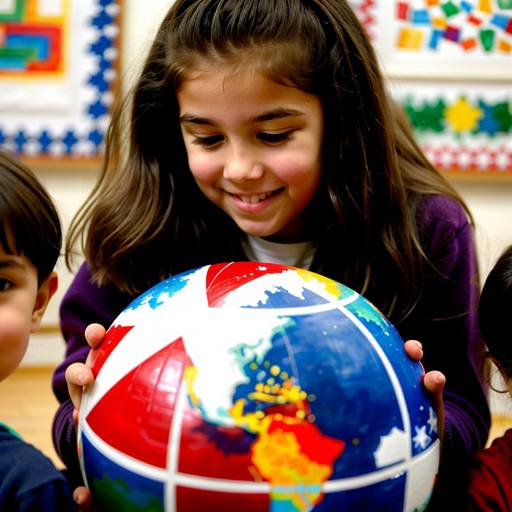
In this preschool art lesson, students are introduced to cultural art from around the world, enhancing their appreciation for diverse artistic expressions. The plan begins with a brief group discussion that showcases various cultural artworks, emphasizing the unique patterns and colors found in different cultures. This is followed by a storytime session featuring a picture book that inspires engagement and reflection on the art.
Students then explore the concept of patterns, identifying and creating their own simple designs using colored shapes and crayons. The hands-on activity focuses on creating a collaborative quilt, where each child chooses fabric scraps and personalizes their contributions with drawings and tempera paint, encouraging creativity and fine motor skills.
As the lesson concludes, students participate in cleaning up the area before sharing their creations with the group, reflecting on their experiences and the artistic choices they made. The lesson not only develops artistic skills but also fosters a sense of community and cultural awareness. An extension activity allows the classroom to be transformed into a gallery, further encouraging appreciation of their collective artwork and experiences.
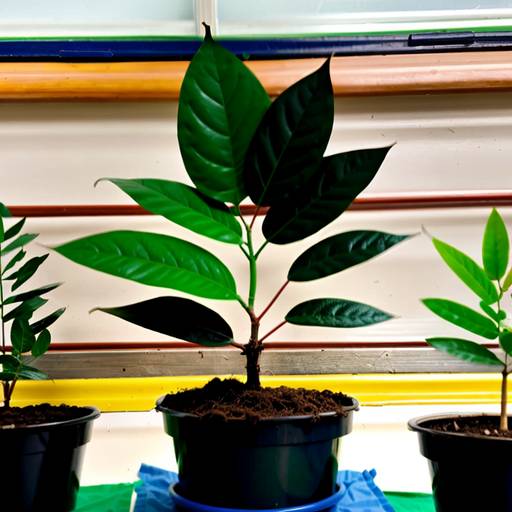
This preschool science lesson focuses on introducing young students to the world of plants. Over the course of approximately 37 minutes, children will engage in hands-on activities and interactive discussions to learn about the basic parts of a plant—including roots, stems, leaves, flowers, and seeds—and their essential needs for growth, such as sunlight, water, air, and soil.
The lesson begins with a circle time where students observe and discuss various plants using picture cards. They will then explore real plants to identify their parts and discuss their functions. Following this, students participate in a hands-on planting activity, where they plant seeds in pots and learn how to care for them. To reinforce their learning creatively, they will draw their favorite plants or imagined plants, labeling their parts.
The lesson encourages active participation, creativity, and environmental awareness, fostering a foundational understanding of botany in a fun and engaging manner. Students will conclude the session by sharing their drawings and thoughts about what they’ve learned. Throughout the lesson, the teacher will assess student understanding through observation and discussions.
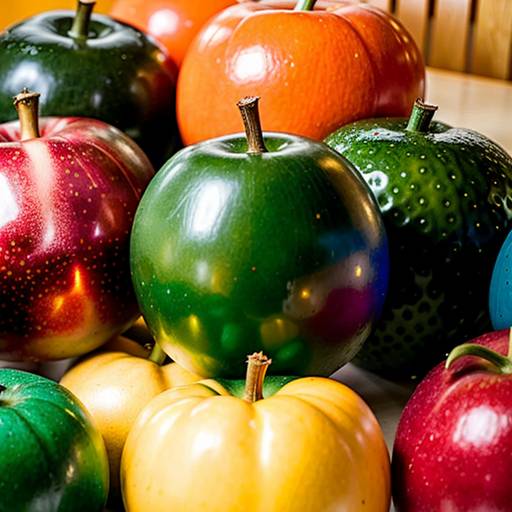
This preschool science lesson focuses on health and nutrition, aimed at helping young children understand the importance of healthy eating. The session begins with a discussion about their favorite foods, guiding them to recognize and categorize foods into healthy and unhealthy groups using picture cards.
Students participate in a hands-on sorting game with toy fruits and vegetables, reinforcing their understanding of healthy options while fostering teamwork. They engage in a creative activity where they draw or create collages of their favorite healthy foods, allowing them to express their thoughts visually.
To incorporate movement, a dance break with a fun song about healthy eating follows, encouraging physical activity. The lesson concludes with a reflection circle where children share what they learned and what healthy foods they wish to try at home. Optional healthy snacks can enhance the experience, while family involvement is encouraged through take-home activities. This comprehensive approach fosters an interactive and enjoyable learning environment centered on nutrition.
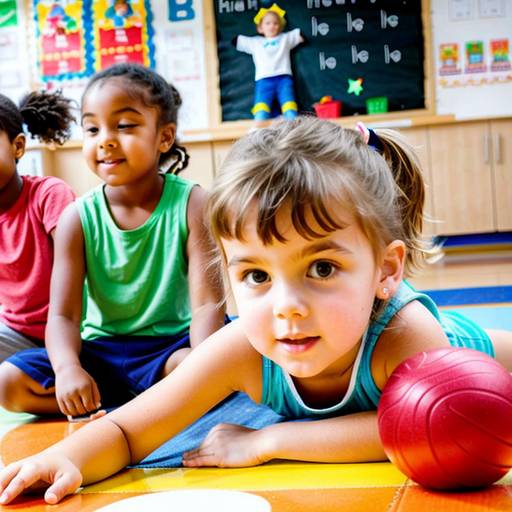
This preschool physical education lesson focuses on teaching young children about healthy habits through engaging activities lasting 53 minutes. The lesson begins with a circle discussion, encouraging students to share their knowledge about healthy foods, exercise, and personal hygiene.
To facilitate movement and learning, students participate in a lively dance session that incorporates actions representing healthy habits. This is followed by a nutrition relay racing game where children gather food cards and learn fun facts about each healthy item they collect.
Next, students rotate through various exercise stations designed to promote physical fitness, coordination, and agility, featuring hula hooping, jump rope activities, ball tossing, and an obstacle course.
After the physical activities, a reflection circle is held for students to discuss their experiences and what they learned. This is concluded with a game of Simon Says that reinforces healthy habits through playful commands. Throughout the lesson, children are encouraged to actively participate and share what they learn with their families, fostering a broader understanding of the importance of maintaining healthy habits in their daily lives.
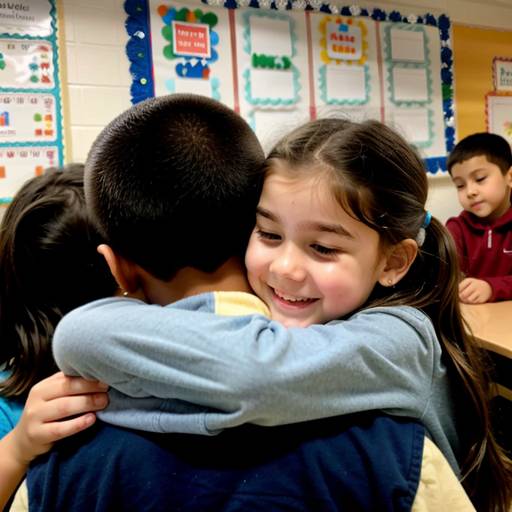
This preschool lesson plan focuses on developing emotional awareness in children by exploring their feelings related to family experiences. The session begins with a circle time discussion, where children share their thoughts about families and emotions. It incorporates a storytime activity that illustrates characters' emotions within family contexts, prompting children to relate these feelings to their own experiences.
To deepen their understanding, children engage in an emotion exploration activity where they use emotion cards to identify and express their own feelings, contributing to a collaborative "Family Emotions Chart." The lesson includes a creative puppet show to demonstrate various emotions, allowing children to suggest solutions for the puppet's feelings based on their personal experiences.
The session concludes with a reflective discussion, encouraging children to share their thoughts and feelings, reinforcing the importance of understanding and communicating emotions within family settings. The overall goal is to foster emotional awareness and strengthen connections between children and their families through interactive and engaging activities.
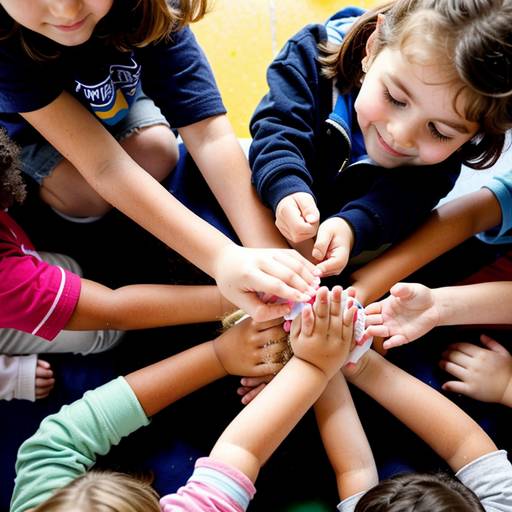
In this preschool lesson plan, students will explore the concepts of citizenship and community engagement through interactive activities designed to promote kindness and teamwork. The lesson begins with a group discussion about the meaning of community, followed by a storytime featuring community helpers. Children will then participate in a craft activity where they create handprint shapes that represent ways they can contribute positively to their community. This collaborative project culminates in a group reflection, allowing students to share their thoughts on helping others and the importance of working together. The lesson concludes with the display of their completed poster and a celebration of their efforts, reinforcing their understanding of their role within the community.