
Filters
Level
Grade
Subject
Subject Area
Subject Topic
Standard(s)
Audience
Keyword
DurationMinutes
Infant Lesson Plans

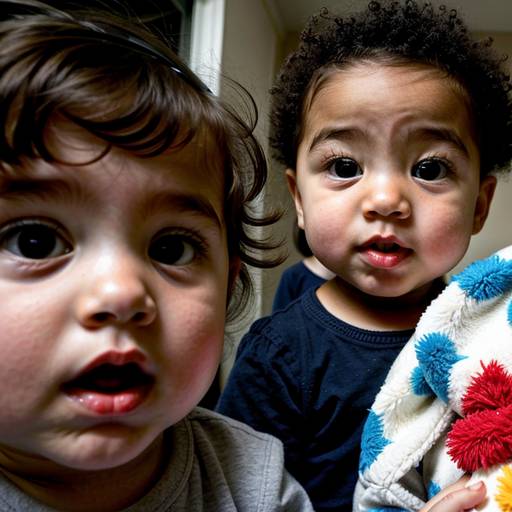
This lesson plan is designed for infants aged 6-12 months to introduce them to the concept of object permanence through interactive play and sensory exploration. The session begins with a warm welcome and a brief explanation for caregivers about object permanence. It features engaging activities such as a game of peek-a-boo, where caregivers cover their faces and then reveal themselves, helping infants understand that people still exist even when out of view.
Next, infants participate in a "hide and seek" game with toys hidden under blankets or inside boxes, encouraging them to uncover the toys and reinforcing the idea that objects remain, even when not visible. Mirror play allows infants to explore their reflections, further aiding their understanding of presence and identity. The lesson concludes with music and movement, where caregivers encourage interaction with simple instruments, emphasizing that sounds continue even when they can't be immediately seen.
Throughout the activities, caregivers are encouraged to observe and engage with their infants, enhancing learning experiences. The lesson wraps up with a reflection period where caregivers can share their observations and experiences, along with suggestions for continuing these activities at home to further support cognitive development. Overall, the plan emphasizes sensory exploration, active engagement, and playful interaction to foster infants' understanding of their environment.

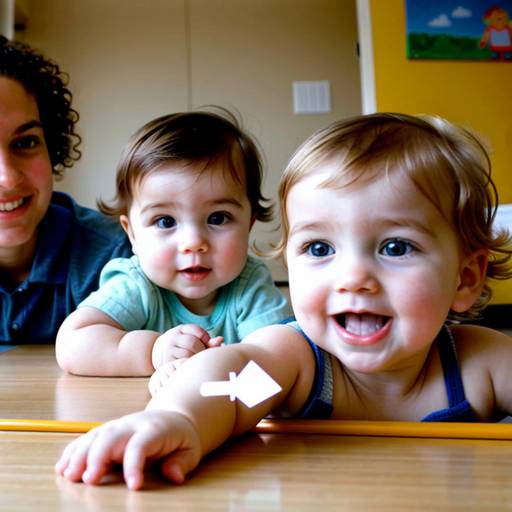
This lesson plan focuses on teaching infants the essential social skill of turn taking through a series of engaging activities. The objectives include fostering patience and cooperation among the children. The session begins with an introduction to the concept using a plush toy as a visual aid, followed by interactive circle time where visual aids depicting sharing are shown.
The main activity involves a structured toy time where infants take turns playing with various toys, utilizing a timer to regulate turns. A movement break with dance and music reinforces the joy of shared activities. The session concludes with a reflective circle where children discuss their favorite parts, followed by a short story that reinforces the theme of taking turns.
To support ongoing development, follow-up activities are suggested, allowing children to practice turn taking in a variety of contexts. Throughout the lesson, opportunities for assessment and positive reinforcement are given to help encourage successful interactions.

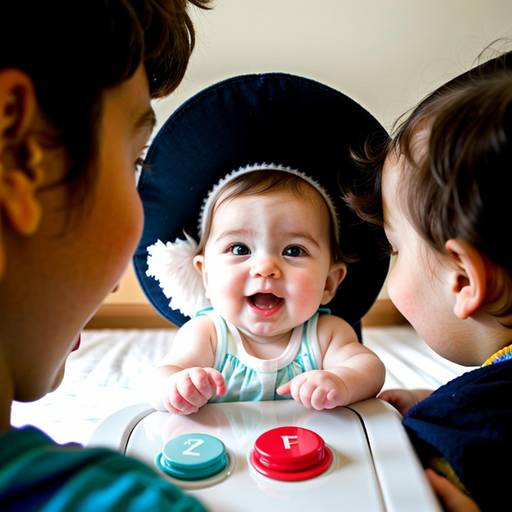
This lesson plan focuses on fostering early language development in infants and toddlers through engaging activities centered on rhythm and rhyming. The session includes a read-aloud of a rhythmic story, interactive rhyming games with picture cards, and the use of musical instruments to create sound patterns. Children are encouraged to express themselves through a movement-oriented song that incorporates rhyme, followed by a hands-on craft activity where they can draw and share their creations using rhyming words. The session concludes with a group discussion, allowing children to reinforce their understanding of rhymes. Throughout the lesson, observation of participation and engagement serves as an informal assessment of the children's developing language skills. This playful exploration aims to build a foundation for language awareness and enjoyment of sounds in words, creating a rich, interactive learning experience.


This lesson plan focuses on enhancing hand-eye coordination for infants aged 12-24 months through a series of engaging activities designed for a small group with caregivers. The session lasts 30-40 minutes and includes five interactive tasks: rolling a soft ball back and forth, tossing and catching colorful scarves, building with stacking and foam blocks, playing a bowling game with empty plastic water bottles, and bursting bubbles. Each activity aims to develop fine motor skills and visual tracking in a fun and social environment. Caregivers are encouraged to participate actively and engage with their infants, promoting interaction and cooperative play. The lesson concludes with a group reflection and a handout for caregivers, providing suggestions for continuing motor skill development at home, ensuring a comprehensive approach to nurturing early motor skills in a supportive setting. Assessment is carried out through observations to tailor future sessions effectively.

This lesson plan focuses on enhancing memory development in infants aged 6 to 12 months through engaging sensory activities. The session begins with an introduction to the significance of memory in cognitive growth, followed by a series of interactive activities.
Infants participate in an object recognition game that encourages them to identify familiar toys while caregivers support their learning by naming objects. Next, a family faces match activity introduces infants to familiar photographs, fostering connection and recognition. Storytime with colorful books engages infants in a sensory exploration of images and sounds, reinforcing their memory through repetition. Finally, a musical memory activity allows infants to interact with instruments while enjoying a repetitive song, promoting both memory recall and rhythm recognition.
The session concludes with a reflection on the activities and strategies for caregivers to support memory skills at home. Observations during the lesson provide insights into each infant's engagement and memory abilities. This structured yet playful approach aims to stimulate cognitive development in a nurturing environment, encouraging infants to explore and connect with the world around them.
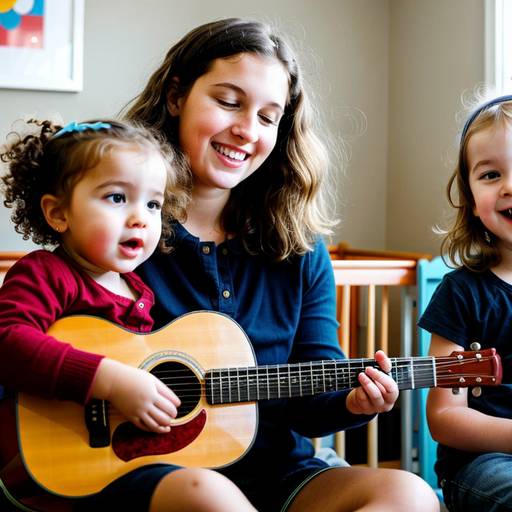
This lesson plan focuses on enhancing infants' language development through engaging activities centered around rhymes, rhythm, and sound play. The session begins with a warm welcome and an introduction to the theme, followed by an exploration of soft musical instruments, encouraging infants to experience sound. A sing-along segment features popular nursery rhymes, promoting movement and rhythm as caregivers bounce their infants to the music.
Interactive activities utilize colorful picture cards linked to the rhymes, facilitating visual and auditory connections. A storytime segment introduces a short rhyming text, encouraging expressive reading while caregivers engage with illustrations. The session concludes with a cool-down period featuring soft music, allowing for reflection on the day's activities and sharing tips for incorporating rhyme and rhythm into daily life at home. This approach aims to foster early language skills and a love for sounds and storytelling in infants.


This lesson plan focuses on enhancing sensory development in infants by exploring a variety of scents. Designed for infants aged 6-12 months, the session lasts 30-45 minutes and includes engaging activities that promote interaction and sensory awareness.
The plan begins with an introduction that highlights the importance of smell in sensory development. Participants then rotate through sensory exploration stations featuring safe, scented items such as vanilla, lemon zest, and lavender. Caregivers guide infants as they smell and, when appropriate, touch or taste the scents, encouraging reactions and observations.
An interactive scent guessing game follows, allowing infants to experience scents blindfolded or with closed eyes, fostering engagement and expression. This is complemented by a creative collage activity where infants can explore scents through art materials, combining visual and olfactory experiences.
The session concludes with a group discussion where caregivers share their infants' scent preferences and reactions. The lesson is designed to encourage ongoing sensory exploration at home while ensuring a safe and enjoyable experience for all participants. Caregivers are reminded to monitor for any potential allergens.
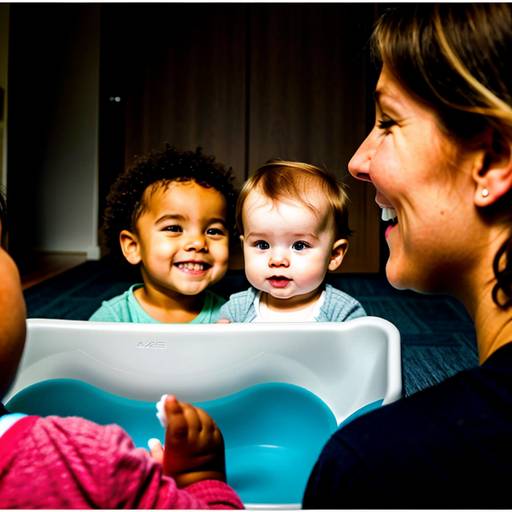
This lesson plan focuses on enhancing infants' sensory development through the exploration of various textures. Aimed at children aged 6-12 months, the session spans 45 minutes and includes activities designed to stimulate touch and tactile experiences.
The session begins with a warm welcome and an introduction to the theme of texture exploration. Infants rotate through several sensory stations featuring diverse materials, such as soft fabrics, rough sandpaper, and squishy toys. Each station encourages hands-on interaction and encourages infants to differentiate between contrasting textures.
Following the exploration, a sensory storytime engages the infants with a tactile-rich book that further reinforces their experiences. The lesson concludes with a reflection on the textures explored, allowing for calm interaction through music and quiet play.
Finally, caregivers receive recommendations for continuing the sensory experience at home. Throughout the lesson, facilitators observe infants’ reactions to gauge their interests and preferences, promoting a nurturing environment for sensory awareness and discovery.

The lesson plan aims to teach infants the concept of turn taking through engaging activities and interactive play. It begins with a lively introduction that includes a song to gather the group and a simple explanation of sharing. A storytelling session using colorful picture cards illustrates characters taking turns, fostering comprehension.
Two main activities follow: the first involves small groups of infants engaging with toys, learning to play and wait for their turn with guidance. The second activity incorporates music and movement, where infants dance and practice stopping to take turns. An optional snack-sharing segment encourages further practice of turn taking and encourages communication through verbal prompts.
The session concludes with a closing circle, where infants can share their favorite moments, reinforcing their learning. Throughout the lesson, caregivers are encouraged to observe and continue practicing turn taking at home, ensuring the development of these important social skills in everyday situations.

This lesson plan focuses on sensory development for infants, emphasizing auditory exploration through engaging activities. Designed for infants aged 0 to 12 months, the session is structured to promote auditory discrimination and encourage caregivers to participate actively.
The lesson begins with a brief introduction to the concept of sounds, followed by a series of hands-on exploration stations. Each station features different sound sources: musical instruments, natural sound recordings, sound-making toys, and a sensory bin filled with interactive materials. Infants are encouraged to experiment with shaking, tapping, and exploring, fostering a sense of curiosity and awareness of cause and effect.
A group activity involves singing simple songs and nursery rhymes, allowing infants to participate by clapping or using instruments, reinforcing social interaction. The session concludes with a closing circle where caregivers share their observations and experiences, promoting a community of learning and support.
Throughout the lesson, caregivers are provided with insights on further sound exploration at home, creating continuity in sensory development. Overall, the plan aims to create a fun, interactive, and developmentally enriching environment for infants and their caregivers, centered around the theme of sound exploration.