
Filters
Level
Grade
Subject
Subject Area
Subject Topic
Standard(s)
Audience
Keyword
DurationMinutes
Infant Lesson Plans

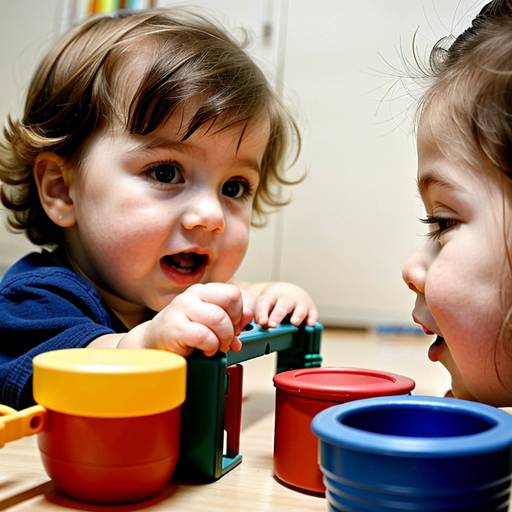
This lesson plan is designed for infants aged 12-24 months, focusing on enhancing hand-eye coordination through engaging play activities. It spans 30-45 minutes and accommodates a group size of six to eight infants along with their caregivers.
The session begins with a welcoming circle time that introduces the theme and involves a participatory song. Infants then rotate through five activity stations, each promoting different aspects of hand-eye coordination: rolling soft balls, stacking foam blocks, manipulating colorful scarves, exploring sensory bins, and engaging with musical instruments. Each activity encourages movement, coordination, and tactile exploration while fostering caregiver-infant interaction.
The session concludes with a group closure where participants share their experiences, followed by an optional free play period for independent exploration. Caregivers receive feedback opportunities, and extensions for at-home activities encourage continued development. Safety precautions are highlighted to ensure a secure environment for all infants. This plan emphasizes the importance of playful learning in developing foundational motor skills for young children.


This lesson plan focuses on vocabulary building for infants aged 6-12 months through engaging and interactive activities. The session begins with a welcoming song to create a cozy atmosphere before transitioning into interactive storytime using colorful picture books. Caregivers are encouraged to engage with the infants by pointing to images and repeating words aloud, promoting responsive language skills.
Following the story, puppets are introduced to create dialogues using simple, repetitive phrases that allow infants to mimic sounds and actions. The plan incorporates a musical movement segment with nursery rhymes, where infants can shake instruments in time with the music, further enhancing their auditory and motor skills.
Additionally, a sensory vocabulary exploration activity is included, where infants interact with flashcards showcasing images and textured materials related to the vocabulary. This hands-on experience reinforces learning through touch.
The session concludes with a circle time, inviting caregivers to share new words their infants enjoyed, and wraps up with a farewell song to celebrate participation and learning. Assessment methods involve monitoring infants' engagement and verbalizations throughout the activities, while extensions suggest ways caregivers can continue supporting vocabulary development at home. Adaptations ensure inclusivity for infants at varying developmental stages. Overall, the plan aims to create a fun, interactive environment that fosters early language skills.

The lesson plan focuses on enhancing language development in infants aged 6 to 18 months through engaging activities centered around rhymes. It begins with a welcoming song to create a comfortable environment, followed by an interactive storytime using a vibrant picture book that highlights rhyming words. Infants participate in a rhythmic activity using simple instruments, engaging with nursery rhymes through clapping and tapping that emphasizes rhythm. A movement song encourages physical activity and bonding between caregivers and infants. The session concludes with a final rhyme and encourages caregivers to explore flashcards and picture books with their infants, reinforcing the importance of shared reading. The plan emphasizes observation of engagement and interaction to assess participation, while also suggesting follow-up activities for ongoing rhyme exploration at home.

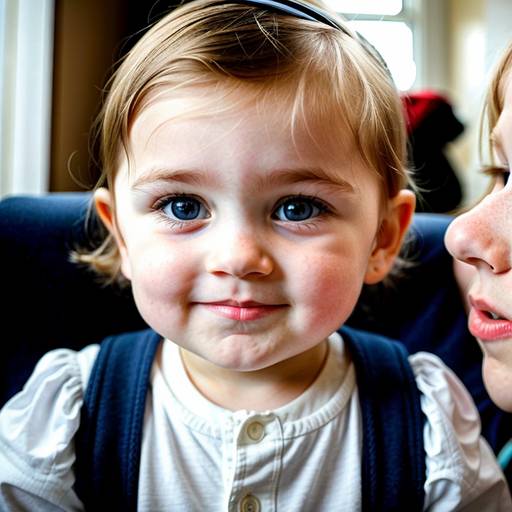
This lesson plan focuses on teaching infants and their caregivers the importance of eye contact in developing social skills. Designed for infants aged 6-12 months, the 30-minute session includes engaging activities that help promote connection and communication between caregivers and their babies.
The lesson begins with a warm welcome and an introduction to the concept of eye contact. It then features a "Meet the Faces" activity, where caregivers read picture books with various facial expressions, encouraging infants to look at the faces and make corresponding eye contact while discussing emotions.
Following this, a "Mirror, Mirror" session allows infants to explore their own reflections alongside their caregivers, fostering self-recognition and emotional awareness. The plan includes interactive games where caregivers and infants play peek-a-boo with colorful scarves and participate in a fun music session, reinforcing eye contact through play.
The lesson concludes with a wrap-up discussion, where caregivers reflect on the activities and learn how to integrate eye contact into everyday interactions at home. The take-home activity encourages further practice, with a checklist of ways to incorporate eye contact into daily routines. Observations throughout the lesson focus on infants' engagement and connection with caregivers, emphasizing positive reinforcement and the building of social skills.


This lesson plan focuses on fostering infant cognitive development, specifically targeting memory skills in infants aged 0 to 12 months. The session, lasting 30-45 minutes, begins with an introduction to the milestones of memory development, highlighting the importance of memory in cognitive growth.
The activities incorporate engaging, sensory-rich experiences to promote memory through exploration and repetition. Caregivers are encouraged to present soft toys with various textures for infants to touch and grasp, while naming and describing them to establish associations. Additionally, rhythmic nursery rhymes are introduced, involving singing and hand motions to enhance auditory memory recall.
Picture books featuring simple images are used to facilitate visual memory development, with caregivers playing interactive games that promote object permanence through “peek-a-boo” routines. The session concludes with a wrap-up discussion that encourages caregivers to share their insights and observations about their infants' reactions, alongside practical tips for reinforcing memory skills at home.
Overall, the lesson plan emphasizes interactive play and nurturing interactions to support cognitive and memory development in infants, fostering close caregiver-infant bonds and encouraging ongoing developmental engagement.
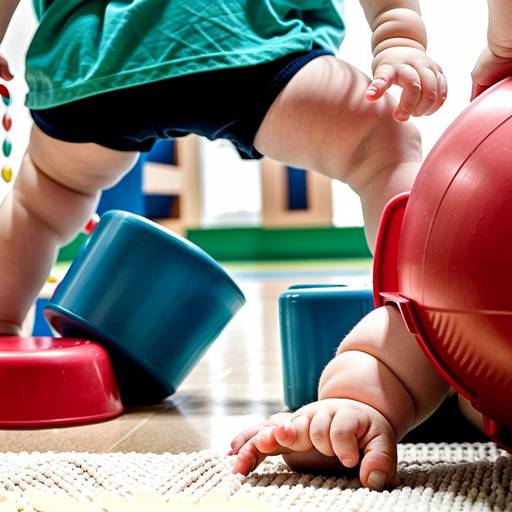
This lesson plan is designed for infants aged 0-12 months, focusing on enhancing gross motor skills through engaging and interactive play activities. The session lasts for 30-45 minutes and begins with a warm-up to get the infants moving.
Four movement stations are set up throughout the play area, allowing infants to explore various gross motor skills. Activities include rolling balls to encourage reaching and crawling, navigating a crawling tunnel, practicing standing with push toys, and experiencing texture through sensory play. A group activity incorporates music, inviting infants to move freely while shaking instruments, promoting rhythm and coordination.
The session concludes with a calming cool-down period and a brief group discussion to reflect on the activities. Parents will receive feedback on their child's engagement and development, along with handouts of additional activities to promote gross motor skills at home. The emphasis throughout is on fostering physical development, social interaction, and parental involvement.
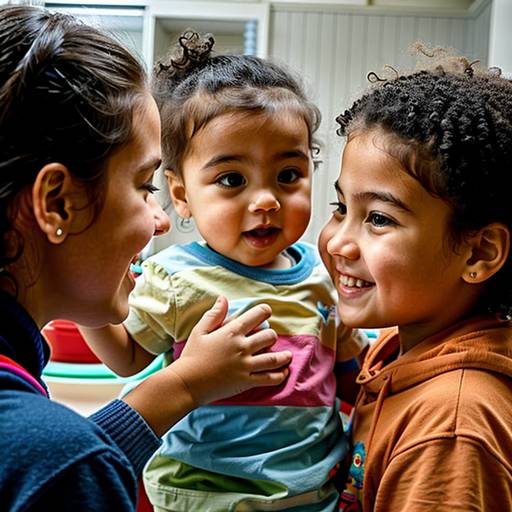
The lesson plan focuses on nurturing social skills in infants aged 12-24 months through engaging activities centered around social play. It aims to promote cooperation, turn-taking, and communication among peers in a supportive environment. The session begins with a welcoming circle time that sets a warm tone and introduces simple social concepts.
Infants will enjoy a group snack where sharing is encouraged, followed by rotating through interactive play stations featuring soft blocks, balls, and puppets. This setup facilitates joint engagement and play among the children. A storytime segment allows caregivers to discuss emotions and actions of the characters, further enhancing social understanding.
The lesson concludes with a fun music and movement activity that encourages imitation and expressive play. The final circle time wraps up the session with a goodbye song, reinforcing community ties. Throughout the lesson, caregivers receive observations and suggestions to continue fostering social interactions at home, ensuring continued development of these essential skills.
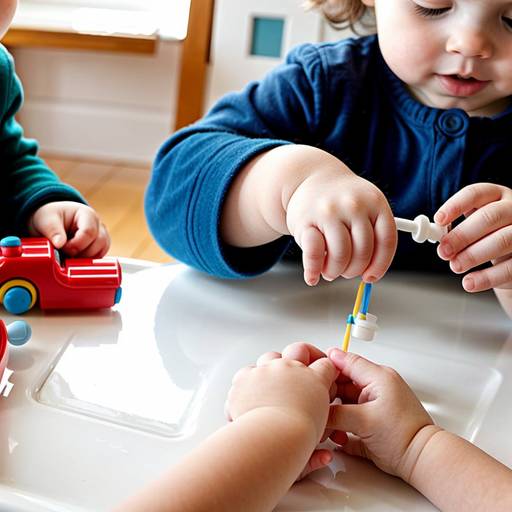
This lesson plan focuses on enhancing fine motor skills in infants aged 6 to 12 months through a series of engaging, hands-on activities. The session aims to promote hand-eye coordination, pincer grasp development, and grip strength while providing opportunities for sensory exploration and play.
The activities include stacking large beads or blocks, finger painting on large sheets of paper, and transferring objects between containers to encourage manipulation skills. Infants will also explore various textured fabrics and items, stimulating their tactile senses. Throughout the lesson, caregivers are encouraged to support and praise the infants, fostering a positive learning environment.
The lesson lasts for 30-45 minutes and incorporates both structured activities and free exploration, allowing infants to practice and develop their motor skills effectively. Observations during the activities will help assess individual progress, and adaptations are included to accommodate infants with varying abilities. Additionally, follow-up activities are suggested for caregivers to continue supporting fine motor development at home.
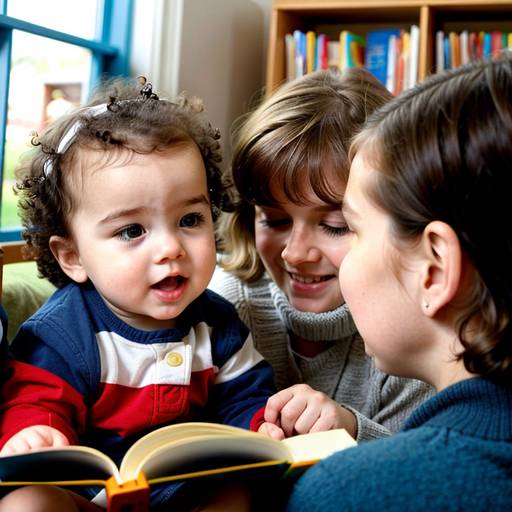
This lesson plan focuses on fostering early language development and reading readiness among infants aged 6-12 months through engaging and interactive activities. The session begins with a welcoming song to create an inviting atmosphere, followed by a story time exploration using colorful board books to promote auditory engagement and vocabulary building.
Infants and their caregivers participate in a rhymes and song session incorporating actions, enhancing auditory discrimination and bonding. Picture card play encourages recognition of familiar objects, allowing infants to point and mimic sounds associated with the images. Sensory book exploration provides opportunities for tactile engagement with fabric books, promoting curiosity and attachment to print.
The lesson concludes with a calming session where caregivers share reflections on the activities, reinforcing the importance of reading at home. Caregivers receive resources to support language development beyond the session, with encouragement to continue fostering their child's love for books and language. Throughout the plan, observation of infants' engagement and caregiver involvement is key to assessing the effectiveness of the activities.
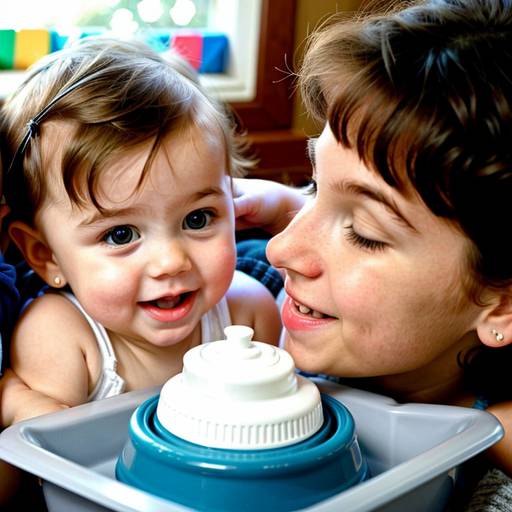
This lesson plan focuses on enhancing bonding experiences for infants and their caregivers through engaging play and interactive activities. The session begins with a warm welcome, followed by a lively circle time featuring movement-based songs that promote eye contact and connection.
Participants then rotate through several play stations, including sensory exploration with various toys, musical instrument experiences, bubble play for tracking skills, and storytime with picture books. Each activity encourages caregivers to engage with their infants, fostering emotional connections.
The session concludes with a group reflection where caregivers share their insights and observations about their infants' reactions, reinforcing the importance of interaction. Finally, caregivers receive take-home suggestions for continuing bonding activities, creating a supportive environment for nurturing early social skills. The overall aim is to strengthen the emotional ties between infants and their caregivers through joyful, shared experiences.