
Filters
Level
Grade
Subject
Subject Area
Subject Topic
Standard(s)
Audience
Keyword
DurationMinutes
Infant Lesson Plans

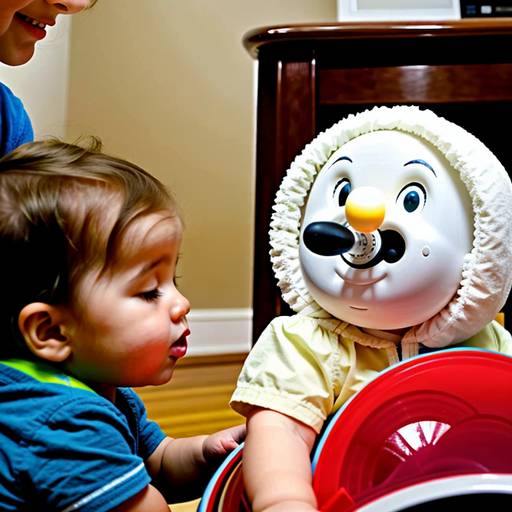
This lesson plan focuses on enhancing auditory sensory development in infants aged 6-12 months through engaging activities centered around sound exploration. The session begins with welcoming the infants and their caregivers and introduces a calming auditory atmosphere.
The first activity invites infants to explore sound-making instruments, such as maracas and tambourines, encouraging them to shake and bang the instruments with caregiver assistance. Following this, a second activity utilizes household items, allowing infants to create sounds by tapping and shaking safe kitchen tools, fostering creativity and engagement.
Next, a sensory storytime integrates sound effects and corresponding props, capturing the infants' attention while promoting sound recognition. The lesson continues with a sound response activity, where caregivers play nature sounds and encourage infants to respond through mimicry and movement.
To conclude the session, a calm environment is created with soft music, allowing infants to relax and reflect on the sounds experienced throughout the lesson. Caregivers are encouraged to notice their infants' sound preferences and reactions, promoting ongoing exploration of sounds at home. The session aims to create a fun and interactive experience, supporting auditory development in a nurturing environment.

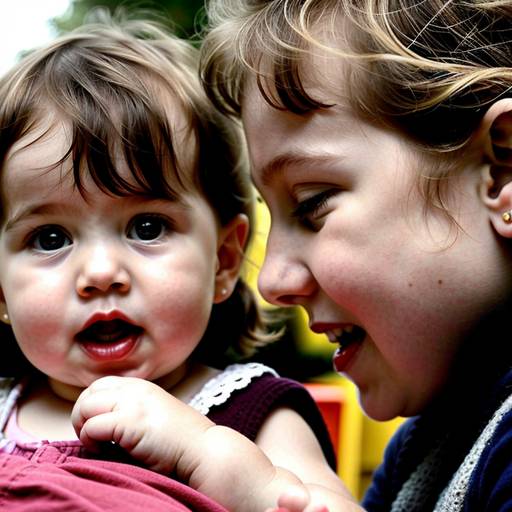
This lesson plan focuses on fostering infants' language development through playful babbling activities. Designed for infants aged 6-12 months, the session lasts 30 minutes and includes various interactive components. The plan begins with a welcoming song to engage the infants, followed by sound exploration using toys that produce different noises, encouraging them to mimic and respond to babbling sounds. An interactive storytime features rhythmic and repetitive sounds to invite participation, while mirror moments allow infants to see themselves as they vocalize, enhancing self-recognition and emotional connections. The session concludes with a cool-down period where caregivers and infants can relax together. Caregivers receive insights on the importance of babbling and tips to continue encouraging this skill at home. Optional extension activities include creating a "Sound Journal" to track and celebrate the infants' vocal progress. Overall, the plan aims to create a stimulating and enjoyable environment for infants to practice their emerging language skills.
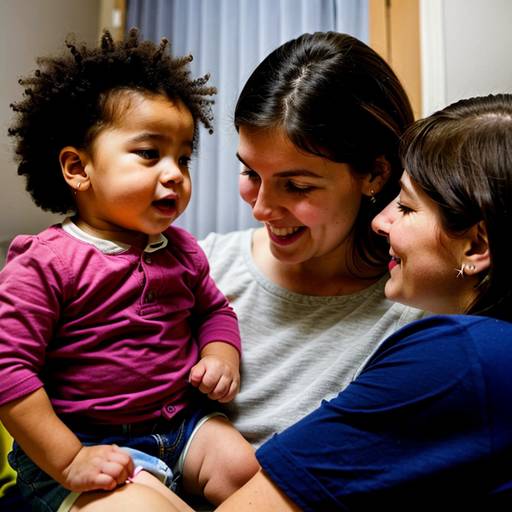
This lesson plan focuses on enhancing listening skills in infants aged 0-12 months through engaging, interactive activities. The session begins with an introduction emphasizing the importance of listening for language development. Infants participate in a sound exploration activity where they listen to various environmental sounds and interact with sound-making toys. Following this, infants enjoy a musical moments segment where they are introduced to simple instruments, encouraging them to mimic sounds and engage with music. The plan includes an interactive listening game where infants match sounds to picture cards, reinforcing auditory recognition. The lesson concludes with a calm wrap-up that highlights the sounds experienced and offers caregivers practical tips for continuing listening activities at home. Assessment focuses on observing infants' reactions and engagement, providing insights into their listening behaviors and developmental progress. The plan is designed to create a safe, stimulating environment that fosters auditory discrimination and early language skills.

This lesson plan focuses on fostering sensory exploration through sound for infants aged 6 to 12 months. During a 30-minute session, caregivers and their babies engage in a series of interactive activities aimed at enhancing auditory awareness. The session begins with a welcoming song, followed by three exploration stations.
At the first station, infants play with various musical instruments, discovering how movement affects sound production. The second station allows them to interact with different sound-making objects, encouraging tactile exploration and the ability to recognize and react to diverse sounds. In the final station, infants listen to recordings of nature sounds while viewing corresponding visual aids, helping them connect auditory experiences with visual elements.
The session concludes with a group closing song, creating a joyful atmosphere where infants are invited to participate using their instruments. Caregivers are encouraged to continue sound exploration at home, reinforcing auditory skills in a playful manner. Throughout the activities, observations are made on infants’ engagement levels and their ability to respond to different auditory stimuli, providing insight into their sensory development.

This lesson plan focuses on enhancing infants' sensory development by engaging them in a hands-on exploration of various textures. Designed for children aged 6-12 months, the hour-long session includes interactive activities aimed at fostering curiosity and fine motor skills.
The lesson begins with an introduction to the theme of texture exploration, encouraging caregivers to participate. Infants then rotate through several sensory stations featuring a touch box with different materials, a sensory bin filled with rice or pasta, texture books with tactile elements, and textured toys that promote play and manipulation.
Following the exploration stations, infants engage in a creative art activity using finger paint, where caregivers encourage discussions about texture while infants create their unique artworks. The session concludes with a group reflection, allowing caregivers to share observations about their child's tactile experiences and introducing new vocabulary related to textures.
Caregivers are encouraged to continue the learning at home by finding and exploring everyday textures, making it an enriching experience that extends beyond the session. All materials used are safe for infants, with a strong emphasis on supervision throughout the activities.


This lesson plan focuses on helping infants develop fundamental social skills related to turn-taking through interactive play. It is designed for a group of infants aged 6 to 18 months and spans 30-45 minutes. The session begins with a brief introduction that includes modeling turn-taking using a soft toy to illustrate the concept.
The main activity involves distributing soft toys or balls to each child, where they practice passing the items around while using a timer to facilitate sharing. This encourages both patience and cooperation. Additionally, simple turn-taking games using picture cards are incorporated to visually reinforce the skill in various contexts.
A transition activity features gentle music to promote movement and joy, while the conclusion features a discussion with caregivers about the importance of turn-taking, followed by a closing song or rhyme. Observations during the activities help assess children’s participation and reactions. The lesson encourages caregivers to reinforce the skill at home through playful interactions, promoting ongoing development of social skills. Overall, the plan creates a fun, engaging environment for infants to learn and practice sharing and cooperation with their peers.

This lesson plan focuses on helping infants understand and practice making eye contact as a fundamental aspect of social interaction and connection. The session begins with an introduction to the importance of eye contact, using simple language and demonstrations involving caregivers.
Engaging activities include a colorful card game to recognize emotions, a mirroring exercise with a safe mirror to encourage self-recognition and expression, and a storytime segment featuring characters who interact through eye contact. The lesson concludes with a closing circle where children are prompted to practice eye contact with peers, fostering a sense of friendship and community through shared visual engagement.
Throughout the lesson, caregivers are encouraged to model eye contact and provide supportive feedback, which reinforces the skill in different settings, both during the session and at home. The overall goal is to promote comfort and familiarity with eye contact as a tool for communication and emotional connection among infants.

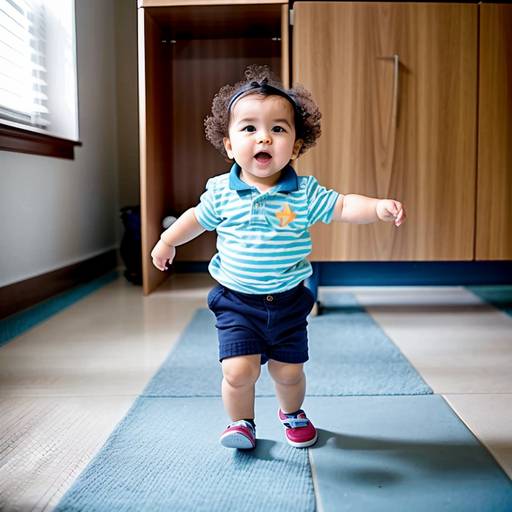
This lesson plan focuses on helping infants understand the concept of cause and effect through interactive and sensory-based activities. The session is designed for children aged 6 to 12 months and includes a variety of engaging materials such as soft balls, musical instruments, and water play items.
The lesson begins with a simple demonstration of rolling a ball, allowing infants to explore how their actions lead to specific outcomes. This is followed by a musical activity where they can create sounds by shaking instruments, reinforcing the connection between movement and auditory response. The water play activity encourages further exploration as infants discover which objects float or sink when introduced to water, emphasizing the cause-and-effect relationship in a hands-on manner.
Throughout the lesson, caregivers are encouraged to verbalize the actions and outcomes, supporting language development while ensuring an immersive learning experience. The session concludes with a group discussion to reinforce the concepts learned, accompanied by a fun, interactive song that invites participation, further solidifying their understanding of the concepts introduced.
Assessment is based on observational engagement, with plans for follow-up activities aimed at deepening their comprehension of cause and effect in future lessons.
This lesson plan focuses on introducing infants to the concept of object permanence, helping them understand that objects continue to exist even when they are not visible. The session, designed for infants between 6 to 12 months, lasts for 30 minutes and includes engaging activities that stimulate cognitive development.
The lesson begins with an introduction to the concept in simple terms, followed by a warm-up rhyming song that incorporates hiding and finding objects to engage both infants and caregivers. The main activity involves a hidden object game, where caregivers facilitate the exploration of hidden toys under a blanket and within a container, encouraging infants to actively search for the items.
At the end of the session, caregivers and infants gather to reflect on the experience, reinforcing the understanding of object permanence through discussion and visual cues. Observations of infants' reactions during the activities are used to assess their engagement and understanding. The lesson also includes suggestions for similar extension activities that caregivers can replicate at home, further promoting the development of cognitive skills through play and interaction.

This lesson plan focuses on enhancing listening skills in infants aged 0-12 months through engaging auditory activities. The session begins with a warm welcome to infants and caregivers, highlighting the importance of listening in early development.
Activities include exploring sound-making toys, recognizing animal sounds through audio clips, and using simple musical instruments to encourage infants to respond to various pitches and rhythms. A storytime segment incorporates sound words to engage infants further and foster interaction between caregivers and their little ones. The lesson concludes with a calming listening moment featuring soft music, allowing infants to relax while developing an awareness of different sounds.
Caregivers are encouraged to participate actively and share experiences, with a handout provided that offers tips for incorporating listening activities into daily routines at home. Overall, the plan aims to create a fun and supportive environment for developing essential listening skills while strengthening the bond between caregivers and infants.