
Filters
Level
Grade
Subject
Subject Area
Subject Topic
Standard(s)
Audience
Keyword
DurationMinutes
Infant Lesson Plans

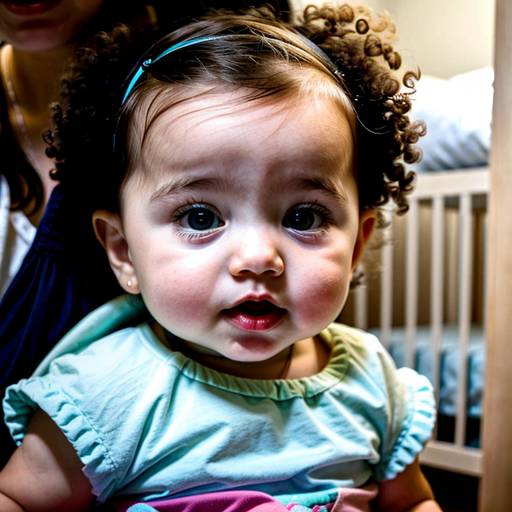
The lesson plan focuses on engaging infants aged 3-12 months in sensory development activities centered around sounds. It includes a variety of interactive experiences, such as exploring diverse sound-producing instruments, listening to nature sound recordings, and playing with soft toys that generate sounds. The plan encourages caregivers to actively participate, promoting auditory awareness and recognition in infants. The activities are designed to stimulate curiosity and engagement, allowing infants to explore sounds freely while fostering caregiver-infant bonding. The session concludes with a calming sound experience, providing an opportunity for caregivers to reflect on their infants' responses and encourage continued sound exploration at home.

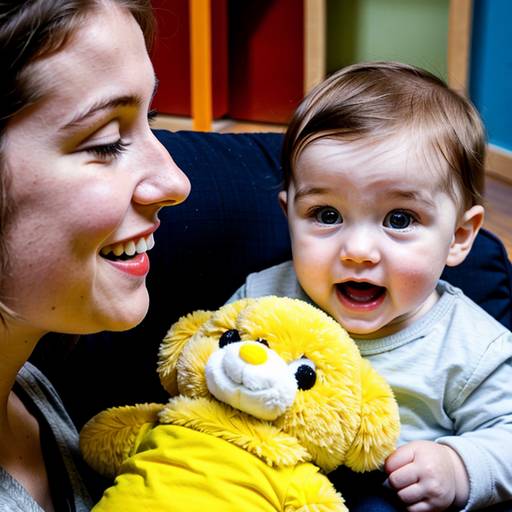
This lesson plan is designed for infants aged 0-24 months and focuses on recognizing and expressing basic emotions through interactive activities. It begins with an introduction to the importance of emotional understanding for social development, followed by a warm-up activity where infants engage with their reflection in a mirror to explore various facial expressions.
Next, caregivers and infants participate in a game using emotion flashcards, helping infants mimic and understand different emotional cues. A circle activity introduces soft toys representing various feelings, allowing for storytelling and tactile interaction to reinforce emotional concepts.
The program includes a movement segment where caregivers and infants dance with colorful scarves, creatively expressing emotions through movement. Finally, the session concludes with a closing circle for shared reflections and tips for caregivers to incorporate emotional recognition into daily routines.
The assessment involves observing infant engagement and caregiver participation, while follow-up resources are provided to encourage ongoing emotional exploration at home. Overall, the lesson aims to foster early emotional literacy and develop social skills in a playful and supportive environment.
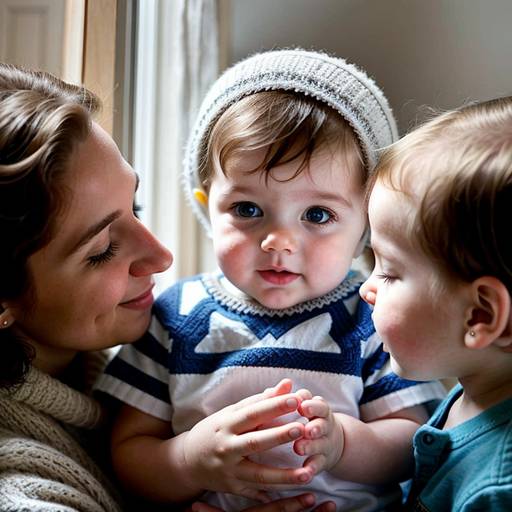
This lesson plan focuses on enhancing visual sensory development in infants aged 0-12 months through engaging activities and interactive materials. The session lasts 30-45 minutes and begins with an introduction that highlights the importance of visual stimulation.
Activities include exploring colorful toys to encourage hand-eye coordination, using light projectors or fairy lights for a soothing visual experience, and presenting high-contrast images to promote eye tracking. Infants will also engage with unbreakable mirrors to observe themselves, fostering social-emotional development, and explore a sensory blanket with various textures to stimulate touch and vision.
The session concludes with a gathering to discuss observations and experiences, emphasizing the importance of ongoing visual stimulation at home. Caregivers are provided with tips to continue supporting their infants' visual development, all while ensuring a safe and nurturing environment for exploration and interaction.

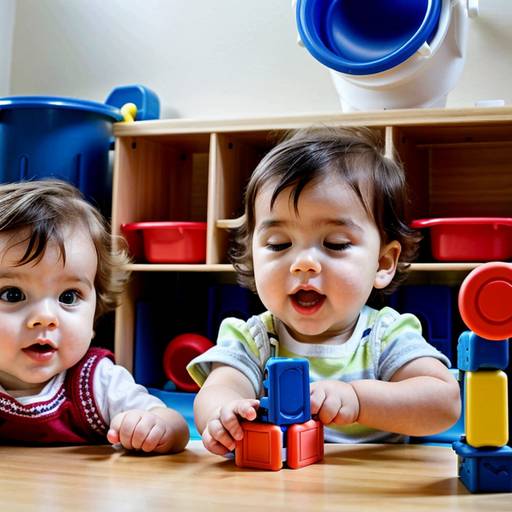
This lesson plan aims to help infants aged 6 to 12 months develop fine motor skills through a series of engaging activities designed to enhance hand-eye coordination, grasping, and manipulation. The session begins with a welcoming circle that includes a song with hand movements to foster engagement.
Infants will explore texture through soft sensory balls and wooden blocks in a sensory exploration station. Following this, they will have creative manipulation time using non-toxic play dough to squish and roll, promoting finger strength. A sorting and grasping activity with large buttons and containers will encourage pinching and dropping skills, while a fun pull and tug segment with fabric strips will focus on grasping and pulling.
The lesson concludes with a musical movement finale, where infants can explore sound using easy-to-grab shakers. Observations will be made regarding each child’s progress, and caregivers will be encouraged to support fine motor development at home through shared insights. Overall, this interactive session promotes the essential fine motor skills critical for infants' growth and future exploration.

The lesson plan is designed for infants aged 6 months to 1 year and focuses on helping them recognize and respond to basic emotions through interactive, engaging activities. The session begins with an introduction to emotions, encouraging caregivers to participate and engage with their infants.
Activities include showing emotion flashcards, allowing caregivers to demonstrate facial expressions, and using soft mirror toys to promote self-recognition. An emotion movement game follows, where infants respond to upbeat music that corresponds to different emotional expressions while being held by their caregivers.
The lesson culminates in storytime with emotion-themed picture books, encouraging caregivers to discuss characters' feelings with their infants. The session concludes with a closing circle for sharing insights and reinforcing the importance of emotional expression. Caregivers receive a handout with home activities to continue fostering emotional understanding. Overall, the plan aims to enhance social skills and emotional recognition in a nurturing environment.

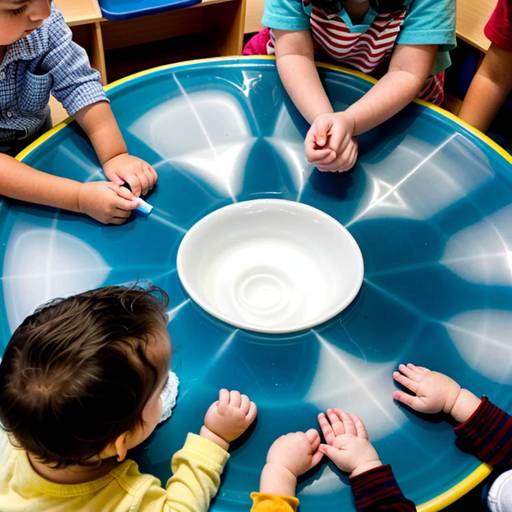
This lesson plan aims to enhance infants' understanding of cause and effect through interactive and sensory-rich activities. Designed for infants aged 6 to 12 months, the session involves three key activities: exploring various textured balls to observe rolling and bouncing, engaging in water play to create splashes and ripples, and experimenting with musical instruments to discover sound production. The plan emphasizes caregiver involvement, encouraging them to guide infants in making connections between their actions and the resulting outcomes. The session concludes with a group discussion and an interactive story time, reinforcing the concepts learned through play. Safety is prioritized, particularly during the water play, while fostering a fun and engaging learning environment. Observations during the activities will help tailor future sessions based on the infants' interests and developmental progress.
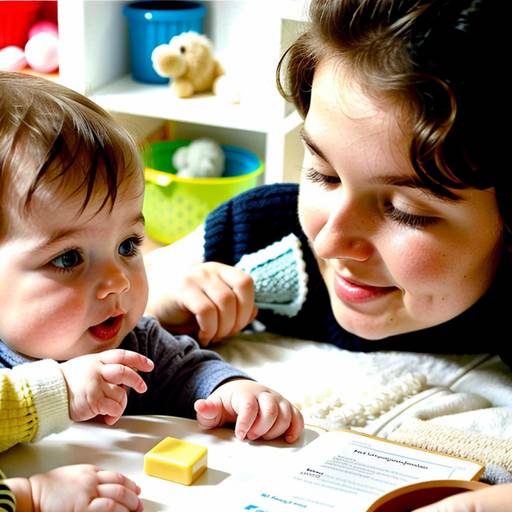
This lesson plan focuses on enhancing infants’ sensory development through the exploration of various textures. Designed for infants aged 6 to 12 months, the session lasts 45 minutes and includes interactive activities that promote tactile awareness and language skills.
The lesson begins with a welcome and circle time, introducing the theme of textures. Infants then rotate through several engaging stations, each featuring different textured materials. These stations include a texture board for hands-on exploration, plastic bags filled with varied items for infants to feel, a sensory bin with tactile materials, and a storytime segment that incorporates textured illustrations.
The group activity includes an interactive song about textures, encouraging movement and engagement. The session concludes with a reflection and sharing time, inviting caregivers to discuss their observations and the importance of texture exploration in sensory development. Follow-up activities encourage continued exploration at home, emphasizing the value of tactile experiences in early childhood. Caregivers are reminded to supervise their infants at all times to ensure a safe and positive learning experience.

This lesson plan focuses on enhancing social skills among infants through engaging and interactive play activities. It begins with a welcoming circle where caregivers and infants gather, followed by sensory exploration using colorful bins to facilitate sharing and interaction. Partner games with mirrors encourage imitation and turn-taking, fostering social connections. Cooperative play with soft blocks and plush toys allows infants to explore together while caregivers support their interactions. A group movement activity involving a parachute promotes fun and teamwork. The session concludes with reflective circle time where caregivers share observations and a short story is read to reinforce concepts of social play. Overall, the plan emphasizes the importance of play in developing foundational social skills, offering caregivers insights and follow-up activities to continue nurturing these skills at home.

This lesson plan aims to help infants learn about basic emotions (happy, sad, angry, surprised) through interactive play and social engagement. The session begins with an introduction that sets a positive atmosphere, followed by activities using emotion flashcards to visually and vocally express various feelings. Infants participate in a mirror play activity, where they observe and imitate facial expressions, enhancing self-recognition and emotional understanding.
Role-playing with stuffed animals allows infants to explore emotions in a playful context while encouraging social interactions. A music and movement segment invites infants to dance and express emotions through rhythmic movement, using colorful scarves to represent different feelings visually.
The lesson concludes with a group reflection, allowing caregivers to share their experiences and observations. Handouts are provided to guide caregivers in recognizing and responding to their infants' emotional expressions at home. Overall, the plan fosters emotional awareness and social skills in a fun and engaging environment.
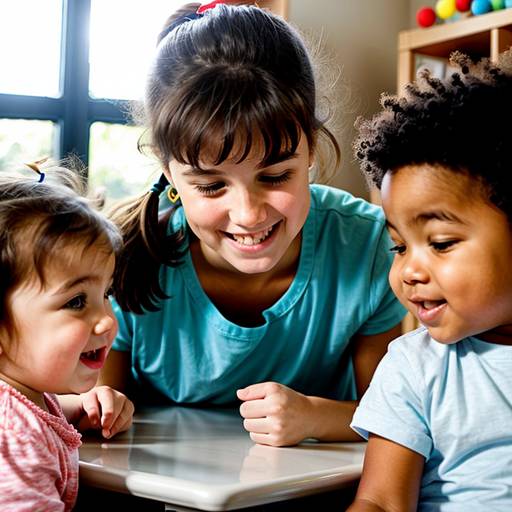
This lesson plan focuses on helping infants recognize and express basic emotions through interactive activities that encourage socialization and emotional understanding. It begins with a welcoming circle time where caregivers and infants gather to introduce the day's theme. The session includes presenting emotion flashcards, allowing infants to observe and mimic various facial expressions with their caregivers.
Next, plush toys representing different emotions are introduced for playful interactions, fostering connection among peers. A mirror activity encourages infants to explore their reflections and express emotions visually. Storytime engages children with narratives that highlight emotional experiences, prompting discussions about feelings.
The lesson incorporates movement and music, where infants dance with colorful scarves to reinforce emotional expressions through play. It concludes with a reflective wrap-up where caregivers share their feelings about the activities, supported by a simple song about emotions. Throughout the lesson, observation of infants' responses and interactions serves as a means of assessment, and follow-up ideas are provided for continued emotional exploration at home.