
Filters
Level
Grade
Subject
Subject Area
Subject Topic
Standard(s)
Audience
Keyword
DurationMinutes
Elementary School Lesson Plans

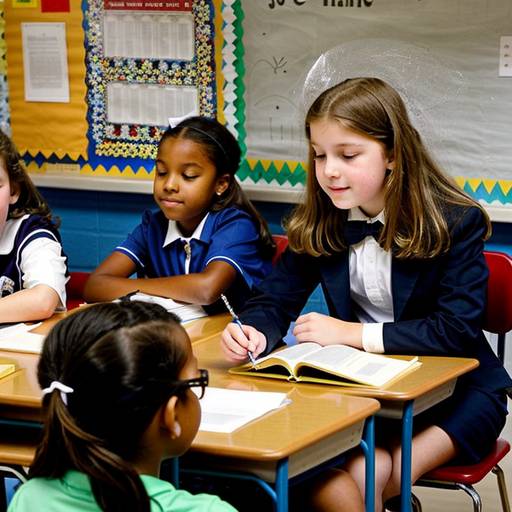
In this 3rd-grade social studies lesson, students explore the contributions of significant historical figures who influenced society. The lesson begins with a discussion about what makes someone a hero, followed by a mini-lecture introducing a selection of inspiring historical figures, such as Martin Luther King Jr. and Rosa Parks. Students are then divided into small groups to choose a figure and create a poster that highlights their achievements and legacy. Throughout the activity, students engage in teamwork and creativity while using resources for research. The lesson concludes with group presentations, where students share their posters with the class, reinforcing their understanding of the figures' importance and encouraging them to think about how they can contribute positively to their community. Ultimately, this engaging lesson fosters a deeper appreciation for history and inspires students to consider their own roles in making a difference.
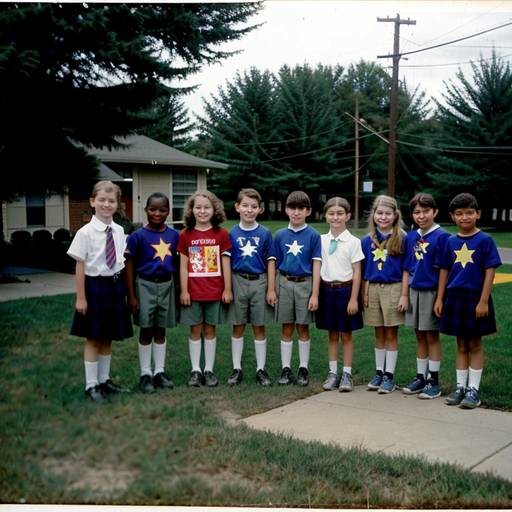
In this 2nd-grade social studies lesson, students will explore the various roles within their community and the significance of community helpers. The lesson begins with an engaging discussion about what a community is and who the key figures are that contribute to its functioning. Following this, the teacher will read a storybook that highlights different community workers, facilitating a conversation about the responsibilities of these individuals.
Students will then participate in a group activity where they identify community helpers using picture cards, contributing to a class chart that outlines each helper's role and duties. For a hands-on individual activity, they will create a worksheet featuring their favorite community helper, complete with a drawing and descriptive sentences about the helper's contributions to the community.
The lesson concludes with students sharing their work with peers, promoting a sense of appreciation for the people who support and enhance their neighborhood. Through these activities, students will gain an understanding of the importance of community roles and the collaborative efforts that foster a thriving environment. This lesson not only engages students in creative expression but also instills a respect for community helpers and their essential functions.

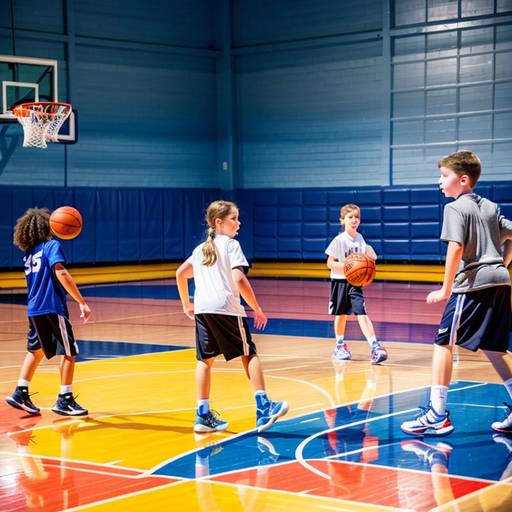
In this 60-minute physical education lesson for 3rd graders, students will be introduced to the basics of basketball through various skills, drills, and gameplay. The lesson begins with a dynamic warm-up, including stretching and a fun game to promote movement. Students will learn fundamental basketball rules and the importance of teamwork.
The class will engage in a dribbling drill where they weave through cones to enhance their control and dexterity. Next, they will pair up to practice different types of passes, focusing on precision and targeting. Following the skill development, students will participate in a small-sided game, allowing them to apply what they've learned in a team setting while fostering communication and collaboration.
The session concludes with a cool-down period where students stretch and reflect on their experiences, emphasizing teamwork and sportsmanship. Throughout the lesson, the instructor will assess students’ skills and provide feedback, ensuring a supportive and engaging environment. Adaptations are available for students with varying abilities, promoting inclusivity and safety during all activities.
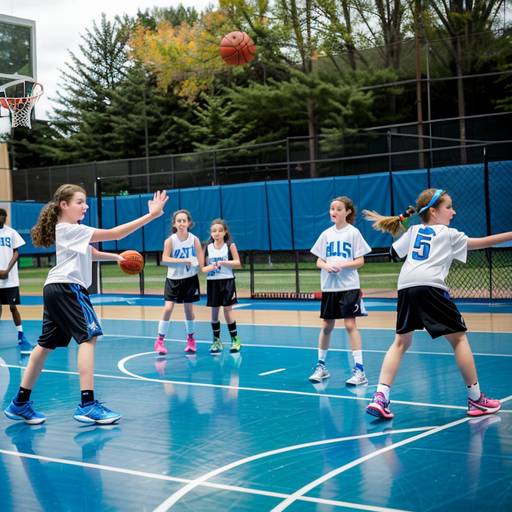
In this 60-minute physical education lesson tailored for 5th-grade students, the focus is on developing fundamental basketball skills while promoting teamwork and sportsmanship. The session begins with a warm-up that includes jogging and dynamic stretches to prepare the students for physical activity.
Throughout the lesson, students engage in three main skill areas: dribbling, passing, and shooting. They practice dribbling through a cone course to improve control and awareness, followed by paired passing drills that emphasize communication and technique. The shooting segment introduces fundamental shooting form, giving students the opportunity to practice from marked distances, culminating in a mini shooting competition for added excitement.
To reinforce the learned skills, students participate in small-sided 3-on-3 games, allowing them to implement dribbling, passing, and shooting in a team context. The lesson concludes with a cool-down session featuring stretching and reflection, where students share their thoughts on their experiences and identify areas for personal improvement. Overall, the lesson encourages active participation, develops essential basketball skills, and fosters a sense of cooperation and camaraderie among students.
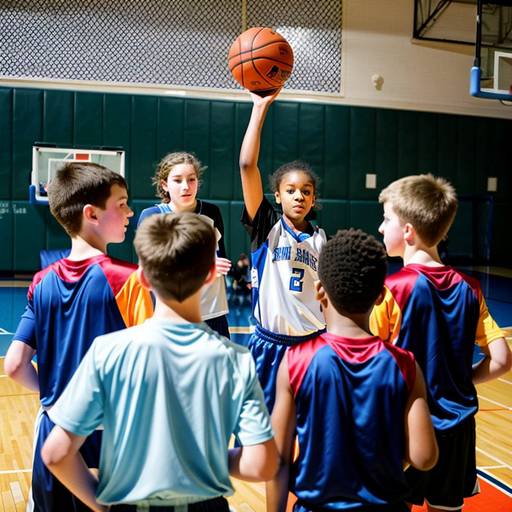
This lesson plan for 4th-grade physical education focuses on introducing students to fundamental basketball skills, including dribbling, passing, and shooting, while promoting teamwork and sportsmanship. The lesson begins with a warm-up activity to prepare students physically, followed by an explanation of key skills and concepts. Students then rotate through three skill stations—dribbling, passing, and shooting—where they practice specific techniques and improve their accuracy and control.
After skill development, students engage in a mini basketball game, allowing them to apply what they have learned in a team setting. The lesson concludes with a cool-down and a reflective discussion about the importance of communication and support among teammates. Throughout the session, students are observed for their participation and skill application, with feedback provided to enhance their learning experience. The plan emphasizes safety, hydration, and a positive learning environment, ensuring an enjoyable and effective introduction to basketball.

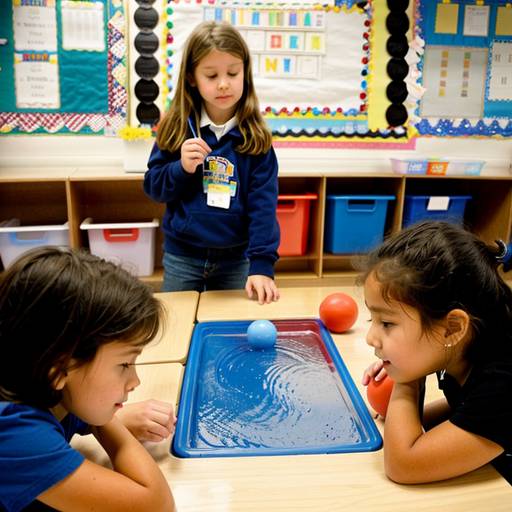
In this 1st-grade science lesson, students explore the fundamental concepts of force, specifically focusing on push and pull, and how these forces affect the motion of objects. The lesson begins with a discussion that engages students in sharing their ideas about what makes things move. They then learn the definitions of push and pull through simple demonstrations with toy cars.
In small group activities, students investigate various objects to determine whether they can push or pull them, fostering collaboration and hands-on learning. The lesson includes a hands-on challenge where students experiment with a ramp to observe how height affects the distance objects travel when pushed or pulled. Students also have the opportunity to measure forces using a spring scale if available.
As the lesson concludes, students reflect on what they learned by sharing insights with a partner and creating drawings that illustrate examples of push and pull. The instructor assesses understanding through observation during activities and by reviewing students' worksheets.
Extensions and adaptations are included to support diverse learning needs, promoting an inclusive and engaging environment. This lesson aligns with the Next Generation Science Standards for K-2 science, providing a foundational understanding of motion and forces.

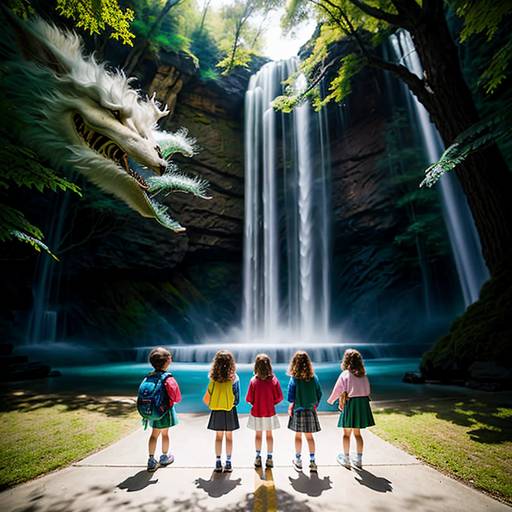
In this 2nd-grade art lesson, students will explore the creation of imaginative creatures using basic drawing techniques involving shapes and lines. The session begins with a discussion about various imaginary creatures, followed by a demonstration on how to combine shapes to form unique figures and use lines to add features. Students will then create their own creatures on drawing paper, encouraged to employ color mixing techniques with colored pencils or crayons. After completing their artwork, students will share their creations with the class, describing their creatures’ names, habitats, and special traits. The lesson emphasizes creativity, encourages storytelling, and culminates in a reflection on the drawing experience. Assessment will be based on student participation, creativity, and application of the techniques learned. An extension activity allows for further exploration through storytelling.
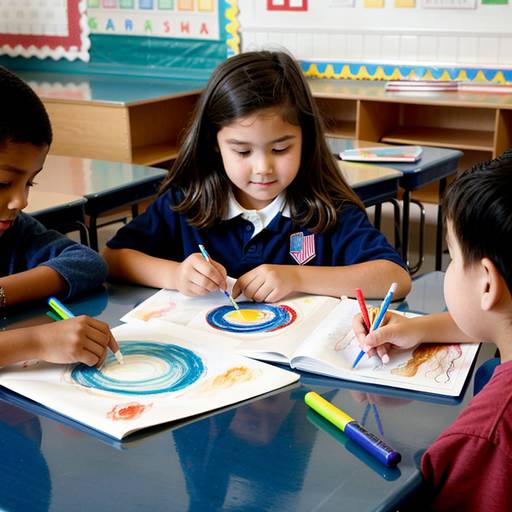
In this 1st-grade art lesson, students will explore how to express emotions through basic drawing techniques using shapes and lines. The lesson begins with a discussion about feelings and how they can be illustrated in art. Students will practice creating simple shapes and lines, learning to combine them into structures that represent different emotions.
After this guided practice, each student will select an emotion from illustrated cards and create their own imaginary world or scene that reflects that feeling. They will have the opportunity to use various colors to enhance their artwork, fostering creativity and individuality. As they work, the teacher will provide support and encouragement.
The lesson concludes with students sharing their drawings with the class, discussing the emotions represented and the techniques used. Assessment will be based on participation, creativity, and the application of art techniques in their work. Extensions to the lesson may include collaborative projects and storytelling activities.

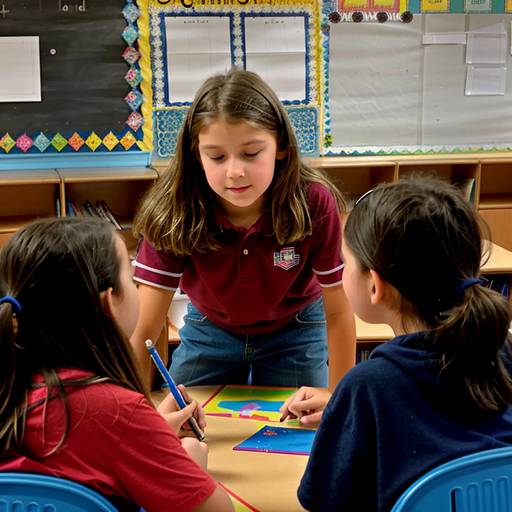
In this 3rd-grade language arts lesson, students will engage in the creative writing process by imagining and crafting their own unique worlds. The lesson begins with a discussion about imaginative settings found in literature and includes a read-aloud of a captivating story excerpt. Following this, students will use a story planning worksheet to brainstorm ideas related to their own fictional world, including details about the setting, characters, and plot.
After brainstorming, students will spend time writing a short story that establishes a clear beginning, middle, and end, all while expressing their creative ideas. Once they have completed their stories, they will illustrate scenes or important aspects of their worlds, allowing for a visual representation of their creativity.
The lesson concludes with an opportunity for students to share their stories and artwork with the class or in small groups, promoting confidence and peer feedback. Assessment will focus on their participation, the completeness of their worksheets, and the creativity displayed in their narratives. Extension activities may include compiling a class book of stories or performing dramatic readings, while modifications are provided to support diverse learning needs. Overall, the lesson aims to foster imagination and enhance storytelling skills in a fun and engaging manner.
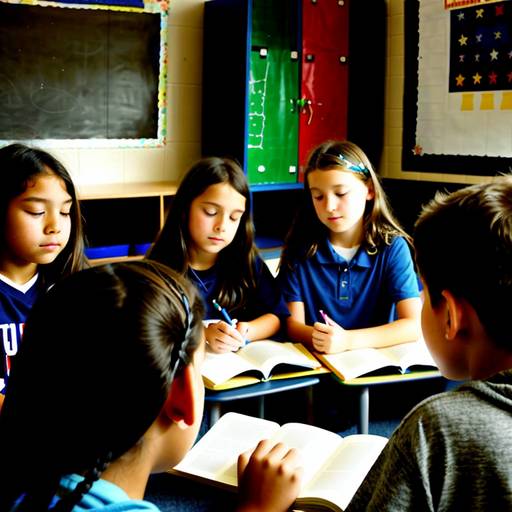
In this 5th-grade language arts lesson plan, students will engage in creative writing by crafting their own imaginative stories based on provided prompts. The lesson begins with a discussion about creativity in storytelling, highlighting memorable elements from their favorite books and movies. A mini-lesson focuses on the use of descriptive language and sensory details to enhance writing, along with the importance of character and setting development.
After the instruction, students will spend time writing a short story while incorporating their newfound knowledge about description and detail. To foster collaboration, students will then share their stories with a partner, providing feedback to one another. The lesson concludes with a group sharing session, where some students may read their stories aloud to the class, followed by a reflection on the writing process. Assessment will be based on participation, the creativity of the written work, and the effective use of descriptive language. Extensions include displaying student work and organizing a storytelling event to further celebrate their creativity.