
Filters
Level
Grade
Subject
Subject Area
Subject Topic
Standard(s)
Audience
Keyword
DurationMinutes
Elementary School Lesson Plans
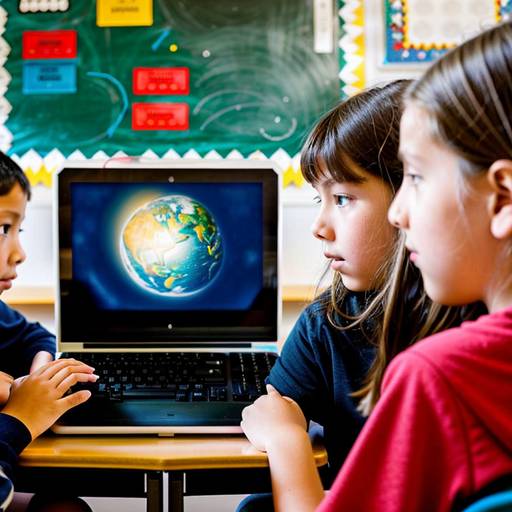
In this 4th-grade technology lesson plan, students will explore the art of storytelling through multimedia elements such as text, images, audio, and video. The lesson spans two sessions, beginning with a discussion on storytelling and an introduction to various multimedia components. In small groups, students will brainstorm ideas, develop characters and plotlines, and create storyboards for their narratives.
During the second session, students will use digital tools to create their multimedia stories, incorporating images, audio, and text as they work collaboratively. Each group will present their final projects to the class, fostering an environment of sharing and feedback. Assessment will focus on participation, collaboration, and the effective use of multimedia in their storytelling. This engaging lesson not only enhances students' creativity and critical thinking but also provides them with hands-on experience in digital storytelling.


In this Kindergarten art lesson, students will explore animal creation through the use of basic shapes. The lesson begins with a discussion about favorite animals, followed by an introduction to basic shapes and how they can be combined to form unique creatures. Students will then brainstorm their imaginary animals, sketching them on paper using pencils. Once their drawings are complete, they will add color and detail using crayons, colored pencils, and markers, with optional embellishments like glitter or stickers for additional texture. The session concludes with students sharing their artwork and discussing their creations. This lesson aims to enhance creativity and fine motor skills while fostering artistic expression and confidence among young learners. Cleanup is included as part of the structure to encourage responsibility.
Through observation and sharing, the teacher will assess students' understanding of shapes and their ability to express their ideas visually. Extensions may include collaborative projects, such as a class mural or storytime related to the animals created. Reflections on the effectiveness of the lesson will help inform future art activities.

In this Kindergarten Language Arts lesson, students will explore the fundamentals of storytelling through writing and creative expression. The class begins with an engaging read-aloud of a picture book that highlights key story elements, followed by a brainstorming session where students collectively generate ideas for characters, settings, and events. Each student will receive a story starter card and a blank storybook template to create their own short stories, incorporating their unique ideas along with the class-generated content. As they write and illustrate their stories, students will be encouraged to express their creativity and share their work with classmates. The lesson concludes with a sharing session, allowing students to celebrate each other’s storytelling efforts while discussing their experience. Assessment will focus on student participation, effort, and the creativity displayed in their storybooks, with modifications available for additional support.
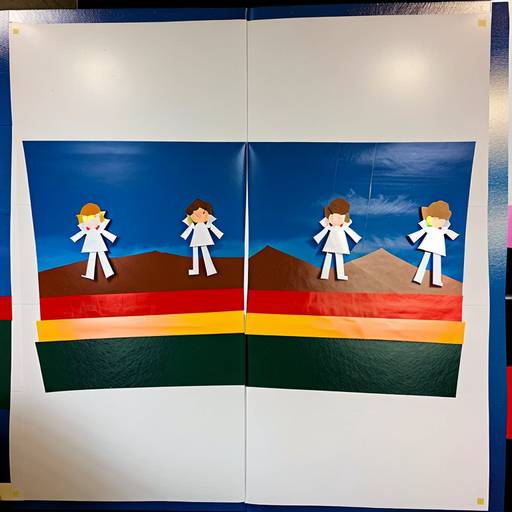
In this 3rd-grade art lesson, students will explore the technique of collage by creating their own layered artworks that convey a theme or story. The lesson begins with a discussion about what collage is and includes visual examples to inspire students. After a demonstration of how to select, cut, and arrange various materials, students will have the opportunity to create their own collages using a variety of paper sources and decorative items. As students work, they will focus on layering their images thoughtfully to develop depth and interest in their artwork. The lesson concludes with a sharing session where students present their collages and explain their creative choices, followed by a clean-up and a reflective exit ticket. Through this process, students will enhance their artistic skills and express their imaginations.
In this 3rd-grade art lesson, students will explore drawing techniques to capture movement and action. The session begins with a warm-up discussion about various forms of movement, using reference images for inspiration. The teacher will demonstrate how to break down complex images into basic shapes and use lines to convey dynamics.
Students will then engage in a hands-on activity where they choose a subject in motion and create sketches, focusing on the flow and action of their figures. After their initial sketches, they will add color and detail to enhance their artworks, using vibrant colors to express energy and speed.
To conclude the lesson, a gallery walk will allow students to display their work and share their artistic choices with the class. This interactive format encourages creativity and observation, with opportunities for peer feedback. Assessment will focus on students' understanding of drawing techniques, creativity, and their ability to convey movement in their artwork. Extensions and adaptations will provide additional support and challenges, ensuring an inclusive learning experience for all students.
In this 4th-grade language arts lesson, students will explore the key components of narrative writing, including character, setting, plot, conflict, and resolution. The lesson begins with a class discussion about the elements that make their favorite stories enjoyable, followed by direct instruction on narrative components. Students will engage in guided practice by brainstorming a story as a class and using a graphic organizer to outline their ideas. They will then independently draft their own narratives, focusing on developing their stories based on the planned elements. The lesson concludes with sharing story ideas and providing a rubric for future reference. Assessment will be based on the completed graphic organizers and narratives, with opportunities for differentiation to support varying student needs. Overall, students will gain confidence in their storytelling abilities and creativity.
This lesson plan for 5th-grade technology focuses on multimedia creation and photo editing. Over two class periods, students will learn the fundamentals of creating digital photo collages that convey a story or theme. The lesson begins with an introduction to multimedia, including a discussion of where students encounter it in everyday life, followed by a demonstration of basic photo editing techniques using software tools. Students will then brainstorm ideas and sketch their collage layouts before gathering images to create their projects.
During the second class, students will engage in hands-on work to develop their collages while practicing the editing skills they learned. They will have the opportunity to collaborate and provide feedback to their peers throughout the creative process. To wrap up the lesson, students will present their collages to the class, discussing the stories behind their images and reflecting on their learning experiences. The assessment will evaluate creativity, technical execution, and adherence to project guidelines, with additional opportunities for presenting their work in a digital gallery format. This lesson not only fosters digital citizenship and creative communication skills but also promotes collaboration and self-expression among students.
This lesson plan aims to engage 4th-grade students in the creative writing process by focusing on the essential elements of storytelling: characters, setting, and plot. The lesson begins with a warm-up discussion that encourages students to share their thoughts on what makes stories exciting. Following this, the teacher introduces and develops a collaborative graphic organizer to illustrate these story elements. A mini-lesson on descriptive language emphasizes the use of adjectives and vivid verbs to enhance storytelling.
Students then complete a worksheet to create their own unique characters, settings, and plots, providing guided support as needed. Afterward, they draft their short stories, integrating their ideas and utilizing descriptive language. The lesson concludes with a sharing session where students can present their stories to the class, fostering a sense of community and celebration of creativity. Assessment is based on participation, completion of the worksheet, and the quality of the drafted stories. Extensions and modifications are included to accommodate diverse learning needs and to enhance the creative experience.
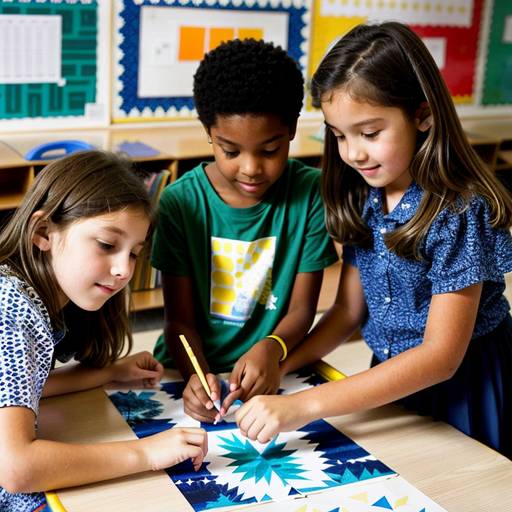
In this lesson plan designed for 4th-grade students, learners will delve into the world of printmaking by exploring texture and pattern inspired by nature. The lesson spans two class periods, beginning with an introduction to natural textures and the fundamentals of relief printing. Students will carve their own printing plates using soft foam or cardboard, applying various nature items to create unique designs. Following this, they will create prints using paint and explore color layering techniques.
In the second class, students will apply paint to their plates and make prints, culminating in a sharing session where they reflect on their creative processes and artistic choices. Assessment will focus on participation, creativity, and the techniques applied. Extensions include keeping a printmaking journal and gathering natural materials for additional projects. This engaging lesson combines hands-on art-making with an appreciation for the textures found in the environment.

This 3rd-grade Life Science lesson focuses on the concept of animal migration. Students will begin by discussing the meaning of migration and its significance for survival, exploring why certain animals undertake long journeys in search of food, breeding grounds, or warmer climates. The lesson includes a visual introduction to various migratory animals, such as monarch butterflies, wildebeests, salmon, and Arctic terns.
Working in small groups, students will research their assigned migratory animal, creating a map that outlines its migration route while noting important facts about its behavior and habitat. After group presentations, the class will engage in a reflective discussion on the challenges these animals face and the importance of protecting their migratory paths.
Assessment will be based on participation, group projects, and potentially a short quiz on the material covered. Extension activities are also suggested to further explore the topic, including individual research and creative writing. Overall, this lesson aims to cultivate students' understanding of migration and its relevance within life science.