
Filters
Level
Grade
Subject
Subject Area
Subject Topic
Standard(s)
Audience
Keyword
DurationMinutes
Elementary School Lesson Plans

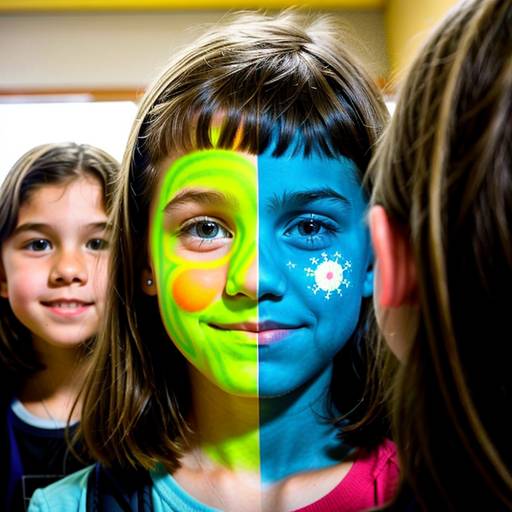
In this 3rd-grade science lesson, students will delve into the fundamental systems of the human body, specifically the skeletal, muscular, and circulatory systems. The lesson begins with a discussion to assess prior knowledge, followed by direct instruction using models and diagrams to explain the role and function of each system.
Students will then work in small groups to create informative posters about their assigned body system, incorporating visual elements and key facts. This collaborative activity fosters teamwork and creativity while reinforcing their understanding of the material. Following the poster presentations, students will participate in a relay activity that reinforces vocabulary and concepts learned during the lesson.
The session will conclude with a recap of the key points and a reflective discussion, allowing students to share what they learned. To assess understanding, labeling worksheets will be assigned for homework, encouraging students to reinforce their knowledge. Overall, the lesson provides an interactive and engaging approach to exploring the complexities of the human body.
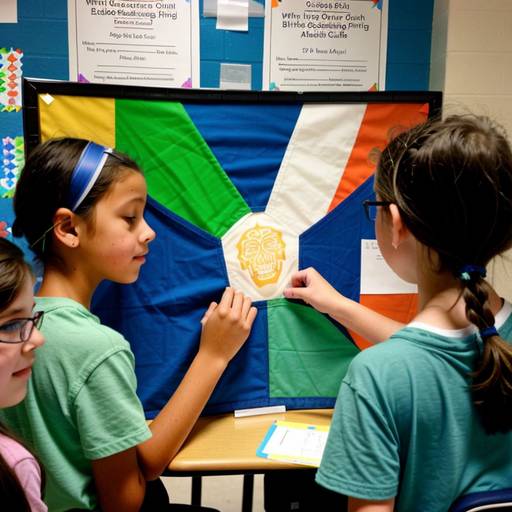
The lesson plan focuses on introducing 5th-grade students to the major systems of the human body, specifically the circulatory, respiratory, muscular, and skeletal systems. Over the course of 60 minutes, students will engage in a variety of activities aimed at understanding how these systems function and work together to maintain health and homeostasis.
The lesson begins with a video introduction followed by a class discussion to activate prior knowledge. Direct instruction includes an overview of each system, illustrated with diagrams to enhance comprehension. Students then break into small groups to create posters highlighting the functions, parts, and interesting aspects of their assigned body system.
Hands-on activities enable students to experience the systems in action, such as using balloons to represent lungs in the respiratory system or straws to simulate blood flow in the circulatory system. The class concludes with group presentations and a discussion summarizing key concepts learned.
Assessment methods include evaluating group posters, reviewing individual handouts, and observing student participation during discussions and activities. Extensions of the lesson encourage further research on diseases related to body systems, while accommodations ensure that all students can effectively participate and learn. The overall goal is to foster engagement with life science and provide a foundational understanding of human biology.
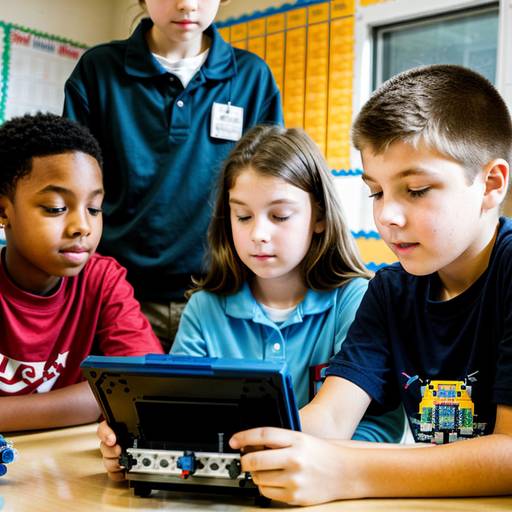
This lesson plan provides fifth-grade students with an engaging introduction to robotics, focusing on fundamental concepts, components, and applications. Over the course of two class periods, students will discuss the role of robots in various fields, explore the key components involved in robotic systems, and brainstorm real-world problems that robots can address.
In small groups, students will design their unique robots with specific functions and begin building them using provided robot kits. They will also learn the basics of programming to control their robots through simple software. The lesson culminates in demonstrations where each group presents their robot, explaining its design and functionality.
Assessment will be based on participation, the creativity of design plans, and the effectiveness of each robot during demonstrations. Extensions and accommodations ensure that all students engage with the material at an appropriate level, fostering collaboration, critical thinking, and technical skills in a fun and interactive environment.
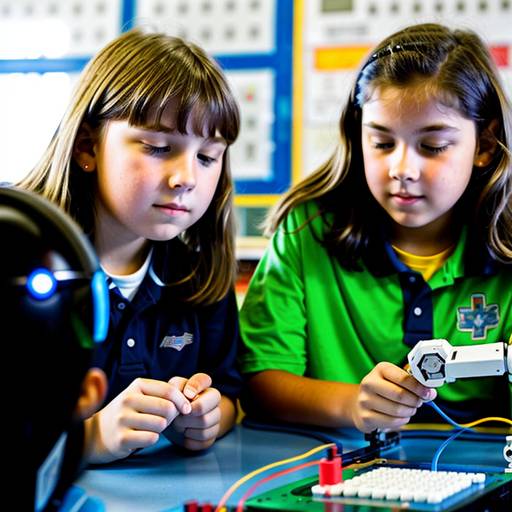
In this 5th-grade technology lesson, students will explore the fundamentals of robotics and programming. The lesson begins with an introduction to what robots are, their applications in various fields, and a discussion of basic programming concepts such as commands, loops, and sequences. Students will work in small groups to brainstorm and plan a simple task for a programmable robot, designing flowcharts to outline their programming logic.
During the second part of the lesson, students will learn to use specific programming software or apps to implement their flowcharts and control the robots. They will test their robots, make necessary adjustments, and each group will showcase their robot's performance by completing the assigned task. Throughout the lesson, students will enhance their collaboration and problem-solving skills while engaging in hands-on programming experiences. Assessment will focus on participation, the clarity of flowcharts, and the effectiveness of the programmed tasks. Extension opportunities will encourage students to delve deeper into programming and robotics applications in real-life scenarios.


In this 4th-grade social studies lesson, students will explore various types of landforms, including mountains, valleys, plains, plateaus, hills, and deserts. They will begin by reviewing vocabulary related to these landforms and discussing their characteristics and significance in the context of geography and human activities.
Through partner work, students will choose a landform to research and present interesting facts. The main activity involves creating a detailed map on chart paper that illustrates at least three different landforms, accompanied by descriptions. Additionally, students will have the option to create a collage showcasing images of various landforms, complete with labels.
The lesson includes a gallery walk to encourage peer feedback and sharing of insights. To conclude, students will reflect on the importance of landforms for the Earth and its inhabitants. Assessments will focus on participation, the creativity and accuracy of the maps and collages, and the depth of reflection. The lesson is designed to support various learning styles and align with geographical standards.

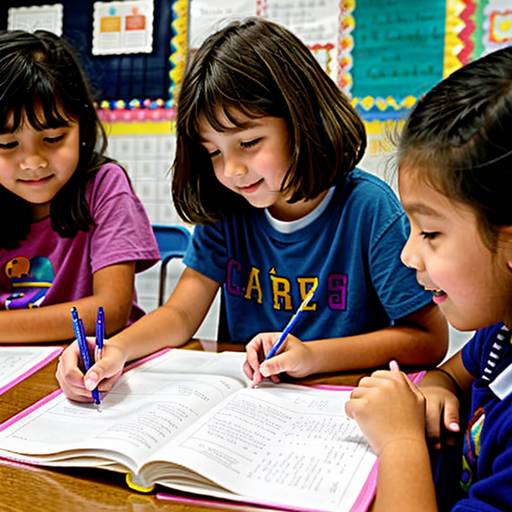
In this 1st Grade Language Arts lesson, students will explore the basic elements of storytelling, including characters, settings, problems, and solutions. The lesson starts with a discussion about favorite stories, emphasizing what makes them enjoyable. The teacher models narrative writing by creating a simple story as a group, showcasing how to organize it into a beginning, middle, and end while incorporating descriptive language. Students then select picture prompts to brainstorm their own stories, guided by a graphic organizer. After writing and illustrating their narratives in journals, they have the opportunity to share their stories with the class. The lesson concludes with a reflection on the storytelling process and the importance of using descriptive language. Assessment will focus on both participation in discussions and the quality of the students' written narratives. Modifications are provided to support diverse learning needs, ensuring all students can engage meaningfully in the writing activity.
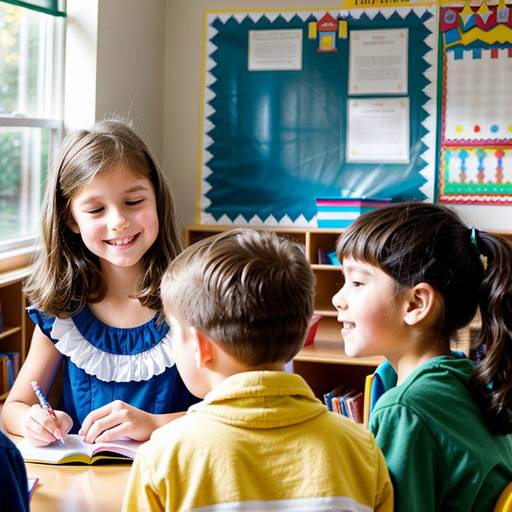
This 1st Grade Language Arts lesson plan focuses on writing and creative expression. Students begin by engaging with a picture book to spark their imagination, followed by a brainstorming session where they generate ideas for their own stories. Using a graphic organizer, they outline their characters, settings, and plots, before writing several sentences about their adventures. After writing, students illustrate a key scene from their stories, adding visual detail to complement their writing. Finally, they have the opportunity to share their stories with the class or in small groups, fostering collaboration and confidence in public speaking. The lesson emphasizes creativity, clarity in writing, and participation, with assessments based on engagement, completion of graphic organizers, and overall effort in both writing and illustration. Extension activities encourage ongoing creativity and community sharing of their stories.
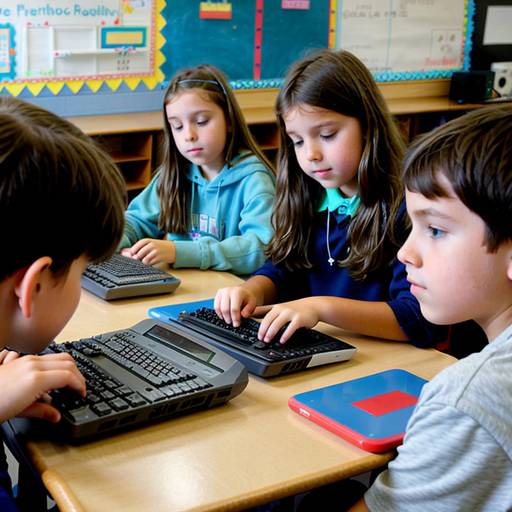
In this 4th-grade technology lesson, students will explore the fundamentals of coding and programming languages. The lesson begins with an engaging discussion about following algorithms through everyday tasks, followed by an introduction to key coding vocabulary and concepts. Students will then log into a block-based coding platform to create their own simple programs, such as animations or games, applying what they've learned about sequences and algorithms. Collaboration is encouraged as students share their projects with peers, providing feedback and support. The lesson concludes with presentations from selected students and a reflective discussion on their experiences. Assessment will focus on participation, creativity in coding, and contributions to discussions. Students will also receive resources for further exploration of coding outside the classroom.

This 4th grade art lesson plan aims to introduce students to significant art periods throughout history, including the Renaissance, Impressionism, Cubism, and Modern Art. The lesson is divided into two class periods.
In the first session, students engage in discussions about art, followed by a presentation that highlights key artists and distinctive elements of each art period. They also participate in a class discussion regarding historical influences on art and are assigned to research an artist from the period they find most interesting for the next class.
During the second class, students reflect on their research, then create their own artwork inspired by their chosen art period using various mediums. The session culminates in a gallery walk, where students display their creations and receive feedback from their peers.
The lesson emphasizes participation, creative expression, and comprehension of art history, allowing students to connect with the material personally. Extensions include creating a bulletin board display of student artwork and organizing a field trip to an art museum. Additionally, a language arts connection encourages students to write biographies or fictional stories about their chosen artists, reinforcing their learning.
In this engaging 4th-grade art lesson, students embark on an exploration of various historical art movements, including Impressionism, Cubism, and Surrealism. The lesson begins with an introduction to the evolution of art and its significance. Students are then divided into small groups, each assigned a specific art movement to research and present to the class, highlighting key characteristics and notable artists.
Following the presentations, a class discussion encourages students to identify similarities and differences among the movements, aided by visual aids showcasing famous artworks. In the hands-on portion of the lesson, students select an art movement that inspires them and create their own artwork reflecting its style. This activity fosters creativity and allows students to experiment with colors and techniques associated with their chosen movement.
Finally, students reflect on their creative process in journals and have the opportunity to share their artwork with the class. The lesson is assessed through participation, creativity, and journal entries, culminating in plans for a classroom art exhibit that connects their work to the history of art. This approach helps students appreciate the impact of art movements while expressing themselves artistically.