
Filters
Level
Grade
Subject
Subject Area
Subject Topic
Standard(s)
Audience
Keyword
DurationMinutes
Elementary School Lesson Plans


In this 5th-grade science lesson, students will explore the solar system and the significance of space exploration through an engaging and interactive approach. The lesson begins with a discussion to spark curiosity about space, followed by a multimedia presentation that covers the eight planets, their characteristics, and the concepts of orbits and gravity. Students will also learn about important space missions and their contributions to our understanding of the universe.
The hands-on activity involves students working in small groups to create scale models of their assigned planet or celestial body, allowing them to apply what they have learned in a creative way. Each group will present their model and share interesting facts they discovered during their research. A concluding discussion will help reinforce key concepts, and students will complete a worksheet as a follow-up assignment to share their newfound knowledge.
This lesson fosters collaboration, critical thinking, and a passion for astronomy, while encouraging students to appreciate the wonders of space and the importance of ongoing exploration. Extensions such as field trips or guest speakers can further enhance their learning experience.
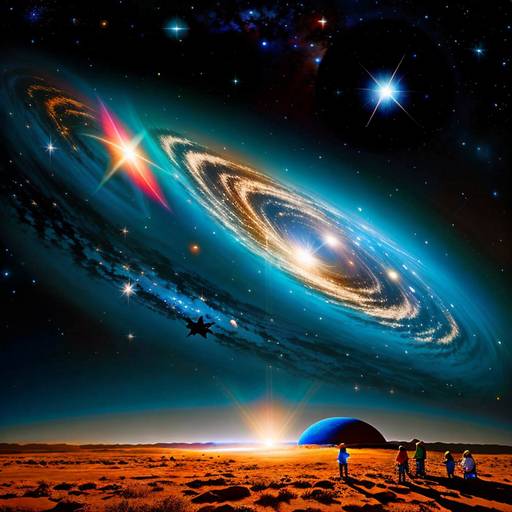
In this 3rd Grade science lesson, students will embark on an exploration of stars and constellations, aiming to enhance their understanding of astronomy. The lesson begins with a brief discussion and an engaging video showcasing starry night scenes and constellations. Students will learn about different types of stars, their characteristics, and cultural stories associated with various constellations.
Following the instruction, students will create their own star maps using black construction paper and star stickers, allowing them to apply their newly acquired knowledge creatively. They will present their maps to the class, sharing their chosen constellations and their significance. The lesson wraps up with a review of key concepts and reflective questions to assess understanding. Optional extension activities include maintaining a star journal for documenting observations at home and organizing a field trip to a local planetarium or observatory. Overall, this lesson aims to inspire curiosity about the night sky and foster a deeper appreciation for astronomy.

This 2nd-grade language arts lesson plan focuses on helping students identify and describe various reading genres, including fiction, nonfiction, poetry, and fairy tales. The lesson begins with an engaging story to capture students' interest and encourages them to discuss their favorite types of stories.
The teacher introduces each genre, outlining key characteristics and providing examples. Students then participate in a genre sorting activity in small groups, where they categorize a selection of books and share their reasoning. Following this, students play a genre Bingo game, reinforcing their understanding through an interactive format.
To wrap up, the class reviews what they've learned and students receive bookmarks summarizing the genres and their characteristics to take home. Assessment is based on group discussions, participation in activities, and the ability to identify genre characteristics. Extensions encourage independent exploration of genres through reading and creative writing. Overall, the lesson aims to create an engaging and comprehensive introduction to the world of reading genres for young learners.
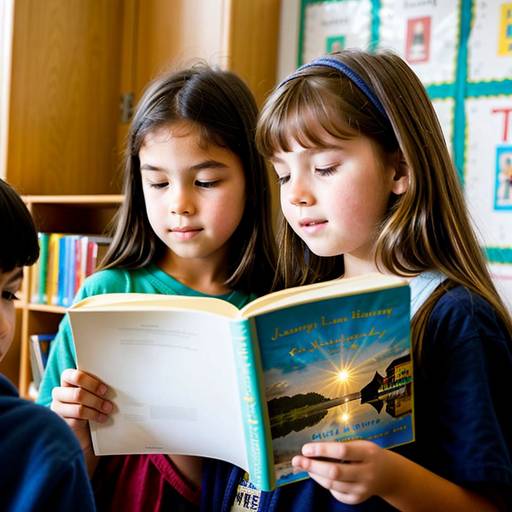
In this 2nd grade Language Arts lesson, students will explore characters and settings within a story to enhance their reading comprehension skills. The lesson begins with a discussion that activates prior knowledge about favorite books, followed by an engaging read-aloud of a selected picture book. After the reading, students participate in a guided discussion, identifying and describing the main characters and settings, which are recorded on a chart for visual reference.
Students then complete graphic organizers where they draw their favorite character and setting while writing descriptive sentences about each. This creative activity allows them to express their understanding of the story visually and textually. The lesson concludes with a sharing session where a few students present their work, followed by a reflective discussion on how characters and settings contribute to understanding the narrative.
Assessment focuses on the graphic organizers, and extensions are provided for further reading practice. The lesson includes modifications for diverse learners to ensure all students can engage meaningfully with the material. Through this interactive approach, students will deepen their comprehension skills and develop a greater appreciation for storytelling.
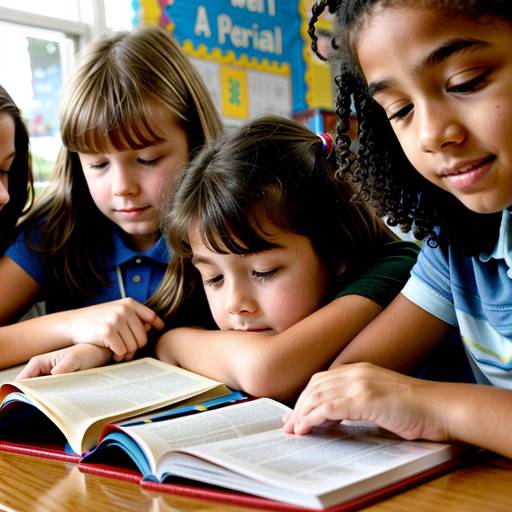
In this 4th-grade Language Arts lesson, students will explore different reading genres, including fiction, non-fiction, fantasy, mystery, and poetry. The lesson begins by engaging students with a fun sharing question about their favorite book characters and introduces the concept of genres. Through direct instruction, students learn the key characteristics of each genre and examine examples of books belonging to them.
In guided practice, students work in small groups to sort a selection of books into their appropriate genres using provided genre cards. Each group will then present their findings to the class. Afterward, students choose a book from a genre that interests them and complete a graphic organizer that captures important details about their chosen text.
The lesson concludes with students sharing what they’ve learned about their selected book and genre. They also reflect on their favorite genre by participating in a vote with stickers or stamps. Assessment is conducted through observation during group activities and by reviewing the completed graphic organizers. Extensions include creating a genre-themed bulletin board and organizing a reading fair. The lesson aims to foster curiosity and an understanding of reading genres, enhancing students’ literacy skills.
In this 5th Grade Language Arts lesson plan, students will enhance their reading and comprehension skills by identifying main ideas and themes within a text. The lesson begins with a discussion to define and differentiate between main ideas and themes. Students will read a selected story, either independently or as a class, while focusing on key story elements. Guided practice will involve filling out a graphic organizer to pinpoint the main idea and theme collaboratively. For independent practice, students will choose a theme from the story and write a paragraph supporting their choice with evidence from the text. The lesson will conclude with a few students sharing their findings, followed by a reflective writing assignment in their journals. Assessment will be based on the graphic organizers, written paragraphs, and participation in discussions. Extensions are provided for both advanced students and those needing additional support, ensuring a comprehensive approach to reading comprehension.
This 3rd Grade Language Arts lesson plan focuses on enhancing students’ reading skills through the use of key strategies: predicting, visualizing, and summarizing. The lesson begins with a discussion on what makes a good reader, followed by an introduction of the three strategies. Students will predict story outcomes based on the cover of a chosen text, "The Paper Crane," and will record their predictions on a chart. The teacher will read the story aloud, prompting students to visualize scenes and take notes, which they will later illustrate on a worksheet. After completing the reading, students will summarize the story using a structured template that highlights characters, setting, and main events. Through small group discussions, students will share their visualizations and summaries, fostering collaboration and feedback. The lesson concludes with a class reflection on the strategies used and their effectiveness in improving comprehension. Assessments will include monitoring participation and collecting charts and templates for evaluation. Additional homework will extend the learning by encouraging students to use the strategies with a book of their choice at home. Differentiation is included to support various learning needs. Overall, the lesson aims to engage students actively in their reading development and comprehension skills.
This lesson plan focuses on helping 3rd-grade students understand and identify various reading genres. It begins with an introduction to the concept of genres, followed by a read-aloud activity featuring examples from different types of literature, such as fiction, non-fiction, fantasy, mystery, and biography.
Students engage in a guided practice where they work in small groups to sort a selection of books into their respective genres and share their reasoning with the class. Afterward, they independently create a visual poster representing their favorite genre, including a description, examples, and illustrations. The lesson concludes with students presenting their posters, reinforcing their understanding of how recognizing different genres can enhance their reading experiences. Assessment is based on participation, collaboration, and creativity in the posters, with differentiation strategies provided for varied learning levels.
In this 3rd-grade language arts lesson, students will enhance their reading comprehension skills by exploring key story elements such as characters, setting, and plot. The lesson begins with an engaging discussion about favorite stories, followed by direct instruction on the importance of these elements. The teacher will read a selected story aloud, modeling how to fill out a graphic organizer with information gathered from the text.
Students will then participate in guided practice, where they continue reading the story and take notes about what they observe. Afterward, they will work independently or in pairs to read additional sections and document their thoughts on sticky notes. In the closure, the class will discuss the significance of understanding story elements and take a short comprehension quiz to assess their grasp of the material.
Overall, the lesson combines direct instruction, collaborative discussion, and independent work to foster a deeper understanding of reading comprehension through active engagement with literature.
In this 5th-grade Earth science lesson, students will explore the rock cycle and the three main types of rocks: igneous, sedimentary, and metamorphic. The lesson begins with an engaging video introduction, followed by a discussion about different rock types and their characteristics. Students will then participate in a hands-on activity where they investigate rock samples, using magnifying glasses to observe their features and classify them. A creative project follows, in which students work in groups to create a mobile depicting the rock cycle, illustrating the processes that transform rocks. The lesson concludes with group presentations and reflections, along with an exit ticket to assess individual learning. Throughout the lesson, students are encouraged to collaborate and engage with the material, fostering a deeper understanding of geological processes. Extension opportunities include bringing in personal rock samples, planning field trips, and conducting research projects on geology.