
Filters
Level
Grade
Subject
Subject Area
Subject Topic
Standard(s)
Audience
Keyword
DurationMinutes
Elementary School Lesson Plans

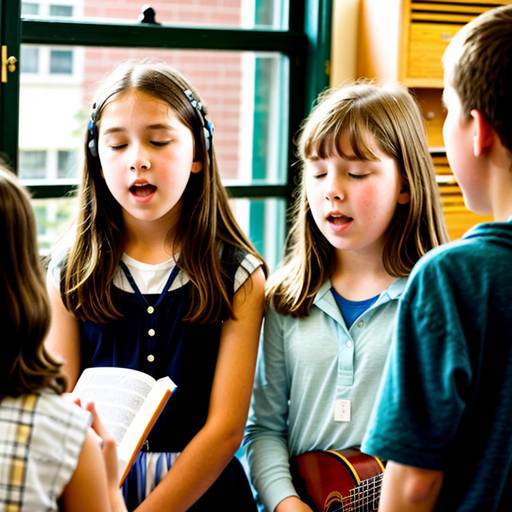
In this 5th-grade music lesson, students will explore the concepts of singing and harmony. The session begins with an introduction to the importance of singing and a basic explanation of harmony and unison. After a vocal warm-up, students will learn a simple song, “Twinkle, Twinkle, Little Star,” focusing on singing it in unison. Once comfortable, they will be introduced to basic harmony parts and practice singing in both unison and harmony in groups.
Students will then break into small groups to create their own harmonies for a familiar melody, fostering creativity and collaboration. Each group will present their unique harmonized versions to the class, allowing for positive feedback and reflection on the experience. The lesson emphasizes teamwork, musical development, and appreciation for the role of harmony in music, culminating in an engaging and interactive atmosphere. Optional extensions encourage further exploration of harmony in well-known songs and the use of recording technology.
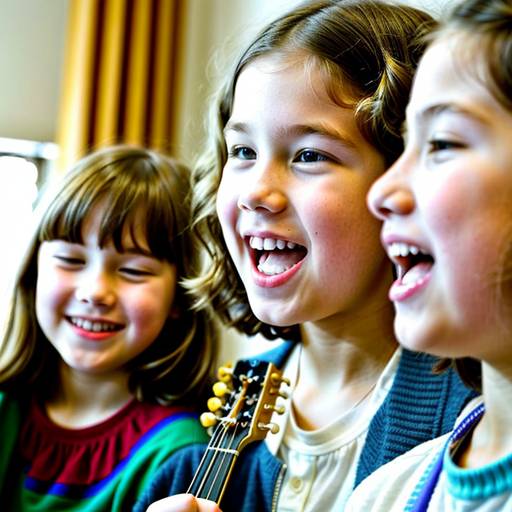
In this 4th-grade music lesson, students will explore the concept of harmony through vocal exercises and collaborative singing. The class will begin with vocal warm-ups and a discussion on harmony, including examples of songs that feature this musical element. Students will learn to sing in two parts—soprano and alto—by practicing a simple round, initially in unison and then in parts. Afterward, they will work in small groups to create their own melodies or lyrics, allowing for creative expression and teamwork. The lesson will conclude with performances of their creations and a reflection on the experience of singing in harmony. Students' participation and collaboration will be assessed throughout the session, promoting a fun and engaging environment for discovering the joys of music together.
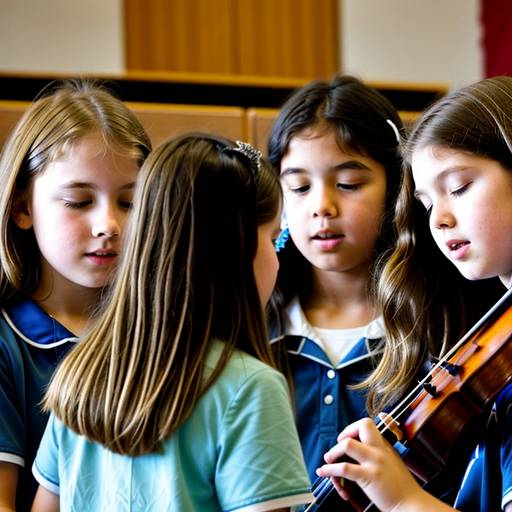
This 5th-grade music lesson focuses on enhancing students' singing and performance skills through a combination of vocal techniques and movement. The session begins with warm-up exercises to improve breathing and posture, followed by a discussion on dynamics and expression in music. Students will learn a designated age-appropriate song, practicing it line by line while emphasizing vocal techniques and group cohesion.
Incorporating simple movements that align with the song's lyrics and mood, students will deepen their understanding of rhythm and expression. The lesson includes small group rehearsals to foster teamwork and allow for personalized guidance. The class culminates in a full-group performance, where students will showcase their learned skills, integrating movement and vocal expression.
Reflection is an essential part of the lesson, encouraging students to share their experiences and provide positive feedback to one another. Assessment will involve observing participation and technique during rehearsals and the final performance. Extension activities may involve rewriting song lyrics or incorporating simple instruments. Differentiation strategies will be used to accommodate varied musical backgrounds and abilities. Overall, students will develop confidence in their performance abilities while enjoying the collaborative process of making music together.
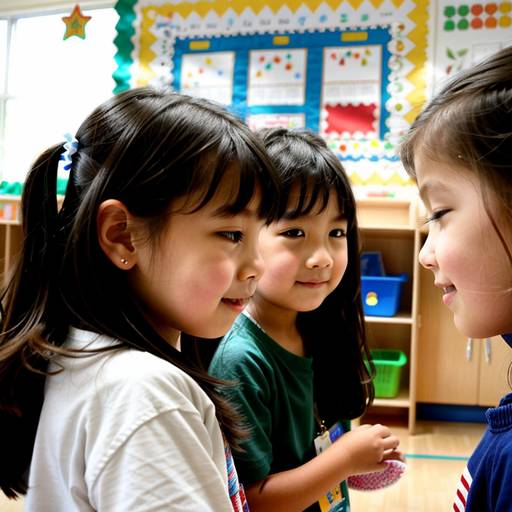
In this kindergarten music lesson, students will explore the themes of nature through singing and vocal activities. The lesson begins with an engaging discussion about nature, followed by vocal warm-ups that allow children to experiment with different sounds. Students will participate in echo singing, where they repeat melodies related to nature, and engage in a call-and-response activity, creating their own lyrical contributions to the theme.
To enhance the experience, movement is incorporated as students mimic elements of nature while singing, and rhythm instruments are introduced for added engagement. The lesson concludes with a calm lullaby to reflect and wind down. Throughout the session, students will develop their vocal techniques, creativity, and listening skills while expressing their feelings about the natural world. This interactive lesson emphasizes participation, artistic expression, and connection to the environment.

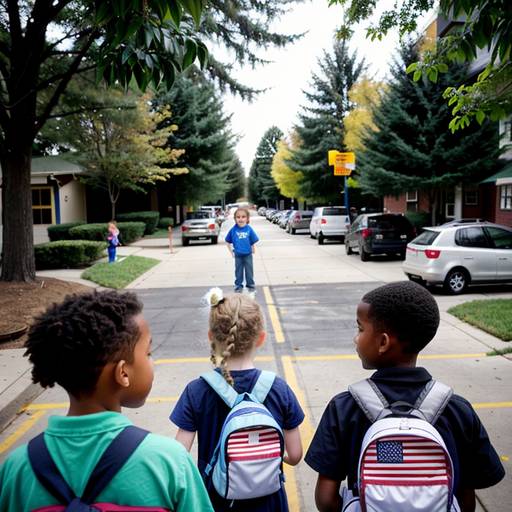
In this first-grade social studies lesson, students explore the concept of community and the significance of rules that help maintain order and safety. The lesson begins with a discussion about what a community is, aided by photographs of various community elements. A storybook is read aloud to illustrate interactions within a community and the role of rules. Students engage in a discussion about the importance of rules, expressing their thoughts on how rules contribute to harmony and cooperation.
In a collaborative activity, students work in small groups to create a set of classroom rules that foster a positive environment. They then share their ideas, which are compiled into a large poster for the classroom. The lesson concludes with a reflection on the importance of rules and an assignment to draw a community scene while incorporating a rule that ensures safety and enjoyment. Throughout the lesson, students actively participate and develop a deeper understanding of their roles within their community.

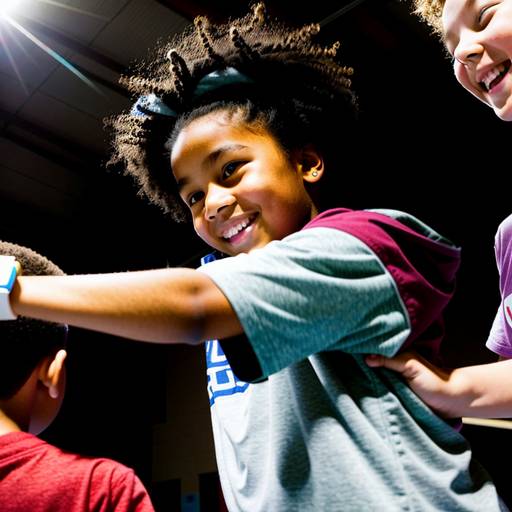
The lesson plan focuses on teaching 5th-grade students about cardiovascular fitness and heart health through engaging physical activities. The session begins with a dynamic warm-up that includes stretching and a light jog, followed by an energetic game to elevate heart rates. Students will participate in five different activity stations, aiming to improve their cardiovascular endurance through jump roping, hula hooping, relay races, obstacle courses, and fun dance routines. After the activities, a cool-down session incorporates static stretching, and students learn to monitor their heart rates before and after exercise. The lesson concludes with a group discussion reflecting on their experiences and the importance of staying active for overall health. Observations during activities will assess participation and understanding, while modifications are available for students with different physical abilities. The overall goal is to promote awareness of heart health and encourage ongoing fitness outside of the school environment.
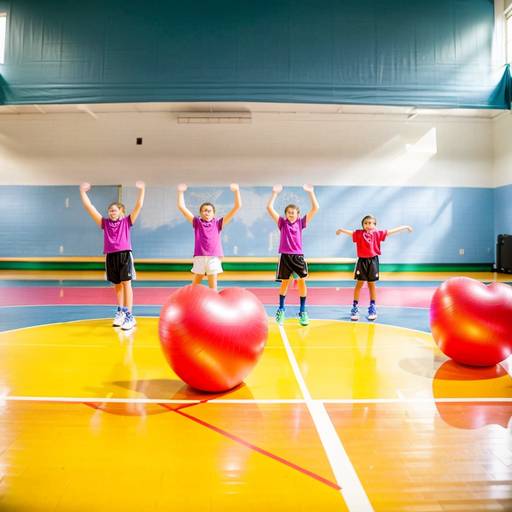
This physical education lesson for 4th-grade students focuses on enhancing cardiovascular fitness through engaging and fun activities. The lesson begins with a dynamic warm-up and a brief discussion about the importance of cardio exercises. Students then participate in four activity stations: jump rope challenges, hula hoop hustling, cone relay races, and a dance party. Each station promotes movement, teamwork, and self-challenge, ensuring students raise their heart rates while enjoying themselves. The lesson concludes with a cool-down session involving gentle stretches and a reflection period where students share their experiences and insights about fitness. Adaptations are included to accommodate various abilities, ensuring inclusiveness. Overall, this lesson emphasizes active living and the joy of physical activity.
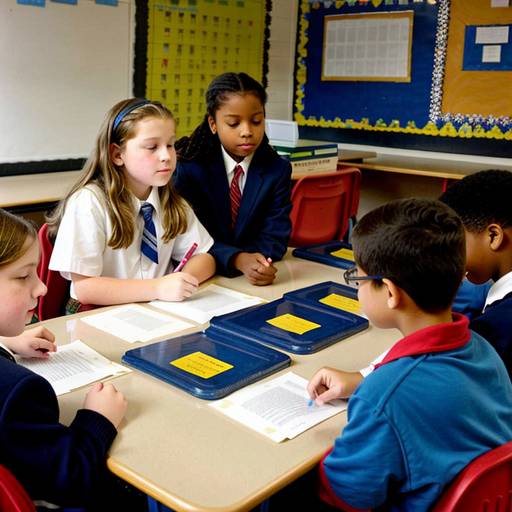
This 5th-grade Social Studies lesson focuses on exploring significant historical figures and their impact on society. Students will engage in a discussion to identify key individuals and learn about their contributions through a brief presentation. They will work in small groups to research a specific historical figure, examining their achievements, challenges, and significance within their historical context. Each group will then create a visual poster to summarize their findings and present it to the class, enhancing their teamwork and public speaking skills. The lesson emphasizes participation, creativity, and reflection, providing opportunities for students to engage meaningfully with history. Extension activities, such as a "History Fair," encourage further exploration and interaction with the material.
In this 2nd grade social studies lesson, students will explore important historical figures in American history and their contributions. The lesson begins with a class discussion on the concept of history and what makes someone a hero. Students will then participate in a read-aloud session featuring stories about notable figures, fostering engagement and comprehension.
Following the read-aloud, students will work in small groups, each assigned to a different historical figure. They will create posters that highlight the figure’s name, contributions, and significance to society, using a provided graphic organizer for guidance. Groups will present their posters to the class, fostering peer interaction and discussion around common themes.
The lesson concludes with a reflection period where students share their insights and interests regarding the historical figures learned about. As an extension activity, students will complete a drawing of their favorite historical figure with a sentence explaining their admiration. Assessment will be based on group participation, the quality of presentations, and the completion of the homework assignment. This lesson aims to enhance students’ understanding of history while developing teamwork and presentation skills.
In this 4th-grade social studies lesson, students will explore the significance of historical figures who have made notable contributions to society. The lesson begins with an engaging story or video about an influential figure, followed by a discussion to help students recognize the qualities that make certain individuals historical heroes.
Students will then work in small groups to research assigned historical figures from a provided list, focusing on their early lives, major accomplishments, and lasting impact. Each group will create a poster to visually showcase their findings and prepare a brief presentation to share with the class.
As presentations occur, students will actively engage by asking questions to deepen their understanding. The lesson concludes with a class recap highlighting the importance of learning about history and its figures, along with an exit ticket activity where each student notes something they learned and a question they still have.
Assessment will be based on the creativity and accuracy of the posters and presentations, while students will have the opportunity for extension through a classroom "Wall of Fame" that allows for further exploration of additional historical figures. Overall, the lesson aims to foster collaboration, critical thinking, and an appreciation for the impact of historical figures on our world.