
Filters
Level
Grade
Subject
Subject Area
Subject Topic
Standard(s)
Audience
Keyword
DurationMinutes
Elementary School Lesson Plans
This lesson plan is designed for 4th-grade students to explore the concepts of digital citizenship and privacy protection in an engaging manner. The session begins with an interactive discussion about students' online activities and introduces key terms related to responsible technology use. Through a presentation and group discussions, students learn about the importance of privacy and how to recognize safe online behavior.
Students then work in small groups to analyze various online scenarios, determining which actions are safe and which may pose privacy risks. Afterward, they create informative posters that convey an aspect of digital citizenship or privacy protection, fostering creativity and reinforcing their understanding. The lesson concludes with reflective journaling, where students consider how they will apply their newfound knowledge both at school and at home. Assessment is based on participation, group contributions, and poster quality, with extensions available for further learning. Overall, the lesson emphasizes the shared responsibility of being a good digital citizen.
In this 60-minute lesson for 5th graders, students will explore the essential concepts of digital citizenship and the critical importance of online privacy protection. The lesson begins with a discussion on responsible online behavior, transitioning into a focus on why safeguarding personal information is vital. Students will learn how to create strong passwords and navigate privacy settings on popular platforms.
During a group activity, students will analyze various scenarios involving online sharing and assess their safety, ultimately presenting their findings to the class. The lesson concludes with a review of key takeaways and the distribution of a "Privacy Protection Checklist" that outlines practical steps for maintaining online security. Students will be assessed based on their participation in discussions, group activities, and the completion of the checklist.
To reinforce the concepts learned, students will have the opportunity to create a poster or digital presentation as homework, highlighting the importance of online privacy. Overall, this lesson fosters critical thinking about digital behavior while encouraging a proactive approach to privacy in the digital age.
In this lesson plan, 3rd-grade students will explore the importance of digital citizenship and privacy protection in the online world. The lesson begins with a discussion about being responsible digital citizens and the significance of keeping personal information private. Students will engage in role-playing scenarios to identify what information is safe to share.
Through an interactive Bingo game, they will differentiate between personal and safe information, reinforcing their understanding of privacy. In small groups, students will create an "Online Safety Plan" poster that outlines strategies for online safety, which they will then share with the class. The lesson concludes with reflections on what students learned and how they can apply these concepts at home and in school. Overall, the plan emphasizes responsible online behavior, empowering students to navigate the digital landscape safely.
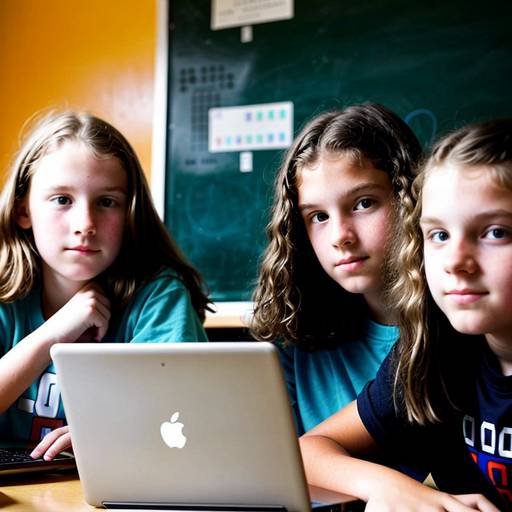
In this technology lesson for 5th graders, students will explore the concepts of internet privacy and the importance of protecting personal information online. The lesson begins with an engaging discussion about what constitutes private information and the significance of maintaining privacy in a digital world. Through direct instruction, students will learn about various privacy settings on popular platforms, using visual demonstrations to illustrate their functions and importance. After creating mock social media profiles, students will practice applying privacy settings, reinforcing their learning in a hands-on manner.
Following guided practice, students will reflect on their understanding of internet privacy by writing a short paragraph about what they learned and how they plan to apply it in their online activities. The lesson concludes with a review of key concepts and an opportunity for students to ask questions. Assessment will be based on participation and the reflections collected, while extensions encourage students to further educate their peers on internet safety. Accommodations will be provided to ensure all learners can fully engage with the material, fostering a comprehensive understanding of how to navigate the internet safely.

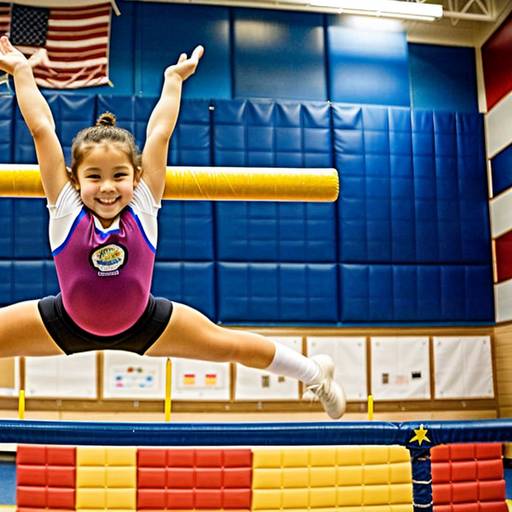
This 4th-grade physical education lesson focuses on developing balance and coordination through engaging gymnastics and sports activities. The session begins with an introduction to the importance of these skills in both sports and gymnastics, followed by a warm-up that includes dynamic stretches and aerobic movements to prepare students for physical activity.
Students participate in a balance beam activity, where they practice walking across the beam in various directions to improve their balance. The lesson then transitions to coordination stations, where students rotate through several activities, including hula hooping, jump roping, and weaving through cones. Each station emphasizes different coordination skills and encourages students to challenge themselves.
In the final segment, students work in groups to create simple gymnastic routines that incorporate balance movements, coordination components, and creative movements, which they then present to the class. The lesson concludes with a cool-down session that focuses on deep breathing and gentle stretching to relax the muscles.
Assessment is carried out through observation of students' performance and their ability to work cooperatively during routines. The lesson emphasizes teamwork, creativity, and the importance of trying new skills while reinforcing fundamental movement concepts.
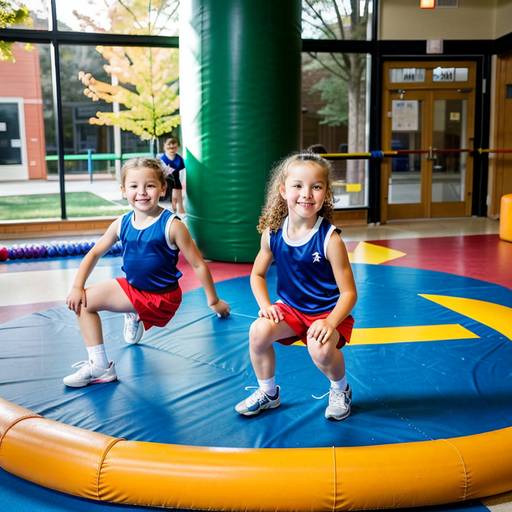
In this Kindergarten Physical Education lesson, students engage in a series of activities designed to develop their motor skills, coordination, balance, and teamwork through gymnastics and sports-related exercises. The session begins with a fun warm-up involving movements and dynamic stretches to energize the students.
Next, students rotate through four activity stations, which focus on balance, jumping, throwing, and coordination with soft balls and jump ropes. Each station lasts around five minutes, allowing students to explore different physical skills in a supportive environment. Following the stations, students participate in a team relay challenge, fostering collaboration and encouraging them to cheer for one another as they complete simple tasks together.
The lesson concludes with a gentle cool-down, including stretches and a group discussion where students reflect on their favorite activities and what they learned about balance and teamwork. Assessment is conducted through observation of participation and skill execution, ensuring a safe and inclusive environment for all students.
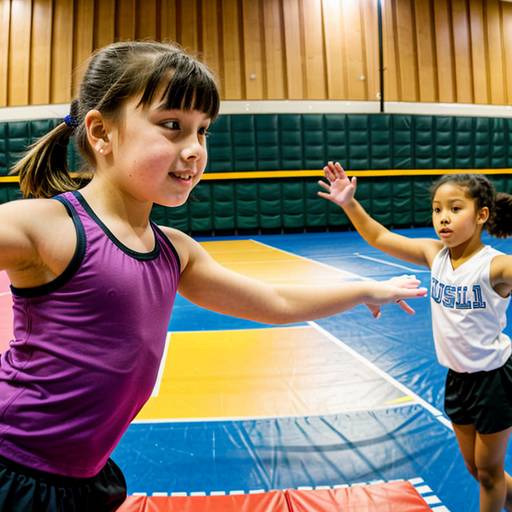
In this 2nd-grade physical education lesson plan, students engage in an interactive and enjoyable session focusing on basic gymnastics movements and sports skills. The class begins with dynamic stretching and fun animal walks to warm up. Students then rotate through three stations where they practice forward rolls, balance beam walking, and safe jumping techniques. Emphasis is placed on safety while performing each skill.
Following the gymnastics portion, students participate in team relay races that combine running, rolling, and balancing activities, encouraging teamwork and communication. After completing the relay, they engage in a thoughtful discussion about their experiences. The lesson concludes with a series of gentle stretches for cool-down and reflection, allowing students to share their favorite activities. Throughout the lesson, the teacher assesses student engagement, skill development, and cooperation, ensuring all learners receive the support they need.
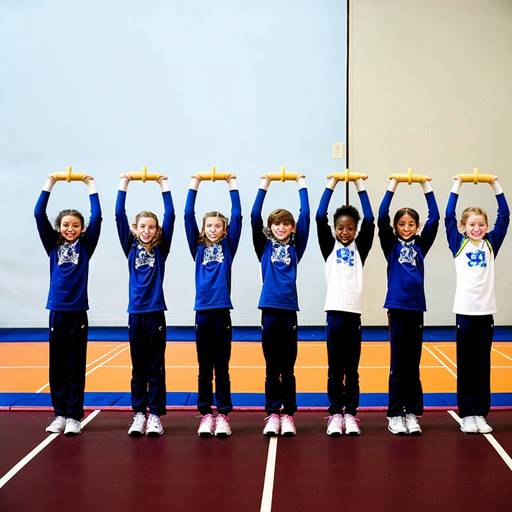
This Physical Education lesson for 5th-grade students focuses on developing fundamental gymnastics skills while promoting teamwork and sportsmanship through a relay race format. The 60-minute session begins with a dynamic warm-up involving stretching and simple gymnastics demonstrations. After explaining the objectives, students are divided into small teams, each participating in various gymnastics stations, including a balance beam, forward rolls, jump hurdles, and cartwheels. Teams compete in relay style, encouraging collaboration and cheering for one another as they complete each station. Following the relay, a cool-down period allows students to reflect on their experiences and stretch out. The lesson emphasizes skill development, cooperation, and the enjoyment of physical activity, with assessments based on participation, teamwork, and self-reflection. Future extensions include a mini-tournament or presentation day for students to showcase their learned skills.

In this 5th-grade music appreciation lesson, students will explore music from various cultures around the world. The session begins with a discussion on the significance of music in different societies, encouraging students to share their experiences with global music. Students will then engage in a listening activity featuring audio clips of African drumming, Indian classical music, and Brazilian samba, where they will learn about the unique instruments and styles associated with each culture.
Following the listening segments, a class discussion will allow students to express their preferences and feelings about the music, fostering an understanding of how music reflects emotions and cultural stories. To conclude the lesson, students will create drawings that represent their chosen musical style and share their artwork with the class. Overall, the lesson aims to promote cultural appreciation through music while enhancing students' listening skills and creative expression.
In this Kindergarten music lesson, students will embark on an exploration of natural sounds and their connection to music. The session begins with listening to various audio clips of natural sounds, followed by discussions where students share their thoughts and feelings about what they hear. They will then engage in a movement activity, where they imitate different natural sounds through body motions and vocalizations, enhancing their understanding of musical elements. To further encourage creativity, students will create artwork based on their favorite natural sound, expressing their interpretations through colors and shapes. The lesson concludes with a group discussion to reflect on their experiences and insights gained about the relationship between nature and music. Throughout the activities, emphasis is placed on participation, expression, and the joy of discovering music in the world around them.