
Filters
Level
Grade
Subject
Subject Area
Subject Topic
Standard(s)
Audience
Keyword
DurationMinutes
Elementary School Lesson Plans

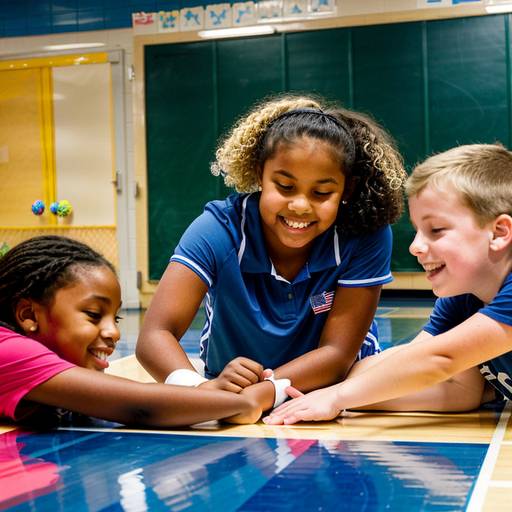
This 4th-grade physical education lesson focuses on enhancing coordination and teamwork among students through engaging activities. The lesson begins with a dynamic warm-up and a discussion on the importance of coordination and collaboration in sports and daily life.
Students are then divided into small teams to participate in relay races that emphasize balance and communication, using various objects to navigate a course. Following this, they engage in a trust-building activity where they work together to pass a hula hoop around a circle, challenging their coordination and reliance on one another.
The lesson concludes with a gentle cool-down and a reflective discussion, encouraging students to share their experiences and insights about teamwork and support. Throughout the lesson, modifications are provided to accommodate all students, ensuring an inclusive environment that promotes personal growth and collaborative skills. Overall, the session aims to foster both physical skills and valuable interpersonal relationships.
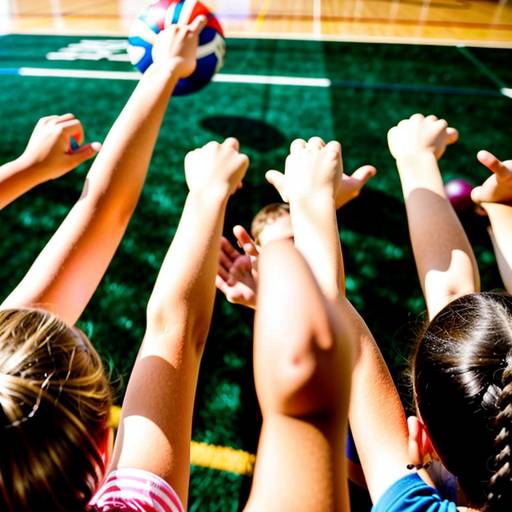
In this engaging Physical Education lesson for 3rd-grade students, the focus is on enhancing coordination and teamwork through a variety of activities and games. The session begins with dynamic stretching to warm up the students physically and mentally. Following the warm-up, a discussion introduces the concepts of coordination and teamwork, emphasizing their importance in sports and group activities.
Students are then divided into teams and participate in a series of coordinated relay races, which include synchronized movement, ball balancing, and passing a hula hoop down the line. Each task encourages collaboration and communication among teammates. Next, the class takes on a team challenge by navigating an obstacle course designed to promote cooperative problem-solving and physical coordination.
To wrap up the lesson, students engage in a guided cool down with static stretching and participate in a reflection discussion about their experiences. Throughout the class, observation and feedback help assess each student’s participation and understanding of coordination and teamwork. Adaptations are also included to ensure that every student can fully engage and benefit from the activities, promoting inclusivity and skill development.
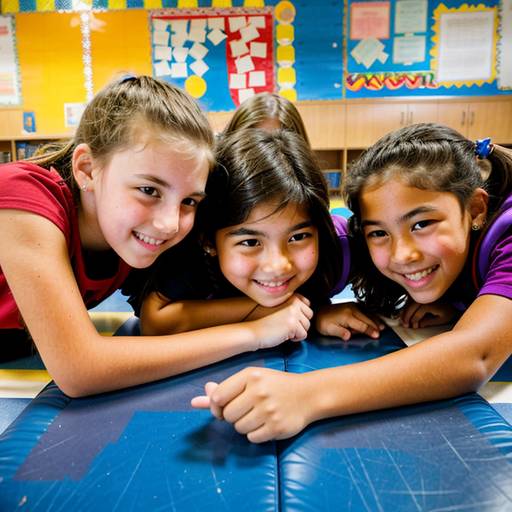
In this 5th-grade physical education lesson, students engage in activities aimed at enhancing their coordination and team-building skills through fun and interactive games. The session begins with dynamic stretches and coordination exercises that warm up the students. Following the introduction, students are divided into teams for a series of relay races that emphasize hand-eye coordination and teamwork as they pass a ball or complete various tasks at each cone.
Next, students participate in a blindfolded trust walk, where they must rely on verbal communication and guidance from a partner to navigate an obstacle course. This activity reinforces trust and collaboration while promoting effective communication. The lesson concludes with a cool-down period focused on reflection and stretching, allowing students to share their insights about teamwork and coordination.
Assessment occurs through observation during the activities, with the teacher noting students' teamwork and coordination skills. A closing discussion reinforces the importance of these skills, encouraging students to consider how they can apply what they've learned in various aspects of their lives, from sports to classroom projects. As an extension, students are invited to create their own games and reflect on their experiences in writing.
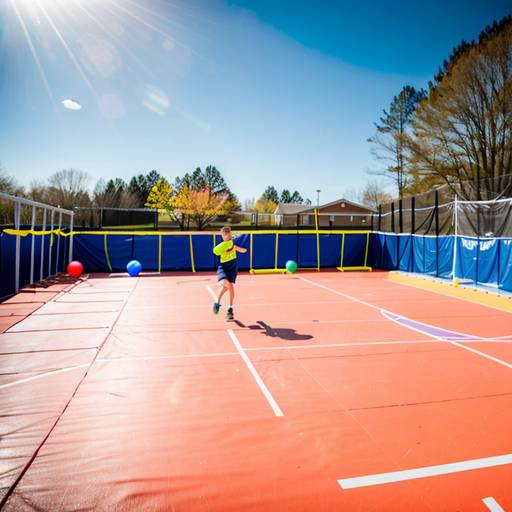
This 2nd-grade physical education lesson focuses on improving coordination and teamwork through an engaging obstacle course activity. Students participate in a dynamic warm-up to prepare for physical activity and then split into small teams to navigate various stations designed to enhance coordination skills. The course includes tasks such as jumping through hula hoops, weaving around cones, skipping over jump ropes, and tossing soft balls. Teams will encourage each other, fostering communication and collaboration. After completing the obstacle course, students engage in a group reflection to discuss their experiences and strategies used to support one another. The lesson concludes with a cool-down routine to relax their bodies, emphasizing the importance of teamwork and physical fitness. Observations during the activity will assess students' interaction and coordination skills, with adaptations available for those needing additional support.
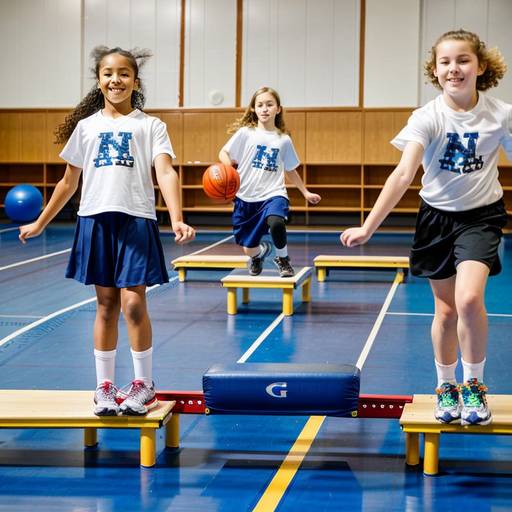
In this 4th-grade physical education lesson, students will focus on enhancing their coordination and balance through a series of engaging activities and an obstacle course. The lesson begins with a warm-up that includes dynamic stretching and a quick game of Freeze Tag to get the students active. Following the warm-up, the instructor will explain the concepts of coordination and balance.
Students will then be divided into small groups, where they will rotate through different activity stations, including hula hoop hopping, walking on a balance beam, tossing bean bags, a jump rope relay, and weaving through cones. Each group will spend a few minutes at each station, fostering teamwork and friendly competition by timing their performances.
After completing the obstacle course, the class will come together to reflect on their experiences, discussing the challenges and enjoyment they found in the activities. To conclude the lesson, students will participate in a cool-down session with stretches and breathing exercises. Throughout the lesson, the instructor will monitor student engagement and safety, providing a supportive environment for all abilities and encouraging positive peer feedback.

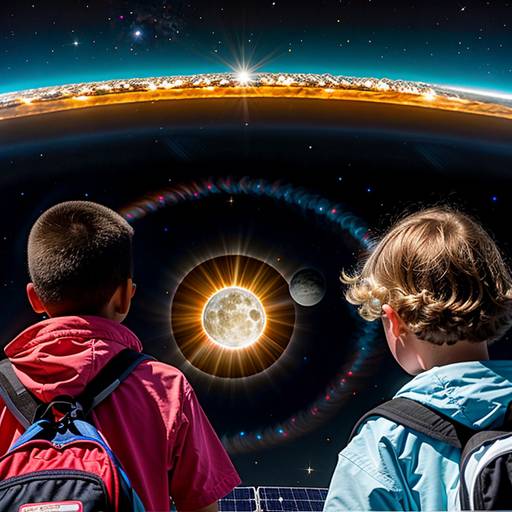
This lesson plan is designed for 4th-grade students, focusing on astronomy and space exploration by introducing them to our solar system. Over two class periods, students will learn about the eight planets, exploring their characteristics and significance within our solar neighborhood. The lesson begins with an engaging video and a discussion on space exploration, followed by group research on individual planets using fact cards.
Students will then create models of the planets to understand their size, color, and unique features, while also incorporating the concepts of orbit and rotation. A collaborative activity will see students representing the solar system on a large poster board, emphasizing the correct order and distance between planets. Throughout the lesson, students will engage in discussions, present their findings, and complete reflection worksheets to consolidate their learning.
The plan encourages creativity, teamwork, and critical thinking while also offering opportunities for further exploration and extension activities to maintain interest in the subject. Overall, the lesson aims to foster curiosity about space and enhance students' understanding of our place in the universe.
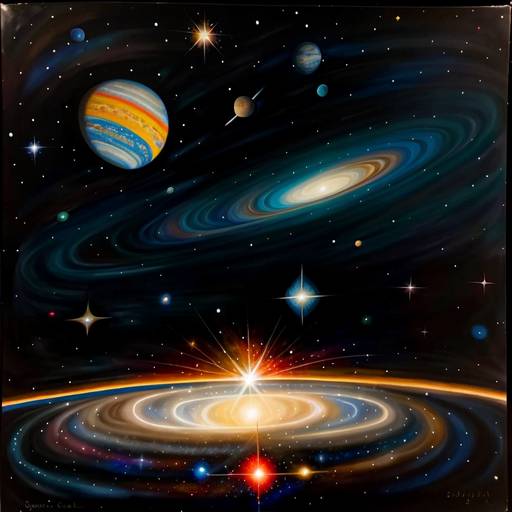
In this 5th-grade science lesson, students will delve into the fascinating world of stars and their significance in the universe. The lesson begins with a captivating video that showcases various stars and galaxies, followed by a discussion to activate prior knowledge. A PowerPoint presentation will provide insights into what stars are, their classifications, and the life cycle of a star, reinforced with visual aids like a poster.
Students will then engage in hands-on activities, including a star classification game where they work in groups to research different types of stars, create mini-posters, and simulate constellations using flashlights. The class will conclude with group presentations of their work, promoting collaboration and communication skills. Reflection questions will encourage personal connections to the material learned.
As an extension, students will be assigned a homework task to observe a constellation in the night sky and research its cultural significance. Overall, this lesson combines instruction, creativity, and collaboration to foster a deeper understanding of stars and their importance to life on Earth.

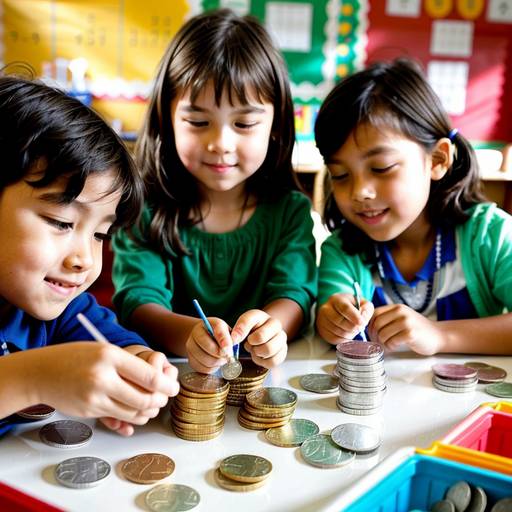
In this 1st-grade math lesson, students will learn about money by identifying various coins, including pennies, nickels, dimes, and quarters, and understanding their values. The lesson begins with a discussion on the concept of money, followed by direct instruction where the teacher models how to count coins using visual aids and involves students in hands-on participation. Following this, students will engage in guided practice in small groups, using real or play coins to create specific amounts. They will have an independent activity involving worksheets focused on counting coins. The lesson concludes with a fun mini store activity where students can use play money to "purchase" items, allowing them to apply what they’ve learned in a practical setting. Finally, the class will regroup to discuss their learning and reinforce key concepts. The assessment is based on observation during activities and the completion of the worksheets, ensuring that all students grasp the concepts related to counting and recognizing coins. Extensions for the lesson include creative writing and interactive online games for further practice.
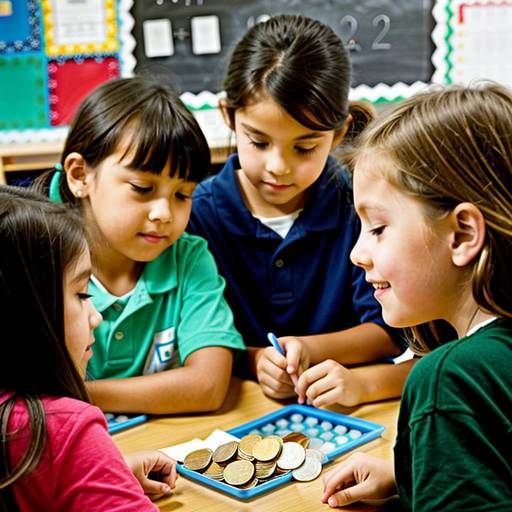
In this engaging 2nd-grade math lesson, students will explore the concept of money by identifying, counting, and comparing various coins and bills. The lesson begins with a discussion about what they could purchase with a dollar, followed by a demonstration of different coins and their values. Students will then participate in a hands-on activity in small groups, counting mixed coins and calculating their total value using a provided counting mat. After this guided practice, they will work independently on worksheets that involve counting coins and matching them to prices from flashcards. The lesson concludes with a whole-group discussion, where students share their strategies and insights, followed by a fun game to reinforce their understanding of pricing. Throughout the session, the teacher will assess students’ understanding through observation and the collection of worksheets, ensuring that all learners can grasp the importance of money in everyday life. Extension activities, such as running a classroom store, will provide additional opportunities for practical application of these newly acquired skills.
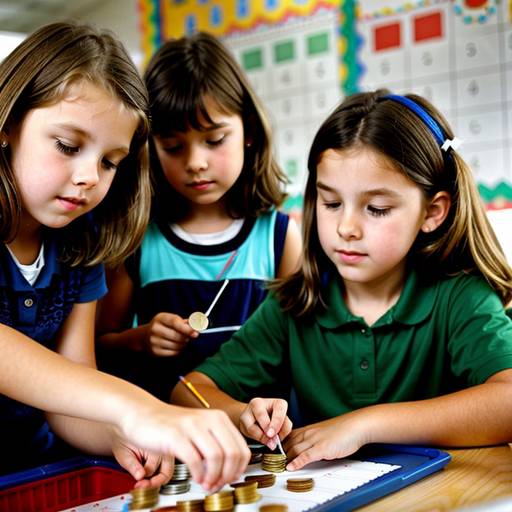
This 3rd-grade math lesson focuses on teaching students about money and budgeting through hands-on activities and real-life scenarios. The lesson begins with a discussion about the importance of money, followed by an introduction to different coins and their values. Students engage in guided practice to identify and count money using play coins.
Afterward, they work independently on budgeting templates, planning purchases within a given budget. In a group activity, students participate in a shopping fair simulation where they make decisions about what items to buy while adhering to their budget. The lesson concludes with a reflective discussion, allowing students to share their experiences and thoughts on making money choices. Assessment includes observation during activities and reviewing budgeting worksheets. Extensions and modifications are suggested to accommodate different learning needs, ensuring an inclusive and engaging experience for all students.