
Filters
Level
Grade
Subject
Subject Area
Subject Topic
Standard(s)
Audience
Keyword
DurationMinutes
Elementary School Lesson Plans
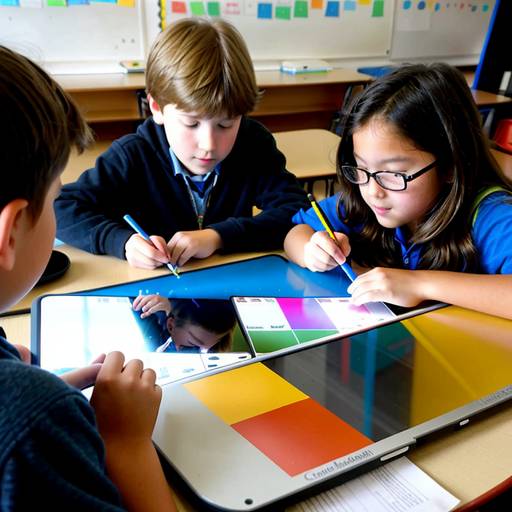
This lesson plan is designed for 4th-grade students to explore multimedia creation and digital storytelling. It spans two to three class periods and focuses on teaching students how to craft and present their own digital narratives. The objective is for students to develop their storytelling skills by integrating text, images, and sound using digital tools.
During the first day, students engage in discussions about storytelling elements and work in groups to brainstorm and outline their story ideas using storyboarding templates. The second day is dedicated to creating their digital stories with multimedia software, allowing them to bring their ideas to life while focusing on collaboration and the technical aspects of digital creation.
On the final day, students present their completed digital stories to the class, encouraging peer feedback and reflection on the storytelling process. Assessment includes evaluating the presentations based on creativity, clarity, and teamwork, while extensions involve showcasing the digital stories on a class website or during a special event. Overall, the plan promotes creativity, critical thinking, and collaboration among students.
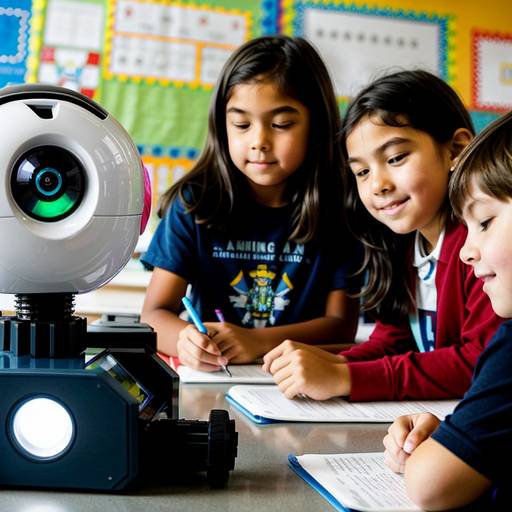
In this 1-hour lesson plan for 3rd graders, students will explore the world of robotics through collaborative design and building activities. They will begin by discussing the purpose and functionality of robots in everyday life, including key components such as sensors and actuators. After forming small groups, students will brainstorm ideas for their own robot creations and sketch designs. Using assorted craft materials and basic robot kits, groups will work together to construct their robots, fostering teamwork and creativity. Each group will then present their robot to the class, explaining its purpose, the materials used, and any challenges they faced during the building process. The lesson concludes with a reflection on the learning experience, highlighting the importance of collaboration and innovation in technology. Assessment will focus on participation during group work and the quality of presentations, while extensions offer opportunities for further creativity.
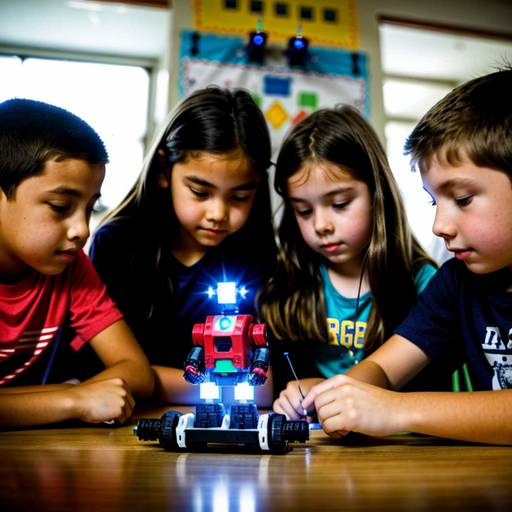
In this lesson plan designed for 4th-grade students, the focus is on introducing basic concepts of robotics and engineering through a hands-on project. Students begin by exploring various types of robots and their functions, fostering a discussion about their role in everyday life. They learn about the engineering design process, which includes steps such as asking questions, imagining solutions, planning, creating prototypes, and improving designs.
In small groups, students brainstorm ideas and then proceed to build their own simple robot models using everyday materials. Each robot must incorporate at least one moving part and demonstrate a specific function. After constructing their robots, the groups present their designs to the class, explaining their decisions and the challenges they faced during the creation process.
The lesson encourages teamwork, problem-solving, and critical thinking while allowing students to reflect on their experiences and consider ways to improve their designs. Additional activities could involve basic programming concepts to complement the hands-on experience. Assessment includes participation, creativity in design, and the ability to communicate the engineering process effectively during presentations.

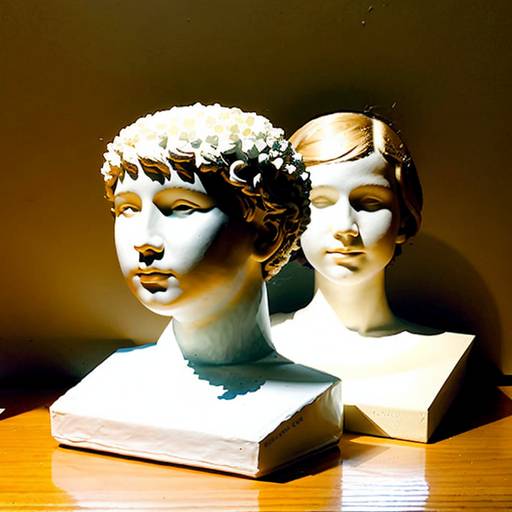
In this 1st-grade art lesson, students will explore the concept of sculpture using everyday materials to create three-dimensional art. The lesson begins with a discussion about what sculpture is and an introduction to various materials typically used in sculpting. A demonstration will show students how to manipulate wire and modeling clay, as well as how to combine these materials with recyclable items.
During the hands-on activity, students will create their own sculptures, incorporating at least three different materials while focusing on shapes and textures. The lesson also includes a cleanup time and concludes with a sharing session where students can present their sculptures to the class, explaining their inspiration and design choices. The assessment will involve observing students' engagement, creativity, and ability to articulate their thoughts about their sculptures. Extensions can include creating sculptures at home or exploring famous sculptors and their work.
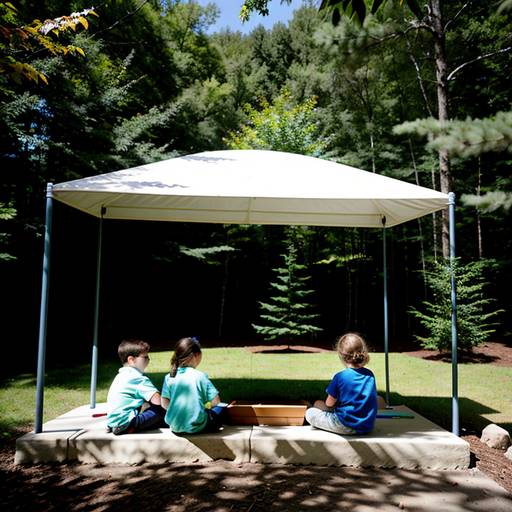
In this 3rd-grade art lesson, students will explore the concept of sculpture by creating nature-inspired artworks using recycled materials. The lesson begins with a discussion about different forms of sculpture and their relationship to the environment, supplemented by inspirational images. Students will brainstorm and sketch their designs, focusing on elements from nature that resonate with them.
As they move on to the hands-on creation phase, they will use a variety of recycled items to build their sculptures, learning about balance and stability in their designs. Once their sculptures are complete, they will have the opportunity to decorate and personalize their work.
The lesson concludes with a gallery walk where students present their sculptures to the class, sharing their inspirations and the materials they used. Through this process, they will develop their artistic skills, enhance creativity, and gain insights into the importance of sustainability in art. The activity also encourages teamwork, particularly through an optional extension project where students collaborate on a larger sculpture.
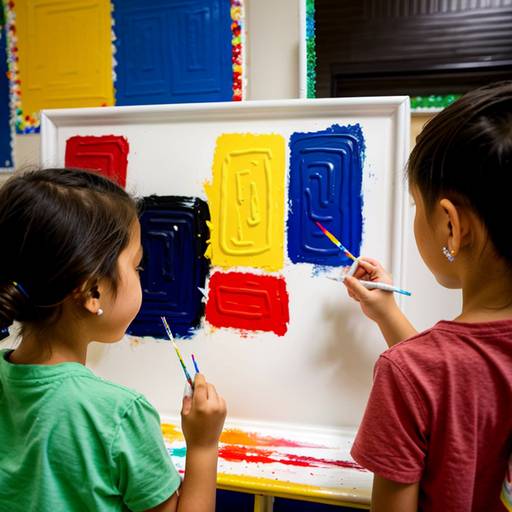
In this Kindergarten art lesson, students will embark on an engaging exploration of painting techniques and color mixing. The lesson begins with a discussion about primary colors and how they can be combined to create secondary colors. After a demonstration showcasing various techniques, such as sponge painting and brush strokes, students will have the opportunity to create their own artwork using washable tempera paints. They will experiment with different colors and textures, allowing for individual creativity to shine. As the class concludes, students will share their creations with their peers, discussing their techniques and color choices. This lesson not only fosters artistic expression but also reinforces foundational concepts in color theory and experimentation. Extension activities will encourage continual artistic development beyond the initial project.
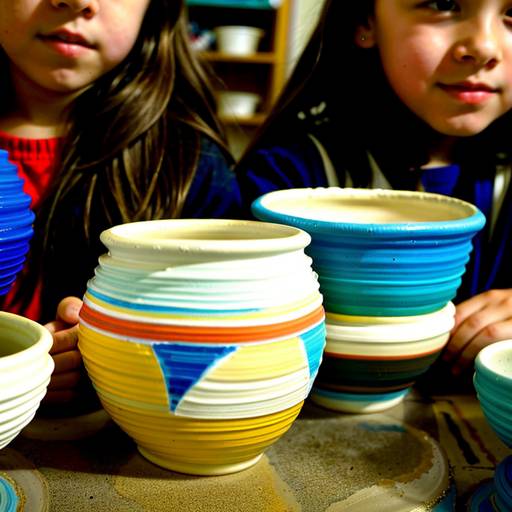
In this 2nd-grade art lesson, students will explore the world of ceramics by learning about various art forms and creating their own clay sculptures or functional items using basic hand-building techniques. The class will begin with a discussion about ceramics, showcasing images of different ceramic artworks, followed by a demonstration of techniques such as rolling, pinching, coiling, and slab building. Students will then sketch their designs before working with air-dry clay to bring their creations to life, focusing on creativity and fine motor skills. The lesson will conclude with a sharing session where students present their pieces to the class. Clean-up will be included, and future classes will build on this experience with decoration techniques. Assessment will focus on participation, creativity, and technique use throughout the process.
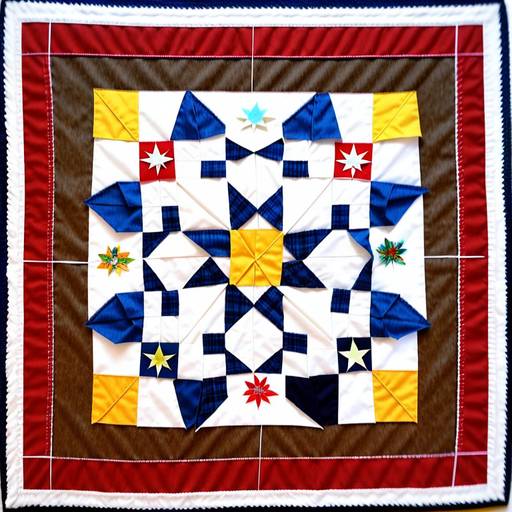
In this 1-hour art lesson for 2nd-grade students, the focus is on exploring fiber arts through a hands-on collage project. Students learn about various textile materials and their cultural significance by examining examples of fabric art. The teacher demonstrates the techniques of cutting, layering, and gluing fabric scraps onto a base of construction paper or canvas. During the creative activity, students select materials and express their individuality by designing unique mixed media collages. The lesson wraps up with students sharing their artworks and the stories behind them, fostering a sense of community and celebration of creativity. Assessment includes observing student engagement and providing feedback during the sharing session. Extensions to the lesson encourage storytelling and the introduction of additional fiber art techniques in future classes.
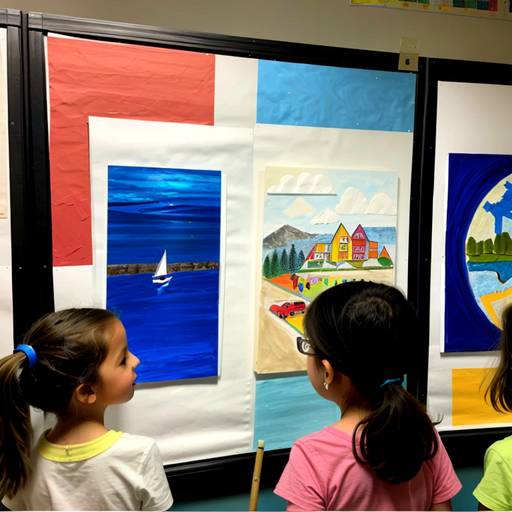
In this 1st grade art lesson, students will explore basic art techniques including cutting, gluing, and layering by creating their own collages. The lesson begins with a discussion about what a collage is, along with examples to inspire the children. Students will then gather materials from magazines, newspapers, and textured items, cutting out shapes and images that resonate with a chosen theme or story. They will arrange these pieces on construction paper, learning to layer and glue them effectively. To enhance their collages, they can add details using markers or crayons. The activity concludes with a gallery walk where students share their collages and discuss the techniques they used, fostering a sense of community and reflection on their creative process. Assessment will focus on participation and the creativity displayed in their final artwork. Extension activities and adaptations are included for varied learning needs, ensuring every student can engage meaningfully with the project.
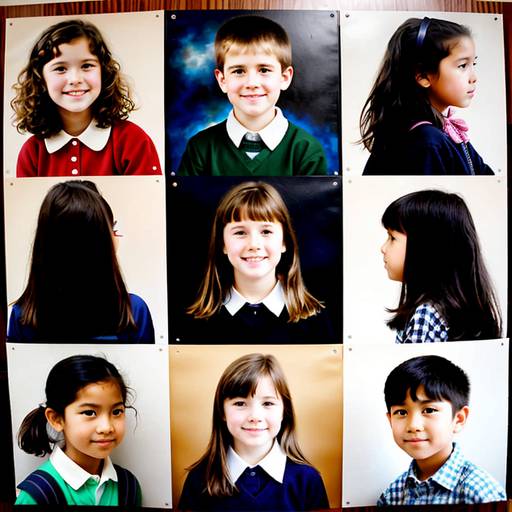
In this 1st Grade art lesson, students will explore the concept of mixed media by creating collages using a variety of materials. The lesson begins with a discussion on what art is and an introduction to collages made from different items. Following a demonstration on how to cut, layer, and glue materials, students will have the opportunity to create their own collages. They will use construction paper, magazine cutouts, and textured materials, encouraging creativity and individual expression. After the creation process, students will clean up their workspaces before sharing their collages with the class for feedback and reflection. Assessment will focus on student participation, creativity, and the effective use of mixed media. Additional modifications and extensions are provided to support diverse learners and deepen the exploration of art forms.