
Filters
Level
Grade
Subject
Subject Area
Subject Topic
Standard(s)
Audience
Keyword
DurationMinutes
Elementary School Lesson Plans

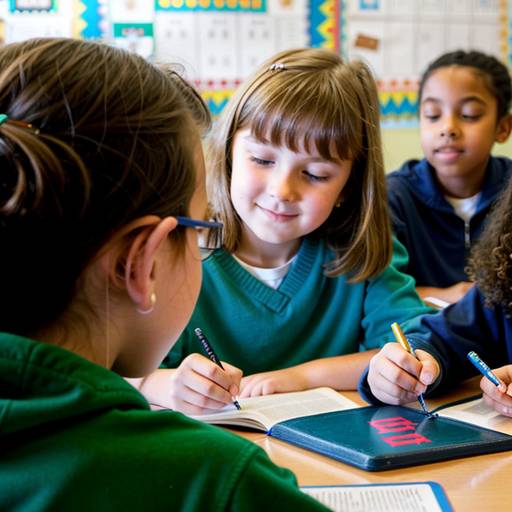
The lesson plan focuses on engaging 3rd-grade students in creative writing by guiding them through the elements of storytelling, including characters, setting, problem, and resolution. The lesson begins with a warm-up discussion about adventure stories, allowing students to share their favorites and identify key story components. Students then participate in a brainstorming session in pairs to develop their own story ideas, which they ultimately write independently, incorporating descriptive language and illustrations.
The lesson concludes with students sharing parts of their stories in small groups or with the class, fostering a supportive environment for collaboration and feedback. Assessment is based on observation during activities and the quality of the written stories. Modifications are available for different student needs, and extensions encourage students to showcase their work in a class book format. Overall, the lesson aims to develop creativity, improve writing skills, and enhance students' storytelling abilities.
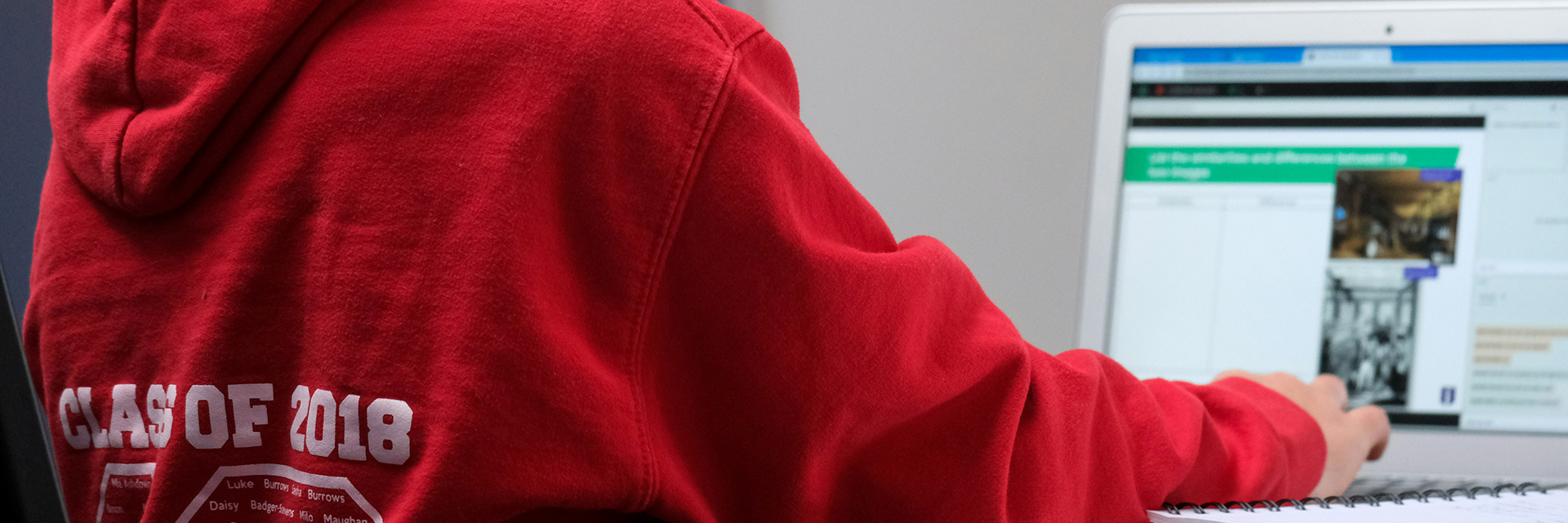
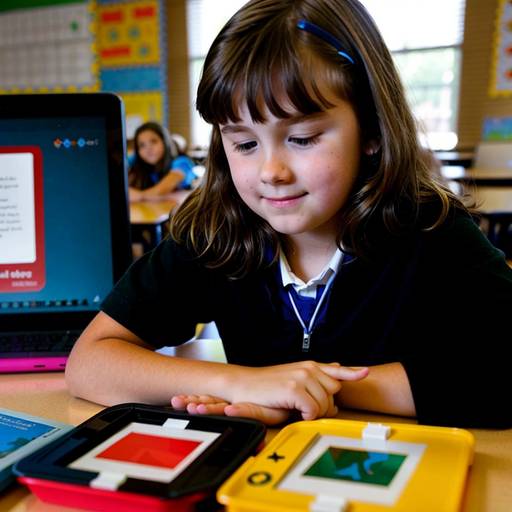
This technology lesson plan targets 4th-grade students, focusing on introducing coding concepts through the creation of interactive stories using a block-based coding platform like Scratch. Over the course of 60 minutes, students will engage in discussions about coding's importance, learn basic coding commands, and plan their unique stories, identifying key elements like characters and plot interactions. Following this, they will actively create their interactive stories by incorporating various coding elements, encouraging creativity and collaboration. The lesson concludes with peer-sharing sessions where students present their projects, receive feedback, and reflect on their learning experiences. Assessment will focus on engagement, story outlines, and the final interactive stories, while extensions allow for further refinement and exploration of coding outside the classroom.
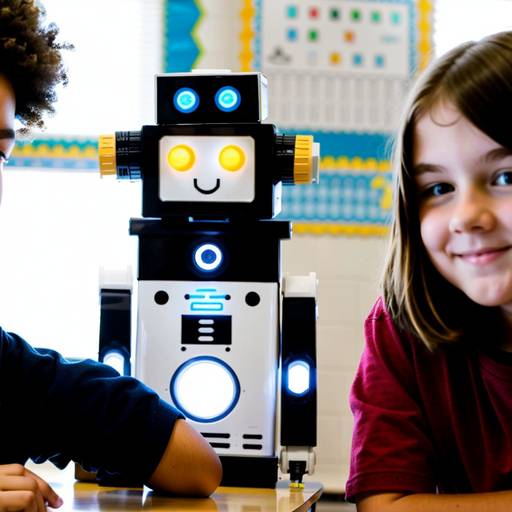
In this two-day lesson plan for 5th-grade technology students, learners are introduced to the fascinating world of robotics. The first day focuses on engaging students through discussions and videos that showcase various robots and their applications in real life. Students then work in small groups to brainstorm and design their own robots, considering the components and functions necessary for their creations.
On the second day, students build their robots using provided kits and craft materials, incorporating sensors and motors based on their designs. They are guided through programming their robots to perform specific tasks, allowing them to experiment and troubleshoot. Each group has the opportunity to demonstrate their robot and share insights about the building and programming process. The lesson culminates in reflection, enabling students to articulate their learning experiences related to robotics, teamwork, and problem-solving. Throughout the lesson, assessments are made through observation, peer feedback, and reflective writing, ensuring a comprehensive understanding of robotics concepts. Extensions are suggested for advanced learners, further deepening their engagement with technology and engineering principles.

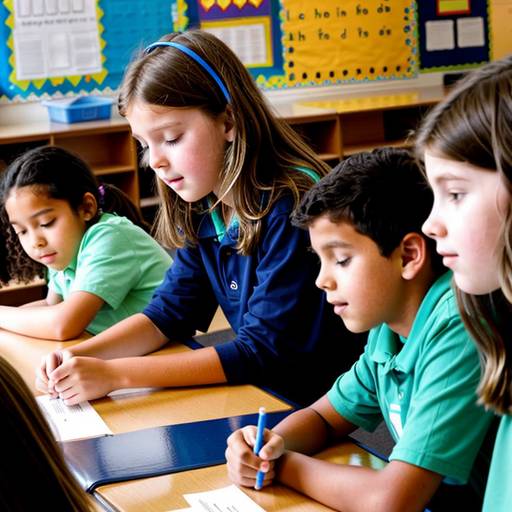
In this 4th-grade social studies lesson, students will explore the essential role of community rules and responsibilities in fostering a safe and caring environment. The lesson begins with a discussion on the characteristics that make a community a good place to live, followed by an introduction to various community roles, such as teachers, parents, and firefighters. Students will then work in small groups to brainstorm rules that their assigned roles should follow to contribute positively to the community. Each group will present their findings on chart paper.
In an independent reflection activity, students will write down one important rule they believe is vital for a caring community and share it with the class. The lesson concludes with a recap of the significance of rules and how students can actively contribute to their community. Assessment will be based on participation, group presentations, and individual reflections. This engaging lesson encourages students to understand their roles within the community and the importance of cooperation and responsibility.
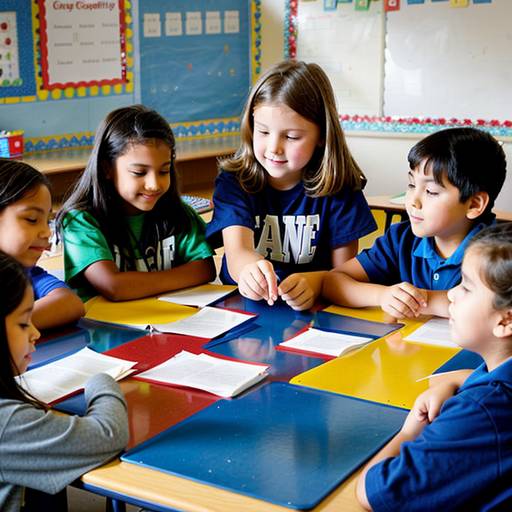
This 2nd Grade Social Studies lesson focuses on the concept of community and the importance of rules in creating a safe and welcoming environment. Students begin by discussing what makes a community and the rules that help it function effectively, supported by a read-aloud of a community-themed book. They then collaboratively brainstorm ideas for community rules which are recorded on a chart. In small groups, students create posters that illustrate their ideal community and its rules, allowing them to express their creativity and understanding of the topic. The lesson culminates with group presentations, where students share their posters and reflect on the significance of community rules. Assessment is based on participation and the quality of the posters, with extensions including a potential "Community Day" to engage families and local leaders. Accommodations are provided to support diverse learners during group activities.
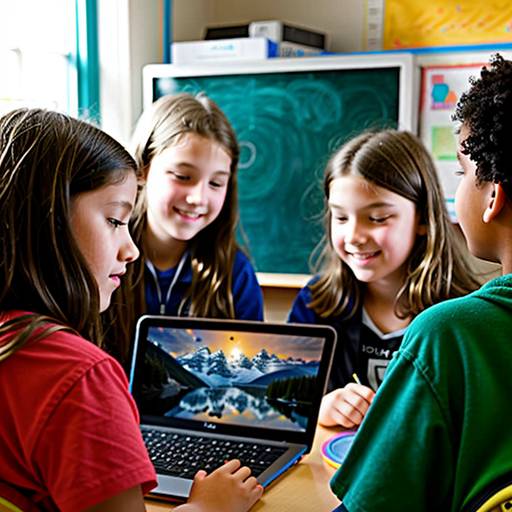
This lesson plan aims to teach 5th-grade students the fundamentals of multimedia creation and photo editing. Over the course of two class periods, students will explore the importance of multimedia in storytelling and learn essential photo editing techniques, such as cropping, adjusting brightness, adding filters, and overlaying text. They will participate in hands-on activities, where they select and edit images for their visual stories.
In the second class, students will compile their edited images into a cohesive digital story using multimedia creation tools, incorporating text, sound, and transitions. Peer feedback and sharing sessions will foster collaboration and encourage creativity. Students will be assessed on participation, creativity, and their application of photo editing skills, with accommodations and extension activities provided to support diverse learners and enhance their understanding of technology. Through this engaging approach, students will develop critical thinking, communication, and creativity skills.

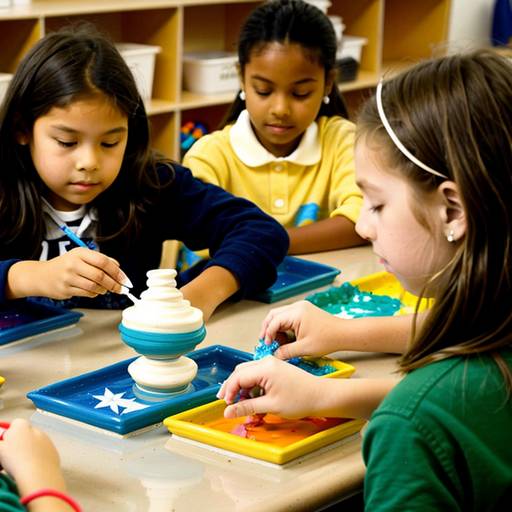
In this 4th-grade art lesson plan, students will explore the art form of ceramics by creating their own clay sculptures. The lesson spans two class periods, starting with an introduction to ceramics, discussing its cultural significance, and showcasing various ceramic art forms. After a demonstration of basic hand-building techniques such as pinching, coiling, and slab-building, students will brainstorm their ideas and sketch their designs.
In the first class, students will begin working with clay, applying the techniques demonstrated while expressing their creativity. In the second class, they will refine their projects and, depending on the type of clay used, either paint their creations or learn about glazing for kiln-fired pieces. The lesson culminates in a presentation session where students will share their works and insights regarding their artistic process, fostering an understanding of personal expression in art. Assessment will focus on participation, the final sculpture, and the presentation.
Extensions include organizing a classroom art exhibit to showcase the students' finished sculptures and exploring more advanced ceramic techniques in future lessons.
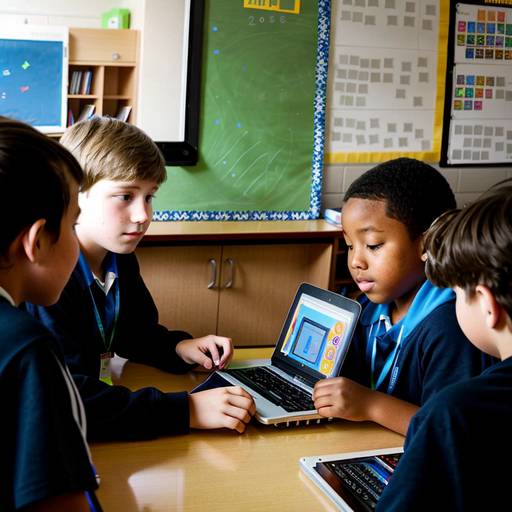
This lesson plan is designed for 5th-grade students to explore multimedia creation and photo editing over two class periods. The first day focuses on introducing students to multimedia concepts and basic photo editing techniques using appropriate software. Students participate in guided practice by editing sample images, which culminates in a class discussion about their edits.
On the second day, students will create a digital story that incorporates their edited images and accompanying text. They begin by brainstorming and outlining their narratives using storyboarding templates. Students then independently work on their digital stories, focusing on layout and design elements while being encouraged to express creativity. The lesson concludes with students preparing for brief presentations of their stories, which will take place in a future class.
Assessment criteria include the completion of storyboards, creativity in photo editing, clarity in storytelling, and participation in activities. Extensions are provided to encourage further exploration and application of skills learned. Overall, the lesson aims to enhance students' understanding of multimedia tools and storytelling techniques in a digital context.
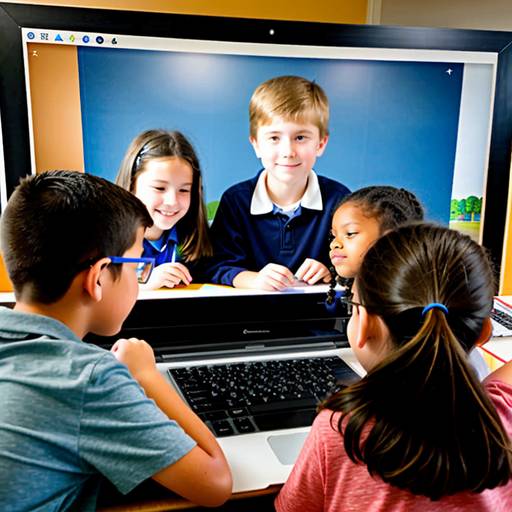
In this technology lesson for 4th graders, students will learn to create a digital storybook by integrating multimedia elements such as images, text, and narration. The lesson is divided into two days. On the first day, students are introduced to the concept of multimedia and basic photo editing techniques, allowing them to practice editing sample photos. They will then brainstorm and outline their story ideas, focusing on narrative structure.
On the second day, students will select and edit their images, which they will use to create a storybook page using presentation software. They will learn to import images, add text to convey their narratives, and experiment with layout and design elements. The lesson concludes with a sharing session, where students reflect on their experiences and what they learned about multimedia creation and digital citizenship. Assessment will be based on creativity, use of photo editing techniques, narrative clarity, and responsible image usage. Extensions and modifications are provided to accommodate different learning levels.
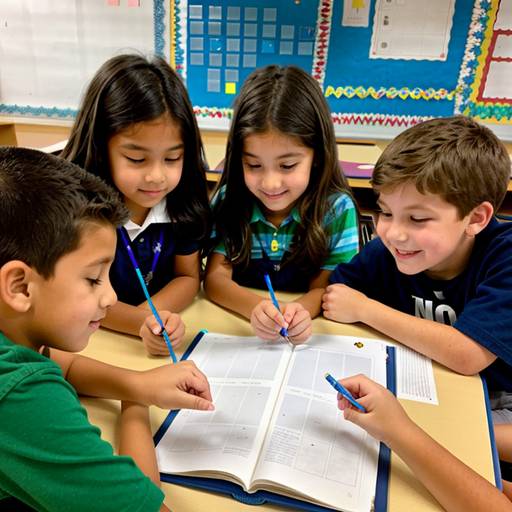
In this 2nd-grade language arts lesson, students will explore narrative writing by creating their own adventure stories. The lesson begins with a read-aloud of an engaging adventure story, followed by a class discussion that identifies key narrative elements: characters, setting, plot, and resolution. Students will then collaborate to fill out story maps that help them plan their own stories, focusing on unique characters and imaginative settings. After guided brainstorming, students will write their story drafts, incorporating the components discussed. The lesson concludes with students sharing parts of their stories with classmates, fostering a supportive environment for creativity. Assessment will be based on the clarity and completeness of their narratives, while accommodations will be provided to support diverse learning needs.