
Filters
Level
Grade
Subject
Subject Area
Subject Topic
Standard(s)
Audience
Keyword
DurationMinutes
Elementary School Lesson Plans
In this 5th-grade technology lesson plan, students will explore the fundamentals of robotics by designing, building, and programming their own robots. The lesson is divided into two class periods. During the first day, students will learn about various types of robots and brainstorm ideas for their own designs in small groups. They will sketch their robots, discuss their intended functions, and outline their design features.
On the second day, groups will receive robotics kits to construct their robots based on their designs. After completing the builds, students will be introduced to programming software, allowing them to create simple programs for their robots to perform specific tasks. They will test their robots, troubleshooting any issues that arise and refining both their designs and programs accordingly.
Assessment will focus on group collaboration, creativity, functionality, and the documentation of their planning process. The lesson encourages critical thinking, problem-solving, and teamwork. Additionally, students will reflect on their learning experience and discuss the relevance of robotics in future careers. Extensions include hosting a "Robot Challenge Day" for students to showcase their robots in various tasks.

In this 4th-grade lesson plan, students are introduced to the world of robotics and learn about the basic components and functions of robots. The class begins with a discussion on the applications of robots in daily life, complemented by a video showcasing various types of robots. Students work in small groups to brainstorm and identify real-world problems that could potentially be addressed through robotics. They then sketch their robot designs on graph paper, labeling each component and its function in relation to the chosen problem.
On the second day, students use robotics kits to build a basic model of their designed robots, collaborating and assigning roles within their groups. After constructing their robots, they prepare and deliver presentations that explain the purpose, functionality, and problem-solving capabilities of their creations. Throughout the lesson, students are assessed on their participation, creativity in design, and communication skills during presentations. This engaging and hands-on approach encourages critical thinking, teamwork, and innovation in the realm of technology.
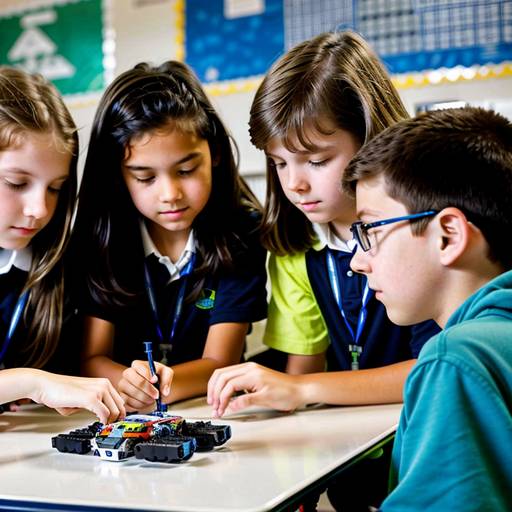
In this engaging 5th-grade technology lesson, students will delve into the fascinating world of robotics by learning about the basic components and various applications of robots. The lesson begins with an interactive discussion and video presentation to spark students’ interest. Next, they will work in small groups to brainstorm and design a robot that addresses a specific problem, fostering creativity and collaboration.
During the second class period, students will present their robot designs to their peers, explaining how their robots function and the issues they aim to solve. They will then have the opportunity to build a prototype using available materials, putting their ideas into action. The lesson concludes with a reflective discussion about the challenges faced during the design process and the real-world implications of robotics. Assessment will focus on participation, the effectiveness of the prototypes, and a reflection on what they learned, promoting critical thinking and teamwork skills while exploring the potential of technology in their future.

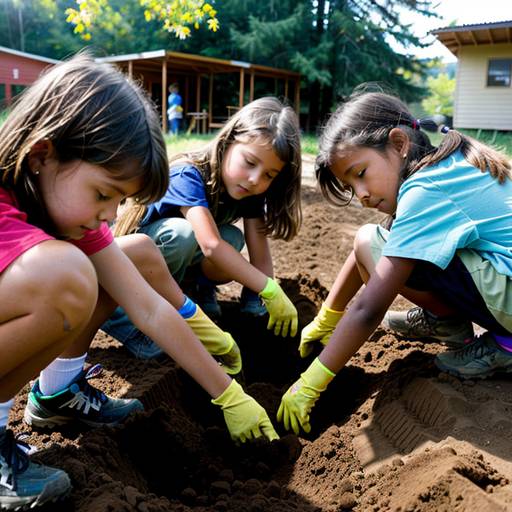
This 2nd-grade Earth Science lesson focuses on exploring soil and its significance in the environment. Students will begin by activating their prior knowledge about soil and discussing its components, layers, and various uses. Through direct instruction, they will learn about the different layers of soil (topsoil, subsoil, bedrock) and the four main types of soil (sand, silt, clay, and loam).
The hands-on activity allows students to engage with soil samples at different stations, where they will observe and record characteristics such as texture and water retention using magnifying glasses and clear cups. This observational activity fosters critical thinking as students classify the soil samples and discuss their findings as a group.
The lesson will conclude with a review of key concepts and an open-ended discussion about the relationship between soil and the support of plant and animal life. Assessments will be made through group participation and the clarity of recorded observations. To extend learning, students may also bring in soil samples from home and explore soil-themed art projects. Overall, this lesson promotes curiosity and a deeper understanding of Earth's natural resources.
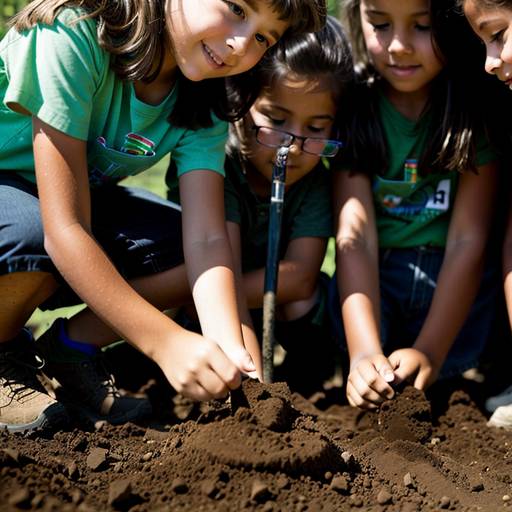
In this engaging Earth Science lesson for 3rd graders, students will explore the fascinating world of soil. The lesson begins with a discussion about soil and its importance, introducing students to the different layers of soil, including their characteristics and functions. Students will then participate in a hands-on investigation where they will examine various soil samples in small groups. Using clear cups or jars, they will observe the color, texture, and behavior of different soil types when mixed with water, recording their findings on a worksheet. The lesson concludes with students sharing their observations and discussing the significance of soil in the ecosystem, including its role in supporting plant life and maintaining environmental health. Optional extensions allow students to further investigate soil samples from home. This lesson promotes teamwork, critical thinking, and hands-on learning, fostering a deeper understanding of this essential natural resource.
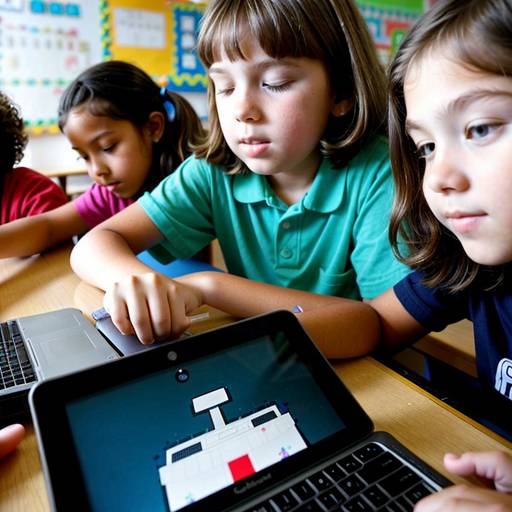
This lesson plan is designed for third-grade students to teach them essential internet skills and search engine basics. The lesson begins with an introduction to the internet and the function of search engines, emphasizing the importance of online safety and responsible use. Through direct instruction, students will learn how to effectively use search engines, formulate search queries using keywords, and evaluate search results for credibility.
In a guided practice activity, students will participate in a "Digital Treasure Hunt," where they research specific questions online and fill out a worksheet with their findings. After some independent practice, students will have the opportunity to share their discoveries with classmates. The lesson concludes with a review of what they learned about navigating the internet safely.
Assessment will involve monitoring student engagement during activities and reviewing their completed worksheets to ensure they grasp the concepts of effective searching and online safety. Additional extensions are provided for advanced learners, along with reminders about using safe websites. Overall, the lesson aims to equip students with valuable skills for exploring the digital world confidently and responsibly.
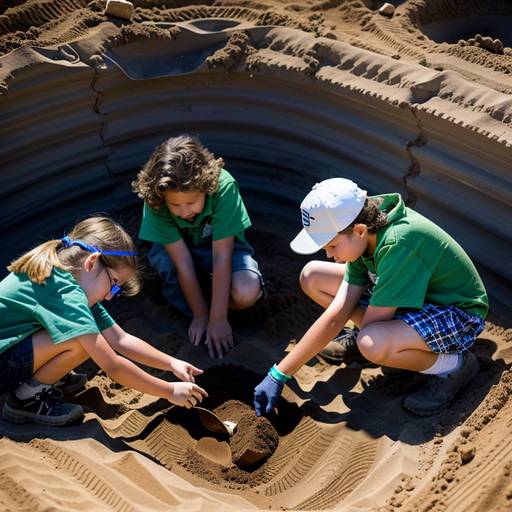
In this Earth Science lesson for 4th-grade students, the focus is on understanding soil, its composition, and its significance in ecosystems. The lesson begins with a discussion to tap into students' prior knowledge about soil, followed by a presentation on soil components, layers, and its importance to both the environment and human life.
Students are then divided into pairs to engage in a hands-on activity where they analyze soil samples, observing textures and identifying different materials using magnifying glasses and soil texture charts. They record their findings and share them in a class discussion, promoting collaboration and communication skills.
To conclude, key concepts are summarized, and students complete a worksheet and a homework writing prompt. The lesson incorporates differentiation strategies and extension activities, including a potential field trip and the possibility of starting a school garden, enhancing the learning experience and reinforcing the concepts introduced.
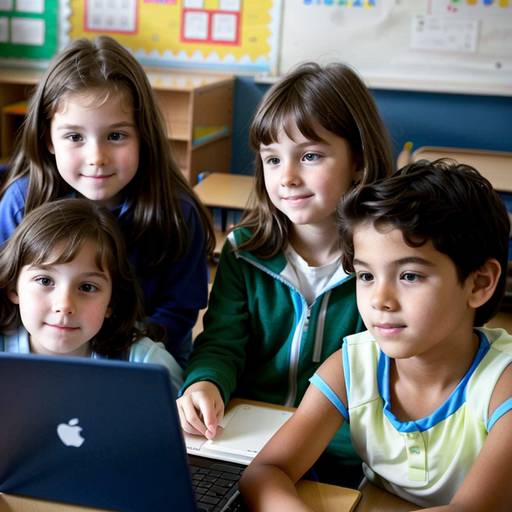
This lesson plan for 1st grade students focuses on developing basic Internet skills while emphasizing the importance of online safety. The lesson begins with a class discussion about the Internet and includes a brief animated video that illustrates safe online behaviors. Students engage in activities that reinforce their understanding of safe and unsafe practices, such as identifying what personal information should not be shared online.
The plan includes creative activities, such as coloring sheets featuring friendly characters that promote Internet safety, and a Bingo game where students identify safety tips. These activities are designed to reinforce learning through fun and interactive methods.
At the end of the lesson, students are encouraged to share their newfound knowledge with their families. Assessment is based on participation, the completion of coloring sheets, and performance in the Bingo game. The lesson provides adaptations for diverse learners and suggests follow-up activities to further strengthen students’ understanding of Internet safety. Overall, the lesson aims to lay a solid foundation for responsible digital citizenship among young learners.
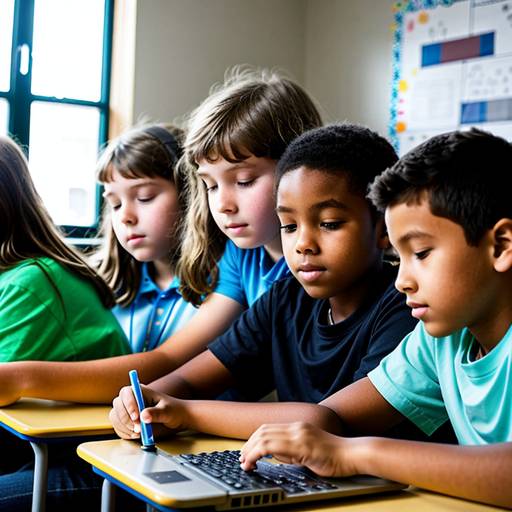
In this 5th-grade technology lesson plan, students will explore the basics of coding and programming languages through engaging discussions and hands-on activities. The lesson begins with an introduction to coding, including key vocabulary terms such as algorithm and debugging. Students will learn about different programming languages, with a particular focus on Scratch, a user-friendly platform for beginners.
The primary activity involves students logging into their Scratch or Code.org accounts to create simple animations or games using block coding. Throughout the activity, they will be encouraged to document their algorithms and troubleshoot any issues they encounter.
To conclude the lesson, students will have the opportunity to showcase their projects to classmates, discussing their learning experiences and the challenges they faced. Assessment will focus on student participation, project creativity, and comprehension of vocabulary. Extensions for advanced learners and adaptations for those needing additional support ensure a tailored learning experience for all students. Overall, the lesson aims to provide students with a foundational understanding of coding while fostering creativity and critical thinking skills.
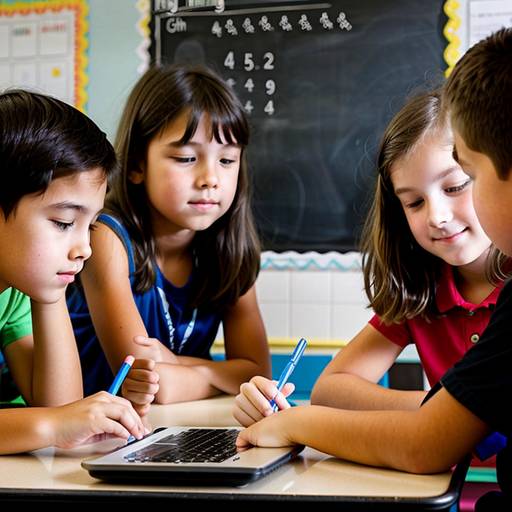
This 3rd-grade technology lesson focuses on introducing students to basic coding concepts such as sequences, loops, and conditional statements. The lesson begins with a discussion to gather students' prior knowledge about coding, followed by an explanation of key vocabulary and its importance in technology. An interactive demonstration on a block-based coding platform showcases how to create simple programs using the concepts taught.
Students then engage in guided practice by logging into the coding platform and completing a tutorial that reinforces their understanding. Working in pairs, they brainstorm and develop a mini-project that incorporates their newly learned coding techniques, encouraging creativity through games, animations, or stories.
The class wraps up with presentations of each pair's project, allowing students to explain their use of coding concepts and share their experience. The teacher assesses student understanding through observation, project review, and an exit ticket where students reflect on their learning. The lesson also includes extension activities for students interested in further exploring coding at home.