
Filters
Level
Grade
Subject
Subject Area
Subject Topic
Standard(s)
Audience
Keyword
DurationMinutes
Elementary School Lesson Plans
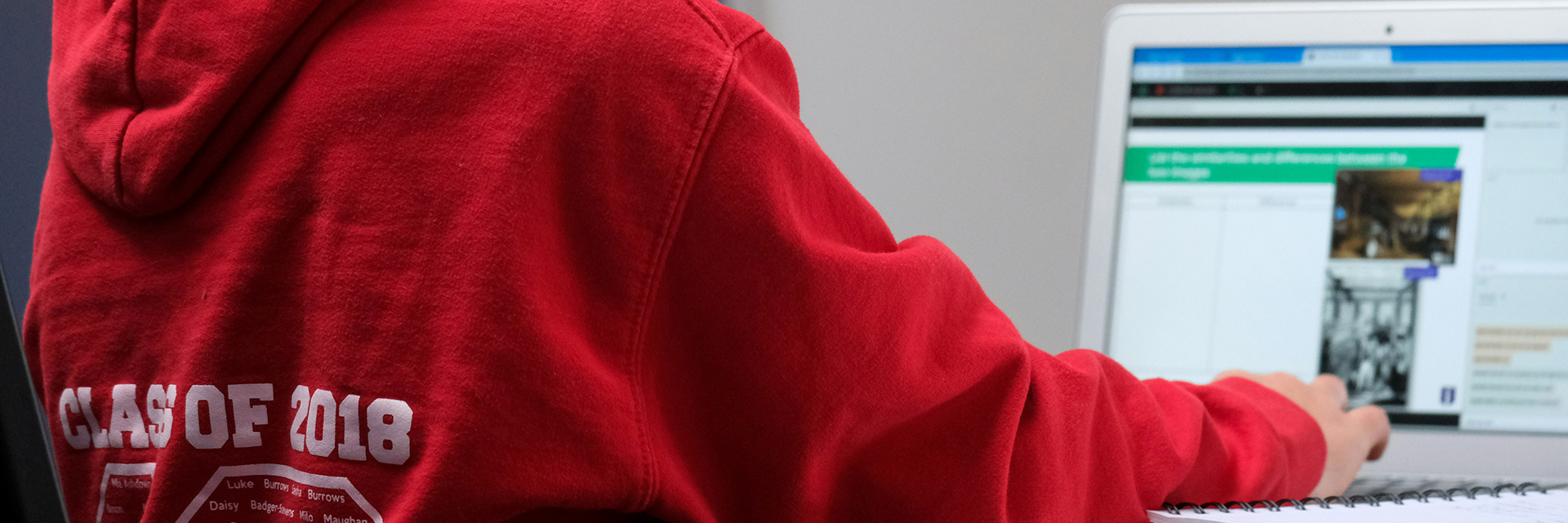
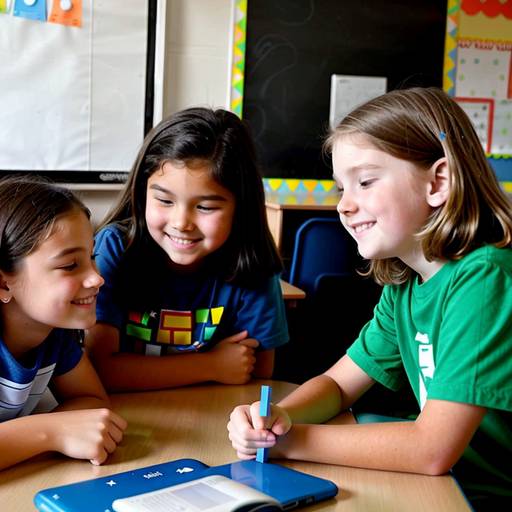
In this 4th-grade technology lesson, students will explore essential internet skills and the concept of netiquette. The lesson begins with an engaging discussion on kindness in online interactions, transitioning into direct instruction on basic internet navigation and important online etiquette rules. Students will participate in small groups to discuss various scenarios related to digital communication, applying their understanding of netiquette. Each student will then practice their skills by posting positive comments on a collaborative platform. The class will conclude with a discussion about what they learned and an exit ticket activity where each student will identify one way they plan to practice respectful online behavior moving forward. This lesson not only enhances their technical abilities but also encourages responsible interactions in the digital world.
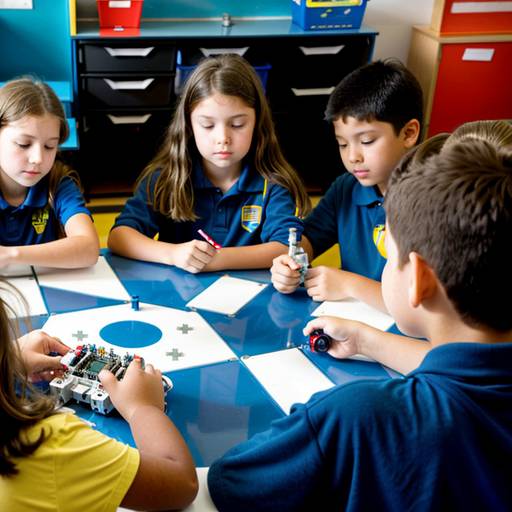
In this third-grade technology lesson, students are introduced to the world of robotics and the fundamental concepts behind robot construction. The lesson begins with a discussion on the role of robots in everyday life, followed by an exploration of the different components that make up a robot. Working in small groups, students assemble simple robot kits, allowing for creativity and collaboration as they build and customize their creations. After the robot building activity, students are introduced to basic programming using tablets or computers to make their robots perform simple movements. The lesson concludes with presentations from each group, where students share their robots' features and demonstrate their programming. Observational assessments focus on student engagement, teamwork, and understanding of programming concepts, while extension activities encourage further exploration of robotics. The lesson promotes hands-on learning and critical thinking, equipping students with skills relevant to future technology and engineering fields.

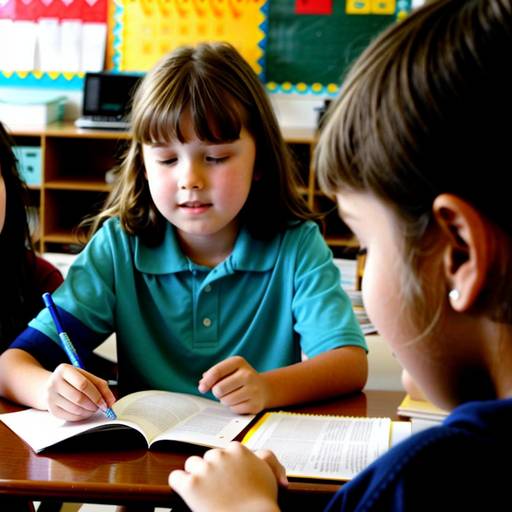
In this fourth-grade language arts lesson, students will explore the fundamentals of persuasive writing by learning to craft their own persuasive letters. The class will begin with a discussion about the concept of persuasion and techniques used to convince others, such as emotional appeal, facts, and credibility. Following this, students will analyze examples of persuasive letters, focusing on key components such as the introduction, body, and conclusion.
They will then engage in guided practice using a graphic organizer to brainstorm ideas and structure their letters around topics they are passionate about. After drafting their letters independently, students will pair up to share their work and provide constructive feedback to one another. The lesson will conclude with a few students sharing their letters with the class, reinforcing the importance of persuasive writing in everyday communication. Assessment will focus on evaluating the clarity, use of persuasive techniques, organization, and creativity of each student’s letter. Extensions include creating posters or presentations based on their topics, enhancing engagement and practical application of their persuasive writing skills.
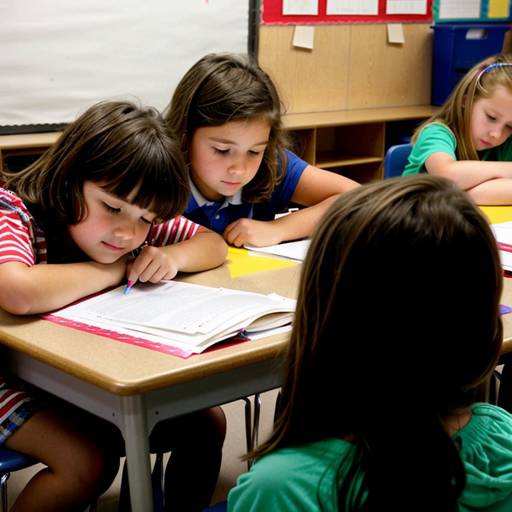
In this 60-minute lesson plan designed for 3rd-grade students, the focus is on teaching the fundamentals of persuasive writing. The lesson begins by engaging students in a discussion about their experiences with persuasion, helping them connect personally to the topic. Key elements of a persuasive letter are introduced, including the greeting, opinion, supporting reasons, closing statement, and sign-off. Students then have the opportunity to choose a topic they feel passionately about and outline their arguments using a graphic organizer. During independent practice, they write their persuasive letters, allowing for personal expression and creativity. The lesson concludes with students sharing their letters, fostering discussion and reflection on the persuasive techniques used. Assessment includes observation of participation, review of graphic organizers, and evaluation of the completed letters. Extensions for the lesson are suggested to further enhance students' engagement with persuasive writing in real-world contexts.
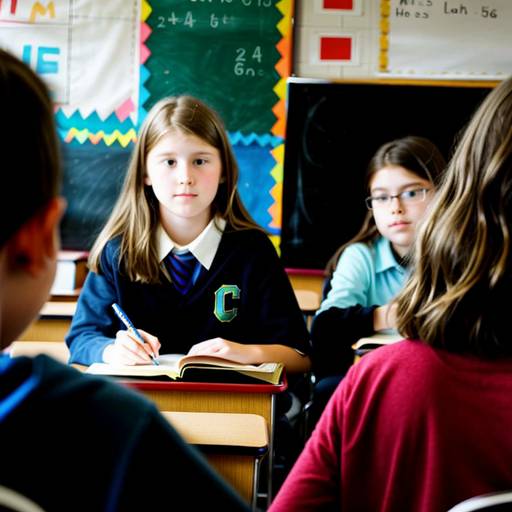
This lesson plan aims to teach 5th-grade students the fundamentals of persuasive writing. The objectives include understanding the purpose and key elements of persuasive writing, identifying persuasive techniques in sample texts, and creating their own persuasive pieces. The lesson begins with a discussion about advertisements to engage students' interest, followed by a detailed explanation of the elements of persuasive writing, such as hooks, opinion statements, supporting details, and calls to action.
Students work in small groups to analyze various persuasive texts, identifying techniques and elements within their samples. After this collaborative activity, they independently write a persuasive letter to the principal proposing a new school rule, utilizing a provided checklist for guidance. The lesson closes with students sharing their letters and reflecting on what they learned about persuasive writing, supplemented by an exit ticket that prompts them to express a key takeaway.
Assessment includes reviewing the persuasive letters to ensure understanding of the key concepts and participation in discussions. Extensions encourage visual expression through poster creation and oral presentation through classroom debates. Differentiation strategies are included to support diverse learners, ensuring that all students can engage and succeed in the persuasive writing process.

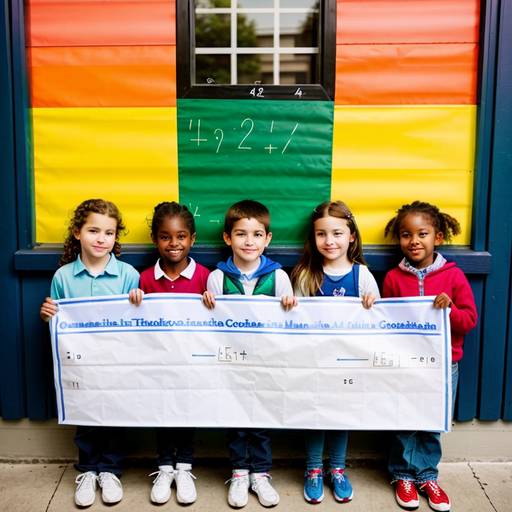
In this 1st grade math lesson, students explore the concepts of measurement and temperature through engaging, hands-on activities. The lesson begins with a discussion about measurement and its importance, introducing non-standard units like paper clips. Students work in small groups to measure classroom objects using these units and record their findings. Next, they learn about thermometers, discussing temperature concepts and measuring the temperature of different objects in the classroom. Students create their own thermometers, labeling temperature ranges, and contribute to a class temperature chart. The lesson concludes with a recap and sharing session, reinforcing the learning outcomes while allowing for individual expression through drawing. Assessment is based on participation and group presentations, and extensions encourage further exploration of measurements in everyday life.
This lesson plan is designed for 3rd-grade students to explore the concepts of measurement in length and temperature. Over the course of 60 minutes, students will engage in hands-on activities to measure various objects using rulers and take temperature readings with thermometers. The lesson begins with an introduction to the importance of measurement in everyday life, followed by direct instruction on using rulers and thermometers effectively.
Students will then participate in guided group practice, measuring the length of different objects and recording the classroom temperature. Afterward, they will complete a worksheet independently, where they analyze and answer questions about the measurements they took. The class will reconvene for a discussion, where groups will share their findings, and a collective temperature chart will be created for visual representation.
Assessment will be based on the completed worksheets and group participation. Extensions are offered for advanced learners, including unit conversion and investigating the effects of temperature on different materials. Modifications are also provided to support students needing additional assistance, ensuring all learners can engage meaningfully with the concepts presented.
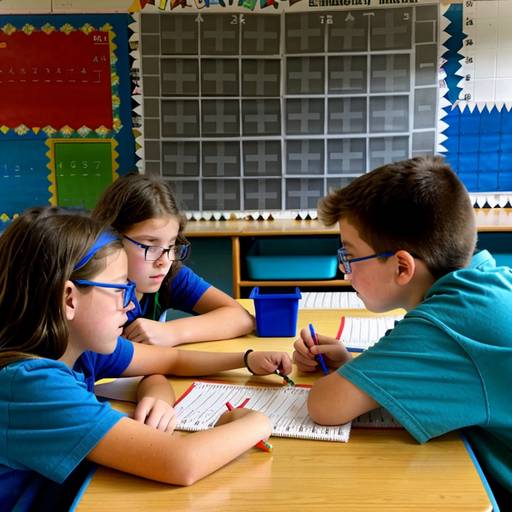
In this 5th-grade math lesson, students will explore the concepts of measurement and temperature while developing their skills in converting between Celsius and Fahrenheit. The lesson begins with a discussion on the importance of temperature measurement in everyday life. Students will learn the formulas for converting temperatures between the two scales before engaging in a guided group activity where they work collaboratively to solve temperature conversion problems. Each group will present their findings, reinforcing their understanding through collaboration.
Following the group work, students will complete a worksheet that includes a mix of temperature conversion tasks and real-life scenarios to further solidify their knowledge. The lesson concludes with a recap and discussion on the relevance of temperature understanding in various professions. Assessment will be based on the worksheets and observed participation during group activities, with differentiation strategies in place to support diverse learners. An optional homework extension encourages students to apply their skills by tracking and converting weekly weather forecasts. This engaging approach ensures that students not only grasp mathematical concepts but also see their practical applications in daily life.

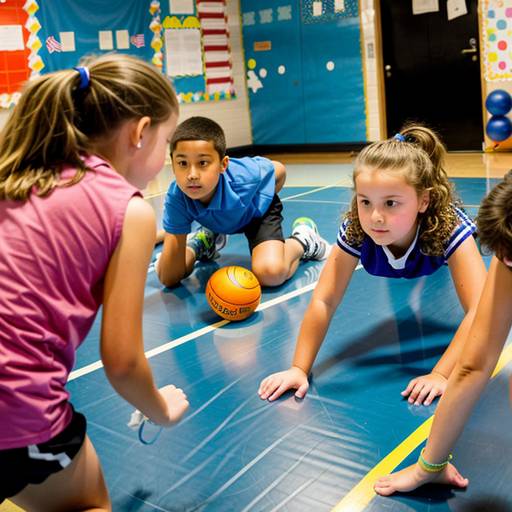
This 4th-grade physical education lesson focuses on enhancing students' coordination and teamwork skills through engaging activities. The session begins with a dynamic warm-up that prepares students for movement, followed by a relay activity where teams compete to throw beanbags into hula hoops. This promotes both coordination and cooperative encouragement among teammates. The second part of the lesson involves a trust walk, where students navigate an obstacle course in pairs, enhancing their communication and reliance on one another. The class concludes with a cool-down discussion that reflects on the importance of teamwork and coordination in achieving shared goals. Throughout the lesson, students are assessed on their ability to cooperate and communicate effectively, ensuring inclusivity and support for all participants.
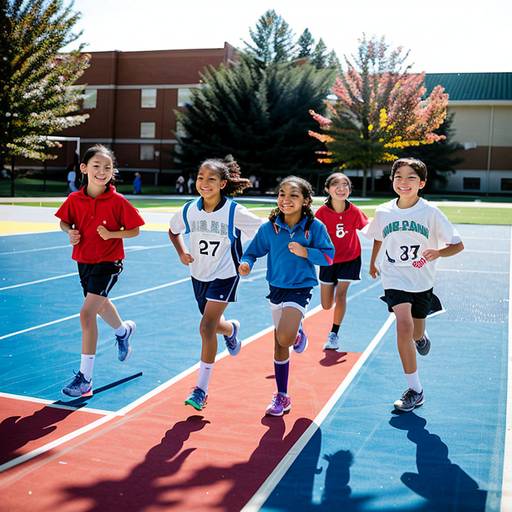
This lesson plan is designed for 2nd-grade students and focuses on enhancing coordination and fostering teamwork through engaging relay activities. The session begins with a brief discussion on the importance of cooperation and communication in sports and everyday life. A dynamic warm-up prepares students for physical activity by incorporating movement and stretches.
Students participate in a series of relay race stations, each featuring different activities designed to promote coordination, such as balancing a bean bag, tossing and catching, passing a hula hoop while staying connected, and jumping rope. Teams rotate through these stations, with a specific time allocated for each, encouraging collaboration and strategy among teammates.
The lesson concludes with a cool-down period focused on deep breathing and stretching, followed by a reflective discussion where students share their experiences and insights about teamwork and coordination during the activities. The instructor assesses student participation and cooperation throughout the session, highlighting the significance of these skills in various aspects of life. Modifications are included to support diverse learners and ensure inclusive participation.