
Filters
Level
Grade
Subject
Subject Area
Subject Topic
Standard(s)
Audience
Keyword
DurationMinutes
Elementary School Lesson Plans

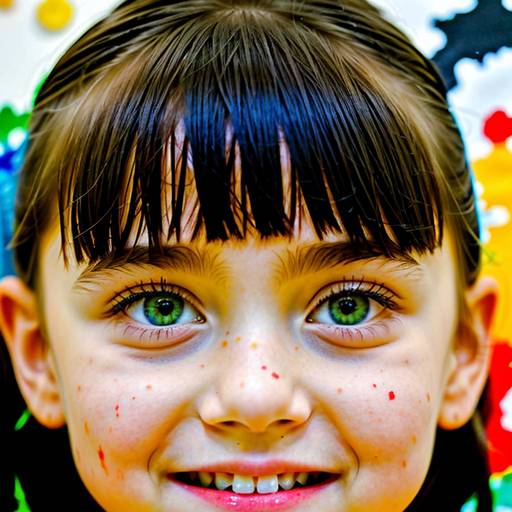
In this Kindergarten art lesson, students will explore various painting techniques that focus on creating texture. The session begins with a brief introduction to the concept of texture and a discussion about different painting tools, accompanied by examples of textured artwork. Students will then rotate through exploration stations, engaging in activities that include sponge painting, splatter painting with toothbrushes, scraping techniques, and watercolor painting. Each station allows students to experiment with different materials and creative methods. After their exploration, students will have the opportunity to create a unique piece of artwork, combining at least two techniques of their choice. The lesson concludes with a sharing session where students present their work to the class and reflect on their creative choices. Throughout the activity, emphasis is placed on expression, creativity, and the joy of artistic exploration. Clean-up is guided to instill responsibility, and follow-up activities are suggested to reinforce the concepts learned.

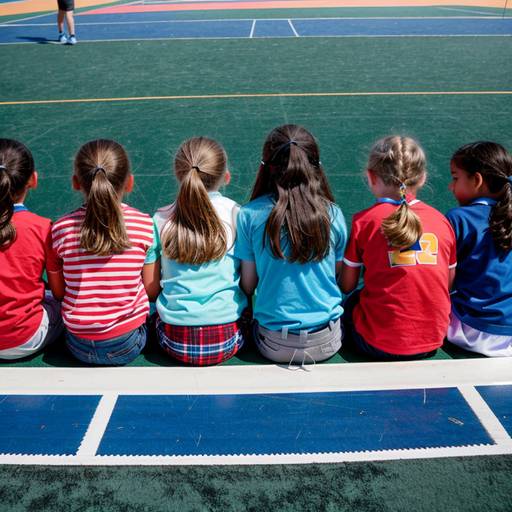
In this 1st-grade physical education lesson, students participate in a variety of engaging activities focused on exploring sports and gymnastics. The class begins with a brief discussion about the importance of exercise, followed by a fun warm-up to prepare their bodies for movement. Students are then divided into small groups to rotate through four stations, each designed to develop different physical skills. Activities include hula hooping, soft ball passing, jump rope challenges, and practicing basic gymnastics movements on mats. After completing the stations, students cool down with gentle stretching and deep breathing exercises. The lesson concludes with a recap, allowing students to share their favorite activities, reinforcing the positive aspects of teamwork and physical fitness. Throughout the lesson, teachers assess participation and skill development to foster a supportive and encouraging environment.
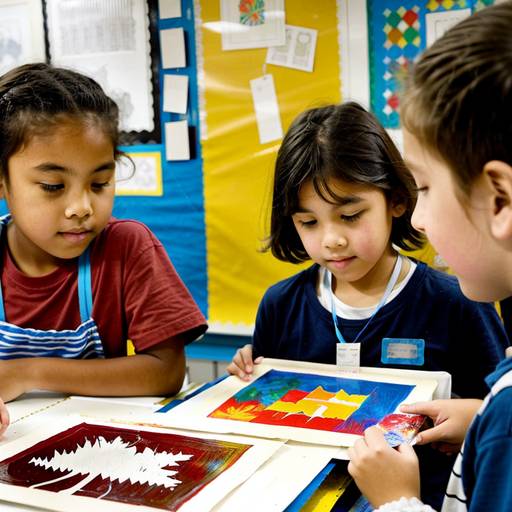
In this 3rd-grade art lesson, students will explore the fundamentals of printmaking by creating their own stamped prints. The lesson begins with a discussion about what printmaking is and examples of its use in everyday life. Students will design and cut their own foam stamps, focusing on simple shapes and patterns that can create interesting textures.
Once their stamps are completed, they will learn how to apply paint to their stamps using sponges, ensuring an even coating. The main activity involves stamping their designs onto large sheets of paper, experimenting with color combinations and layering techniques to enhance the visual impact of their prints.
After creating their artwork, students will share their pieces and reflect on their learning experiences. The lesson concludes with a brief cleanup, and students will have the opportunity to display their work while discussing the creative process and their favorite aspects of printmaking. Assessment will be based on participation, creativity, and each student's ability to articulate what they learned. Extensions of the lesson may include introducing more advanced printmaking techniques in future classes.
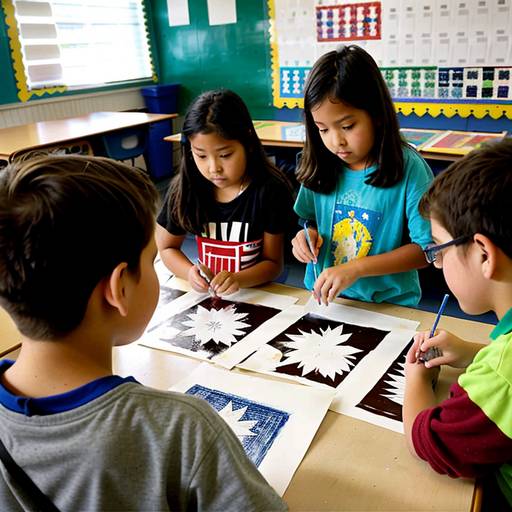
In this art lesson for 4th grade students, participants will explore the fundamentals of printmaking by creating their own stamps and using them to produce artistic prints that reflect personal stories or themes. The lesson is divided into two class periods.
During the first session, students will learn about printmaking techniques through discussion and demonstration. They will brainstorm ideas for their artwork and create sketches that focus on patterns and repetition. In the second session, students will transform their designs into stamps made from foam or potatoes, applying paint to print their creations onto paper.
The lesson emphasizes creativity, self-expression, and the narrative behind each student’s artwork. After printing, students will share their pieces with the class, discussing the themes and patterns present in their work. The teacher will assess students based on their participation, creativity, and craftsmanship, while providing feedback to encourage further interest in printmaking. Adaptations will be available for students with varying skill levels or physical disabilities to ensure inclusive participation in the art-making process.
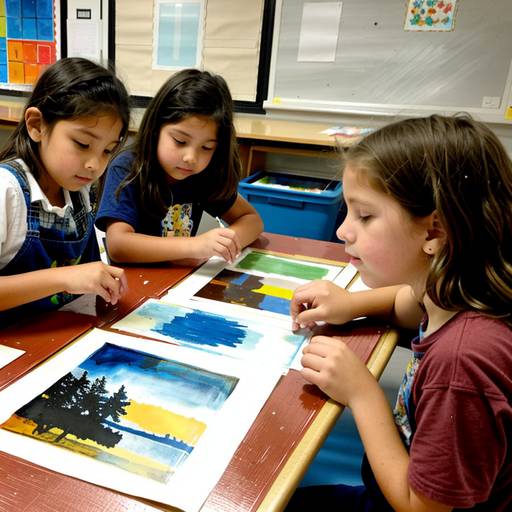
In this 3rd-grade art lesson, students will explore the basics of printmaking by creating their own stamps from potatoes or foam. The lesson begins with an introduction to printmaking concepts, including a discussion on different types of prints and their uses. After a demonstration on how to create stamps, students will craft their own designs and experiment with paint to make colorful impressions on paper. The class will then participate in a reflection and sharing session where they will discuss their artwork and the inspiration behind their designs. Cleanup and organization will follow, ensuring students learn the importance of maintaining a tidy workspace. This lesson promotes creativity, self-expression, and an appreciation for various art forms, while also encouraging collaboration and discussion among peers. Extensions for early finishers and a discussion of famous printmaking artists provide opportunities for further exploration in future lessons.

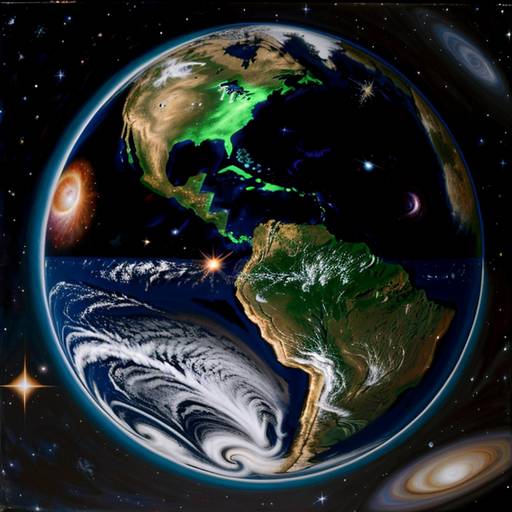
In this 4th-grade science lesson plan, students will engage in exploring the solar system and understanding celestial bodies such as planets, moons, and stars. The lesson begins with a discussion about astronomy, followed by a short video that introduces the solar system. Students will learn about the order of the planets, their characteristics, and how they relate to Earth, as well as the importance of space exploration and key missions.
Following this introduction, students will work in small groups to research a specific planet or celestial body, creating informative posters that highlight its features and interesting facts. Each group will then present their findings to the class, fostering engagement and discussion. The lesson concludes with a recap of key concepts and an assignment for students to complete at home, illustrating significant milestones in space exploration.
Assessment will include participation in discussions, evaluation of group posters, and the completion of the take-home worksheet. The lesson offers opportunities for extensions, such as field trips or invitations to guest speakers, and encourages students to observe the night sky and document their findings in a personal journal.
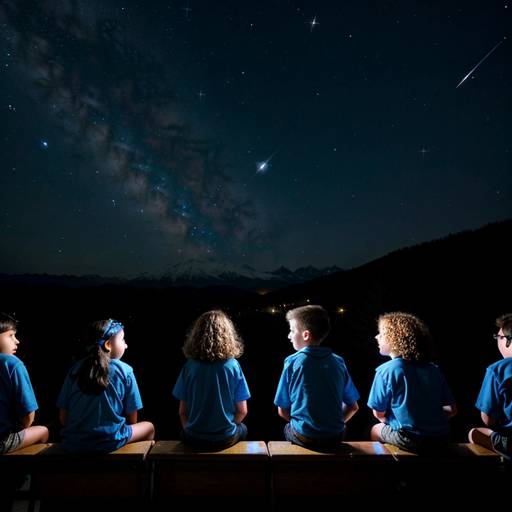
In this 3rd-grade science lesson, students will explore the fascinating world of stars and constellations. The lesson begins with a discussion to gauge students' prior knowledge about stars, followed by a brief video that introduces the topic. Direct instruction will provide key information about the different types of stars and how they form constellations.
Students will then engage in a hands-on activity where they will create their own constellations using black construction paper and chalk, encouraging both creativity and artistic expression. Each student will present their constellation to the class, sharing the inspiration behind their creations and enabling peer interaction through questions and feedback.
The lesson will conclude with a recap of the important concepts learned and a fun homework assignment encouraging students to observe stars or constellations at home. Assessment will involve observing student participation and creativity during presentations, ensuring they grasp the key concepts of the lesson. Extensions such as creating a star map in the classroom and incorporating technology will enhance their learning experience further. Overall, this lesson aims to instill a sense of wonder about the universe while promoting scientific inquiry and creativity.
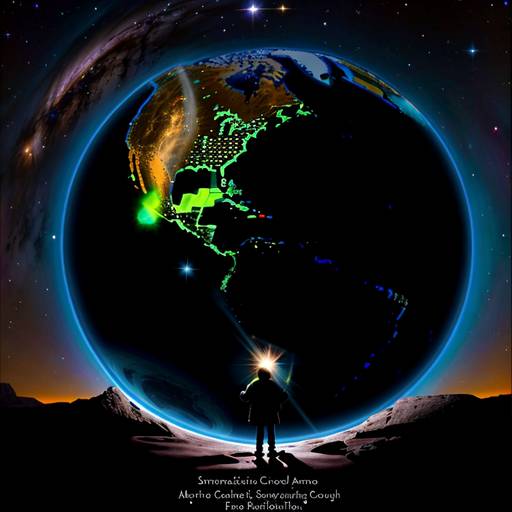
This 5th-grade science lesson focuses on teaching students about stars and their characteristics within the field of astronomy. The session begins with an engaging introduction featuring stunning visuals of stars to spark curiosity and elicit prior knowledge from students.
Through direct instruction, students learn about different types of stars, their life cycles, and the concept of light years as a measure of distance in space. In a hands-on group activity, students create models of various types of stars using Styrofoam balls and craft supplies, while also preparing to present their findings to the class.
The lesson concludes with a reflective discussion that reinforces key concepts, and students complete an exit ticket to express one new fact learned and one lingering question about astronomy. Assessment includes evaluating group models and presentations, with opportunities for extensions through individual projects or field trips to enhance learning. Overall, this lesson not only builds knowledge but also fosters curiosity and teamwork among students.
This 2nd Grade science lesson focuses on introducing students to the fascinating world of stars and constellations. It begins with a discussion that encourages students to share their prior knowledge about stars, followed by an explanation of their characteristics and the concept of the Milky Way galaxy.
Students will then engage in a creative activity where they design their own constellations on black construction paper using star stickers or crayons and write a short story about what their constellation represents. The lesson includes a sharing segment, allowing students to present their creations and reflect on the significance of stars.
In closing, the teacher will recap key concepts learned and encourage students to explore the night sky at home. Assessment will occur through monitoring participation in activities and presentations, with optional extension resources available for further learning in astronomy. Safety considerations for material use will also be addressed throughout the lesson.
This fourth-grade science lesson focuses on introducing students to the fascinating world of stars and constellations. It begins with an engaging discussion about what stars are and their essential role in the universe, covering their composition, lifecycle, and various types. Students learn to identify different kinds of stars, such as main-sequence stars, red giants, and white dwarfs, while also exploring constellations and their navigation significance. Through a guided mapping activity, students use star charts to locate and identify constellations, followed by a hands-on project where they create their own night sky on black construction paper, incorporating stickers and drawings to represent stars and constellations. The lesson culminates in sharing their creations and reflecting on their learning, alongside a homework assignment that encourages them to observe the night sky with an adult. Assessment includes evaluating participation and understanding during activities and reviewing the accuracy and creativity of their projects. The lesson supports differentiation, catering to various learning needs and encouraging further research for advanced learners.