
Filters
Level
Grade
Subject
Subject Area
Subject Topic
Standard(s)
Audience
Keyword
DurationMinutes
Elementary School Lesson Plans

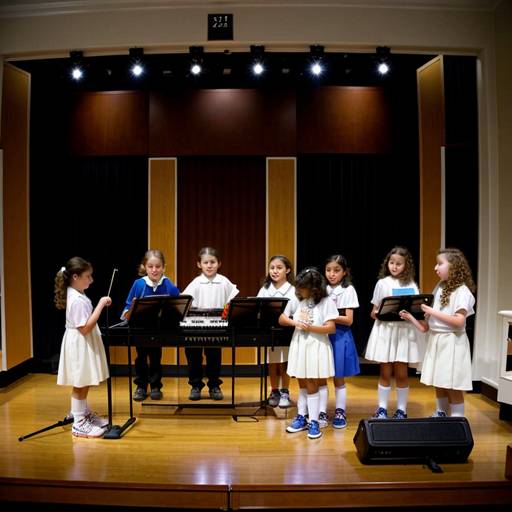
In this third-grade music history lesson, students explore various music periods, including Baroque, Classical, Romantic, and Contemporary. The lesson begins with a discussion on the importance of music and its historical context. Students then engage in a listening activity, where they hear key pieces from each period and share their thoughts on the instruments, emotions, and purposes of the music.
Following this, students are divided into small groups, each assigned a music period to create a short musical composition using simple instruments. This hands-on activity encourages creativity while allowing students to incorporate characteristics of their assigned period. Each group presents their composition to the class, fostering communication skills and teamwork.
The lesson concludes with a group reflection on what they learned about the evolution of music and its cultural significance. Students receive a worksheet summarizing the key features of each music period to reinforce their understanding and allow for individual assessment. Throughout the lesson, students actively participate in discussions and activities, promoting both musical appreciation and creativity.
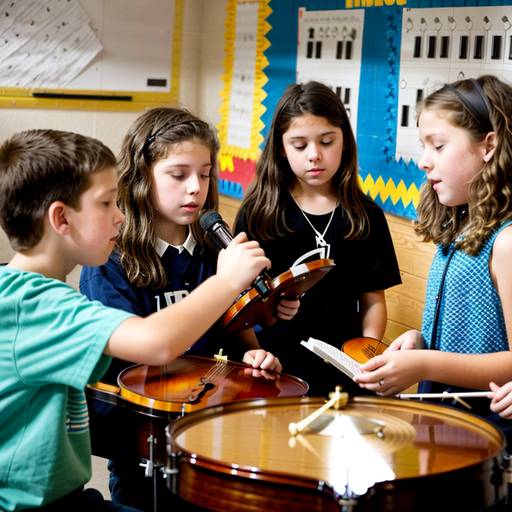
The lesson is designed for 4th-grade students to explore the evolution of music and its various styles throughout history. It begins with a warm-up discussion about students' favorite types of music, followed by a presentation detailing a timeline of music history. Students will listen to audio samples from different periods, including Baroque, Classical, Romantic, and 20th Century music, while learning about key composers and musicians associated with each style.
To deepen their understanding, students will participate in a group activity involving musical exploration stations where they will listen to audio clips, read artist biographies, and fill out worksheets to document their thoughts. If feasible, students may also experiment with percussion instruments to connect with the music physically.
The lesson concludes with a group sharing session, allowing students to present their findings and reflect on how music relates to culture and history. Assessment includes participation in discussions and completion of worksheets, ensuring that students engage thoughtfully with the material. Extensions for the lesson encourage further research and creative expression. Overall, the lesson aims to instill an appreciation for the diverse musical landscape and its historical significance.
In this 4th-grade music appreciation lesson, students will explore various music genres, including classical, jazz, rock, pop, and world music. The lesson begins with a discussion on the importance of music and personal favorites, followed by listening to short audio clips of each genre. Students will share their thoughts and feelings about the music, leading to a collaborative chart that highlights the characteristics of each genre.
In small groups, students will engage in a creative activity where they create visual collages representing their assigned genre, incorporating key traits, instruments, and notable artists. Each group will then present their collage to the class, fostering communication and teamwork. To conclude the lesson, students will reflect individually on their favorite genre through a worksheet, articulating their preferences and reasons.
Assessment will be based on participation, the quality of the collages, and the reflections submitted by each student. Additionally, students will be encouraged to contribute their favorite songs to a class playlist for future enjoyment, reinforcing the lessons learned about music diversity and appreciation.
In this 5th-grade music appreciation lesson, students will explore various music genres from around the world, fostering an understanding of cultural diversity through sound. The lesson begins with a discussion about the importance of music in their lives and an introduction to different genres. Students will be divided into small groups, each assigned a specific genre to listen to and analyze. They will fill out a listening guide that captures key characteristics, instruments, and cultural significance while engaging with audio clips. Following their exploration, groups will present their findings to the class, promoting peer learning and discussion. The lesson concludes with a class reflection on the diverse genres explored and personal connections to the music. Assessment will be based on participation, completion of the listening guide, and engagement in discussions. Optional extensions encourage further research and creative projects related to the genres studied.
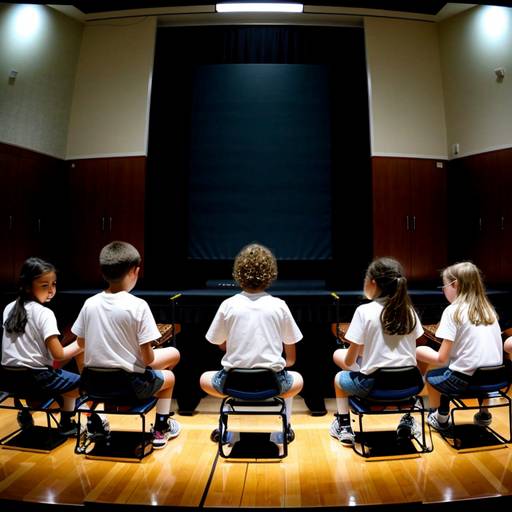
In this 4th-grade music appreciation lesson, students will embark on an auditory exploration of various musical genres from around the world. The lesson begins with an engaging discussion about the importance of music in different cultures and encourages students to share their personal musical preferences.
Students will then participate in a structured listening activity, where they will hear a series of audio clips representing diverse cultures, such as African drumming and Indian classical music. As they listen, they will fill out worksheets to capture their observations about the instruments, rhythms, and emotional responses elicited by each piece.
Following the listening activity, a class discussion will allow students to share their insights and compare their thoughts on the different genres. To culminate the lesson, students will engage in a creative activity, creating artwork inspired by the music they enjoyed, while revisiting the audio clips for inspiration.
The class will conclude with a sharing session where students present their artwork and explain its connection to the music. Throughout this lesson, students will enhance their listening skills, develop an appreciation for global musical diversity, and express their creativity, providing a well-rounded experience in music appreciation and cultural awareness.
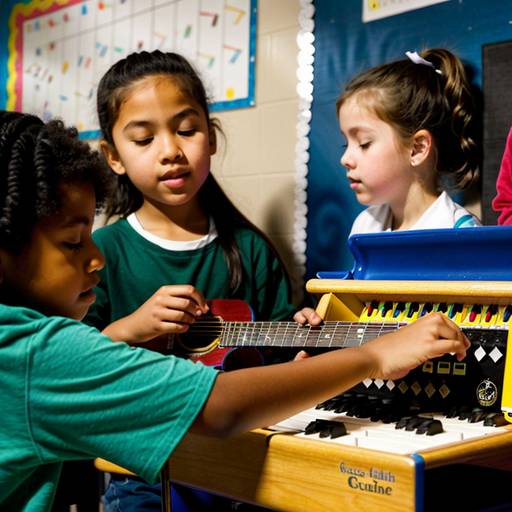
In this second-grade music appreciation lesson, students will explore the diverse world of music and sound. The class begins with a discussion about music's role in their lives, followed by an engaging listening activity where they hear short clips from various genres. After each clip, students will share their thoughts on the instruments, emotions evoked, and visual imagery inspired by the music. They will also learn about different cultural instruments related to the pieces they heard.
To encourage creative expression, students will create artwork inspired by the music, focusing on colors and shapes that represent their interpretations. The lesson concludes with a final listening activity, prompting students to reflect quietly on the music. Assessment will be based on participation, completed artwork, and students' ability to articulate their responses and feelings about the music. Extensions include listening to additional music at home to share in future classes and contributing to a classroom “listening wall” to celebrate their favorite songs. This lesson aims to enhance listening skills, foster cultural appreciation, and encourage personal expression through music.
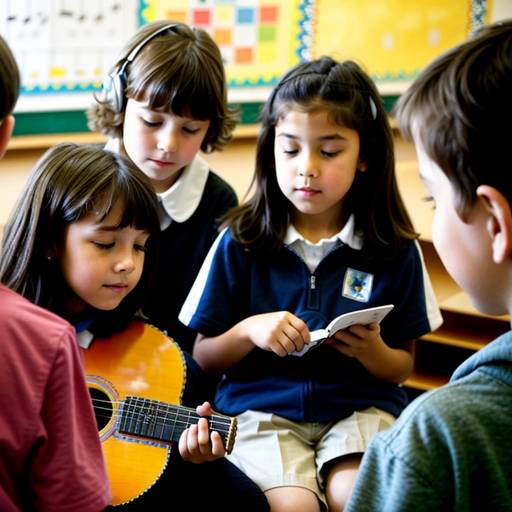
In this 1st Grade music lesson, students will explore various musical styles and their historical contexts through listening and movement activities. The class will start with an introduction to the concept of musical styles, followed by engaging listening stations featuring audio clips from classical, jazz, folk, rock, and hip-hop genres. After listening, students will participate in a movement activity where they will use colorful scarves or ribbons to express themselves in response to each musical style. The lesson will culminate in a wrap-up discussion, allowing students to share their favorite styles and connect them to visual representations. Assessment will be based on participation, understanding of musical characteristics, and their ability to articulate their preferences. Optional extensions include creating rhythms with classroom instruments or inviting a local musician for a live demonstration.
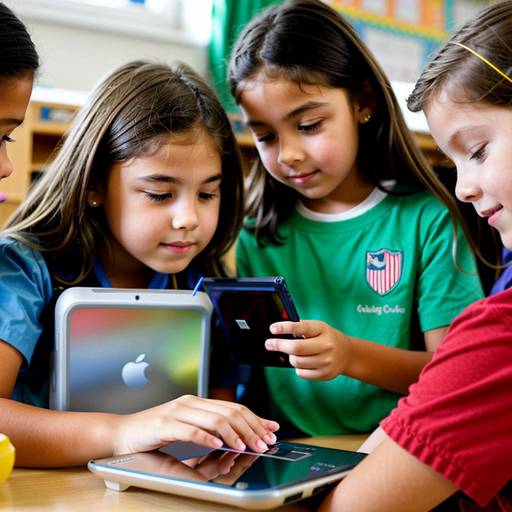
In this 3rd-grade technology lesson, students will learn about the importance of maintaining and cleaning their devices. The lesson begins with a discussion about technology use at home and school, followed by an exploration of the benefits of keeping devices clean and the potential risks of neglecting them.
Through a guided demonstration, students will observe proper cleaning techniques using microfiber cloths and appropriate cleaning solutions. They will then participate in a hands-on activity where they will practice cleaning their own devices, reinforcing their understanding of safe and effective maintenance practices.
The lesson wraps up with a group discussion for students to reflect on what they learned, and they will receive handouts with cleaning guidelines to share with their families. Overall, the goal is to instill a sense of responsibility and hygiene in handling technology.

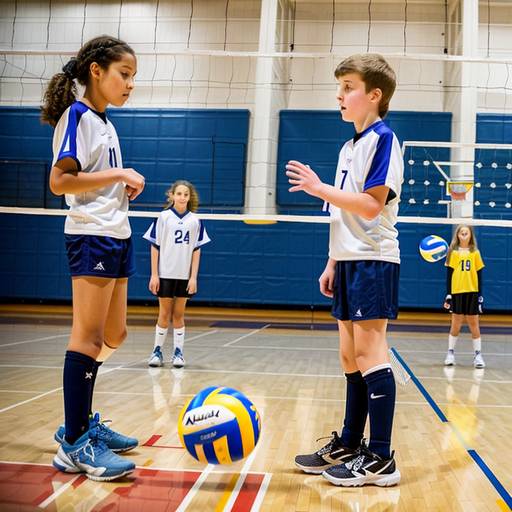
In this 5th-grade physical education lesson, students will be introduced to the fundamentals of volleyball, focusing on essential skills such as serving, passing, and setting. The session begins with a brief overview of the sport, its rules, and the significance of teamwork. After a dynamic warm-up to prepare their bodies for activity, students will engage in three skill stations, where they will practice serving, passing, and setting in pairs. Following the skill development, the class will be divided into two teams to participate in a mini-volleyball game that emphasizes the application of skills learned. The lesson concludes with a cool-down period and reflection, allowing students to discuss their experiences and emphasize the importance of practice, teamwork, and sportsmanship. Throughout the lesson, students’ participation and skill execution will be observed for assessment, with adaptations available to support diverse learning needs.
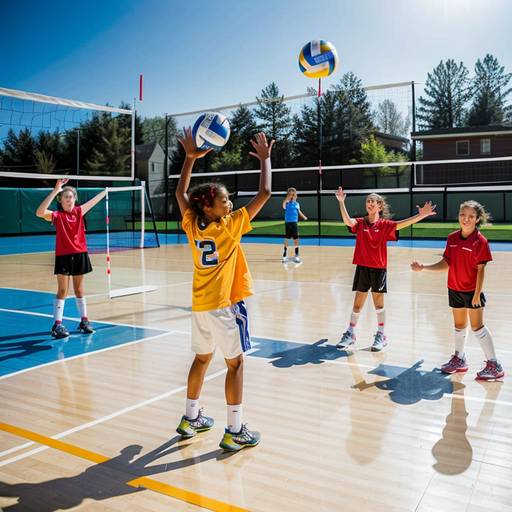
This 4th-grade physical education lesson focuses on introducing students to the fundamentals of volleyball. The session begins with a warm-up that includes dynamic stretches and volleyball movement drills to prepare students for physical activity. Following the warm-up, the instructor explains the basic rules and objectives of volleyball while demonstrating essential skills, such as serving, passing, and setting.
Students then rotate through skill practice stations, where they have the opportunity to refine their serving, passing, and setting techniques with peers. After practicing these skills, students are divided into small teams for a mini volleyball game, encouraging teamwork, communication, and application of the skills they've learned.
The lesson concludes with a cool-down period featuring a series of stretches, followed by a reflective discussion about the importance of teamwork and communication in sports. Throughout the lesson, the teacher assesses student participation and offers feedback to enhance their learning experience, ensuring a fun and inclusive environment for all participants.