
Filters
Level
Grade
Subject
Subject Area
Subject Topic
Standard(s)
Audience
Keyword
DurationMinutes
Elementary School Lesson Plans

In this engaging music appreciation lesson for 3rd graders, students will explore famous songs from various genres to understand their emotional impact and cultural significance. The lesson begins with a discussion about favorite songs, allowing students to express how music resonates with them. Following this, they will listen to short excerpts from selected well-known songs and participate in a guided discussion about the feelings and messages conveyed in each piece.
After listening, students will be divided into small groups, where each group will analyze a specific song, discussing its themes and personal connections. They will create visual posters to represent their song's emotions and meanings, fostering collaboration and creativity. Each group will then present their work to the class, encouraging further dialogue and questions.
The lesson concludes with a reflection on the power of music in connecting people and cultures. An optional extension activity allows students to create their own short songs or poems inspired by the emotions explored. Assessment will focus on participation, the creativity of the posters, and the ability to articulate personal connections to the music. The lesson aims to foster a deeper appreciation for music and enhance students' understanding of its role in expressing emotions and storytelling.
This lesson plan for 5th-grade students focuses on music appreciation and explores famous songs from various artists. The lesson begins with a warm-up discussion about students' favorite songs and the role of music in everyday life. Following the introduction, students engage in a listening activity where they hear short clips of famous songs, discuss their feelings and impressions, and learn about the historical and cultural context of each piece.
After the listening session, students break into small groups to create their own song or rap that conveys an important message, fostering collaboration and creativity. They write lyrics based on themes similar to those presented in the songs they listened to and prepare a performance for their classmates.
The lesson concludes with group performances where students showcase their creations, followed by a reflection on their learning experience regarding the impact of music on society. Assessment is based on participation, creativity, and the ability to express thoughts about the songs discussed. Extensions are suggested for further exploration of music genres and culture. Overall, the lesson promotes understanding and appreciation of music as a powerful form of expression and communication.
This lesson plan is designed for 4th-grade students to explore and understand the concept of dynamics in music, focusing on loudness and softness. The lesson begins with a discussion about dynamics, introducing essential terms and symbols such as piano (soft), forte (loud), crescendo (getting louder), and decrescendo (getting softer).
Students engage in active listening by analyzing a selection of musical pieces that showcase varied dynamics. Following this, they participate in a hands-on activity where they form small groups to create and perform their own short musical pieces, incorporating at least three different dynamics. Each group will present their work to the class, providing an opportunity for observation and feedback.
The lesson concludes with a class discussion on what students learned regarding dynamics and an individual worksheet activity that reinforces their understanding of the concepts. The lesson also includes extensions for homework, encouraging students to explore dynamics in their favorite songs, and accommodates different learning needs through tailored activities. Overall, this lesson encourages creativity, collaboration, and critical listening skills while fostering an appreciation for the nuances of musical expression.
This Kindergarten music lesson focuses on introducing young students to the world of music appreciation and listening. Through interactive activities, students will explore various musical instruments by listening to audio clips and matching them with pictures. The lesson includes an engaging listening session where students will experience different genres of music, allowing them to express their feelings and thoughts about each piece. They will be encouraged to reflect on how the music makes them feel and to share any personal experiences related to the sounds.
To foster creativity, students will create artwork representing their emotional responses to the music. The lesson concludes with a group discussion to recap learning and encourage students to think about music they enjoy. Assessment will be based on participation, engagement in discussions, and the creativity demonstrated in their drawings. Extension activities include creating a class music playlist and exploring simple percussion instruments to further enhance their musical experience. The lesson is designed to be inclusive and culturally diverse, ensuring all students can connect with the music they encounter.

In this Kindergarten music lesson, students will explore basic music theory concepts related to rhythm and note values through engaging activities. The lesson begins with a warm-up greeting song to foster excitement for music and an introduction to the significance of rhythm. Students will learn about different note values, such as quarter notes, eighth notes, and half notes, using clapping and body percussion for practice.
They will then participate in a group activity where small teams create and present their own rhythmic patterns through movement and sound. To further enhance their understanding, students will engage in a fun rhythm dice game, allowing them to make creative interpretations of various rhythms.
The lesson concludes with a reflection discussion where students share their insights on rhythm and its emotional impact, followed by a farewell song incorporating what they've learned. Throughout the session, teachers will continuously assess student participation and understanding, adapting practices to meet diverse learning needs. The focus remains on creating an enjoyable and collaborative musical experience.
In this 30-minute music lesson for 1st-grade students, the focus is on introducing the concepts of rhythm through interactive and engaging activities. The lesson begins with a discussion on rhythm, providing a basic understanding and demonstration through clapping simple patterns. Students participate in clapping along with various rhythm cards that illustrate different note types, such as quarter and eighth notes.
Following this, students enhance their learning by marching in place to upbeat music while clapping and stomping to different rhythmic patterns called out by the teacher. This activity reinforces their sense of timing and coordination. In the final segment, students work in pairs to create their own rhythmic patterns using body percussion, fostering creativity and collaboration. Each pair shares their rhythm with the class, promoting a fun, collective experience.
The lesson concludes with a reflection on what was learned and experienced, with emphasis on participation and enjoyment in rhythm. Assessment focuses on individual students' engagement and ability to keep time, while adaptations are provided for those needing additional support. Extensions allow students to practice rhythms at home, further embedding their understanding and appreciation of music.
In this 3rd-grade music appreciation lesson, students will engage in an exploration of various musical genres and instruments while developing their listening skills. The lesson begins with a discussion about music and its significance, where students share their favorite types and instruments.
Next, the class will listen to several short excerpts of music, followed by reflections on the instruments heard and the emotions evoked by the pieces. Visual aids featuring different instruments will support this discussion.
Students will then express their creativity by drawing an instrument they heard or depicting the feelings the music inspired. A group discussion will follow, allowing students to share their perspectives and learn about music as a form of expression.
Finally, the lesson concludes with a fun song that encourages participation. Assessment will be based on student engagement during discussions and the artwork they create. Extensions will promote further exploration of music at home and collaboration to build a classroom playlist. Overall, this lesson aims to foster a deeper appreciation for music and enhance critical listening skills.
In this 2nd-grade music appreciation lesson, students will explore the world of music by enhancing their listening skills and developing an appreciation for various genres and instruments. The lesson begins with a discussion on music's significance in everyday life, allowing students to share their favorite songs. They will listen to short excerpts of different music styles, during which they will identify sounds, instruments, and emotions evoked by the music.
As part of the activity, students may use listening cones or blindfolds to focus on the auditory experience. Following the listening exercise, they will learn about various instruments through picture cards and discuss how these instruments contribute to different genres. To encourage creativity, students will complete a worksheet where they either draw their favorite instrument or write about their preferred music genre, focusing on their feelings and thoughts.
The lesson concludes with an invitation for students to share their creative responses with the class, promoting reflection on music's impact on emotions and connections. To wrap up, a lively song will be played to encourage movement and joy, reinforcing the idea that music is a source of happiness and unity. Additionally, options for extending the lesson through classroom playlists or a "Show and Tell" day are provided to keep the music engagement ongoing.
In this 5th-grade music appreciation lesson, students will explore a variety of musical genres from different cultures around the world, enhancing their active listening skills. The class will begin with an engaging discussion about favorite songs and the significance of diverse musical styles. Following this, students will listen to a series of audio clips, including classical, jazz, rock, folk, and world music, while reflecting on their emotional responses and the musical elements they identify.
Using their listening journals, students will capture their thoughts after each piece, noting feelings, imagery, and instrumental characteristics. To express their insights creatively, they will then create artworks inspired by one selected piece of music, incorporating their reflections into their illustrations. The lesson will conclude with a gallery walk where students share their artwork and thoughts with peers, fostering a collaborative appreciation for music. Assessment will be based on participation, journal entries, and creativity in the art project. Extensions can include research assignments on specific genres or artists, reinforcing the connection between music and cultural identity.
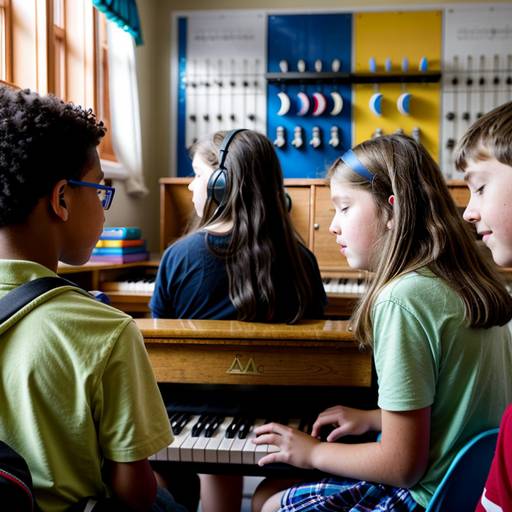
In this engaging music history lesson for 5th-grade students, participants will explore various musical styles from different historical periods and understand their cultural significance. The lesson begins with auditory examples from Baroque, Jazz, and Rock music, prompting students to express their emotional reactions and discuss the evolution of music.
Following an overview, students will rotate through interactive "musical style stations," where they will listen to audio samples, learn key characteristics of each era from visual aids, and participate in hands-on activities related to those styles. After regrouping for a discussion, students will form small groups to create presentations that highlight a specific musical era—incorporating audio examples, key features, and a creative skit or song.
The lesson concludes with group presentations, encouraging peer engagement, collaboration, and creativity. Assessment will focus on participation and the depth of understanding demonstrated during discussions and presentations, while a follow-up activity invites students to bring in a personal favorite song to share in future lessons.