
Filters
Level
Grade
Subject
Subject Area
Subject Topic
Standard(s)
Audience
Keyword
DurationMinutes
Elementary School Lesson Plans

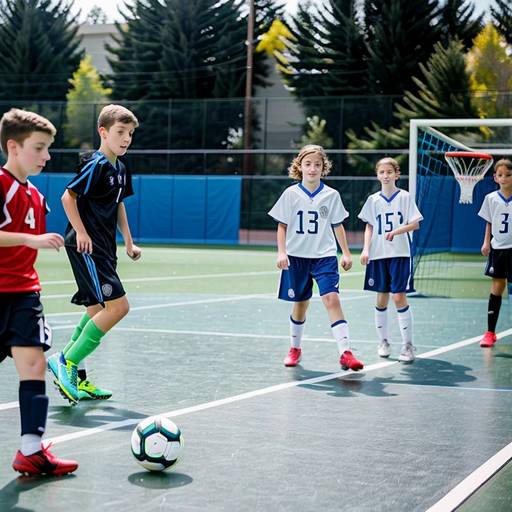
In this 5th-grade physical education lesson, students engage in a comprehensive soccer skills development session lasting 60 minutes. The lesson begins with a warm-up that includes dynamic stretching and a dribbling activity to prepare students for physical activity. Instruction focuses on dribbling techniques and passing skills, with students paired up to practice short passes, receiving feedback to improve their control and technique.
The main components of the lesson involve competitive activities: relay races and small-sided 3v3 soccer games. During relay races, teams navigate a dribbling course, promoting speed and ball control, while the 3v3 games provide an opportunity for students to apply their skills in a game setting, emphasizing teamwork and cooperation.
The lesson concludes with a cool-down session that includes static stretching and a reflective discussion about teamwork and sportsmanship. Throughout the activities, students are assessed through observation to gauge their skill development and teamwork efforts, with modifications provided as needed to support all learners. Optionally, students may also reflect on their experiences through a written assignment.
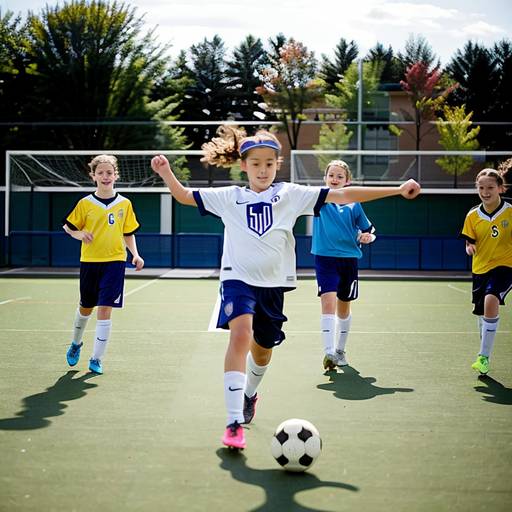
This 5th-grade physical education lesson plan focuses on introducing students to fundamental soccer skills, including dribbling, passing, and shooting. The class begins with a warm-up that includes light jogging and dynamic stretches. Students then progress to skill demonstrations, where they learn key techniques for dribbling, passing, and shooting.
Following this, the lesson incorporates skill stations where small groups practice each skill in a structured environment aligned with specific drills, promoting engagement and skill development. A mini soccer game is organized, allowing students to apply what they've learned in a fun, cooperative setting while emphasizing teamwork and communication.
The session concludes with a cool down and group reflection, allowing students to discuss their experiences and the importance of sportsmanship. Throughout the lesson, students are assessed on their participation and skill execution, ensuring that they receive constructive feedback to further improve their abilities. Adaptations are provided to accommodate varying skill levels, ensuring an inclusive environment for all participants.
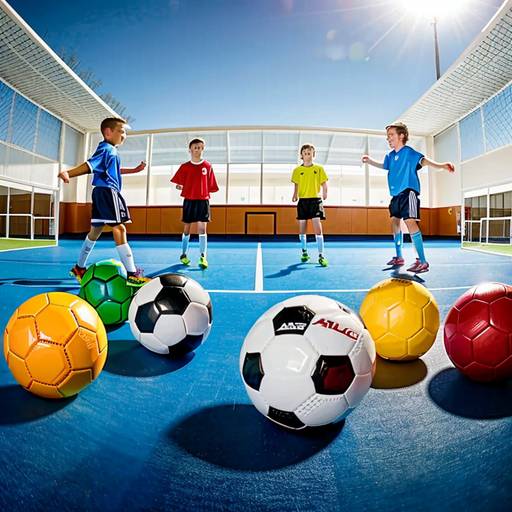
In this elementary school physical education lesson for 4th graders, students will engage in a comprehensive soccer skills session focused on dribbling, passing, and shooting. The lesson begins with a dynamic warm-up that includes light jogging and stretching to prepare the students for physical activity. Key skill development drills will follow, allowing students to practice dribbling through an obstacle course, passing to partners, and shooting at a designated goal while learning proper techniques.
After practicing individual skills, students will participate in mini soccer matches, enabling them to apply what they have learned in a game setting while fostering teamwork and communication. The lesson will conclude with a cool-down session that includes static stretching and a group discussion reflecting on their experiences and what they learned. Throughout the lesson, students will be assessed on their participation, skill execution, and ability to work collaboratively. Adaptations will be available for those needing additional support, ensuring inclusivity and personal skill development.
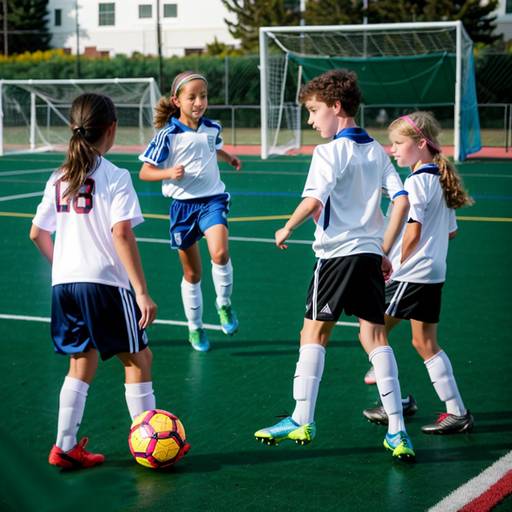
This lesson plan is designed for 3rd-grade students to learn fundamental soccer skills, including dribbling, passing, and shooting, while emphasizing teamwork and fitness. The session begins with a warm-up that includes jogging and dynamic stretches to prepare students for physical activity.
Students will rotate through skill development stations, where they will practice dribbling through cones, passing with partners, and shooting at a goal. Following skill work, the class will engage in a mini soccer match, applying learned skills and adhering to basic game rules. The lesson concludes with a cool-down featuring static stretches, followed by a class discussion to reflect on the experience and reinforce the importance of teamwork and sportsmanship.
Assessment will be based on observational techniques during skill practice and game play, as well as student engagement during the reflection period. The lesson aims to not only teach soccer skills but also to instill an appreciation for physical activity and collaborative play.
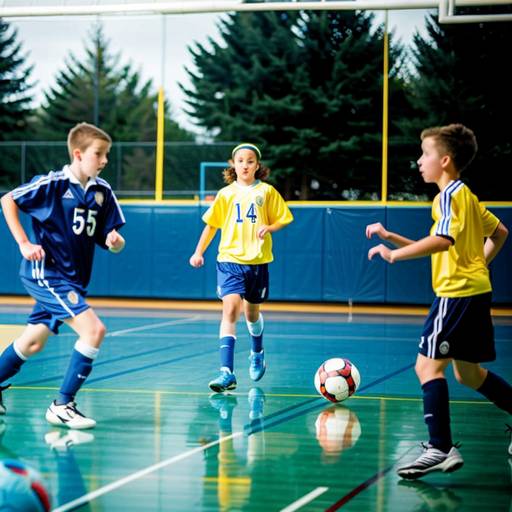
In this 5th-grade physical education lesson plan, students will focus on developing essential soccer skills such as dribbling, passing, and shooting, while emphasizing teamwork and communication. The lesson begins with a warm-up that includes dynamic stretching and a brief discussion about the importance of soccer skills.
Students will then rotate through three skill development stations: practicing dribbling through cones, executing accurate passes with a partner, and learning proper shooting techniques aimed at a goal. After honing their skills, students will participate in a mini-scrimmage where they can apply what they've learned in a game setting, promoting teamwork and strategic play.
The lesson concludes with a cool-down session featuring static stretching and a reflective discussion, allowing students to share their experiences and insights. Throughout the lesson, the teacher will provide feedback and support, adapting activities as necessary to meet the needs of all students. This engaging plan aims to foster not only soccer skills but also a love for physical activity and teamwork.
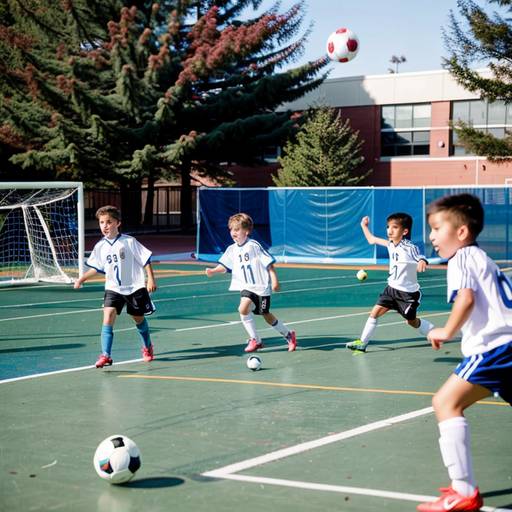
This first-grade physical education lesson is designed to introduce students to the fundamentals of soccer, focusing on dribbling and passing techniques. The lesson begins with an engaging discussion about soccer, followed by a warm-up activity to get students moving and prepared.
Students will participate in a structured dribbling practice, navigating through a cone course while learning to keep the ball close and use both feet effectively. They will then pair up to practice passing, reinforcing communication and teamwork as they aim to accurately pass the ball to their partners.
The culmination of the lesson features a mini-soccer match, where students can apply their skills in a game setting, promoting cooperation and friendly competition. The session concludes with a cool-down period that encourages reflection on the skills learned and fosters a sense of accomplishment. Through this lesson, students are not only active but also develop essential soccer skills and enhance their social interactions with peers.

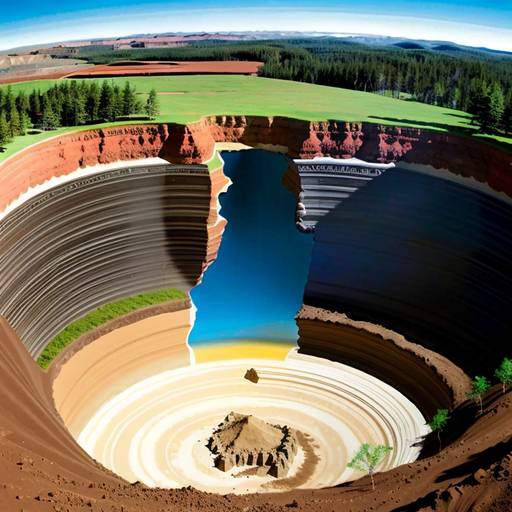
In this 2nd-grade Earth Science lesson focused on soil, students will explore the layers and composition of soil while understanding its importance in the ecosystem. The lesson begins with an engaging discussion to spark curiosity about soil, followed by a presentation explaining the different soil layers: topsoil, subsoil, and bedrock.
Students will work in small groups to examine soil samples using magnifying glasses and recreate the soil layers in clear containers. They will observe textures, colors, and various particles within the soil. After the hands-on activity, students will express their findings creatively by drawing and labeling what they discovered, along with writing a sentence about soil’s significance.
The session concludes with a class discussion where students share their observations and reflections. Assessment will be based on participation in group activities and the quality of their drawings and written work. Extensions and safety considerations are incorporated to enhance the learning experience. This interactive lesson aims to foster an appreciation for soil and its essential role in supporting life on Earth.
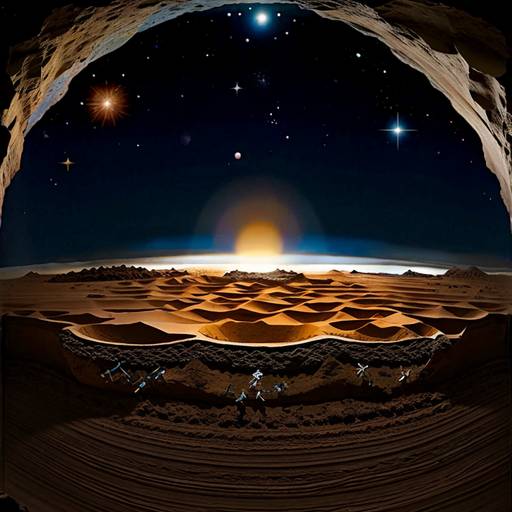
This engaging 3rd-grade Earth Science lesson focuses on the exploration of soil and its various layers. Students start by discussing what soil is made of and its importance in the environment. They learn about the different layers of soil, including the A, B, and C horizons, and the properties of various soil types, such as sandy, loamy, and clayey.
The hands-on activity involves small group work, where students collect different soil samples and conduct a simple experiment to observe how water interacts with these soils. They record their observations on worksheets, noting the texture and characteristics of each type. This allows students to classify the soils and discuss their findings as a class.
The lesson concludes with a group sharing session, reinforcing key concepts about soil health and its role in ecosystems. Students reflect on ways they can contribute to soil preservation in their communities. Extensions encourage garden projects and creative activities related to soil profiles, fostering a deeper understanding of soil's significance in supporting life. This interactive lesson plan promotes active participation and critical thinking among students while exploring fundamental Earth Science concepts.
This 2nd-grade Earth Science lesson focuses on exploring the fascinating world of soil. Students will learn about the different types of soil, their characteristics, and the vital role soil plays in our environment. The lesson begins with a discussion to activate prior knowledge and introduce the topic.
Following this, students will observe and analyze various soil samples using magnifying glasses, noting the textures and any small organisms they find. They will also learn about the layers of soil, including topsoil and subsoil, as well as the various organisms that live within them, such as earthworms and insects.
The hands-on activity allows students to engage directly with soil, fostering curiosity and encouraging them to document their findings through drawings and notes. After sharing their discoveries, the class will discuss the importance of soil conservation and ways to protect soil health.
To conclude, students will recap the key concepts learned and how they can contribute to soil health in their own lives. Assessment will involve participation in discussions and the completion of their observation worksheets, ensuring understanding of the material. Extension activities may include a field trip to observe soil in its natural setting or starting a class garden to apply their learning.
In this engaging Earth Science lesson for 3rd graders, students will explore the fascinating world of soil through hands-on activities and collaborative experiments. The lesson will begin with an introduction to what soil is and its crucial role in supporting plant life and the ecosystem. Students will learn about the different layers of soil—topsoil, subsoil, and bedrock—while observing various soil samples using magnifying glasses.
During the main activity, students will conduct an experiment where they mix soil with water in clear containers to observe the interactions and changes that occur. They will document their findings and discuss the characteristics and importance of different soil types in small groups.
The lesson will conclude with a group discussion, allowing students to share their observations and reflect on the significance of healthy soil for plants, animals, and humans. This lesson aligns with educational standards in Earth Science and includes opportunities for extension activities, such as field trips and creative projects, to further enhance student understanding of soil and its role in our environment. Assessment will involve evaluating participation, completion of worksheets, and the ability to articulate key concepts learned.