
Filters
Level
Grade
Subject
Subject Area
Subject Topic
Standard(s)
Audience
Keyword
DurationMinutes
Elementary School Lesson Plans

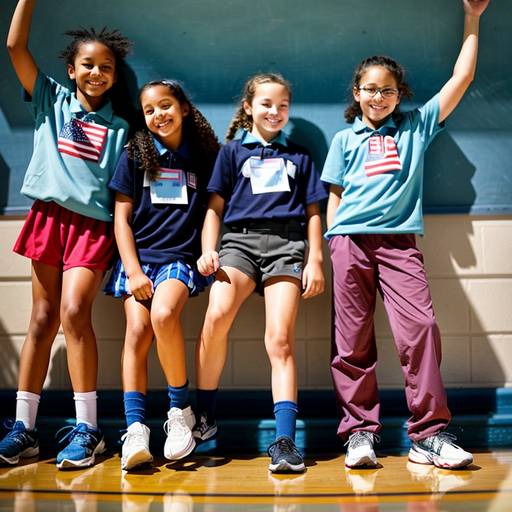
This 3rd-grade physical education lesson focuses on enhancing students' coordination and balance through a series of engaging activities. The class begins with dynamic stretching and a balance challenge to warm up. The main activities include jumping between hula hoops arranged in a hopscotch pattern and navigating a zigzag cone course, emphasizing various movement styles while maintaining balance. A cooldown session with gentle stretches and reflective discussion concludes the lesson, allowing students to share their experiences and insights. The lesson is designed to accommodate varying skill levels and promote safety while encouraging creativity and confidence in physical movement. Teachers will assess students' coordination and balance through observation and provide positive feedback to support their development.
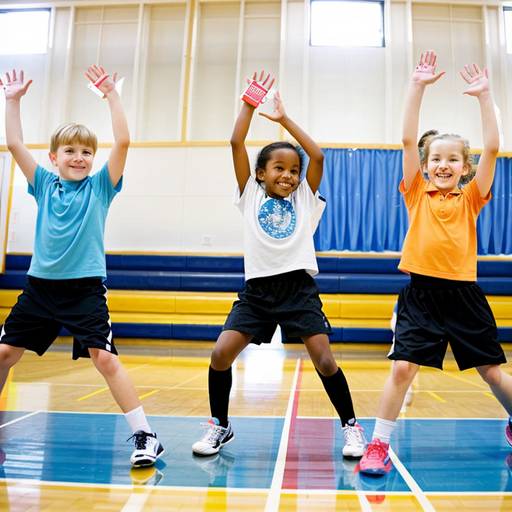
This lesson plan focuses on enhancing coordination and balance for 2nd-grade students through engaging physical activities. The session begins with a brief introduction to the importance of these skills, followed by a warm-up to prepare their bodies.
Students participate in a series of activities designed to promote balance and coordination, including stepping in and out of hula hoops, walking across balance beams, and navigating an obstacle course that combines various movements. Each activity encourages teamwork and provides opportunities for students to support one another.
The lesson concludes with a cool-down session where students reflect on their experiences and engage in gentle stretching. Throughout the activities, instructors assess student progress by observing their ability to maintain balance and safely navigate challenges, providing positive feedback and encouragement.

In this 2nd-grade science lesson, students will explore the solar system and its planets. The lesson begins with an engaging discussion about space, followed by a video or slideshow to introduce the solar system's components. Students will learn to identify each of the eight planets and remember their order from the sun using a mnemonic device.
After gathering information about the planets through fact cards, students will participate in a hands-on activity where they will create model planets using Styrofoam balls and decorate them based on their unique characteristics. They will then work as a team to arrange their models on a large poster board in the correct order.
To reinforce their learning, students will complete a "Planet Hunt" worksheet where they fill in the blanks based on clues about each planet. The lesson concludes with a review, encouraging students to share interesting facts they learned and to observe the night sky at home.
Assessment will be based on participation, the quality of their planet models, and the completion of the worksheet, while extension activities will be provided for those finishing early. Overall, the lesson aims to foster curiosity about astronomy and enhance students’ understanding of the solar system in an interactive way.
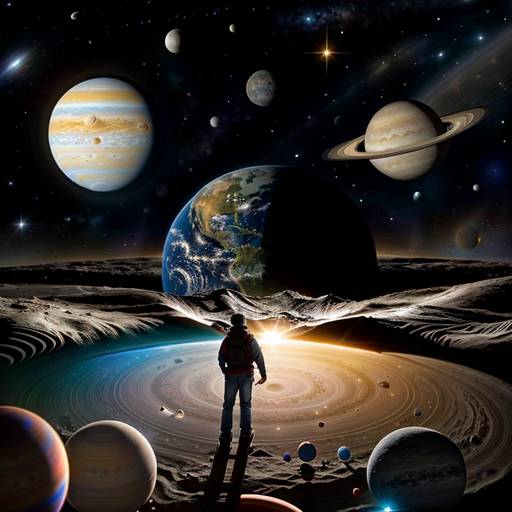
In this 5th-grade science lesson, students will explore the solar system, gaining insights into the Sun, eight planets, and various celestial bodies. The lesson begins with engaging multimedia resources to spark interest, followed by a presentation that covers the characteristics of each planet. Students will work in small groups to research a specific planet and present their findings to the class, promoting collaboration and communication skills. They will then create a scale model of the solar system, using materials like Styrofoam balls or clay to represent the planets and their distances from the Sun. The lesson concludes with a class discussion to reflect on their learning and an optional writing assignment where students can express their interest in visiting a particular planet. Assessment will focus on participation, presentation accuracy, and the creativity of the models. Extensions include virtual field trips and discussions about space exploration to further enhance their understanding of astronomy.
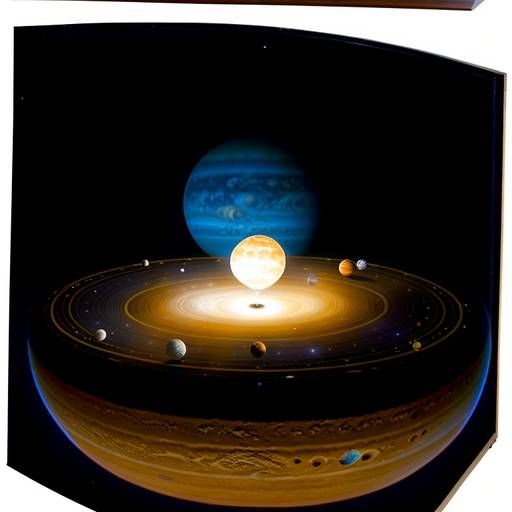
In this 4th-grade science lesson, students will explore the solar system, focusing on the Sun and the eight planets. The lesson begins with a discussion about what the students already know, followed by a brief video overview of the solar system. The teacher will introduce key concepts, including the Sun's crucial role and the order of the planets, while highlighting their unique characteristics.
Students will then work in small groups, each assigned a specific planet. Using provided fact sheets, they will create posters that include the planet's name, a drawing, interesting facts, and its relative position to the Sun. After completing their posters, groups will present their work to the class, allowing for peer interaction and questions.
To conclude the lesson, the class will sing a fun song that reinforces their knowledge of the planets. As an optional assessment, students may write a paragraph about their favorite planet, sharing why they find it interesting. The lesson encourages collaboration, creativity, and engagement with the subject matter, and provides opportunities for differentiation based on students’ varying levels of understanding.
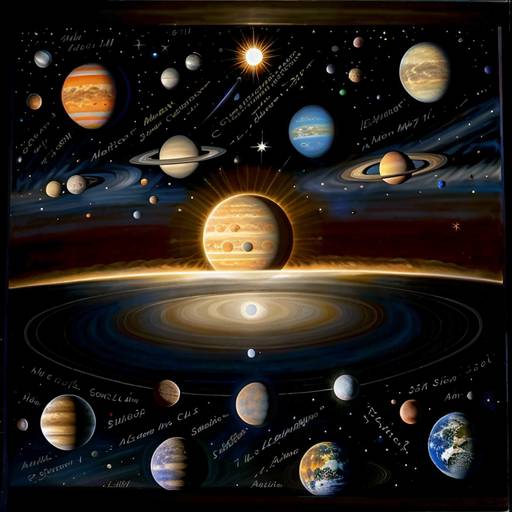
In this 3rd grade science lesson, students will explore the solar system by identifying the eight planets and understanding their unique characteristics. The lesson begins with a brief discussion and a short video to engage students' curiosity about space. Key vocabulary terms are introduced, including solar system and orbit.
Students will then participate in two main activities. First, they will work in pairs to arrange images of the planets in order from the Sun, discussing their arrangement as a class. Next, each pair will be assigned a specific planet to research using a worksheet that prompts them to gather information about the planet's distance from the Sun, size, and unique features.
The lesson concludes with students presenting their findings to the class, encouraging peer interaction and questions to reinforce learning. Assessment will focus on the completeness of the research worksheets, participation in activities, and the clarity of their presentations. Optional extension activities may include creating a model or drawing of a planet for display. The lesson aims to foster a foundational understanding of our solar system and cultivate excitement about astronomy.
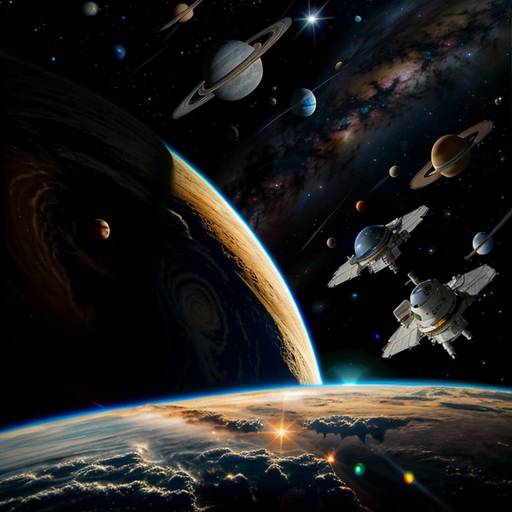
This 5th-grade science lesson focuses on astronomy and space exploration, aiming to enrich students' understanding of celestial bodies within our solar system. The session begins with an engaging discussion that invites students to share their thoughts about space, followed by a presentation highlighting key concepts through visual aids, including images of planets and stars.
Students are then divided into small groups, each assigned a specific planet or star to research. They gather facts about their assigned celestial body and prepare both a short presentation and a creative 3D model using various art supplies. This hands-on activity encourages teamwork, creativity, and critical thinking.
After completing their models, each group presents their findings to the class, fostering interactive learning through questions and discussions. The lesson concludes with a reflection on the importance of space exploration, paired with an exit ticket where students share one new insight and one lingering question about space.
Assessment focuses on student participation, the quality of presentations and models, and individual reflections. Additional homework and possible field trip extensions are suggested to further enhance students' learning experiences in the fascinating realm of space.
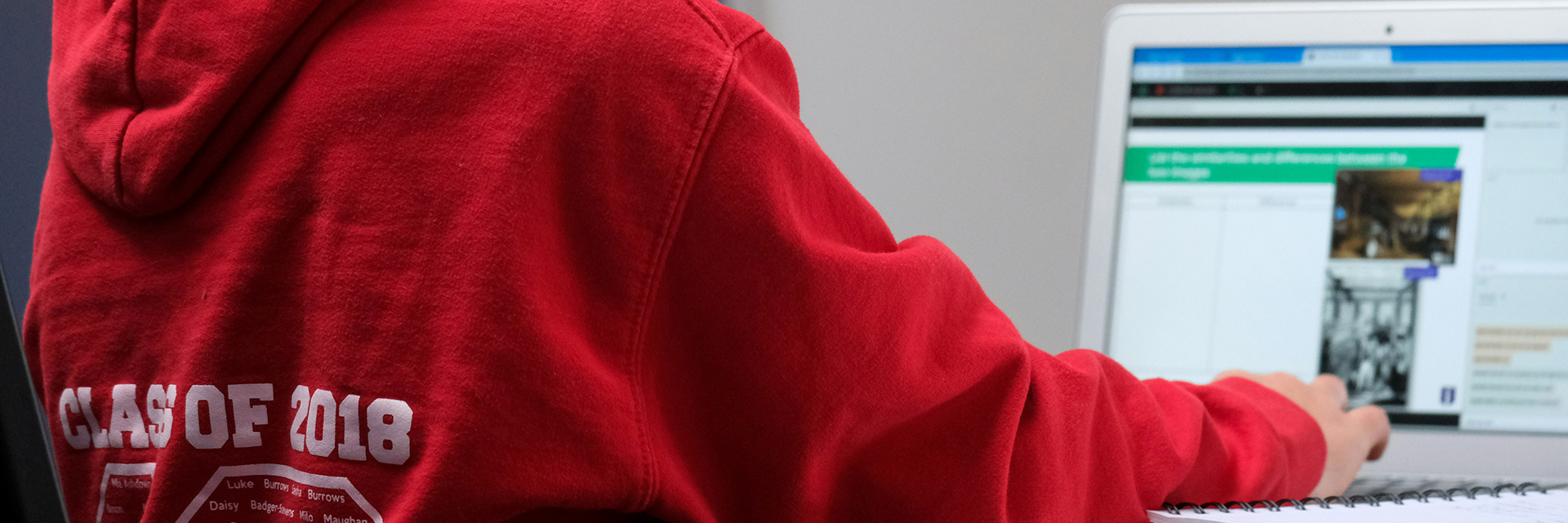
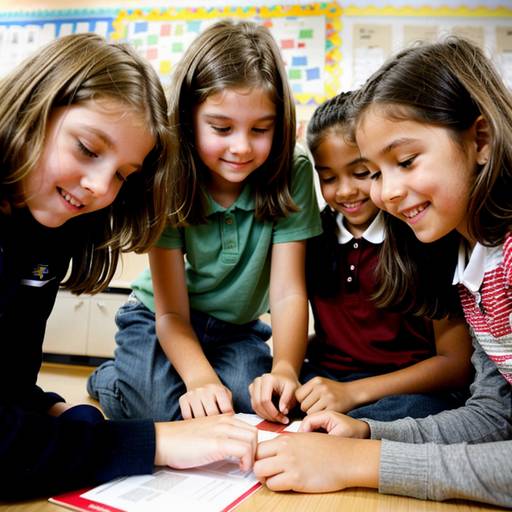
In this 4th-grade technology lesson, students explore the concept of digital footprints and the importance of digital citizenship. The lesson begins with a discussion about online sharing and its implications, followed by a short animated video to illustrate how digital footprints are created and the potential impacts of online behaviors.
Students then engage in a group activity where they create a "Digital Footprint Map," highlighting both positive and negative online actions. Each group presents their maps, fostering collaboration and peer learning. The lesson concludes with students receiving a checklist of best practices for maintaining a positive digital presence and a reflective writing prompt in their journals to commit to being responsible online citizens. Throughout the lesson, student participation, group work, and individual reflections are assessed to gauge understanding and engagement. A follow-up lesson is suggested for further exploration of online privacy and safety.

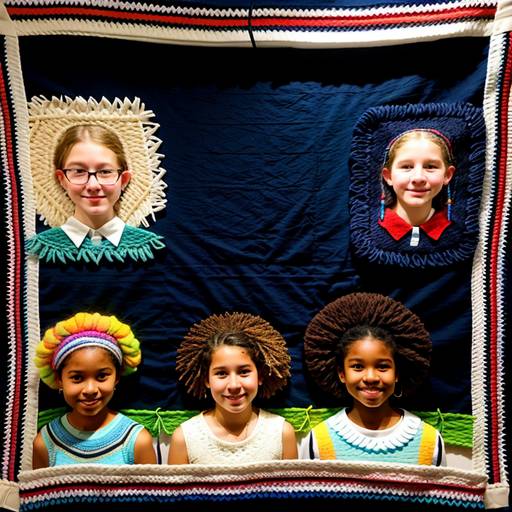
In this 5th grade art lesson, students will explore the fascinating world of fiber arts through a two-session approach. They will begin by learning about the cultural significance and various techniques involved in fiber arts. The first session focuses on weaving, where students will create small woven pieces using cardboard looms and yarn, experimenting with patterns and colors. In the second session, students will delve into embroidery, learning basic stitches and how to incorporate them into fabric pieces that tell their personal stories. They will create a unique textile project that combines their woven artwork and embroidered elements, allowing them to express their identities creatively. The lesson encourages sharing and reflection, enabling students to present their completed pieces while discussing the meanings behind their designs. Overall, this lesson combines hands-on skill-building with personal expression, fostering an appreciation for fiber arts.

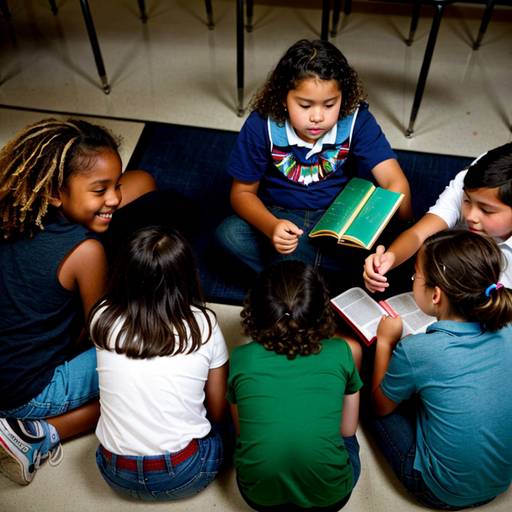
This lesson plan focuses on enhancing 5th-grade students' writing and creative expression through personal narratives. The two-class session begins with an introduction to storytelling and the value of personal experiences. Students engage in brainstorming activities using graphic organizers to outline their memories, identifying key elements such as setting, characters, emotions, and events. They then write their narratives, incorporating descriptive language to enrich their storytelling.
In the following class, the emphasis shifts to revising their work through peer review, where students provide and receive constructive feedback. They create illustrations to complement their narratives and prepare for sharing their stories with the class, practicing public speaking skills in a supportive environment. The lesson culminates with students presenting their narratives, fostering connections and engagement among peers. Overall, the plan emphasizes writing development, creativity, and collaboration while encouraging students to reflect on the significance of their personal experiences.