
Filters
Level
Grade
Subject
Subject Area
Subject Topic
Standard(s)
Audience
Keyword
DurationMinutes
Elementary School Lesson Plans

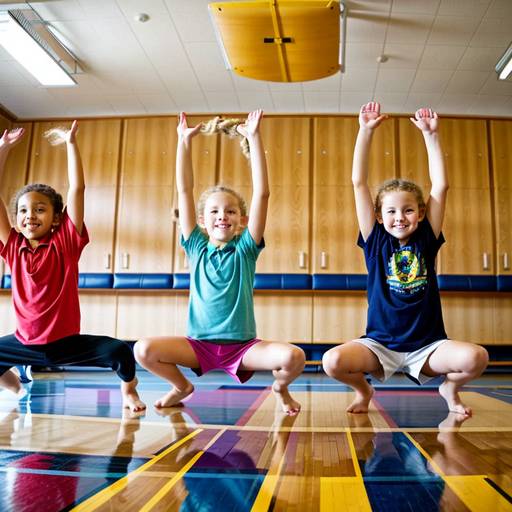
In this 3rd-grade physical education lesson, students will focus on improving their flexibility and understanding its importance in maintaining a healthy lifestyle. The session begins with a brief discussion on flexibility, followed by a dynamic warm-up involving a series of stretching exercises. Students will then rotate through multiple stretching stations, each targeting different muscle groups, allowing them to practice various stretches effectively. To enhance engagement, they will participate in a fun game of Freeze Tag, where tagged students must hold a stretching pose until helped by peers. The lesson concludes with a gentle cool-down routine, followed by a reflection on their experiences and a homework challenge to encourage daily stretching. Throughout the session, student participation, understanding, and adaptations for varying mobility levels will be observed to ensure an inclusive and enjoyable experience for all.
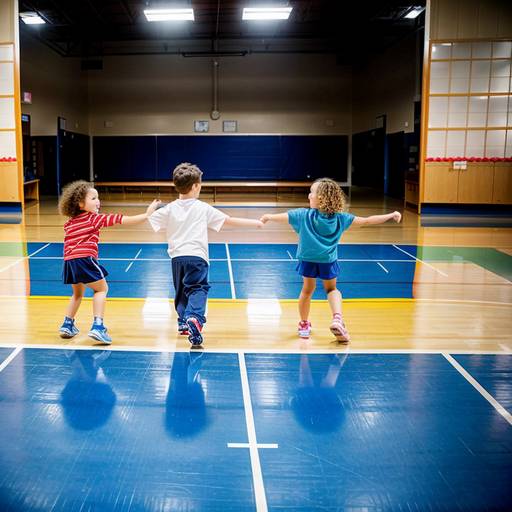
This Kindergarten Physical Education lesson focuses on introducing students to fitness and flexibility through engaging activities that promote movement and stretching. The session begins with fun warm-up exercises that mimic animal movements, followed by gentle stretching to prepare their bodies for activity.
Students then participate in a fitness circuit composed of several stations, each targeting different physical skills such as stamina, balance, and strength. Activities at these stations include jumping jacks, hula hooping, walking on a balance beam, and using stretchy bands for resistance exercises.
Following the circuit, the class gathers for a guided storytelling session that integrates movements and stretches related to the narrative. The lesson concludes with a cool-down period involving mindful breathing and full-body stretches to relax and reflect on the activities.
Throughout the lesson, students are encouraged to engage, participate, and discuss the importance of fitness and flexibility, fostering a positive and inclusive learning environment. Educators assess participation and understanding through observation and encourage teamwork and support among peers.
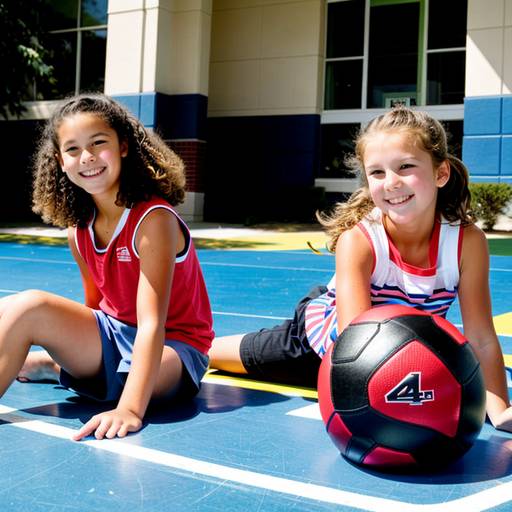
This physical education lesson plan for 4th graders focuses on the importance of fitness and flexibility. The session begins with an engaging discussion that introduces students to the concepts of fitness and flexibility, followed by a dynamic warm-up to prepare their bodies for exercise.
Students participate in stretching stations, where they learn various stretches designed to improve their flexibility, including the hamstring stretch, butterfly stretch, and quadriceps stretch. Each stretching activity is conducted in groups, allowing for collaboration and peer support.
Following the stretching stations, students engage in a fun relay activity that combines running and bodyweight exercises, reinforcing fitness concepts while promoting teamwork. The lesson concludes with a calm cool-down period where students reflect on their experiences and discuss what they learned.
The plan emphasizes proper technique, safe practices, and the importance of communication and feedback among peers, encouraging students to integrate fitness and flexibility into their daily routines.
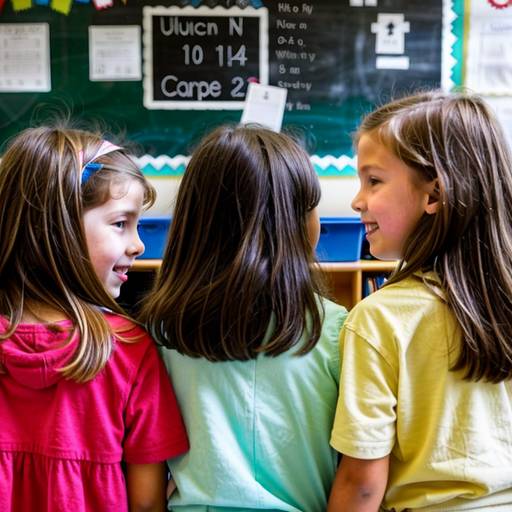
In this 2nd-grade physical education lesson, students will explore the importance of fitness and flexibility through engaging activities and stretches. The lesson begins with a group circle discussion to introduce the concepts, followed by a dynamic warm-up to prepare their bodies. Students then rotate through three activity stations: a stretching station where they learn static stretches, a fitness challenge station with a mini obstacle course that incorporates various movements, and a cool-down and breathing station focused on relaxation techniques.
After completing the activities, the class reconvenes to discuss their experiences and reflect on what they learned. The lesson concludes with a calming stretching routine to relax their muscles. Assessment involves observing student participation and understanding through discussion, and students are encouraged to continue practicing stretching at home. The overall goal is to foster an appreciation for active living and the benefits of flexibility, promoting lifelong healthy habits.
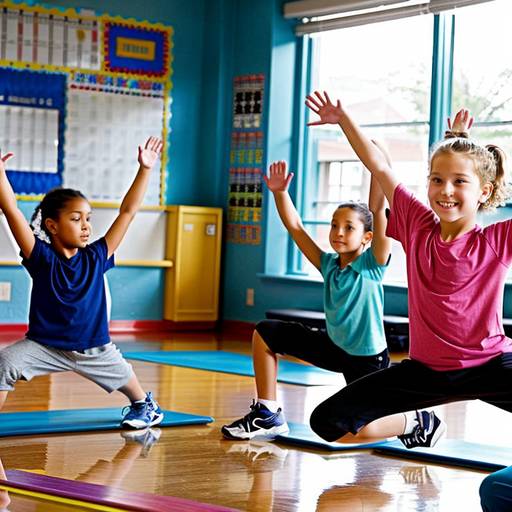
This lesson plan for 2nd-grade physical education focuses on promoting fitness and flexibility among students through engaging activities and discussions. The session begins with a brief introduction about the importance of fitness and flexibility, followed by dynamic warm-up exercises that prepare students for movement.
Students participate in four activity stations, each designed to enhance their flexibility and physical fitness. The stations include stretching exercises, hula hoop challenges to improve balance and core strength, jump rope practices for coordination, and an obstacle course featuring rolling and weaving elements. After the activities, students cool down with gentle static stretches while practicing deep breathing.
To conclude the lesson, students reflect on their experiences, sharing what they enjoyed and lessons learned about staying active and practicing flexibility. Assessment is based on observation during activities and student participation, and modifications are available for those with mobility challenges. Additionally, an extension activity encourages students to engage in flexibility practices at home and share their experiences with the class. Overall, the lesson aims to foster a joyful and understanding approach to fitness and flexibility in young learners.
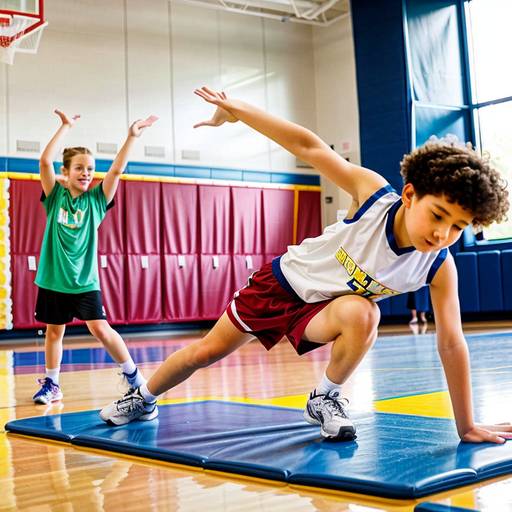
This lesson plan focuses on teaching fifth-grade students the significance of fitness and flexibility through engaging activities. The 45-minute session begins with dynamic warm-up exercises designed to prepare students for stretching. Students will rotate through four different stretching stations, each emphasizing various muscle groups, such as upper body, lower body, core stability, and partner stretches. Through these activities, students will practice proper stretching techniques while improving their flexibility.
The lesson includes a reflective component where students can share their favorite stretches and discuss the benefits of flexibility. A short cool-down period with guided relaxation will help students wind down. At the end of the session, students receive handouts outlining different stretches and their benefits to encourage at-home practice. The lesson is designed to promote physical fitness and injury prevention, catering to the diverse needs of students through modifications and collaborative activities. An optional extension activity invites parents to participate in a workshop, further emphasizing the importance of flexibility in daily life.
In this 1st grade physical education lesson focusing on fitness and flexibility, students will engage in a variety of interactive activities designed to promote movement and increase flexibility. The lesson begins with an introduction to the concept of flexibility and its benefits, followed by a warm-up involving creative animal-themed stretches that encourage participation and fun.
Students will then participate in a relay race where they visit different stations to perform specific stretches and fitness activities, fostering teamwork and active engagement. Optional parachute exercises may be included to further enhance coordination and group dynamics.
The lesson concludes with a calming cool-down session that incorporates gentle stretches and deep breathing exercises, allowing students to reflect on their learning. Throughout the lesson, observational assessments will be utilized to ensure students are practicing movements safely and effectively. The overall goal is to instill an understanding of the importance of flexibility in a joyful and active environment.

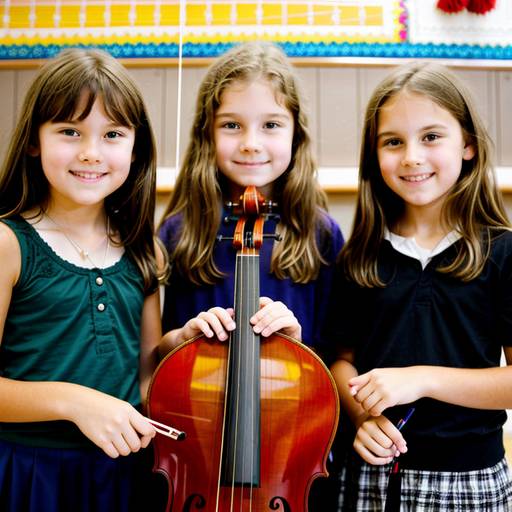
This music lesson plan for 3rd graders focuses on exploring string instruments and their unique characteristics. Students will begin with a warm-up song followed by an introduction to various string instruments through visual aids and audio clips. Engaging discussions will highlight the sounds and features of each instrument.
During a hands-on activity, students will work in small groups to create their own simple string instruments using rubber bands and cardboard boxes, allowing them to experiment with sound production. The lesson will conclude with a reflective discussion where students share what they’ve learned and complete a worksheet where they draw and label a string instrument of their choice.
Assessment will include observation of student participation and creativity in group presentations, as well as reviewing the worksheets. To enhance the learning experience, potential extensions include inviting a guest musician to share insights about string instruments or organizing a themed day for students to showcase their own instruments. Overall, the lesson aims to foster engagement and appreciation for music and string instruments.
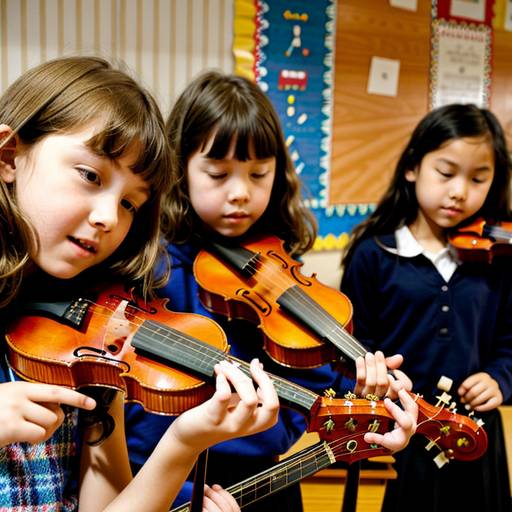
In this 45-minute music lesson for 3rd-grade students, learners are introduced to string instruments, including the violin, viola, cello, double bass, guitar, and harp. The lesson begins with a discussion about various musical instruments, followed by an exploration of how string instruments produce sound through vibrating strings. Students participate in a hands-on activity where they create their own simple shoebox guitars using cardboard shoeboxes, yarn, or rubber bands. They learn how the length and tension of the strings affect the sound produced. After constructing their instruments, groups share their creations with the class, demonstrating what they learned about sound production. The lesson concludes with a recap of key concepts, a discussion about student favorites, and an optional take-home worksheet for further reflection. Assessment is conducted through observation of participation and understanding, along with the evaluation of the take-home worksheets. Opportunities for extension include research projects on string instruments and potential guest musician visits. This interactive approach fosters creativity and engagement while teaching fundamental concepts related to music and sound.
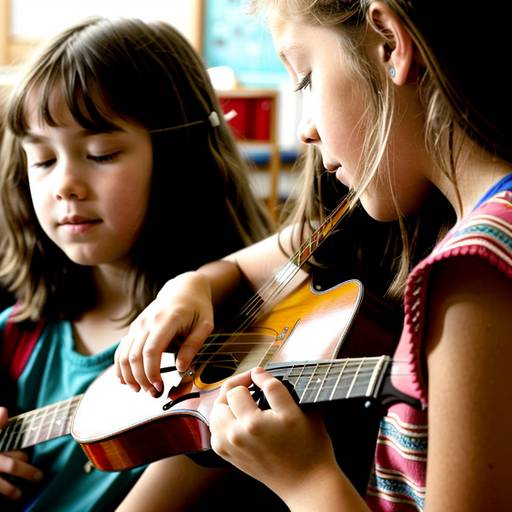
In this engaging music lesson for 3rd graders, students will explore the world of string instruments by identifying various types and understanding how sound is produced through their strings. The lesson begins with an interactive introduction, where students name instruments and listen to audio clips to appreciate their sounds.
Students will then learn basic playing techniques, including strumming and plucking, with the opportunity to experiment using simple string instruments, such as ukuleles or guitars. Afterward, they will work in small groups to create their own string instruments using craft materials, emphasizing the principles of sound production.
As a wrap-up activity, each group will present their instrument, demonstrating how it works and performing a simple pattern they practiced. The lesson concludes with a reflection activity where students draw their favorite string instrument and share what they learned, providing an assessment of their understanding. This lesson promotes collaboration, creativity, and a deeper appreciation for string instruments in music.