
Filters
Level
Grade
Subject
Subject Area
Subject Topic
Standard(s)
Audience
Keyword
DurationMinutes
Lesson Plans

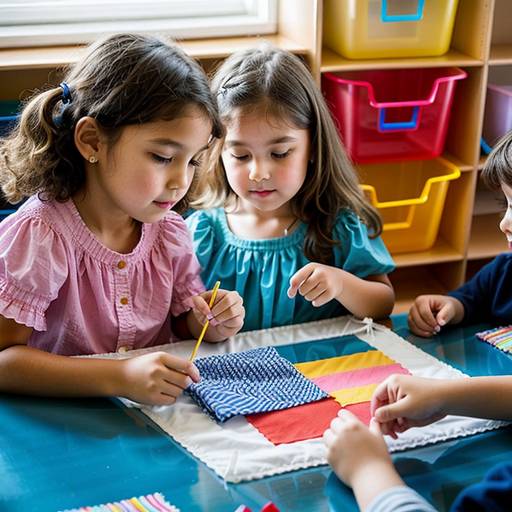
In this Kindergarten art lesson, students will explore the world of fiber arts by creating their own textile projects using a variety of materials. The session begins with an introduction to fiber arts, where students learn about different techniques and styles through discussions and visual examples. Following the introduction, a demonstration on basic weaving techniques using cardboard looms guides students in creating their own woven pieces. Students will then get hands-on experience as they incorporate fabric scraps, ribbons, and other embellishments into their projects, fostering their creativity and fine motor skills. The lesson concludes with a sharing session, where students present their artworks and reflect on their creative processes, enhancing their understanding and appreciation for diverse art forms. Throughout the lesson, participation and engagement are monitored to assess students' comprehension and exploration of fiber arts. Opportunities for extension activities are also provided to deepen their learning and connect art to broader cultural contexts.
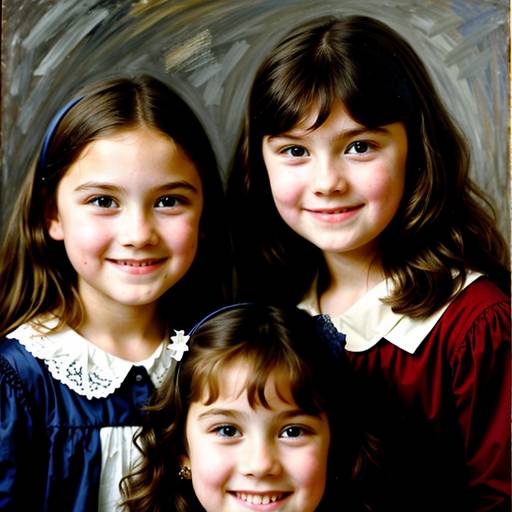
In this engaging art lesson for 2nd graders, students explore the history and significance of portrait painting while developing their artistic skills. The lesson begins with a discussion about what portraits are, accompanied by visual examples of famous artworks that showcase various artistic styles. Students learn to observe their own features using mirrors and create light pencil sketches of their self-portraits, focusing on unique characteristics. They then enhance their sketches with watercolor paints or markers, allowing for creative expression influenced by the use of color seen in renowned portraits.
As the session concludes, students present their self-portraits to the class, sharing their thoughts and experiences from the project. This culminates in a reflection on the importance of portraits in art history and personal expression. The lesson fosters creativity, self-awareness, and an understanding of historical art practices, while allowing for the display of completed works in a class gallery share with families.

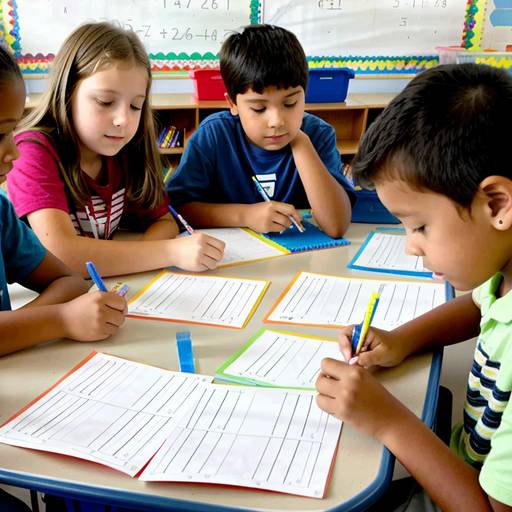
In this 4th-grade mathematics lesson, students will delve into the concepts of multiplication and factors through a series of engaging activities. The lesson begins with a warm-up review of multiplication, leading into the introduction of factors as the numbers that multiply together to produce a product. Students will participate in a Factor Finder activity, where they collaboratively identify and list all factors of chosen numbers while working in pairs.
Groups will create informative posters displaying their numbers' factors, promoting collaboration and creativity. Following this, students will engage in a fun game of Multiplication Bingo, reinforcing their understanding of identifying products from given factor pairs.
To conclude, a reflective discussion will help students articulate what they have learned about the importance of factors in multiplication, and they will summarize their takeaways on Post-it notes. Assessment will include observational data from participation, accuracy in worksheets, and creativity in group projects. Extensions and adaptations to the lesson will cater to varying learning needs, ensuring all students can engage meaningfully with the material.
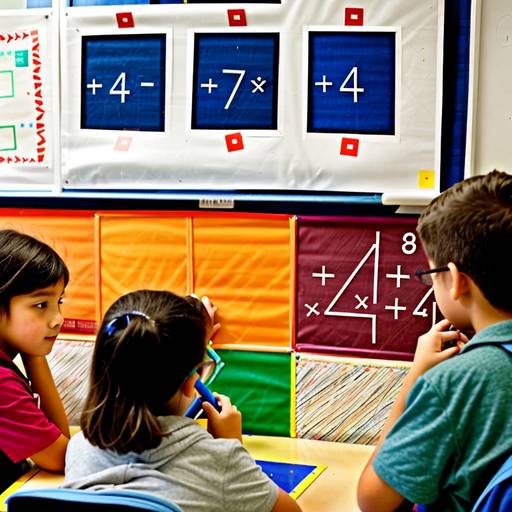
In this 3rd-grade math lesson, students will explore the concepts of multiplication and factors through interactive activities. The lesson begins with a discussion on counting groups of items, introducing multiplication as repeated addition. The instructor defines factors and leads a guided practice where students work in small groups, using dice to generate multiplication problems and identify their factors. To reinforce learning, students participate in a Factor Bingo game that encourages engagement and collaboration. Independent practice is provided through worksheets that challenge students to solve multiplication problems and identify corresponding factors. The lesson closes with a review of key concepts and an exit ticket to gauge student understanding. Differentiation strategies are incorporated to support diverse learners, ensuring that all students can grasp these foundational math skills.
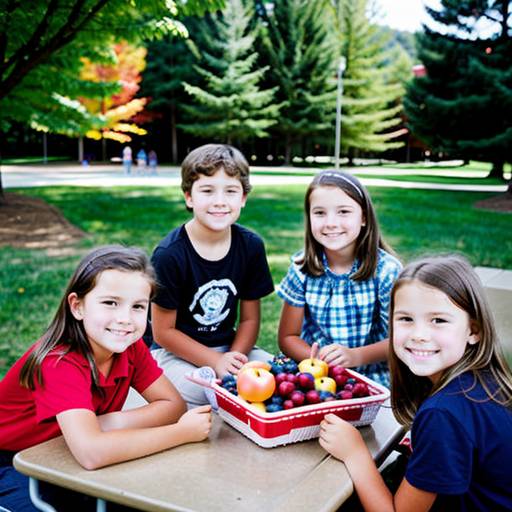
In this 3rd-grade math lesson, students will explore the concept of division through engaging hands-on activities and real-life scenarios centered around the idea of sharing equally. The lesson begins with a discussion about sharing items (like cookies at a picnic) and how division ensures everyone receives the same amount. Through modeling and visual representation using counters, students will learn to perform division and write corresponding equations.
Working in small groups, students will tackle scenario cards where they apply their understanding of division to share objects among themselves, reinforcing their learning through collaboration. Independent practice will involve worksheets that feature straightforward division problems, allowing students to visualize their answers.
The teacher will assess understanding through observation and the review of completed worksheets. The lesson also provides opportunities for extension, including introducing the concept of remainders for faster learners. Overall, the lesson fosters cooperative learning while making the concept of division relevant and accessible to students.

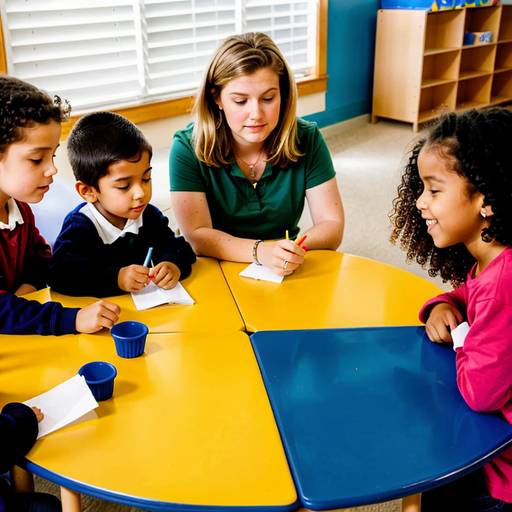
This preschool lesson plan focuses on helping young children understand the significance of rules and routines within their families and how these elements strengthen relationships. Beginning with an engaging circle time, students are encouraged to share their thoughts about family, followed by a read-aloud of a story that highlights various family structures and daily practices. After discussing their own family rules and routines, children collaboratively create a family routine chart, which reinforces their understanding of the topic.
An art activity allows them to express their experiences visually by drawing pictures of their families engaging in specific routines. The lesson concludes with a group reflection on the importance of these familial dynamics, supported by a song that celebrates family connections. Throughout the session, educators assess children's participation and understanding, and extensions are suggested to enhance family involvement in the learning process.
In this preschool lesson, children will explore the concepts of family, rules, and routines through engaging activities and discussions. The session begins with a group introduction, where children are invited to share their thoughts about family. A storybook that emphasizes familial relationships and feelings will be read aloud, prompting the children to reflect on the characters and their emotions.
Following the story, a guided discussion will help children recognize the importance of rules in both the classroom and at home, fostering understanding of how these rules contribute to safety and happiness. To reinforce these ideas, children will collaborate to create a poster featuring family rules, allowing them to express their creativity and personalize their contributions.
The lesson will conclude with a reflection where children can share their favorite rules or aspects of their families. A calming exercise will help reinforce emotional regulation. Throughout the session, children's engagement and contributions will be observed to tailor future activities to their interests and developmental needs. This lesson aims to strengthen social and emotional understanding while fostering connections among peers.
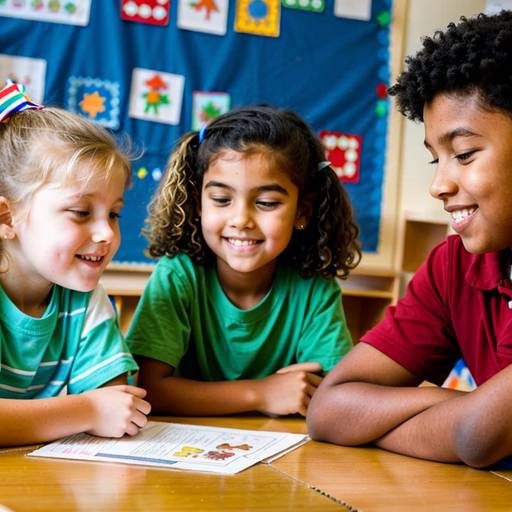
This preschool social studies lesson focuses on the concept of family and celebrates the diversity of family structures. It begins with an engaging discussion where children share their thoughts on what a family is and who is included in theirs. A storybook is then read to illustrate different family dynamics, encouraging interaction and prompting students to reflect on the story's content.
Following the story, children participate in an art activity where they draw pictures of their own families, fostering self-expression and personal connection. As they share their artwork with the class, a collaborative chart is created, listing various family roles mentioned by the students. This chart serves to highlight both the similarities and differences among families.
The lesson wraps up with a reminder of the importance and uniqueness of all families, reinforcing themes of connection and community. Extensions of the lesson provide opportunities for further exploration, such as creating a display or using puppets for interactive storytelling. Overall, the lesson emphasizes recognition of family diversity and encourages preschoolers to express their individual family experiences.

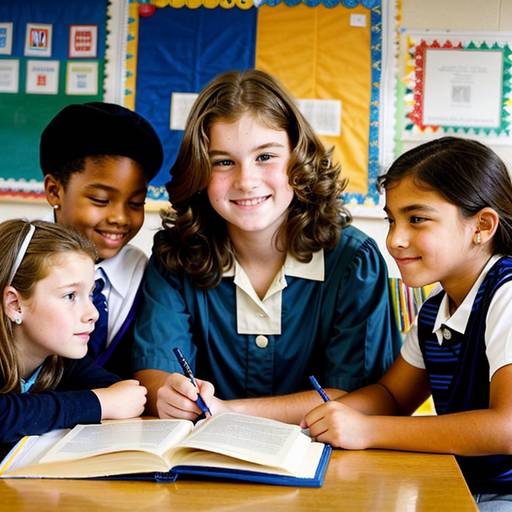
In this 2nd-grade social studies lesson, students will explore important historical figures and their contributions to society. The lesson begins with a discussion about the significance of history, prompting students to share what they know about notable individuals. Through reading picture books and group activities, students will learn about various figures, engaging in a collaborative guessing game using fact sheets.
Afterward, each student will select a historical figure to create an artistic representation, incorporating key facts or quotes related to that person. The lesson concludes with a class sharing session and a reflection on the importance of understanding history. Assessment will involve observing student participation, reviewing worksheets, and evaluating their art projects. Adaptations will be made for diverse learners, and a classroom display may be created to showcase student work and promote further interest in historical figures.

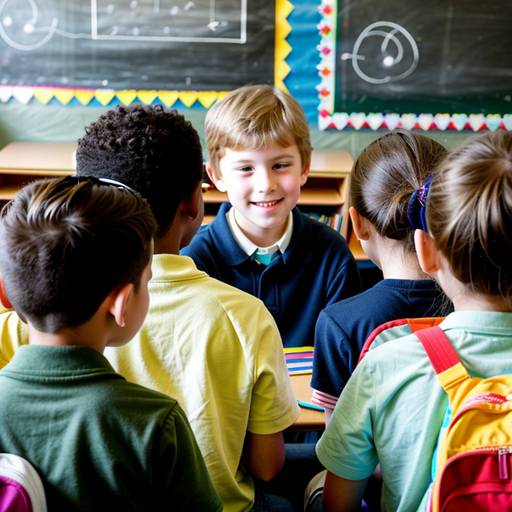
In this 45-minute music appreciation lesson for 2nd grade students, the class will focus on exploring and enjoying famous songs from various genres. The lesson begins with a warm-up activity where students sing a familiar song and discuss its appeal. Following this, students will listen to audio clips of three different famous songs, sharing their thoughts and feelings about each one, while learning interesting stories and facts behind the music.
During a group discussion, students will explore what makes certain songs popular and how music evokes emotions and memories. They will then engage in a creative drawing activity, illustrating their feelings or images inspired by one of the songs discussed. At the end of the lesson, students will participate in a wrap-up discussion to reflect on their learning and express their favorite types of music. The goals include fostering an appreciation for music and encouraging personal connections to songs. Additionally, opportunities for further exploration and sharing of discoveries related to music are suggested for future classes.