
Filters
Level
Grade
Subject
Subject Area
Subject Topic
Standard(s)
Audience
Keyword
DurationMinutes
Lesson Plans

This lesson plan focuses on cultivating toddlers' emotional awareness and self-regulation skills. The session begins with circle time, where children engage in conversation about their feelings using emotion flashcards, helping them identify and express different emotions. A story is read that highlights various feelings, fostering discussion and empathy.
Interactive activities follow, including exploring plush toys representing emotions, looking in mirrors to mimic feelings, and creating artwork that expresses how they feel. Simple calming techniques, like deep breathing exercises paired with soft music, help children learn self-soothing strategies.
The session concludes with a closing circle where children share their favorite parts of the lesson and contribute to a feelings jar, symbolizing their emotional states. This plan emphasizes recognizing emotions, discussing them, and practicing self-regulation, while promoting a supportive environment for open expression. Future sessions will include ongoing discussions about feelings and coping strategies.

In this preschool social studies lesson focused on emotional awareness, students will engage in activities designed to help them identify and express various basic emotions, such as happy, sad, angry, surprised, and scared. The lesson begins with a circle time discussion where children share their understanding of feelings, followed by the use of illustrated emotion cards to reinforce their learning.
A storybook that highlights emotions will be read, prompting students to discuss the feelings of characters and share personal experiences related to those emotions. To further enhance their understanding, children will use a feelings wheel to identify and talk about their own feelings.
Following the discussion, students will participate in a lively song and dance activity that incorporates movements representing different emotions. This is complemented by an art activity where children will draw a picture expressing how they feel that day and share it with the group.
Throughout the lesson, students will work on assessments through observations during discussions and activities, as well as through their drawings. The lesson emphasizes that all feelings are valid and creates a supportive environment for children to express themselves, promoting emotional awareness and social skills. A follow-up activity will reinforce their learning by encouraging students to share their feelings throughout the week.

This lesson plan focuses on helping toddlers recognize, express, and label their emotions using appropriate vocabulary. Designed for a duration of 30-45 minutes, it includes a range of engaging activities suitable for a small group of 5-10 students.
The session begins with a circle time where children are introduced to a feelings chart and emotion flashcards, encouraging them to repeat and practice emotional vocabulary. Following that, an interactive game allows them to match specific emotions to the corresponding flashcards, promoting recognition and expression.
A story-reading segment introduces various emotions through a book, prompting discussion about the characters’ feelings. This is followed by a movement activity where toddlers express emotions through dance, connecting music to feelings. In the art activity, children draw faces that represent their chosen emotions, facilitating creativity while reinforcing vocabulary.
The lesson concludes with a reflective circle where children share their feelings using the terms learned throughout the session, highlighting the importance of emotional expression and validation. Extensions include creating an emotion wall and encouraging parental involvement to reinforce emotional discussions at home. Overall, the plan aims to build emotional awareness and communication skills in a fun and interactive setting.
This lesson plan focuses on helping toddlers identify and express various emotions through engaging activities. The session begins with a circle time where children are introduced to different feelings using emotion flashcards and encouraged to mimic expressions. A lively feelings song follows, incorporating movements to reinforce the concepts.
Next, the children gather for storytime, where they explore emotions further through a book that prompts discussions about feelings. Plush toys are introduced as a fun way for kids to project emotions and share stories about their chosen items.
Children then participate in a drawing activity, creating representations of their favorite feelings, followed by sharing their creations with the group. The session concludes with a wrap-up discussion, reinforcing what the children have learned about emotions, and featuring a positive group activity to foster connection.
Throughout the lesson, there is an emphasis on participation and expression, allowing toddlers to develop their emotional vocabulary and understanding of feelings in themselves and others. For follow-up, a feelings chart can be created, and an "Emotion of the Week" can be introduced to deepen their exploration of emotions over time.
This lesson plan focuses on helping toddlers identify and understand their emotions, while also introducing simple coping strategies for managing those feelings. It begins with an interactive circle time where children explore various emotions using flashcards and share personal experiences. A story illustrating different emotions enhances their understanding, followed by a discussion on coping strategies tailored to specific feelings.
Through role-playing with plush toys, children practice expressing emotions and applying coping techniques. They engage in a creative activity by drawing personal experiences related to emotions, which fosters self-expression and sharing. The lesson concludes with a group reflection on what they’ve learned, reinforcing a supportive atmosphere. Throughout the session, the emphasis is on creating a safe space for emotional expression and building foundational skills for emotional regulation.

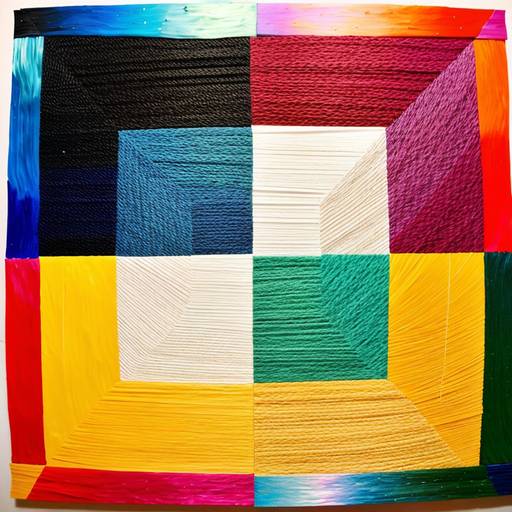
In this 5th-grade art lesson plan, students will explore the world of fiber arts by learning about various techniques such as weaving, embroidery, and tapestry. The lesson begins with an engaging discussion about the cultural significance of fiber art and the impact of texture and color in artistic expression. Students will create inspiration sketches to plan their unique woven pieces and will construct their own cardboard looms.
Hands-on weaving will involve threading and interlacing different yarn colors and textures to create visually appealing designs. Students will have the opportunity to personalize their woven artworks by adding decorative elements, like fabric scraps or felt.
The lesson culminates in a mini-gallery walk where students can showcase their creations, share their artistic choices, and reflect on their experiences. Assessment will focus on participation, the creative process, and written reflections that demonstrate an understanding of fiber arts. Extensions may include inviting a local fiber artist for a demonstration and exploring eco-friendly art materials. This lesson promotes creativity, fine motor skills, and personal expression through the art of fiber.

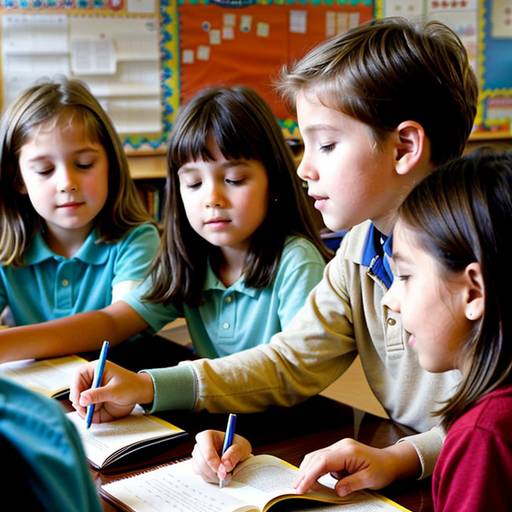
In this 1st Grade Language Arts lesson, students will embark on an engaging exploration of synonyms. The class will begin with a lively discussion to introduce the concept of synonyms, using simple terms and examples. Students will participate in group activities where they will work with word cards to identify synonyms and use them in sentences. This collaborative effort will encourage creative thinking and enhance their vocabulary.
As independent practice, students will complete worksheets that challenge them to fill in the blanks with appropriate synonyms, reinforcing their understanding of the concept. They will also have the opportunity to illustrate their sentences, fostering creativity.
The lesson will culminate in a review of key concepts, with students sharing their favorite synonyms as an exit ticket. Assessment will be based on participation in discussions, completion of worksheets, and retention of vocabulary demonstrated through the exit tickets. Modifications will be made to support diverse learners, and an optional extension will encourage students to continue expanding their synonym knowledge at home. Overall, the lesson aims to make learning about synonyms fun and interactive while building essential language skills.

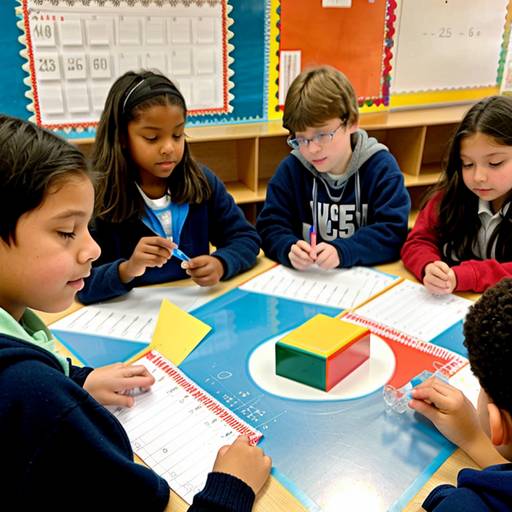
In this 5th-grade math lesson, students will explore the concepts of measurement and weight through engaging hands-on activities. They will learn to use various tools such as digital scales, rulers, and measuring tapes to accurately measure and weigh different objects. The lesson begins with a discussion on the importance of measurement in everyday life, followed by direct instruction on using measurement tools and converting between different units (grams, kilograms, ounces, and pounds).
Students will then work in small groups to measure and weigh assigned items, recording their findings on worksheets. After grouping activity, they will perform conversions and solve related word problems based on their measurements. The lesson concludes with group presentations where students share their observations and reflect on their learning experience. Assessment will be based on their worksheets and participation in group discussions, while extensions and adaptations are available for varying student needs. Overall, the lesson aims to deepen students’ understanding of measurement through collaboration and practical application.
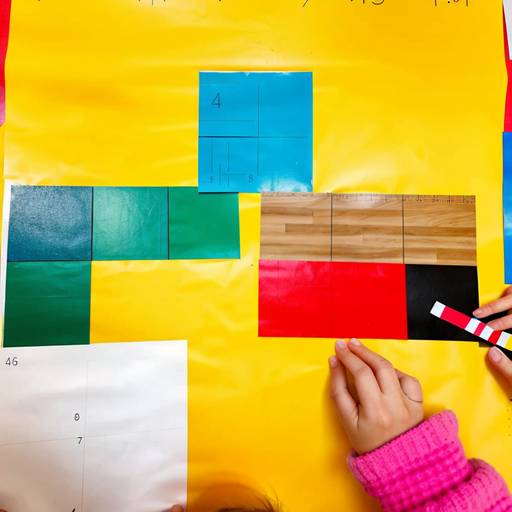
In this 4th-grade math lesson, students will explore the concepts of measurement and perimeter through engaging hands-on activities. The lesson begins with a discussion on the importance of measurement and introduces perimeter as the distance around shapes, including the relevant formula for rectangles. Students will practice measuring various classroom objects in small groups during a scavenger hunt, where they will calculate the perimeter based on their measurements. Following the scavenger hunt, each student will draw a rectangle on graph paper, measure its dimensions, and determine its perimeter. The lesson concludes with a review of key concepts, allowing students to share their findings. Assessment will be based on observation during activities and the collection of worksheets and drawings. Extensions and adaptations are included to cater to diverse learning needs, ensuring that all students can engage meaningfully in the exploration of measurement and perimeter.
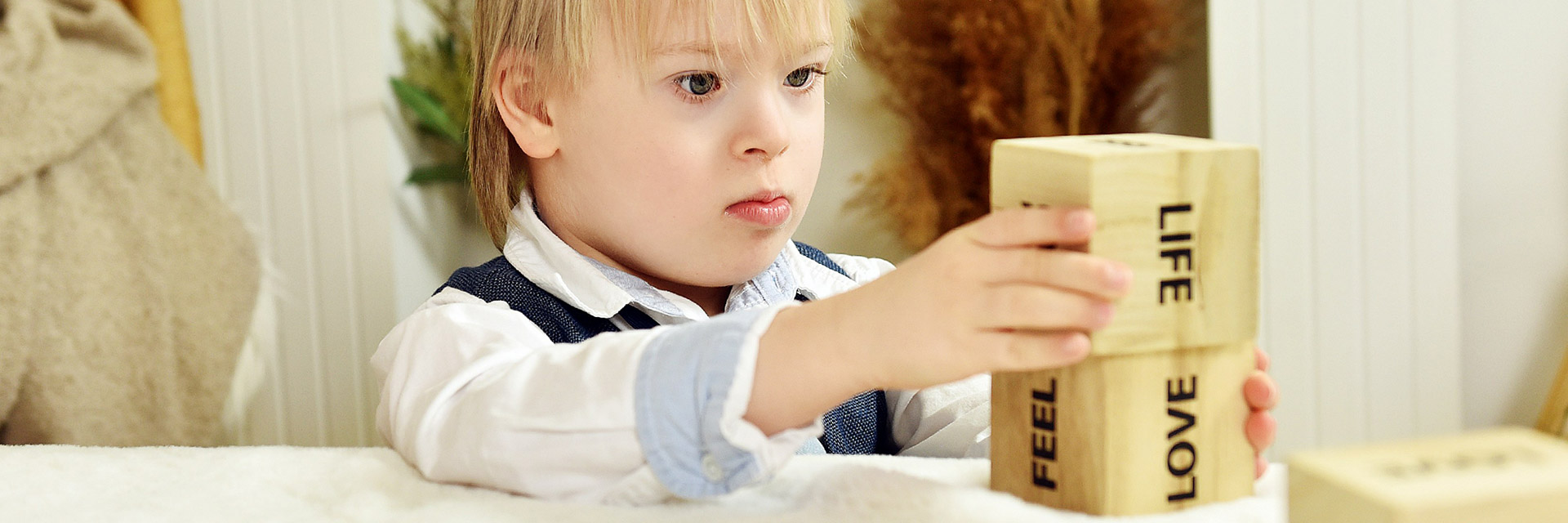
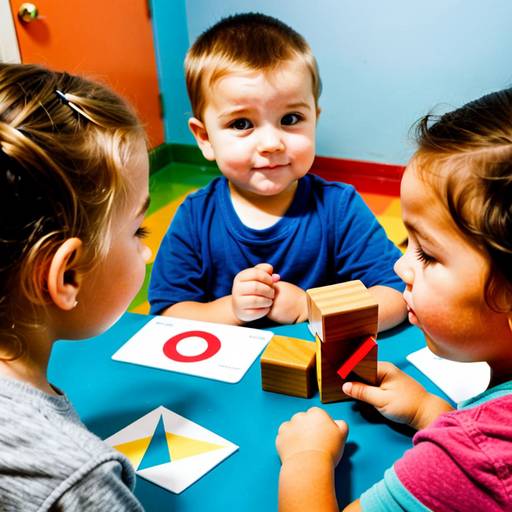
In this toddler social skills lesson plan focused on problem-solving, children will engage in various interactive activities designed to develop their ability to identify and address conflicts collaboratively. The session begins with circle time, where toddlers listen to a story that introduces a problem-solving theme and discuss potential solutions together.
Next, children participate in a "problem box" activity, selecting scenarios that depict common issues they may encounter and sharing their thoughts on feelings and solutions. This is followed by a creative exploration segment, where small groups use building blocks or art supplies to depict their solutions to the problems discussed.
The lesson continues with a role-playing activity in pairs, allowing children to act out conflicts and practice resolution strategies in a supportive environment. The session concludes with a reflection circle where children share their insights about problem-solving and celebrate their teamwork with a song.
Throughout the lesson, educators will assess children's understanding of problem-solving skills and their ability to express emotions and collaborate with peers, fostering a supportive and community-oriented classroom environment.