
Filters
Level
Grade
Subject
Subject Area
Subject Topic
Standard(s)
Audience
Keyword
DurationMinutes
Lesson Plans

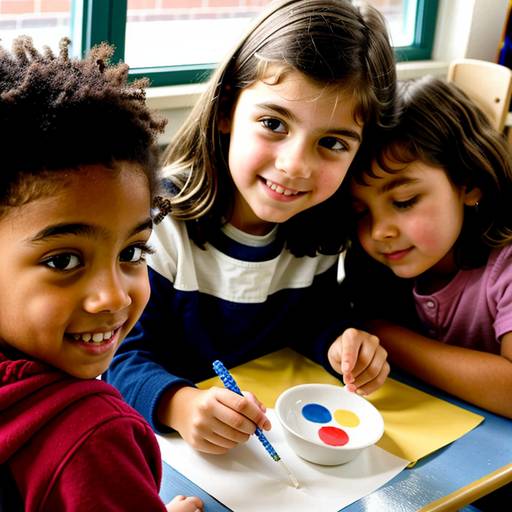
In this creative development lesson, preschool students will explore emotions through the art of mask-making. The lesson begins with a discussion about different feelings and the facial expressions that represent them, encouraging children to share their thoughts and emotions. Following this, the teacher demonstrates how to create masks using paper plates or cardstock, and various art materials, prompting children to think about the emotions they wish to express through their designs.
As they create their masks, students will engage in hands-on artistic activities, choosing colors and decorative items that align with their selected feelings. Once completed, children will showcase their masks to the group, explaining the emotions they represent and receiving positive feedback from peers.
The lesson emphasizes creativity, emotional expression, and social interaction, concluding with an optional extension where students can display their masks on a "Feelings Wall." Throughout the activity, they will enhance their fine motor skills and foster an understanding of expressing emotions through visual arts. Clean-up duties can also instill a sense of teamwork and responsibility among the children.

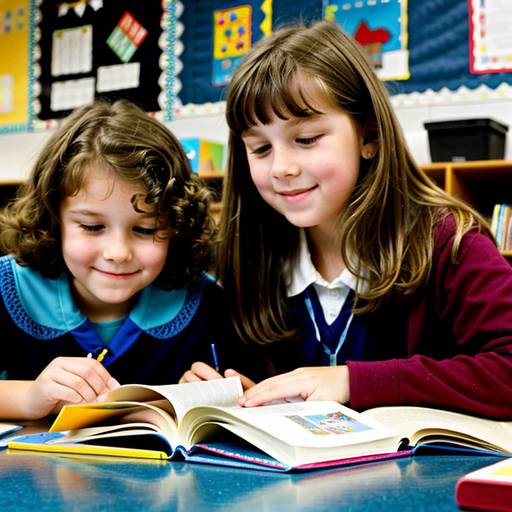
In this 2nd-grade Language Arts lesson, students will explore three main genres of literature: fiction, non-fiction, and poetry. The lesson begins with an engaging discussion to define genres and identify their characteristics. Students are then divided into small groups to read excerpts from a selection of mixed-genre books and discuss their thoughts, ultimately sharing their findings with the class.
For independent practice, each student will select a book, complete a "Genre Detective" worksheet, and illustrate a favorite part of the book. This will help reinforce their understanding of the genres and encourage them to think critically about the readings. The lesson concludes with a sharing session, where students present their choices and review the key characteristics of each genre. Assessment will focus on group participation and the completed worksheets, with opportunities for further exploration of reading genres through a "Genre of the Week" display and creative writing assignments. Overall, this lesson aims to foster a love for reading and the understanding of various literary forms.


This lesson plan is designed for toddlers aged 2-4 years, focusing on introducing basic weather concepts through engaging sensory activities and crafts. The session begins with a circle time where children explore picture cards representing different types of weather, allowing them to articulate their observations.
Next, toddlers create DIY weather wheels, decorating them with crayons and stickers to visually represent various weather patterns. This is followed by interactive sensory exploration, where children participate in a rain demonstration using a clear container and a spray bottle, simulating raindrops. They also experience wind using small fans or cardboard pieces, encouraging them to feel the movement and discuss its effects.
A short story related to weather wraps up the interactive portion of the lesson, promoting engagement through sound effects and questions. The session concludes with a reflection circle, inviting children to share their favorite weather types and related activities.
Throughout the lesson, children enhance their understanding of weather through play, creativity, and collaborative discussion, while opportunities for extension involve parents continuing the weather exploration at home and maintaining a weather chart in the classroom for daily observations. Assessment focuses on participation and the ability to identify and express understanding of different weather types.

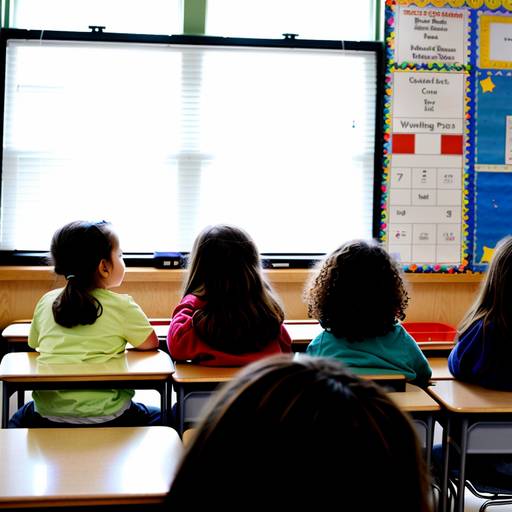
This first-grade science lesson focuses on exploring the physical properties of everyday materials. Students will begin by discussing the concept of matter and the three states: solids, liquids, and gases. Through interactive demonstrations, they will learn about the properties that distinguish these states, such as shape and texture.
In a hands-on activity, students will work in small groups to investigate a selection of everyday objects using magnifying glasses and measuring tools. They will record their observations about the properties of these materials, fostering teamwork and discussion.
The lesson will conclude with each group sharing their findings with the class, reinforcing their learning. An exit ticket will assess student understanding through a drawing of an object and its properties. Extension activities include exploring objects at home and conducting simple experiments related to states of matter. Overall, the lesson aims to engage students in discovering the characteristics of matter in a fun and interactive manner.
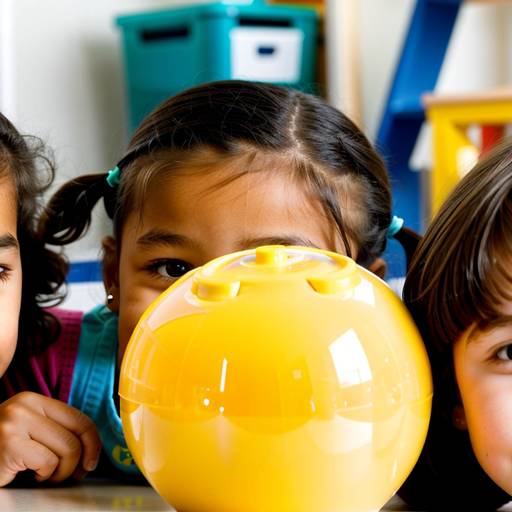
In this Kindergarten science lesson, students will engage with the fundamental concept of matter, specifically exploring its three states: solid, liquid, and gas. The lesson begins with a discussion to define matter, accompanied by visuals to illustrate the different states. Students are then organized into small groups to participate in a hands-on activity where they sort various objects into the three categories based on their properties.
Following this, the students conduct simple experiments to observe the characteristics of solids and liquids using water and rocks, and explore gases by inflating balloons. They create solid shapes with playdough, reinforcing their understanding of the distinctions between the different states of matter.
To conclude, students complete a worksheet that reinforces their ability to identify types of matter, followed by a reflection discussion to share their insights. The lesson incorporates hands-on activities, visual aids, and collaborative learning, fostering engagement and curiosity about the physical properties of the world around them. Extensions and modifications are also included to cater to diverse learning needs, ensuring all students have the opportunity to participate and learn effectively.

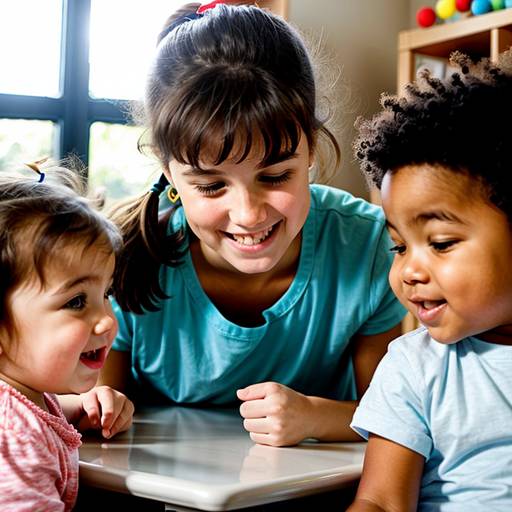
This lesson plan focuses on helping infants recognize and express basic emotions through interactive activities that encourage socialization and emotional understanding. It begins with a welcoming circle time where caregivers and infants gather to introduce the day's theme. The session includes presenting emotion flashcards, allowing infants to observe and mimic various facial expressions with their caregivers.
Next, plush toys representing different emotions are introduced for playful interactions, fostering connection among peers. A mirror activity encourages infants to explore their reflections and express emotions visually. Storytime engages children with narratives that highlight emotional experiences, prompting discussions about feelings.
The lesson incorporates movement and music, where infants dance with colorful scarves to reinforce emotional expressions through play. It concludes with a reflective wrap-up where caregivers share their feelings about the activities, supported by a simple song about emotions. Throughout the lesson, observation of infants' responses and interactions serves as a means of assessment, and follow-up ideas are provided for continued emotional exploration at home.

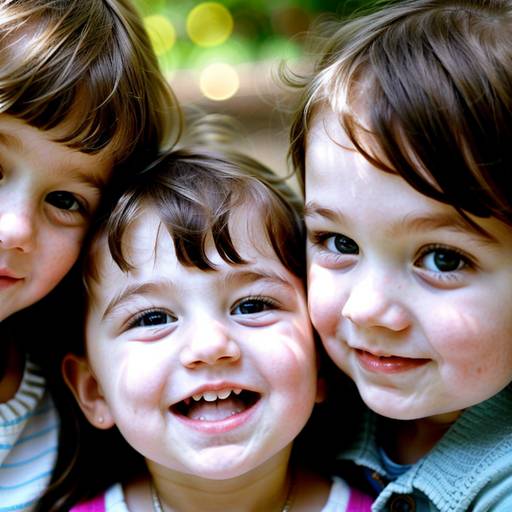
The lesson plan focuses on fostering empathy and understanding in toddlers by helping them recognize and respond to the emotions of others. The activities include a circle time discussion about feelings, where children express their own emotions and mimic facial expressions. This is followed by a storytime session featuring a book that illustrates various characters' emotions, prompting children to discuss how characters might feel and how to help them.
Next, an interactive role-playing activity uses stuffed animals or puppets to enact scenarios that evoke different feelings, allowing children to practice comforting gestures. This is complemented by a creative expression segment where children draw their favorite emotions and share their artwork with peers, promoting verbal expression of feelings.
The conclusion includes a group reflection on the importance of kindness and understanding, with an emphasis on sharing personal experiences of helping others. The plan incorporates ongoing activities such as a "Feelings Wall" and regular storytelling to continue exploring empathy in future lessons. Overall, the aim is to equip toddlers with the language and tools necessary for recognizing and responding to others' emotions.
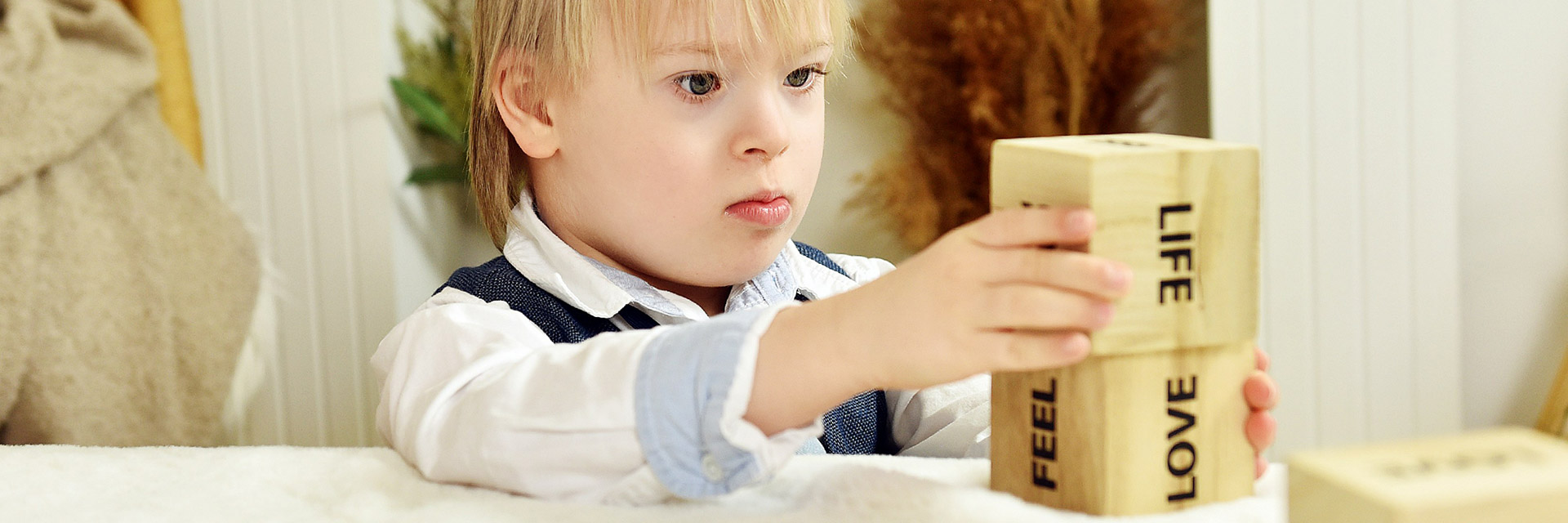
This lesson plan is designed for toddlers aged 2-4 years, focusing on the concept of empathy and helping young children recognize and understand emotions in themselves and others. The session begins with a group discussion where children share their feelings, followed by a storytelling segment that explores various emotions through picture books.
Next, students engage with emotion flashcards, mimicking expressions and discussing scenarios that evoke different feelings. To further enhance their understanding, children participate in puppet role-plays, acting out simple situations that involve emotional interactions.
The lesson also includes a creative art activity where children draw experiences related to empathy, allowing them to express their thoughts and feelings visually. The session concludes with a closing circle where children recap their learnings and pledge to be kind and understanding to their peers.
Throughout the lesson, emphasis is placed on fostering a supportive environment that encourages open discussions and connections among children, building the foundation for empathetic social interactions in the future.

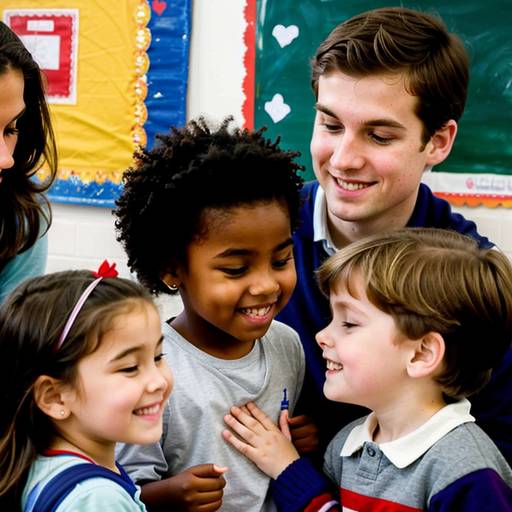
The lesson focuses on enhancing preschool students’ emotional awareness by exploring their feelings and the connections they share with their families. It begins with an introduction that encourages students to identify and discuss their family members, emphasizing the diversity of family structures. Through emotion cards, children share personal experiences related to various feelings, fostering open communication about their emotions. They then engage in a drawing activity, creating artwork that represents their family and the emotions they feel when together. After sharing their drawings, students participate in a calming circle activity, reinforcing the importance of expressing feelings. The session concludes with a recap of the lessons learned and the significance of discussing emotions with family, coupled with plans for follow-up activities, including a feelings chart and a family engagement event. Assessment is based on participation, expression of emotions, and peer interactions, providing insight into their social and emotional development.
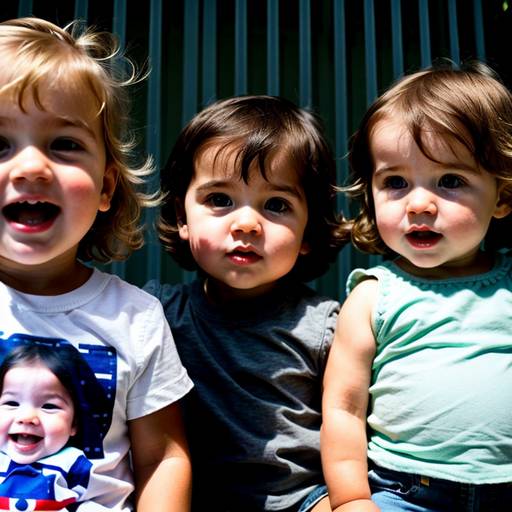
This lesson plan focuses on fostering toddlers' emotional development by helping them recognize and express their feelings, as well as introducing basic coping strategies. The session begins with an engaging circle time where children explore various emotions through visual aids and interactive discussions. A story is then read aloud to illustrate different feelings, encouraging personal connections.
Following the story, simple coping strategies are introduced, such as deep breathing and hugging soft toys, allowing children to practice these techniques together. An art activity allows toddlers to express their emotions creatively by drawing, which they can later share with the group. The lesson concludes with a supportive closing circle, reinforcing the idea that it's okay to experience different feelings and that they have friends to lean on. Parents are encouraged to continue the conversation about emotions and coping strategies at home, ensuring a collaborative approach to emotional development.