
Filters
Level
Grade
Subject
Subject Area
Subject Topic
Standard(s)
Audience
Keyword
DurationMinutes
Lesson Plans

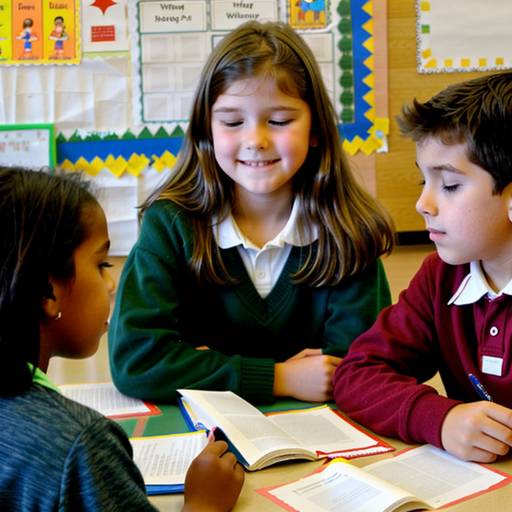
This 3rd-grade language arts lesson focuses on enhancing students' vocabulary skills through the use of context clues. The lesson begins with a discussion on strategies for deciphering unfamiliar words. Students are introduced to new vocabulary words and participate in a read-aloud activity where they identify and infer meanings based on surrounding text. Guided practice involves working in pairs to complete worksheets that encourage them to explore context clues in various sentences. For independent practice, students create their own sentences using the vocabulary words, incorporating context clues to clarify meanings. The lesson concludes with a sharing session where a few students present their sentences, reinforcing their understanding of the concept. Throughout the lesson, assessment is conducted through observation and the evaluation of worksheets and sentence constructions. Accommodations are provided for different learning needs, ensuring all students can effectively engage with the material.

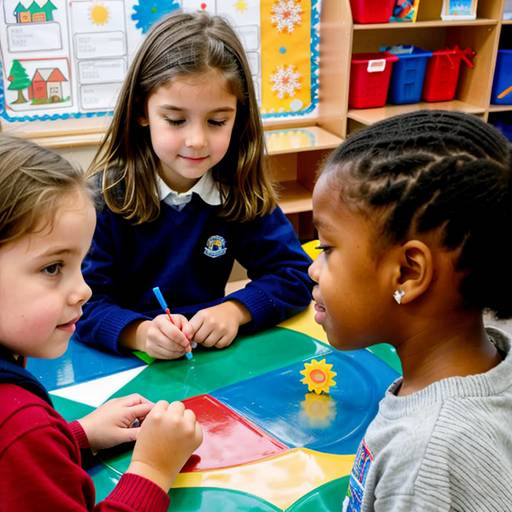
In this preschool science lesson, children will explore different types of weather and the four seasons. The session begins with a discussion where students share observations about the current weather. Visual cards representing weather conditions are used to engage students and prompt conversation about activities related to each type of weather. The lesson then introduces the four seasons through visuals, highlighting key characteristics and encouraging students to think about their favorite seasonal activities.
An interactive activity involving a dressing doll allows students to choose appropriate clothing for various weather conditions and seasons, fostering understanding through hands-on engagement. Following this, students will participate in a creative art activity, drawing pictures related to their preferred weather or season, and sharing their creations with the group.
The lesson concludes with a review of key concepts and the completion of a daily weather chart, reinforcing the idea of tracking weather patterns. Overall, the lesson aims to engage preschoolers in a fun and interactive way, helping them better understand the relationship between weather and seasons through visual, auditory, and kinesthetic learning experiences.

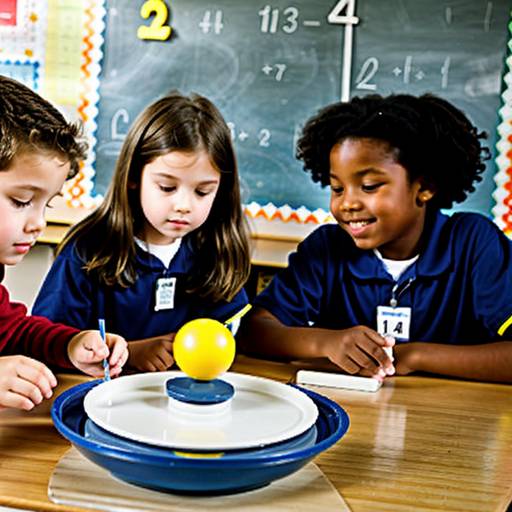
In this 2nd-grade math lesson, students will explore the concepts of measurement and weight using balance scales. The lesson begins with a discussion about weight, followed by an introduction to balance scales and how they work. Students will then engage in group activities where they estimate the weight of various classroom objects and record their predictions. Afterward, they will use the balance scale to measure the actual weight of these objects, noting the results on worksheets. The lesson culminates in a group discussion where students share their findings, reflect on their estimations, and learn about the importance of weight in everyday life. The lesson promotes hands-on learning, teamwork, and critical thinking as students compare and analyze the weights of different items. Assessment will focus on the accuracy of their measurements and participation during activities, with extensions available for students who grasp the content quickly.
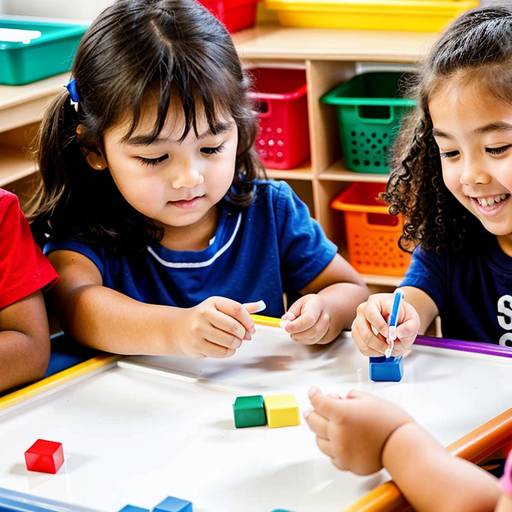
This Kindergarten math lesson focuses on measurement and weight, allowing students to explore and compare the weights of various objects through a hands-on approach. The lesson begins with an interactive discussion about weight, introducing key vocabulary such as heavy, light, balance, and scale. Students are then divided into small groups, each provided with balance scales and an assortment of classroom objects to weigh. As they experiment, they predict and observe which items are lighter or heavier, using the vocabulary to describe their findings.
Following the group activity, the class engages in a sharing session where each group presents their observations, reinforcing the concept of balance and providing a platform for discussion about their discoveries. The lesson wraps up with a reflective conversation and a fun chant to reinforce the vocabulary learned. Assessment is based on student participation, engagement, and the accuracy of their recorded observations. An optional extension activity encourages further exploration with a "Weight Hunt," where students classify additional items as heavy or light. Overall, the lesson aims to build foundational skills in measurement and weight through active participation and collaborative learning.
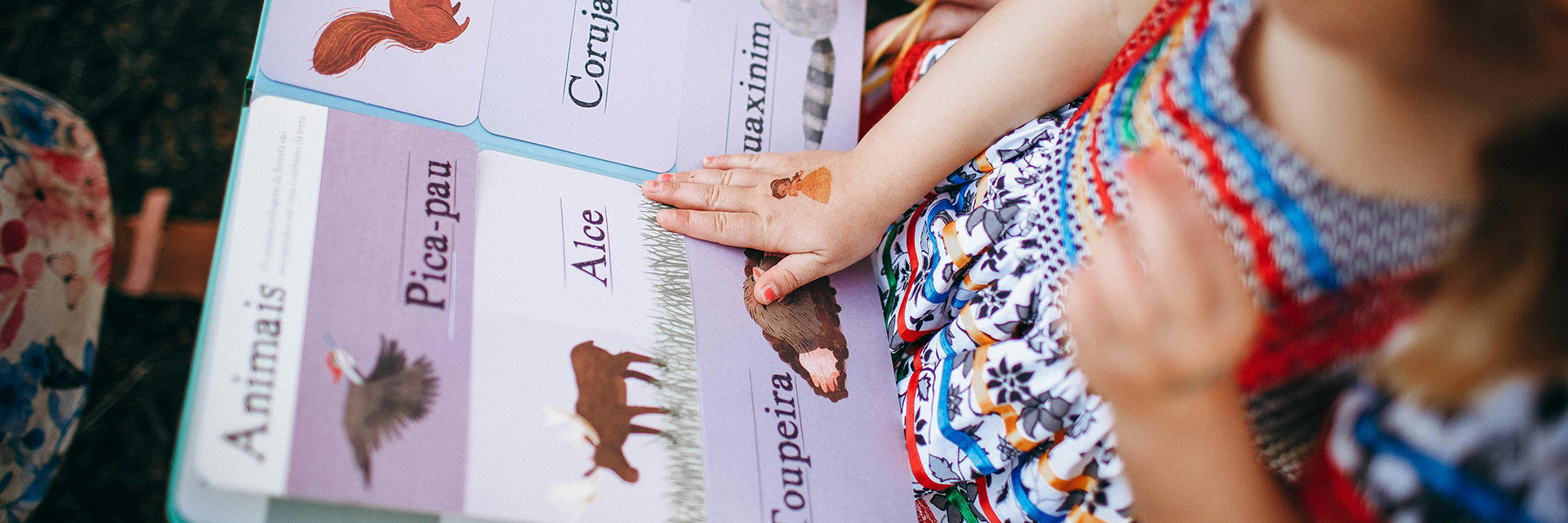
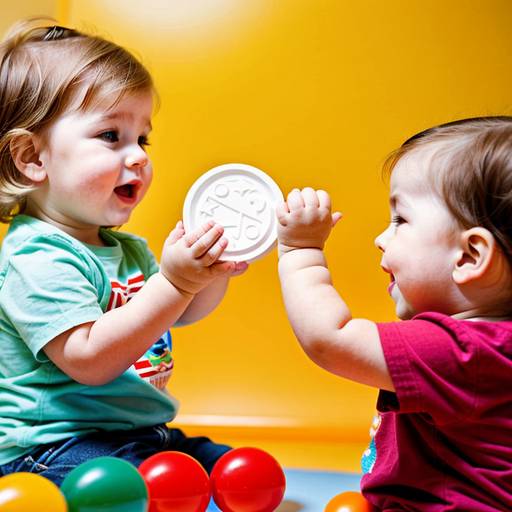
The lesson plan focuses on enhancing toddlers' communication skills through engaging, play-based activities. It begins with a welcoming circle time where children are greeted by a puppet and encouraged to participate. The session includes an interactive storytime featuring a picture book that highlights vocabulary and sound effects, prompting children to respond to questions about the story.
Next, toddlers engage with vocabulary flashcards to reinforce language by identifying and verbalizing familiar objects and actions. A movement and sound activity follows, where they use musical instruments to make sounds while singing and incorporating physical movements that connect verbal language to action.
The lesson continues with a creative expression segment, where children draw their favorite animal or character from the story and share their creations. The session concludes with a closing circle, inviting each child to share a new word they learned and sing a goodbye song.
Throughout the lesson, teachers observe participation and the children’s use of vocabulary, providing positive reinforcement to encourage language exploration. Extensions include creating a "word wall" in the classroom to promote continued language exposure and generating fun word games during snack time. Overall, the lesson aims to create a joyful, supportive environment for toddlers to develop their communication skills.

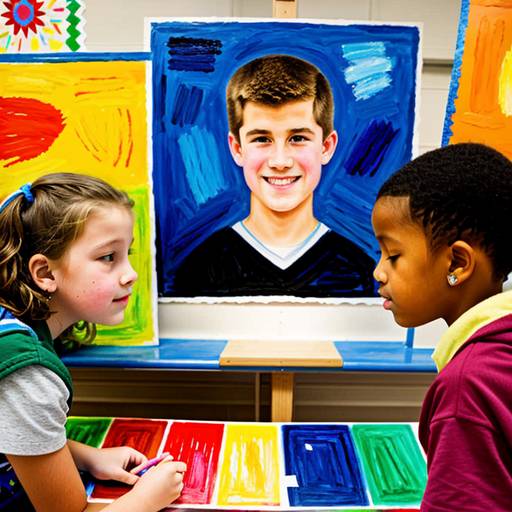
In this 4th-grade art lesson, students will explore the connection between color and emotion by creating personal drawings that represent specific feelings. The lesson begins with a discussion about emotions and how colors can evoke different responses, using a chart to illustrate common color associations. Following a demonstration of various drawing techniques such as shading and blending, students will select an emotion from provided cards and sketch a rough draft of their artwork.
Using colored pencils, crayons, or optional watercolors, they will apply the techniques demonstrated to enhance their expressive drawings. The activity culminates in a sharing session, where students present their artwork, explain their chosen emotions, and discuss their creative choices. The lesson emphasizes creativity, emotional expression, and the application of art techniques, with opportunities for both guided support and advanced exploration for students with varying skill levels.
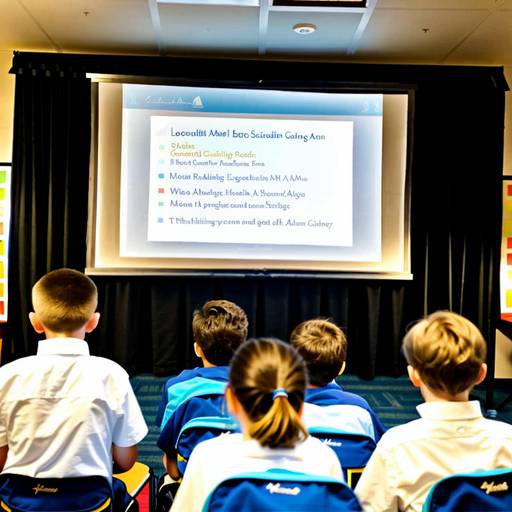
The first day involves introducing the elements of effective presentations through discussion, examples, and a group brainstorming activity where students outline their ideas on chosen topics. They work collaboratively to create mind maps and gain peer feedback on their concepts.
On the second day, students utilize computers to develop their presentations, incorporating various multimedia elements such as images, videos, and audio to enhance their messaging. They participate in a peer review session, providing constructive feedback to one another before finalizing their projects. The lesson concludes with students presenting their projects, followed by a reflection on their learning experience. Assessment focuses on the quality of the presentations, collaboration, and the effective use of multimedia, promoting creativity and communication skills. The plan includes extensions and differentiation strategies to cater to diverse learning needs.
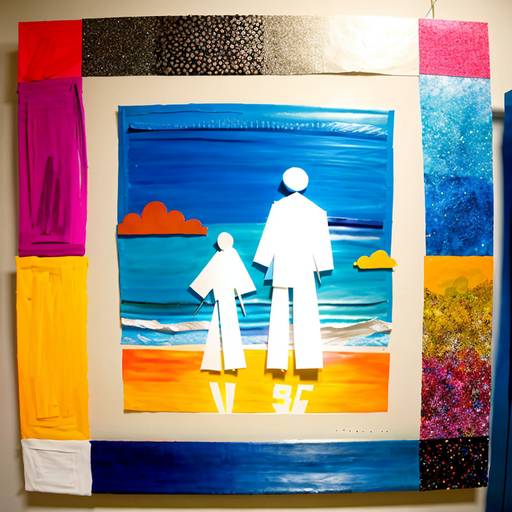
In this engaging art lesson for 3rd graders, students will learn about mixed media by combining various artistic materials to create a personal piece of artwork. The session begins with an introduction to mixed media concepts, where students explore examples and discuss the use of different materials. They will then plan and create their own artwork that reflects their interests, memories, or dreams, utilizing items such as construction paper, magazine cutouts, fabric scraps, and more. Throughout the activity, students are encouraged to express their creativity and share their artistic process with peers. The lesson concludes with a reflection and sharing circle, allowing students to present their creations and discuss their creative choices. The overall goal is to foster self-expression and artistic exploration in a collaborative environment, leading to a deeper understanding of mixed media art techniques.

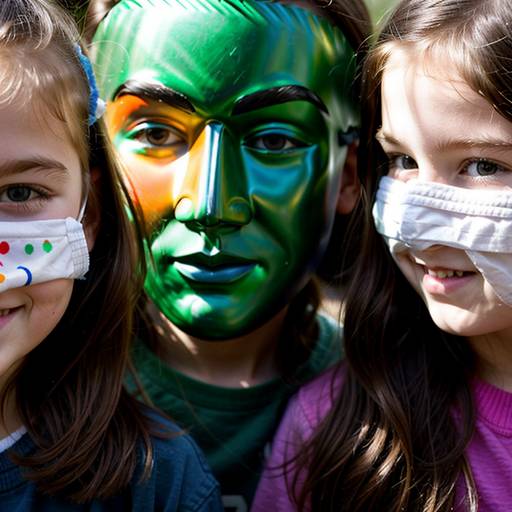
This lesson plan focuses on helping preschool children explore emotions and characters through the creative process of mask-making. It begins with an introduction to various types of masks and a discussion on different emotions, encouraging children to think about how to express these feelings. Students will then create their own masks using paper plates and various craft supplies, promoting individuality and creativity.
Following the mask-making activity, children will participate in a group activity where they can wear their masks and act out their chosen characters or emotions, engaging in imaginative play. This activity fosters self-expression and social interaction as they share their characters with their peers.
The lesson concludes with a reflection session, encouraging children to discuss their experiences and feelings about wearing the masks. A closing song related to emotions reinforces the concepts learned during the lesson. Throughout, the teacher assesses engagement and expression, with opportunities for extensions like themed dress-up days and related storytime activities.

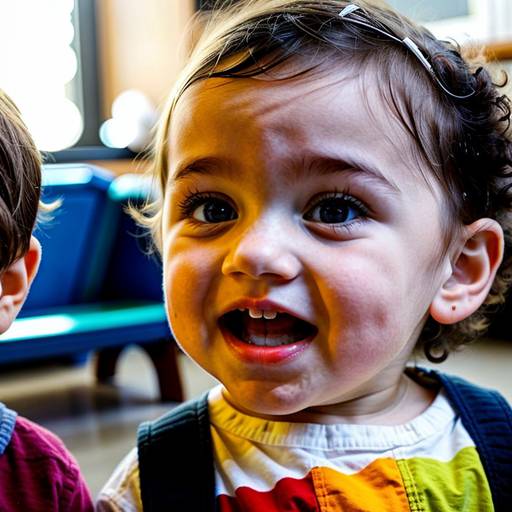
This lesson plan aims to help infants learn about basic emotions (happy, sad, angry, surprised) through interactive play and social engagement. The session begins with an introduction that sets a positive atmosphere, followed by activities using emotion flashcards to visually and vocally express various feelings. Infants participate in a mirror play activity, where they observe and imitate facial expressions, enhancing self-recognition and emotional understanding.
Role-playing with stuffed animals allows infants to explore emotions in a playful context while encouraging social interactions. A music and movement segment invites infants to dance and express emotions through rhythmic movement, using colorful scarves to represent different feelings visually.
The lesson concludes with a group reflection, allowing caregivers to share their experiences and observations. Handouts are provided to guide caregivers in recognizing and responding to their infants' emotional expressions at home. Overall, the plan fosters emotional awareness and social skills in a fun and engaging environment.