
Filters
Level
Grade
Subject
Subject Area
Subject Topic
Standard(s)
Audience
Keyword
DurationMinutes
Lesson Plans
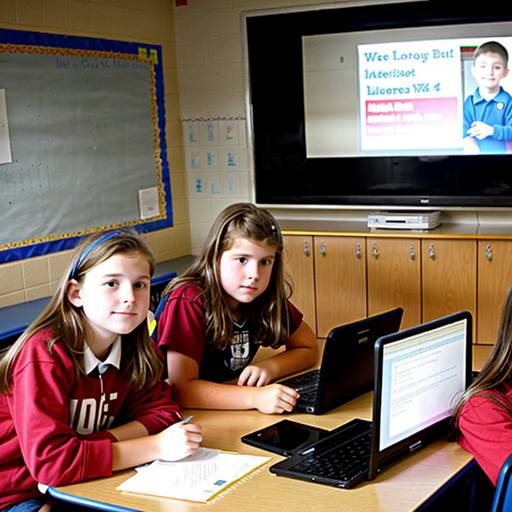
In this 4th-grade technology lesson, students will develop essential internet skills for effective and responsible online research. The lesson begins with a discussion about the importance of the internet as a research tool, highlighting how to identify reliable sources. Using a projector, the teacher will demonstrate effective search techniques and review tips for internet safety. Students will then work in small groups, assigned different research topics, to gather information using curated reliable websites. Each student will take notes and later write a summary paragraph about their topic, focusing on paraphrasing rather than copying. The lesson concludes with group presentations and a recap emphasizing the importance of source evaluation and online safety. Assessment will involve observing group participation, and reviewing summary paragraphs for understanding. Extensions will encourage students to further explore related topics for future presentations. Adaptations will be made for students needing additional support, ensuring a comprehensive and engaging learning experience for all.
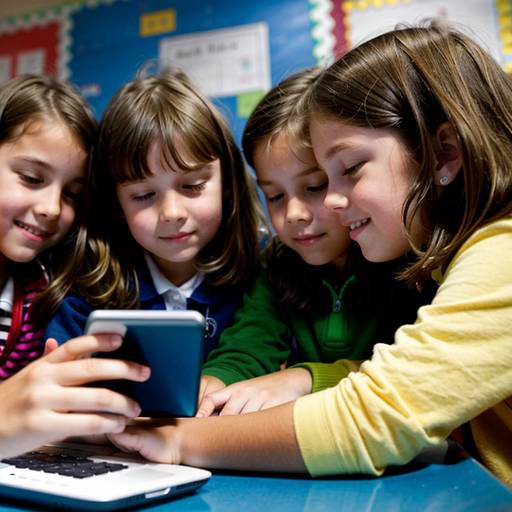
In this 60-minute technology lesson for 2nd graders, students will learn essential internet skills and the importance of safety while browsing online. The lesson begins with a discussion about students' interests in using the internet, followed by a guided practice where they identify safe and unsafe websites based on specific features. Key internet safety tips are introduced and reinforced with printed handouts, encouraging student engagement through questions and sharing personal insights.
During the independent activity, students will explore teacher-selected, safe websites using laptops or tablets and note one interesting observation from each site. The lesson concludes with a fun "Internet Safety Bingo" game, where students match scenarios related to internet use against their Bingo cards while discussing each scenario to reinforce their understanding of safe practices.
Assessment will be conducted through observations of student participation and understanding during the activities. The lesson incorporates differentiation strategies to support diverse learning needs and wraps up with a reflection where students can share new insights gained about internet safety or their favorite discovered website, fostering a sense of community and shared learning.

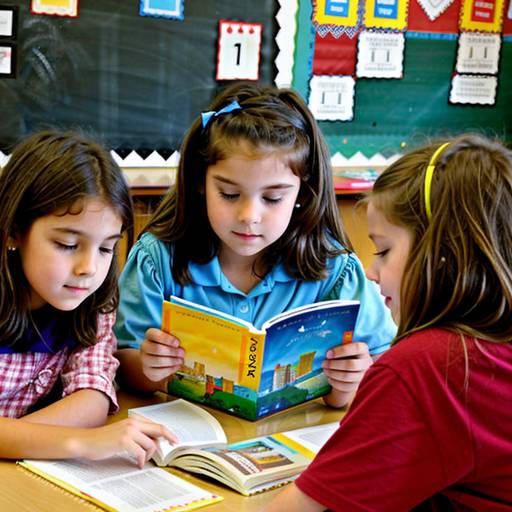
In this 3rd-grade language arts lesson, students will explore various genres of literature, including fiction, nonfiction, poetry, and fantasy. The lesson begins with a discussion to help students identify different types of books they may already know. Key characteristics of each genre are introduced through direct instruction, utilizing posters and engaging questioning to enhance understanding.
Next, students participate in a “Genre Scavenger Hunt,” working in small groups to find examples of books that fit into the discussed genres within the classroom or library. They record their findings and later share them with the class, fostering collaboration and discussion.
To conclude, students receive bookmarks with genre definitions and recap what they learned about the four genres. Assessment is conducted through observation during group activities and by reviewing collected worksheets. Differentiation strategies are included to support varied learning needs, and extension activities encourage further exploration of genres. Overall, the lesson aims to cultivate a passion for reading by emphasizing the diversity of literature available to students.
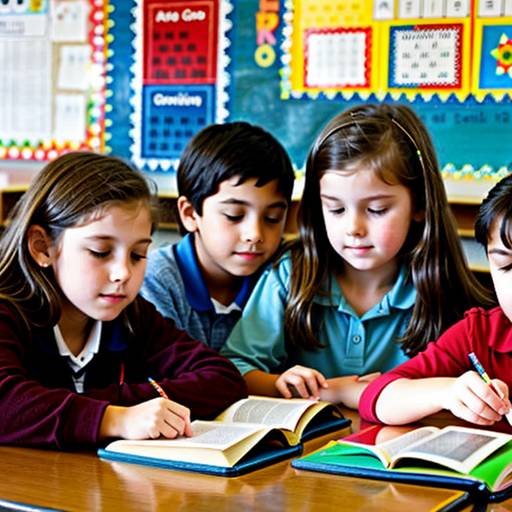
In this 2nd-grade Language Arts lesson, students will explore different reading genres, including fiction, non-fiction, poetry, and informational texts. The lesson begins with a discussion to introduce the concept of genres and an interactive classification activity where students work in pairs to sort book titles and pictures into the appropriate categories. After learning about the characteristics of each genre, students will choose a book to read independently. They will then create a drawing related to their chosen book and write a sentence describing the genre and their reaction to the story. The lesson concludes with student sharing and a recap of the four genres, fostering a deeper understanding and appreciation of diverse reading materials. Assessment includes observation during activities and evaluation of students' drawings and sentences. An extension activity encourages ongoing exploration of genres through a classroom display and a weekly genre-focused project.


This lesson plan is designed for third-grade students to explore Earth Science with a focus on rocks. It begins with an engaging introduction featuring videos or images of unique rock formations to spark student interest. The lesson introduces the three main types of rocks—igneous, sedimentary, and metamorphic—along with their characteristics and formation processes, and includes a discussion on the rock cycle.
Students engage in hands-on activities where they work in small groups to observe and classify rock samples using hand lenses and classification charts, completing a worksheet to document their findings. Following this guided exploration, students create posters centered on their favorite rock type, which they will present to the class. The lesson concludes with a review of key concepts and an exit ticket activity to assess student understanding and address any lingering questions. Through collaborative discussions, artistic expression, and observational skills, students gain a foundational understanding of rocks and their significance in the Earth's systems.
This 2nd grade science lesson focuses on the fundamental concept of matter, exploring its three states: solid, liquid, and gas. Students will engage in discussions to define and identify these states using everyday examples. Through a hands-on experiment, they will observe the melting of ice to understand state changes and the properties of each state. In small groups, students will document their findings through drawings and shared observations. The lesson concludes with a review of concepts and an exit ticket activity to assess understanding. This interactive approach fosters inquiry and collaboration while engaging students in the fascinating world of physical science.
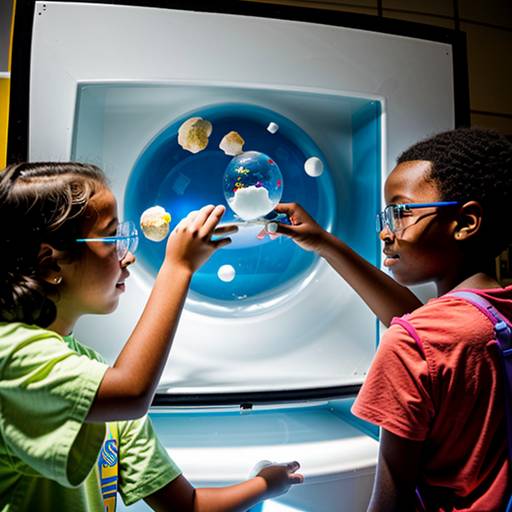
In this 5th-grade science lesson plan, students will explore the fundamental concepts of matter, focusing on the three primary states: solid, liquid, and gas. The lesson is divided into two class periods, beginning with an introduction to matter and a hands-on classification activity where students categorize various objects based on their state. They will conduct an experiment to observe ice melting into water, measuring temperature changes and recording their observations.
On the second day, students will review what they learned, including a demonstration of how gases behave, using an inflated balloon as an example. They will perform an experiment that involves heating water to observe the transition from liquid to gas through boiling and steam production. Throughout the lessons, students will engage in discussions about molecular changes during state transitions and document their findings in science journals.
Assessment will be based on class participation, group activities, and a short quiz covering key concepts. Extensions for the lesson include research presentations on additional states of matter and optional at-home experiments to further personal exploration. Overall, the lesson encourages active participation and fosters a deeper understanding of physical science.
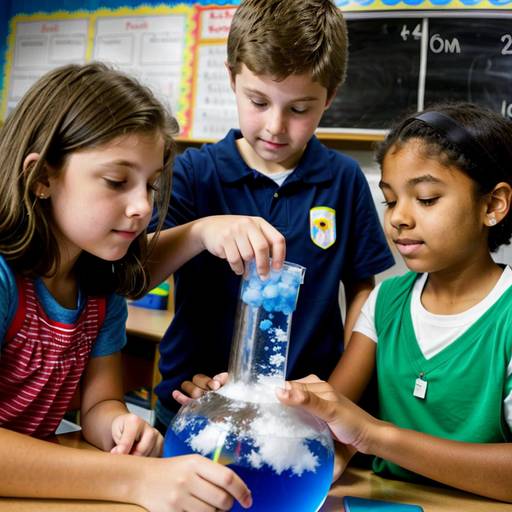
In this 4th-grade science lesson, students will explore the three states of matter: solids, liquids, and gases. The lesson begins with a class discussion on what matter is, followed by direct instruction where key properties of each state are defined and compared using a chart. Students will then engage in hands-on activities where they observe various materials and categorize them based on their state of matter. An experiment featuring the melting of ice and the boiling of water illustrates changes between states due to heat. Through group discussions and reflections, students will share their observations about these transformations. The lesson concludes with a brief assessment via exit slips to evaluate their understanding of the concepts covered, while also providing opportunities for differentiated learning and extensions. The goal is for students to develop a foundational knowledge of physical science and the characteristics of matter in an interactive and engaging manner.
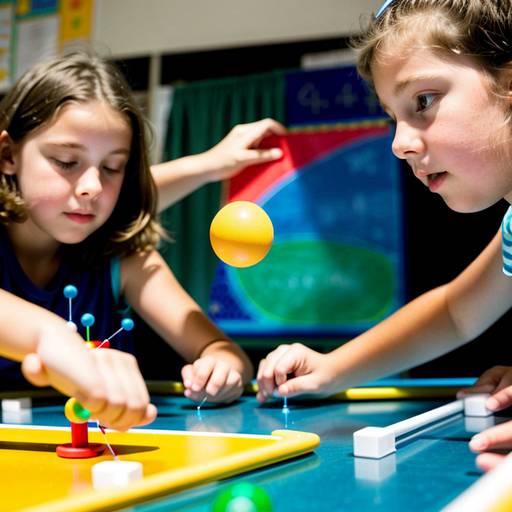
In this 4th-grade physical science lesson, students will explore the concepts of force, motion, pushes, and pulls through interactive activities. The lesson begins with a discussion to define motion and identify everyday examples of pushes and pulls. Students will then engage in a hands-on experiment using toy cars and ramps to investigate how different heights and strengths of pushes influence the distance an object travels. Working in small groups, they will measure their results and analyze the data, sharing their findings with the class. The lesson emphasizes critical thinking and collaboration while reinforcing the relationship between force and motion. Students will complete a worksheet summarizing their learning, ensuring a comprehensive understanding of the topics covered.
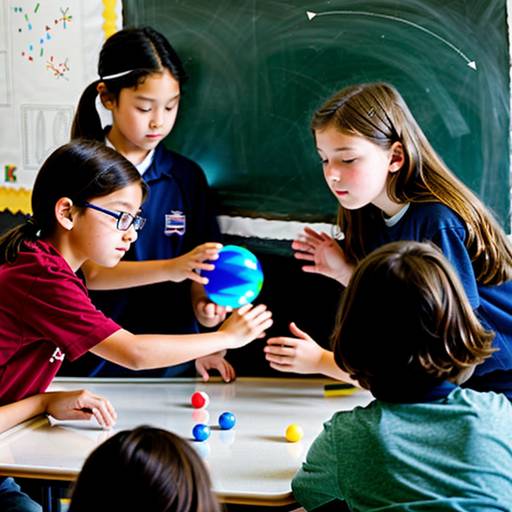
In this physical science lesson for 5th graders, students will explore the concepts of motion and the forces that influence it. The lesson begins with an engaging discussion about motion, during which students will share their prior knowledge and learn key vocabulary such as force, gravity, friction, and acceleration. Following direct instruction that includes visual aids and diagrams, the class will break into small groups to conduct a hands-on experiment. Each group will use toy cars, ramps, and weights to investigate how different weights affect the speed and distance traveled by the cars. Students will record their observations in journals and participate in a class discussion to share their findings and insights.
The lesson aims to provide students with a foundational understanding of how forces interact with motion, emphasizing the relationship between weight, friction, and movement. Assessment will focus on student engagement during the activities and their journal entries, with opportunities for further exploration or reinforcement based on individual student needs. Through this interactive approach, students will gain a deeper appreciation of the principles of physics in their everyday lives.