
Filters
Level
Grade
Subject
Subject Area
Subject Topic
Standard(s)
Audience
Keyword
DurationMinutes
Lesson Plans

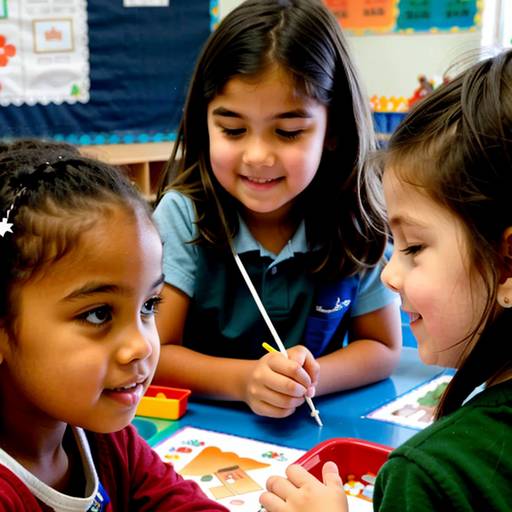
In this preschool science lesson, students will explore the world of animals and their habitats while developing environmental awareness. The session begins with an interactive introduction where children engage in making animal sounds and discussing different animals. They will explore various habitats through a visual poster, identifying which animals reside in each environment.
The lesson continues with a focus on environmental protection, where children learn simple actions they can take to help preserve nature, followed by a storytelling segment that reinforces this theme. In a creative craft activity, students will create their own animals using craft supplies, considering their animal's habitat.
To culminate their learning experience, children will participate in a nature scavenger hunt outdoors, encouraging them to observe their surroundings and connect their lessons to real-life experiences. The lesson wraps up with a group reflection, allowing each child to share their creations and insights. Overall, the activities promote engagement with nature, foster creativity, and emphasize the importance of caring for the environment and its inhabitants.

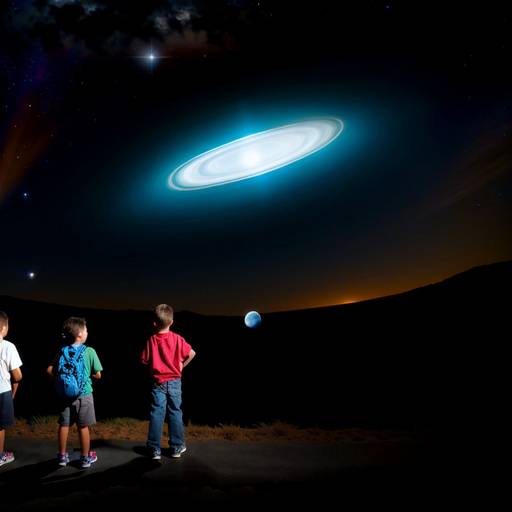
This lesson plan for 3rd graders focuses on the fascinating topic of astronomy, particularly stars and constellations. Students will begin by discussing what they observe in the night sky and watching a short video about the sun, our nearest star. The teacher will present information on various types of stars and the concept of constellations, accompanied by images for visual aid.
Following the presentation, students will work in pairs to create their own constellation on construction paper, using colored pencils and star stickers to enhance their artwork. Each pair will then present their constellation to the class, explaining its name, shape, and any related stories.
To conclude, the class will review the key concepts learned about stars, and students will complete an exit ticket reflecting on what they learned. Assessment will occur through observations during presentations and the completion of a worksheet with star facts. The lesson also offers ideas for extensions, such as a stargazing night with parents and an inclusive reading corner for further exploration of astronomy. Differentiation strategies are included to support a range of learners. Overall, this lesson aims to provide an interactive and engaging experience that enhances students' understanding of stars and constellations.
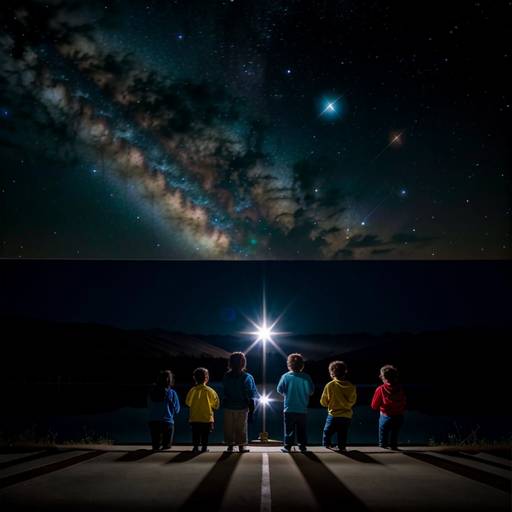
In this 2nd grade science lesson, students will explore the fascinating world of stars and their significance in the night sky. The lesson begins with a discussion about what students observe at night, followed by an introduction to different types of stars and their characteristics. In small groups, students will analyze star printouts and share interesting facts, fostering collaboration and communication skills.
The hands-on portion of the lesson involves creating their own constellations on black construction paper using star-shaped stickers or cutouts. Students will then craft a short story about their constellations, encouraging creativity and storytelling.
To enhance engagement, the class will simulate stargazing by turning off the lights and using flashlights to illuminate their constellations, allowing them to present and explain the meanings behind their creations. The lesson concludes with a recap, reinforcing learning and encouraging students to observe the night sky at home.
Assessment will include observing participation during discussions and activities, along with reviewing their constellation projects. An optional extension activity invites students to maintain a Star Journal to document their nighttime observations and discoveries about astronomy. Overall, this lesson aims to instill curiosity and appreciation for the stars and the universe.
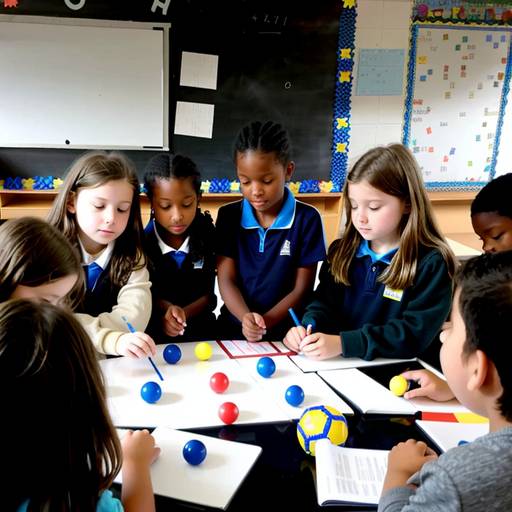
In this 3rd-grade physical science lesson, students will explore the concepts of pushes and pulls as they relate to forces and motion. The lesson begins with an engaging discussion about everyday examples of forces, followed by a hands-on experiment where students build ramps and observe the effects of adding weight to toy cars on their speed. Working in small groups, students will record and compare their findings, facilitating a deeper understanding of how forces impact motion. The class discussion will encourage students to reflect on their observations and connect them to real-life examples. To conclude the lesson, students will share their insights by writing down instances of pushes and pulls they encounter at home. Assessment will be based on participation, group findings, and individual reflections on their learning experiences. Adaptations will be provided to support diverse learners, while extensions will challenge more advanced students to design their own racecars, further investigating the relationship between design, weight, and motion.

This Kindergarten music lesson focuses on music appreciation and listening, allowing students to explore diverse musical styles from around the world. Over the course of 30-45 minutes, students will listen to short excerpts of music from various cultures, engaging in discussions about the instruments they hear and the emotions the music evokes. Through physical movement, they will respond expressively to each piece, enhancing their understanding of music's impact on emotions and bodily expression.
Students will also have the opportunity to experiment with instruments, creating rhythms together as a class. To reinforce their learning, they will draw pictures inspired by their favorite music from the lesson, fostering creativity and personal expression. The lesson closes with a summary of the importance of music as a universal language that connects people globally. Assessment will be conducted through observation of participation and engagement, with differentiation strategies in place to support all learners.
In this engaging 3rd-grade music lesson, students will explore various musical styles throughout history and their cultural significance. The class starts with an interactive discussion where students share familiar musical styles and their feelings about music. This is followed by listening to short audio clips from different genres, including classical, jazz, rock, folk, and blues, prompting students to reflect on what they hear and the emotions it evokes.
Students will then break into small groups, each assigned a specific musical style to research using provided worksheets. They will create informative posters that highlight key characteristics, instruments, and historical contexts related to their genre. Additionally, the groups will experiment with available instruments to compose a simple rhythm or melody inspired by their assigned style.
The lesson concludes with each group presenting their poster and performance to the class, allowing them to share their findings and creative interpretations. The unit aims to underline the connection between music and history, enhancing students’ appreciation for diverse musical expressions. Opportunities for further research and classroom activities will encourage students to delve deeper into the world of music.
In this 4th-grade lesson focused on music history and periods, students will explore key music eras: Baroque, Classical, Romantic, and 20th Century. The lesson begins with an engaging discussion about the evolution of music and its impact on culture. Students will listen to audio clips from each period, analyzing the unique characteristics, instruments, and emotions conveyed in the music. Afterward, they will work in small groups to create informative posters about their assigned music period, highlighting notable composers and key elements. Each group will then compose a short piece of music inspired by their period and perform it for the class. Finally, students will share their findings and creations, reflecting on what they learned about the different styles and composers. Assessment will be based on participation, creativity, and comprehension demonstrated through presentations and performances. Extensions may include individual homework on specific composers and organizing an end-of-year showcase for parents.
This fifth-grade science lesson focuses on exploring astronomy and the characteristics of stars. Throughout the 60-minute session, students will engage in a variety of activities designed to deepen their understanding of the types of stars, their life cycles, and the classification of constellations. The lesson begins with an engaging video to capture students' interest, followed by a PowerPoint presentation that covers the key concepts related to stars, including their various forms and developmental stages.
Students will then work in small groups to create their own star charts using black construction paper and chalk or stickers, facilitating hands-on learning and creativity. Each student will choose a star or constellation to research and complete a write-up that includes important details and interesting facts. The class will conclude with a sharing session where students present what they learned. Assessment will be based on participation, the completed star chart, and the quality of the write-up. Extension activities, like organizing a star-viewing event, will encourage further exploration of the topic and engagement with the community.
This 4th-grade science lesson focuses on astronomy, specifically stars and constellations. Students will begin by observing the night sky through a short video and discussing their experiences with stargazing. The lesson then provides an overview of the characteristics of stars and the concept of constellations, highlighting a few well-known examples and their cultural significance.
Through guided practice, students will explore star maps to identify a constellation of their choice, using accompanying books or resources to gather interesting facts. The main hands-on activity involves students creating their own constellation on dark construction paper, drawing stars and connecting them, while inventing a name and story for their creation.
Finally, students will share their constellations and stories with the class, reinforcing their understanding of the material. Assessment will be conducted informally through observation and a brief exit ticket to capture what they learned. The lesson also includes ideas for extensions and reflections for future improvement.
In this 4th-grade science lesson, students will explore the solar system and space exploration. The lesson begins with a discussion about space and an engaging presentation that highlights key components of the solar system, including planets, the sun, and the role of astronauts. After introducing essential vocabulary, students will work in small groups to create models of assigned planets using Styrofoam balls and other materials, encouraging teamwork and creativity.
Each group will present their model to the class, sharing interesting facts about their assigned planet. Following the group activity, students will complete a worksheet that requires them to summarize what they learned and draw a picture of their favorite planet or spacecraft. The lesson concludes with a class discussion where students can share their favorite facts or experiences. The assessment will involve evaluating participation in discussions, presentations, and completeness of the worksheets. Opportunities for extension include creating a classroom display of the solar system and exploring further documentaries or virtual field trips related to space exploration. Reflection activities will help the teacher assess student engagement and areas for improvement in future lessons.