
Filters
Level
Grade
Subject
Subject Area
Subject Topic
Standard(s)
Audience
Keyword
DurationMinutes
Lesson Plans

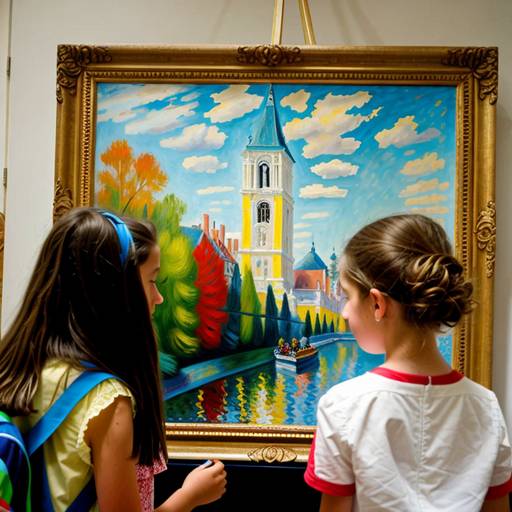
This two-day lesson plan introduces 4th-grade students to the Impressionist art movement, focusing on its key characteristics and influential artists such as Claude Monet and Pierre-Auguste Renoir. The first day begins with an engaging presentation that showcases famous Impressionist paintings, followed by a class discussion that stimulates critical thinking about color, emotion, and technique. Students complete an art history worksheet to reinforce their understanding of the movement.
On the second day, students review the concepts learned and receive instructions for creating their own watercolor paintings inspired by Impressionism. They practice using watercolors to achieve light and texture effects in their artwork. After painting, students participate in a gallery walk to share their creations, fostering appreciation and reflection on their peers' work. The lesson emphasizes creativity, engagement with art history, and the exploration of different artistic techniques, culminating in a meaningful artistic experience. Assessment is based on participation, the completion of the worksheet, the quality of their artwork, and engagement during the gallery walk.
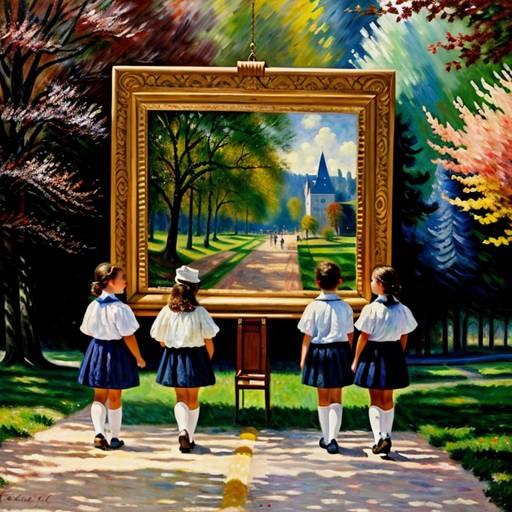
In this art lesson designed for 2nd graders, students will explore the Impressionist art movement, focusing on its characteristics like light, color, and expressive brush techniques. The session starts with a discussion about Impressionism, where students will observe and describe famous paintings, sharing their own feelings about the artwork. Following this, the teacher will demonstrate watercolor techniques that mimic the Impressionist style, emphasizing quick, vibrant brush strokes and color mixing.
Students will then create their own Impressionist-inspired artworks by sketching scenes they love—such as parks or gardens—before painting them in watercolors using the techniques learned. A mini gallery walk will conclude the lesson, allowing students to display their paintings, appreciate each other's work, and reflect on their artistic experiences. The lesson aims to foster creativity, an understanding of art history, and collaboration among peers while providing the opportunity for artistic expression.
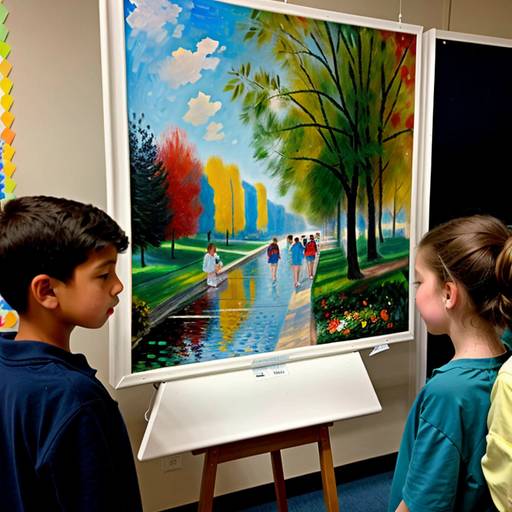
In this art lesson plan for 3rd graders, students will explore the Impressionist art movement through a mix of history, discussion, and hands-on creativity. The lesson begins with an introduction to key characteristics of Impressionism, including the use of light, color, and movement, as seen in the works of famous artists like Claude Monet and Edgar Degas. Students will analyze various Impressionist paintings and engage in a discussion about their observations and interpretations.
After gaining insights into the movement, students will create their own artwork inspired by Impressionism. They will conceptualize a favorite scene, make preliminary sketches using crayons or markers, and then use watercolor paints to bring their scenes to life, focusing on blending colors and applying loose brushstrokes characteristic of the style.
The session concludes with a gallery walk, where students showcase their artwork, providing and receiving positive feedback from peers. This activity not only reinforces their learning about Impressionism but also promotes creativity and personal expression. Through this interactive experience, students will gain a better understanding of art history while developing their artistic skills.
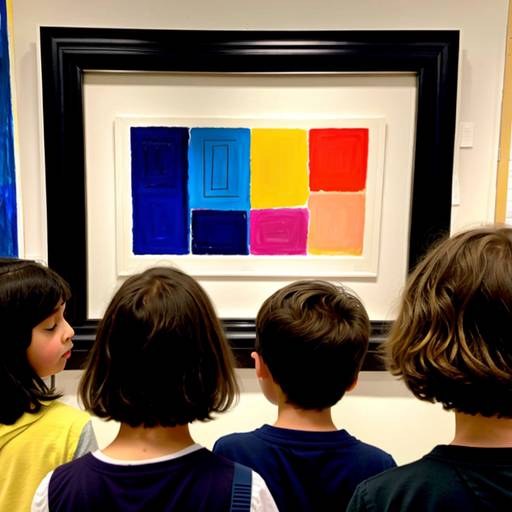
This lesson plan is designed for 4th grade students to explore significant art movements, specifically Impressionism, Cubism, and Surrealism. The class begins with an engaging introduction to art history, where students discuss their favorite artworks and learn about the context and characteristics of each art movement. Through visual presentations, students examine iconic works by artists such as Monet, Picasso, and Dalí, gaining insights into the distinctive features and historical influences that shaped these movements.
Following the presentations, students participate in group discussions to delve deeper into their assigned movements, sharing interesting facts with their peers. The lesson culminates in a creative activity where each student creates their own artwork inspired by one of the movements, allowing them to apply what they’ve learned through hands-on practice. Finally, students present their artworks to the class, fostering a sense of confidence and community. The lesson concludes with reflections on their experiences, with opportunities for assessment based on participation and creativity. Extensions include creating a bulletin board to showcase student work and organizing a mini-exhibition for families. Overall, the lesson combines art history with creative expression, encouraging students to engage with and understand the evolution of art.

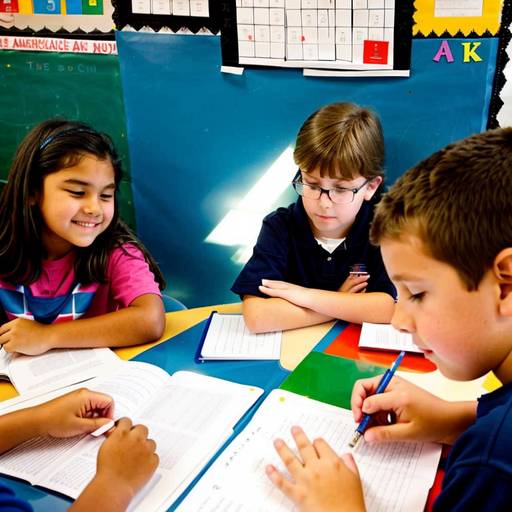
This fourth-grade social studies lesson focuses on exploring the various roles within a community and understanding their significance. Students will engage in a class discussion to identify different community occupations and their responsibilities. They will work in small groups to create a visual representation of their community, incorporating specific roles and illustrating how each contributes to the overall functioning of the community. Each group will present their project to the class, fostering collaboration, critical thinking, and public speaking skills. The lesson culminates with a reflection activity where students write about a community role they find intriguing. Assessment will be based on participation during discussions and the quality of group presentations. Extensions may include field trips or guest speakers to enhance learning further, while accommodations will be provided to support diverse learners.
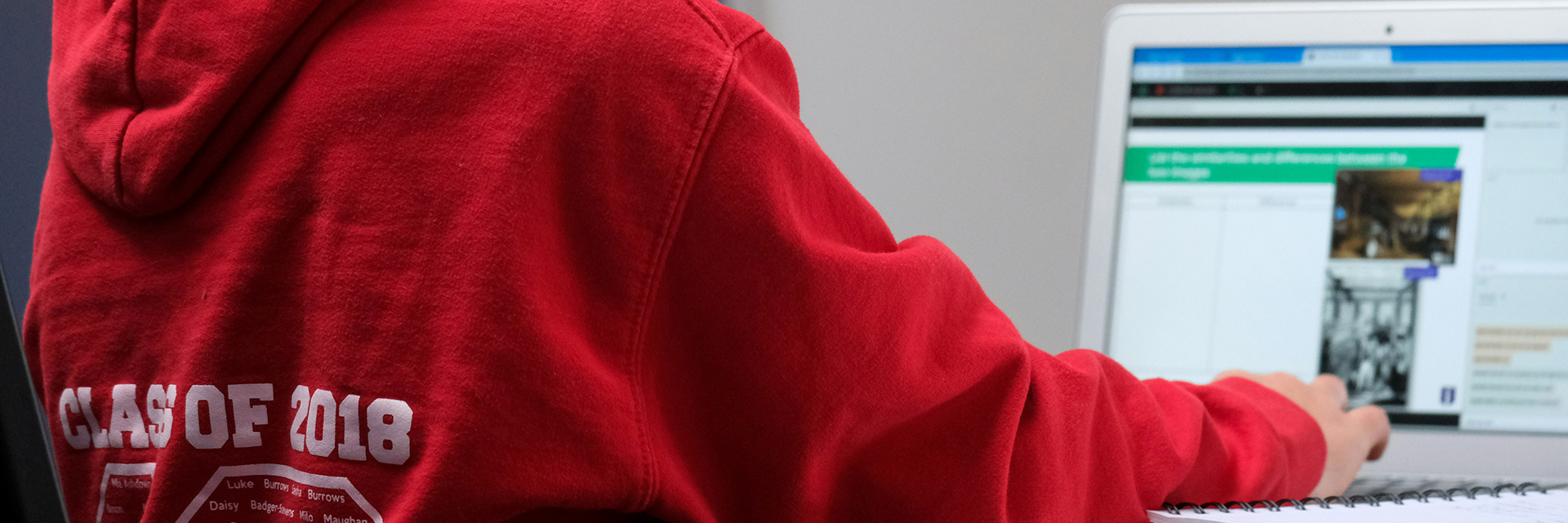
In this 5th-grade technology lesson, students will develop essential internet skills focused on online research and effective information gathering. The lesson begins with discussions on internet safety and the importance of evaluating the credibility of sources. Students will learn how to identify reputable websites and practice using advanced search techniques to enhance their research capabilities.
Throughout the class, students will gather information, assess the reliability of different online sources, and organize their findings using a structured checklist. They will then have the opportunity to create presentations using their research and share their findings with peers. The lesson emphasizes active participation, critical thinking, and effective communication, preparing students for future research projects in a digital age. Assessment will involve student presentations, worksheets, and group activities that gauge their understanding and application of online research skills.
Extensions of the lesson may include creating detailed reports or infographics based on their research, as well as exploring digital citizenship concepts related to copyright and source attribution. Overall, the lesson aims to equip students with practical skills for navigating the internet responsibly and effectively in their academic endeavors.
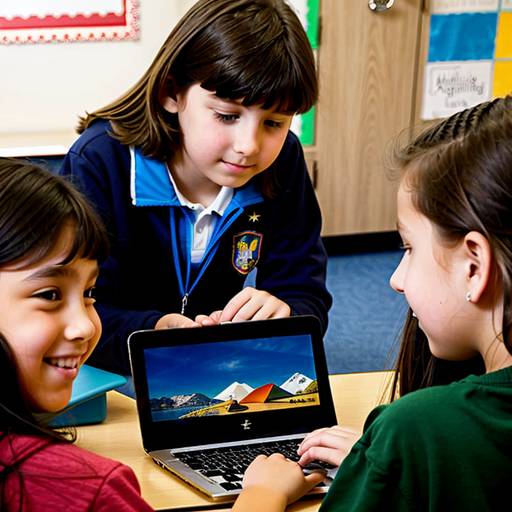
In this 4th-grade technology lesson, students will learn the fundamentals of using the internet effectively, focusing on search engine basics. The class will begin with a discussion about students' experiences using the internet to gather information. The teacher will demonstrate how to search using various keywords in a search engine, illustrating how to refine searches for better results.
Following the demonstration, students will engage in an activity where they will conduct searches related to specific questions, documenting their findings and evaluating the websites for credibility. In pairs, they will explore their chosen topics more deeply, utilizing a checklist to assess the trustworthiness and relevance of the information they find. The lesson will conclude with students sharing interesting facts with the class, emphasizing the importance of reliable sources in their research.
Through this lesson, students will gain essential skills in online searching, enabling them to navigate the digital world confidently and responsibly.

This lesson plan focuses on introducing toddlers to various types of weather through hands-on activities and creative exploration. The session begins with a circle time discussion, where children engage with picture cards representing sunny, rainy, windy, and snowy weather.
Next, students participate in sensory exploration at different hands-on stations, where they experience the feel of sunshine with scarves, simulate rain with spray bottles, feel wind from a fan, and play with snow-like materials. Following this, they create art by drawing their favorite weather scenes and crafting cotton ball clouds on blue paper.
The lesson also includes a storytime segment featuring a weather-related book, promoting language development and understanding of how weather affects daily life. To conclude, children engage in a fun weather-themed dance, embodying different weather types. Throughout the lesson, the children’s participation and enjoyment are observed to gauge their understanding of the concepts introduced.

In this 4th-grade physical science lesson, students will explore the concepts of motion and the forces affecting it, such as push, pull, friction, and gravity. The lesson begins with a discussion to define motion and identify examples students encounter in their daily lives. Following an engaging demonstration using a toy car, students will be divided into small groups to conduct hands-on experiments using ramps of varying inclines and different surface textures. Each group will time their car's travel distance and record their observations, encouraging them to analyze how the angle and surface impact motion. The lesson concludes with a sharing session where students discuss their findings and reflect on the relevance of these concepts in everyday life. Assessment will involve reviewing the recorded data and observing group participation, with extensions available for those seeking additional challenges. Safety precautions will be emphasized throughout the activities to ensure a safe and productive learning environment.

This lesson plan for 3rd-grade students focuses on developing essential internet skills and promoting online safety awareness. Over the course of one hour, students will engage in discussions about the internet, learn key terminology, and participate in hands-on activities to navigate web browsers effectively and conduct safe online research. They will work in pairs to find information using child-friendly search engines while practicing important safety rules, such as never sharing personal information and consulting an adult when unsure.
Students will then collaborate to create posters that illustrate one of the internet safety rules and present their work to the class. The lesson concludes with a review of the key concepts and an interactive quiz to assess understanding. Through this engaging and interactive approach, students will gain valuable skills for navigating the internet safely and responsibly, preparing them for future online experiences.