
Filters
Level
Grade
Subject
Subject Area
Subject Topic
Standard(s)
Audience
Keyword
DurationMinutes
Lesson Plans

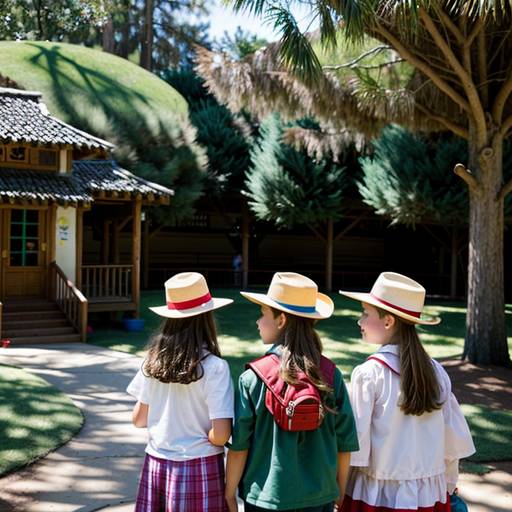
This 3rd grade language arts lesson focuses on enhancing students' reading comprehension through the exploration of characters and settings in a story. The lesson begins with a discussion about the elements that make stories engaging, followed by a read-aloud of a selected short story, during which the teacher models thinking aloud to prompt student engagement. Students then work in small groups to fill out a graphic organizer that highlights the key characters and settings from the story. This is followed by a class discussion where groups share their findings, promoting collaborative learning and critical thinking. For independent practice, students write a reflection paragraph about their favorite character, which they later share with a partner. The lesson concludes with a recap of the importance of characters and settings, along with an exit ticket to assess student understanding. Throughout the lesson, differentiation strategies are incorporated to support diverse learning needs.

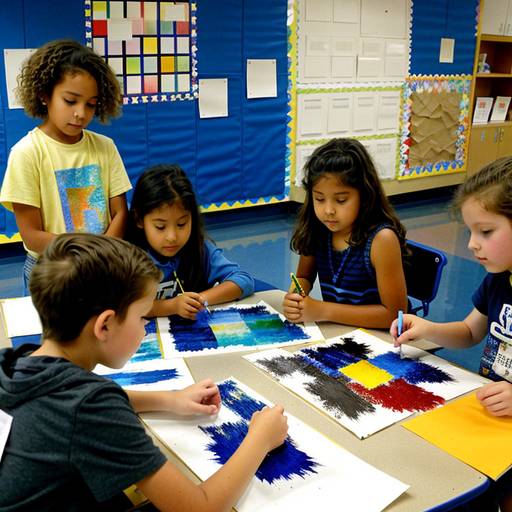
In this engaging art lesson for 3rd graders, students will explore the concept of texture and patterns through the exciting medium of printmaking. The lesson begins with a discussion about various textures found in art and the environment, encouraging students to share their observations. Following this, the teacher demonstrates the printmaking process, showcasing how to create designs on foam sheets, apply paint, and transfer images onto paper.
Students will then have the opportunity to create their own prints by designing textured patterns on foam and experimenting with different colors. As they work, they will learn important techniques related to printmaking, including how to effectively use tools like brayers while maintaining cleanliness. After completing their prints, students will share their artwork with classmates, reflecting on their creative process and the textures they incorporated.
The lesson concludes with a display of the artwork, allowing students to appreciate each other's creations. This hands-on activity not only fosters creativity but also enhances students' understanding of artistic techniques and the role of texture in visual art.
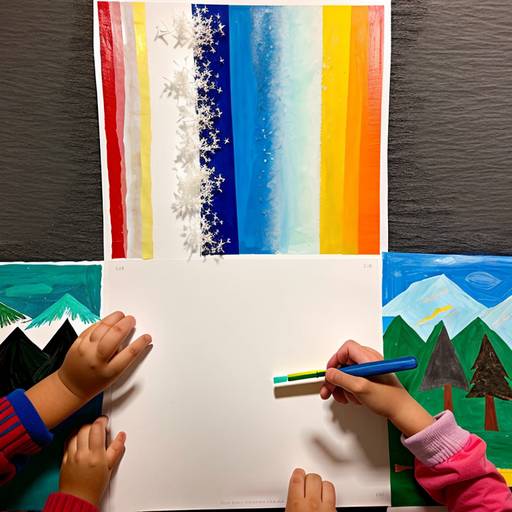
In this 2nd-grade art lesson, students will explore the concepts of texture and color by creating nature-inspired paintings. The lesson begins with a discussion about the various textures found in nature, encouraging students to observe and describe their surroundings. They will learn different painting techniques, including splattering, stippling, and layering, while also being introduced to the idea of warm and cool colors.
Following a demonstration of these techniques, students will sketch and paint their own nature scenes on watercolor paper, incorporating their chosen methods and color schemes. As they work on their artworks, the teacher will provide guidance and support to ensure each student effectively expresses their creativity. The lesson concludes with student presentations of their completed pieces, where they will discuss their techniques and color choices. Assessments will focus on participation, the application of techniques, and the overall creativity in their artworks, while extensions allow for further exploration of mixed media.
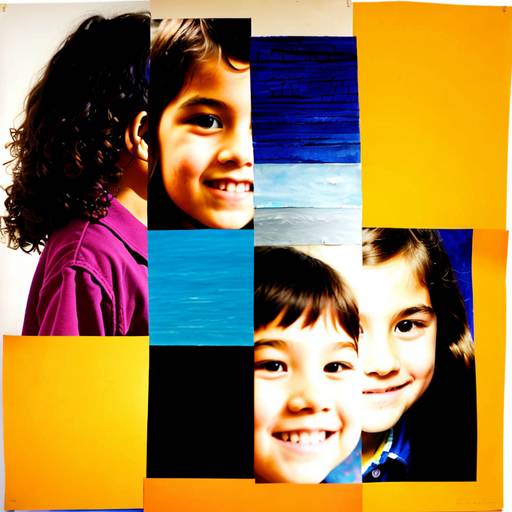
In this art lesson designed for 2nd graders, students will explore the concept of texture by creating a collage using various materials. The lesson begins with an introduction to texture, discussing how it affects our perception of art. After a brief demonstration on how to safely cut and glue materials, students will be provided with colorful construction paper and an assortment of textured items, such as fabric scraps, sandpaper, and bubble wrap. They will use these materials to construct their unique collages, focusing on combining different textures to enhance their artwork.
Throughout the activity, the teacher will circulate to provide support and engage students in conversation about their choices. Once they complete their collages, students will share their creations with the class, explaining the textures they used and the inspirations behind their work. The lesson concludes with a reflection on the importance of texture in art. Cleanup will be emphasized to instill habits of responsibility for materials and workspace. This hands-on experience will not only foster creativity but also help develop fine motor skills and artistic understanding in young learners.
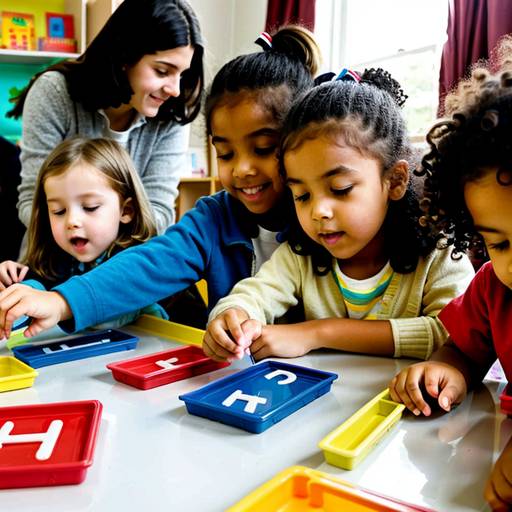
This lesson plan aims to support preschoolers in developing pre-reading literacy skills through engaging and interactive activities focused on letter recognition and sound association. The session begins with a familiar alphabet song to engage children's interest, followed by a series of activities involving flashcards to identify uppercase and lowercase letters and connect them with their corresponding sounds using props.
An interactive story time with an alphabet-themed book further reinforces letter recognition and sounds, encouraging participation and discussion. Hands-on activities, including forming letters with playdough and tracing worksheets, allow children to practice their skills in a tactile manner. Sensory exploration through a bin filled with items that start with different letters provides a fun and immersive experience.
The lesson concludes with a review to reinforce learning and a final sing-along of the alphabet song. Throughout the session, educators assess children's understanding by observing their participation and responses, with suggested extension activities to encourage continued learning at home. Overall, the lesson fosters a positive and playful environment for young learners to build foundational literacy skills.
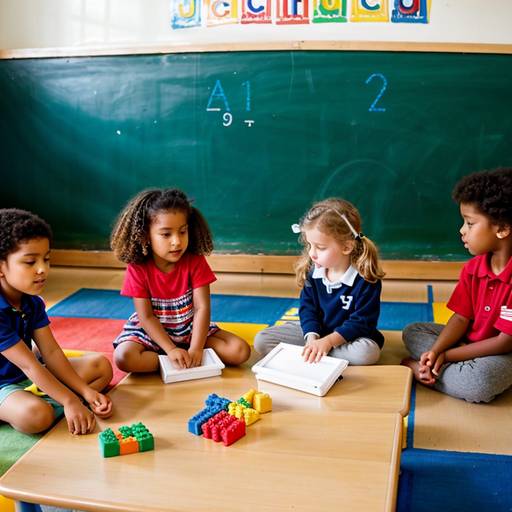
This preschool language lesson plan focuses on helping young learners recognize and identify letters of the alphabet through a series of engaging and interactive activities. The lesson begins with a welcoming circle time, where students sing the alphabet song and are introduced to the theme of an adventurous jungle exploration.
Students participate in an alphabet chart activity, where they learn about letters and associate them with corresponding animals or objects. An interactive letter recognition game encourages movement, as students search for and retrieve large letter cutouts around the classroom based on teacher prompts.
A jungle-themed storybook is then read aloud, with opportunities for students to identify letters and engage by making animal sounds. This is followed by a creative art activity where children can craft their favorite jungle animal corresponding to a letter of their choice, reinforcing their understanding through hands-on learning.
The lesson concludes with students sharing their artwork and a fun song about the alphabet, providing a celebratory atmosphere that reinforces their learning experience. Overall, the plan aims to enhance early literacy skills in a lively and imaginative setting.
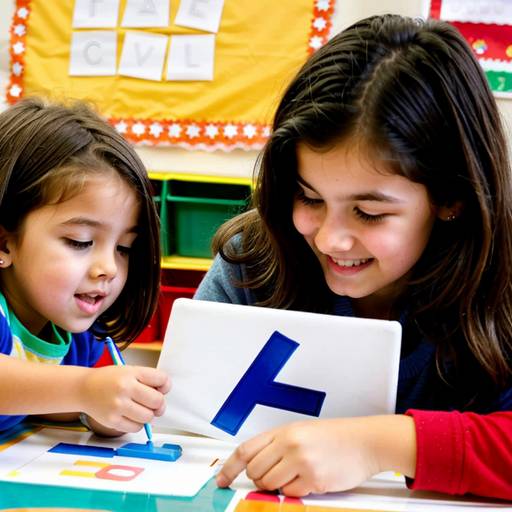
This preschool language lesson is designed to engage young learners in exploring the alphabet through a variety of interactive writing activities. The lesson begins with a group chant of the alphabet, followed by an identification exercise using flashcards where children learn to associate letters with sounds and words.
Students then participate in guided writing exercises, tracing letters on worksheets and writing the first letters of their names on sticky notes to create a "Letter Wall" in the classroom. Additionally, they engage in free drawing activities, illustrating objects that begin with the letters they are focusing on.
The lesson concludes with a sharing session where children present their drawings and the letters they’ve explored, fostering communication and collaboration. Throughout the session, educators assess student engagement, letter recognition, and fine motor skills, while providing support and encouragement to all learners. Extensions and adjustments are included to cater to diverse learning needs and to continue building on these foundational skills in future lessons.
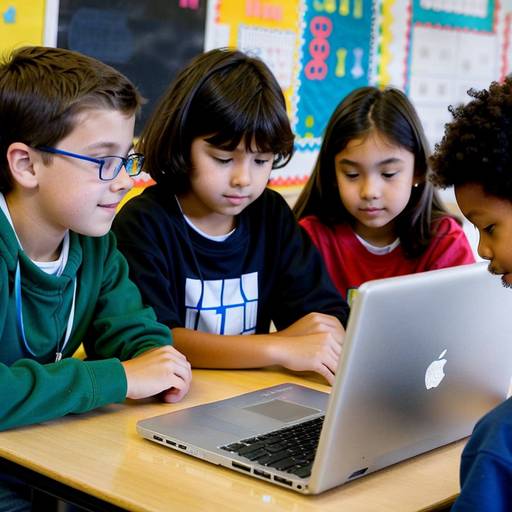
In this 4th-grade technology lesson, students will explore the basics of coding through engaging and interactive activities. The lesson begins with a discussion on what coding is, followed by an introduction to essential coding concepts such as algorithms, loops, and conditionals. A demonstration using a block-based coding platform showcases how these concepts can be applied in a simple project.
Students will then work in pairs to create a short animation or game, applying the coding concepts they've learned. Collaboration is encouraged as students explain their code to one another, reinforcing communication skills. After an opportunity for independent exploration and creativity, a few pairs will present their projects, focusing on the coding concepts they utilized.
The lesson will conclude with an exit ticket activity, where students write down one thing they learned and one question they still have. Assessment will be based on observation and student participation, with extensions for those seeking additional challenges. Differentiation strategies will be employed to support varied learning needs, ensuring an inclusive environment that fosters enthusiasm for coding.


In this 3rd-grade Earth Science lesson, students will explore various weather types and gain an understanding of how weather patterns affect daily life. The lesson begins with a discussion about personal weather experiences, followed by an introduction to key vocabulary related to weather. Students will learn the basics of weather observation and measurement using simple tools such as thermometers and rain gauges.
They will engage in an interactive activity where they create weather charts to record daily conditions throughout the week, and they will also design weather scene crafts that depict their favorite weather types. The class will encourage sharing of their projects and charts, promoting collaboration and communication.
Assessment will involve participation in activities, the completion of crafts and weather charts, as well as a short quiz at the end of the week to evaluate understanding. The lesson also includes extensions, such as starting a classroom weather station and researching specific weather phenomena, providing opportunities for further inquiry and learning about the complexities of weather and its impact on the world. Reflection will take place after the lesson to identify successes and areas for improvement.
In this 3rd-grade art lesson, students will explore the world of famous artists and their distinctive styles. The lesson begins with a discussion about well-known artists and their works, followed by a story that highlights the life and techniques of a selected artist. Students will analyze various artworks, focusing on color and emotion, before creating their own masterpieces inspired by the artist. With guidance, they will use a variety of colors and techniques to express their feelings through art. The class will conclude with a sharing session where students present their artwork to peers and receive positive feedback. This engaging lesson not only enhances students' understanding of art history but also fosters creativity and self-expression. Additionally, options for extending the activity include creating a class scrapbook and organizing a gallery day for parents.