
Filters
Level
Grade
Subject
Subject Area
Subject Topic
Standard(s)
Audience
Keyword
DurationMinutes
Lesson Plans
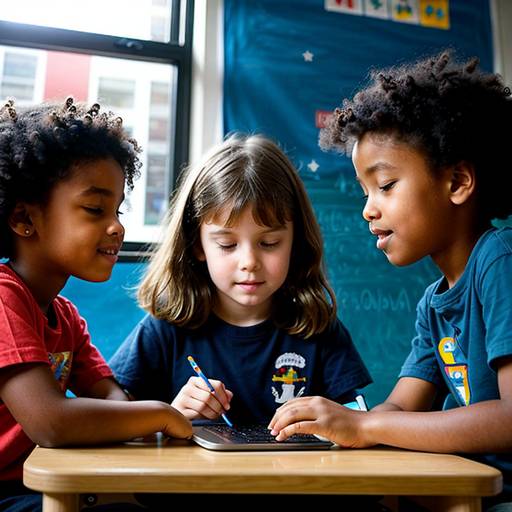
This preschool lesson plan focuses on introducing young students to basic coding concepts through creative storytelling. The session begins with a discussion about favorite stories, helping to connect storytelling with coding. Students explore coding apps in small groups, learning to create simple sequences that drive their digital narratives. Using story cubes for inspiration, they brainstorm and illustrate a collaborative story, highlighting the beginning, middle, and end structure. Each group presents their illustrated story to the class, sharing both the narrative and the coding process they employed. The lesson concludes with a recap of the key concepts—sequencing, coding, and storytelling—while encouraging students to think about their applications in everyday life. Assessment includes observing group interactions and evaluating the creativity in their illustrated stories and presentations. Additional resources are suggested for further exploration of coding concepts during free play.

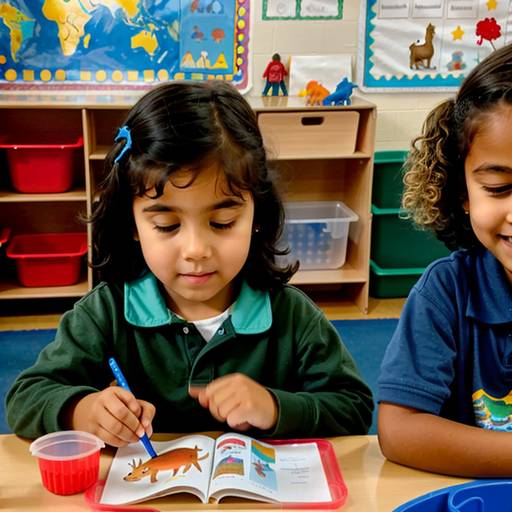
This lesson plan aims to introduce preschool students to the concept of animal adaptations and their importance in helping animals survive in their environments. It begins with a circle discussion to engage students' curiosity about what makes animals unique. Following this introduction, students participate in a series of interactive exploration stations where they observe various animals and their adaptations through hands-on activities.
After visiting the stations, students create drawings of their favorite animal, focusing on specific features that aid in survival. They then share their observations and drawings with the group, fostering communication skills and peer learning. The lesson concludes with a summary of key points about adaptations, encouraging students to reflect on their favorite animals and the adaptations that help them thrive. Assessment occurs through observation of participation and review of their drawings. Extensions include offering related literature or conducting a nature walk for further exploration of local wildlife.
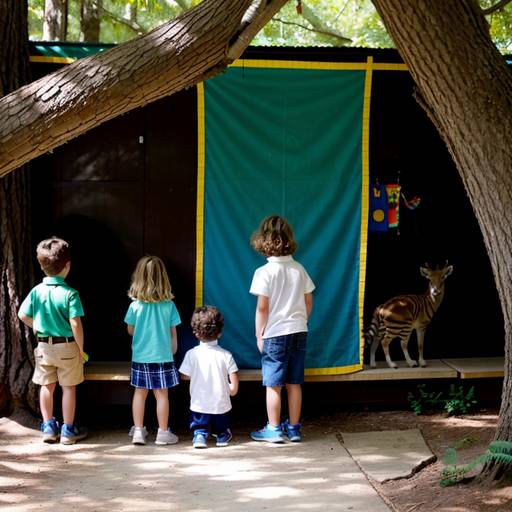
In this engaging preschool science lesson, children will explore various animals and their natural environments. The session begins with an interactive introduction where students discuss animals and their habitats. A story featuring different animals will capture their attention and help them identify where these animals live.
Students will then participate in a group activity where they match animals with the correct habitats using posters and figurines. Following this, they will express their creativity by drawing or creating representations of their assigned habitats, complete with corresponding animals.
Each child or group will have the opportunity to share their habitat creations with the class, promoting language development and collaboration. The lesson concludes with a review of key concepts about habitats and the importance of protecting them.
Assessment will occur through observation during group activities and presentations, ensuring children grasp the relationships between animals and their environments. Extension activities may include a field trip to a local zoo and discussions on animal conservation. Overall, the lesson fosters exploration, creativity, and teamwork while enhancing students' understanding of the natural world.

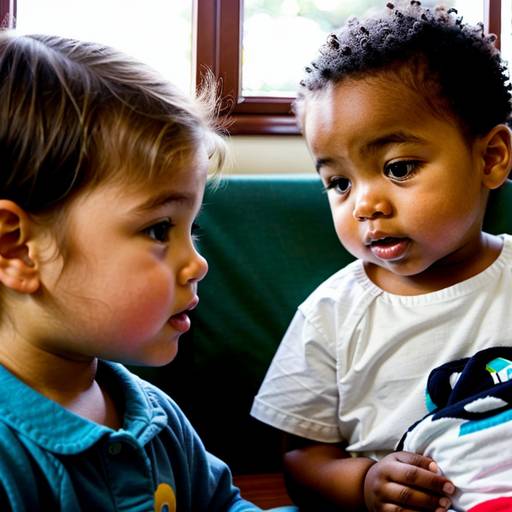
This lesson plan focuses on introducing infants aged 6-12 months to the concept of cause and effect through interactive and sensory activities. The session begins with an engaging introduction to the idea of cause and effect, using simple language and visual demonstrations.
Participants engage in several hands-on activities, starting with rolling soft balls back and forth to explore movement and initiation. Next, a water play table allows infants to pour water from one container to another, observing the resulting splashes and movements. Sound exploration is facilitated with musical instruments, encouraging infants to create noise through their actions, illustrating the connection between cause and effect. The session includes a fun bubble activity, where infants learn that blowing air creates bubbles, which they can then pop.
To reinforce the concept, a cause and effect-themed story is read aloud, prompting infant engagement through interaction with the narrative. The session concludes with a wrap-up discussion that encourages caregivers to identify their child's favorite moments during the activities and provides them with follow-up suggestions on how to reinforce these concepts at home. Throughout the lesson, caregivers and facilitators monitor infants’ reactions, ensuring a supportive environment for cognitive development.

This 1st-grade Language Arts lesson focuses on enhancing reading comprehension through the exploration of characters in a story. Students will engage in a read-aloud of a picture book, discussing and identifying the main characters and their adventures. They will create character maps to illustrate their understanding of the characters' traits and summarize their respective adventures. Through small group discussions, students will express questions and thoughts about the characters, fostering collaborative learning. The lesson concludes by encouraging students to connect their favorite characters to their own storytelling experiences. Various assessments will measure student participation and comprehension, while extensions and adaptations will ensure inclusivity and challenge for all learners.
In this third-grade language arts lesson, students will explore and identify various reading genres, including fiction, non-fiction, poetry, and fantasy. The class will start with a discussion about what genres are and their significance in reading. Students will be divided into small groups to examine a selected genre through reading excerpts from different books and will then present their findings, highlighting the characteristics unique to their genre and sharing examples.
Following the presentations, students will engage in a “Genre Scavenger Hunt,” where they will search the classroom library for books from multiple genres, noting the titles and authors on their worksheets. The lesson will conclude with a class discussion on the new genres discovered and personal preferences in reading. Assessment will occur through group participation, presentations, and the completed scavenger hunt worksheets. Extensions include creating genre-themed posters and setting up a reading corner that showcases different genres, encouraging further exploration and enjoyment of reading.
In this 2nd-grade technology lesson, students will be introduced to various technology tools and their purposes. The lesson begins with a discussion about what technology is, engaging students in sharing their thoughts and experiences. A visual presentation highlights different technology tools, prompting further discussion on how each tool assists in learning and everyday life. Students will then work in small groups to identify and discuss the functions of various technology tools from provided worksheets. Following this, they will have the opportunity to explore a tool in pairs, practicing its use. The lesson concludes with students sharing their favorite technology tool through drawings and sentences, reinforcing their understanding of technology's role in supporting learning and creativity. Assessment will be based on participation in discussions and the completion of worksheets. Extensions may include encouraging students to present on technology tools they use at home. Adjustments will be made to suit the specific needs of the students.

In this 2nd-grade social studies lesson, students will explore various countries around the world to understand their cultures and geographies. The lesson begins with a discussion about the concept of countries, followed by a collaborative group activity where students examine country fact cards that include pictures, landmarks, and cultural information. Each group will select 2-3 countries to research and then create a mini-presentation on a poster board, illustrating key aspects of their assigned countries. Students will share their findings with the class, fostering a sense of global awareness and appreciation for diversity. The lesson concludes with an interactive mapping activity, where students mark the countries they learned about on a world map. Assessment will focus on group participation, creativity in presentations, and individual worksheets summarizing their learnings. Extension activities may include a homework project or a pen pal exchange with a classroom in another country to further enhance their understanding of global connections.
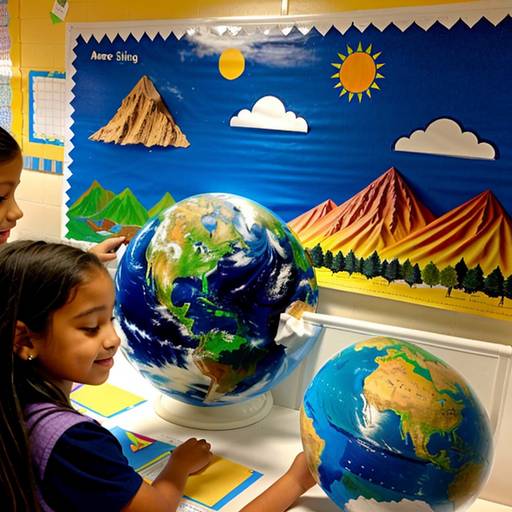
In this 2nd-grade social studies lesson, students will engage in a hands-on exploration of various landforms and their characteristics. The lesson begins with a discussion about what landforms are, complemented by a visual presentation using a world map or globe to identify mountains, valleys, hills, and plains.
Students will work in small groups to create models of their chosen landform using modeling clay or playdough, promoting collaboration and creativity. Each group will present their landform to the class, explaining its features and common locations. To conclude, students will complete a worksheet where they draw and label their favorite landform along with an interesting fact they learned.
Assessment will be based on participation, the quality of the models, and the worksheets. The lesson includes extensions such as reading related literature about landforms and a potential field trip to observe landforms in a local park, ensuring engagement and understanding while catering to diverse learning needs.

In this 2nd-grade music appreciation lesson, students will explore iconic songs and the artists behind them. The session begins with an introduction to the concept of songs and a listening activity where students identify familiar tunes and share their emotions and images evoked by the music. Following this, the lesson includes a learning segment about the featured artists and the cultural significance of their work. Students will then engage in a creative expression activity by choosing their favorite song and creating visual art that represents its themes and emotions. The class will conclude with a review of their learning and an invitation for students to connect with their families about their favorite songs for further sharing in the next session. This engaging lesson fosters musical appreciation, emotional expression, and creativity among young learners.