
Filters
Level
Grade
Subject
Subject Area
Subject Topic
Standard(s)
Audience
Keyword
DurationMinutes
Lesson Plans

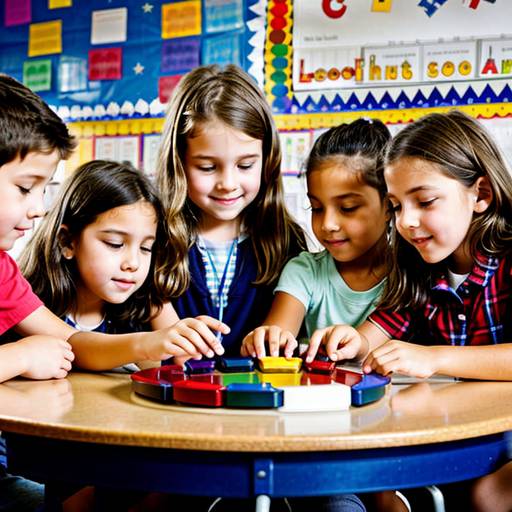
In this 1st Grade music appreciation lesson, students will explore the concept that music can evoke various emotions and images, similar to colors. The session begins with a warm-up song that encourages students to connect music with feelings. Students will listen to short audio clips of different instruments and share their thoughts on what they hear, describing the colors and emotions associated with each sound.
After the listening activity, students will engage in a movement exercise using colorful scarves. They will interpret a musical piece through movement, utilizing their scarves to express the feelings inspired by the music. Following this, students will create drawings that represent their musical experiences, allowing for personal creative expression.
The lesson culminates in a sharing session where students can present their artwork and discuss their interpretations. Assessment will focus on participation in activities, understanding of different instruments, and the connections made between music and personal expression. Students will also be encouraged to continue exploring musical sounds at home and consider how they relate to colors and feelings.

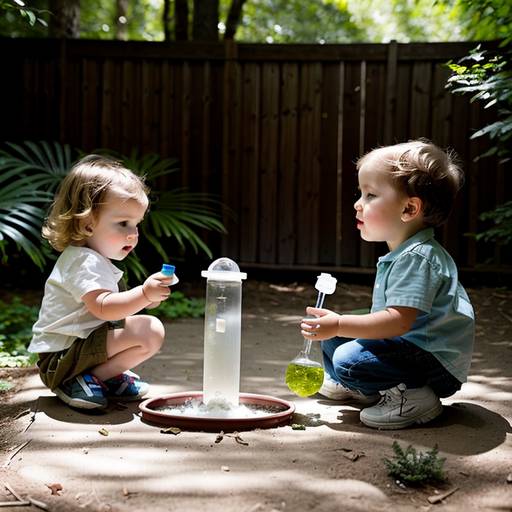
This engaging outdoor exploration lesson for toddlers encourages them to discover and interact with nature through hands-on activities. During the hour-long session, children will utilize magnifying glasses to closely examine various natural items, participate in a scavenger hunt to find specific leaves, flowers, and rocks, and engage in sensory exploration to describe their findings. After the adventure, they will have the opportunity to create art by drawing their favorite discoveries, fostering creativity and communication skills. The lesson concludes with a shared group reflection, reinforcing the vocabulary related to nature. Overall, this experience promotes curiosity, social interaction, and an appreciation for the environment, while enhancing observational and language skills in young learners. Future opportunities for exploration can be planned to build on their excitement and understanding of the natural world.
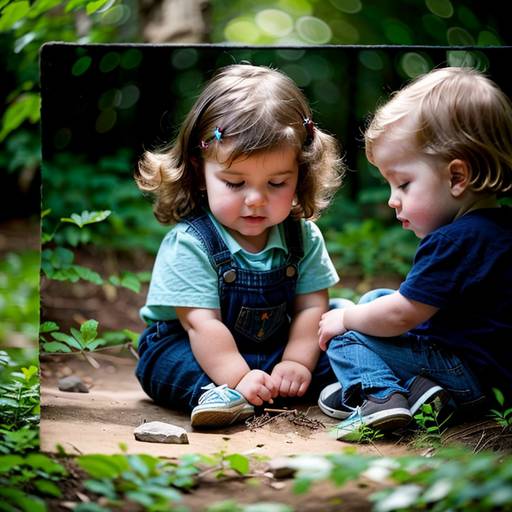
In this toddler-focused lesson plan, students will explore the outdoors and engage in a hands-on crafting activity using collected natural materials. The session begins with a storytelling introduction that emphasizes the beauty and importance of nature, followed by a guided nature walk where children gather leaves, flowers, and twigs.
Upon returning to the classroom, students will create nature collages on cardstock or construction paper, arranging their found items and using glue, markers, and crayons to express their creativity. As they work, they will develop fine motor skills and artistic expression.
The lesson concludes with a sharing circle where children present their artwork, describing the materials they used and what they enjoyed about the experience. This activity promotes a deeper appreciation for nature while fostering communication and collaboration among peers. Adaptations for varying skill levels are included, ensuring that all children can participate and enjoy the crafting process. An optional closing activity, such as a nature-themed song or dance, reinforces the connection to nature and keeps the energy high.

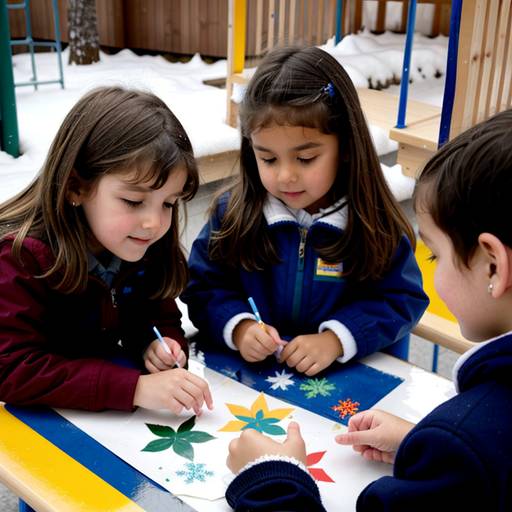
In this preschool science activity, students will explore weather and seasonal changes through hands-on experiences. The lesson begins with a discussion about the current weather using a weather chart. Following this, students will engage in a story related to weather and seasons to spark their interest and understanding.
After the story, children will be divided into small groups to explore different seasons through props and image cards, allowing them to share facts about their assigned season. This collaborative exploration will enhance their comprehension of seasonal characteristics and associated weather patterns.
Next, students will create a weather wheel craft, where they will decorate sections representing different weather types, such as sunny, rainy, snowy, and cloudy days. This creative activity reinforces their understanding of weather phenomena.
The session concludes with a group reflection, where students will discuss their favorite seasons and weather types. Overall, the lesson encourages observation, interaction, and creativity, providing a solid foundation for understanding the dynamics of weather and seasons.

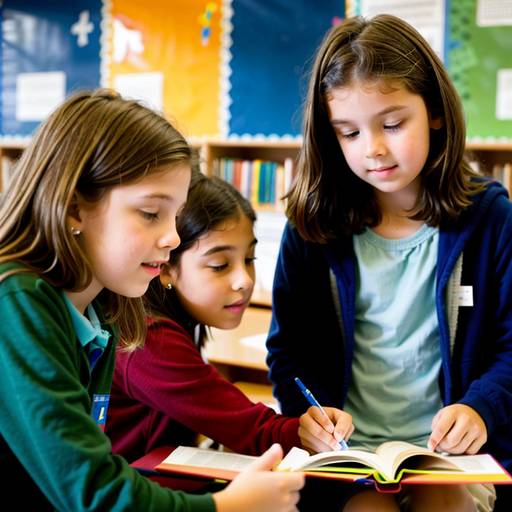
In this 4th-grade Language Arts lesson plan, students will explore effective reading strategies to enhance their comprehension skills. The lesson focuses on two key strategies: predicting and summarizing. It begins with a discussion on various reading strategies and an introduction to the specific focus strategies. The teacher models the use of these strategies by reading a short story aloud, guiding students to make predictions based on the title and illustrations, and crafting a summary together after reading.
Next, students will participate in small groups where they will read different texts, use prediction strategies, and summarize the main points of their readings. Following this collaborative work, students will independently select a text to practice making predictions and summarizing using graphic organizers.
The lesson concludes with a class sharing session, fostering discussion around the predictions and summaries created throughout the lesson. Assessment will be based on group discussions, participation, and the quality of predictions and summaries produced by students. Extensions include creating a “Reading Strategies” poster and introducing additional strategies in future lessons. The teacher will reflect on student engagement and understanding to guide future instruction.
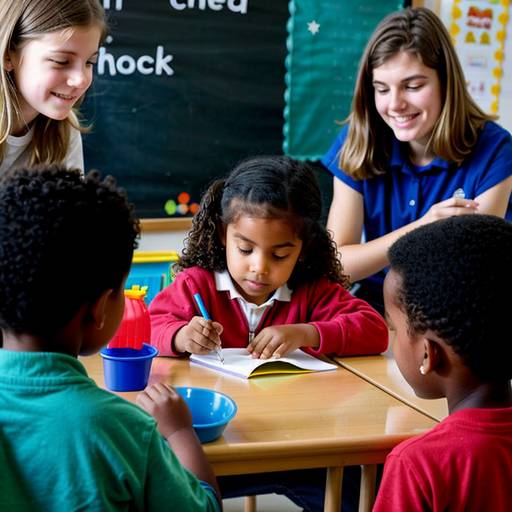
In this preschool lesson, students will embark on an exploration of animals and their habitats, fostering an understanding of environmental awareness. The session begins with a circle time discussion where children identify various animals using flashcards and share thoughts about where these animals live. A picture book reading follows, engaging students with interactive questions about animal sounds and habitats.
Next, children participate in a hands-on activity using a sensory bin filled with natural items where they discover hidden animal figures and match them to habitat drawings displayed on a poster board. The lesson continues with an arts and crafts segment, allowing each child to create their favorite animal while reflecting on its needs for survival.
To deepen their understanding, the group engages in a conversation about simple actions they can take to protect animals and their environments. Finally, the session wraps up with snack time—featuring animal-shaped crackers—where children share details about their crafts while reinforcing the day's learning. The lesson ends with an emphasis on celebrating creativity and awareness of how to support wildlife.

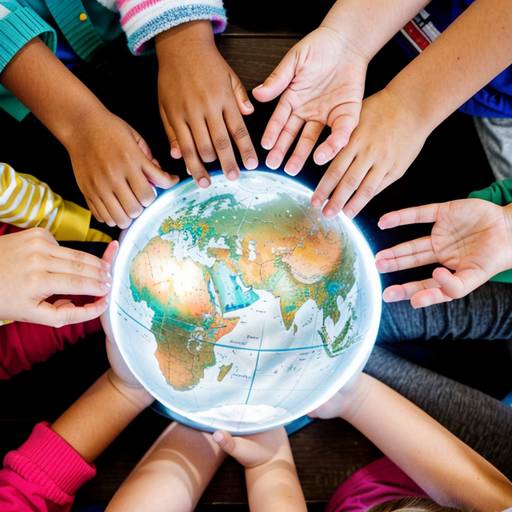
This fourth-grade life science lesson focuses on exploring the major systems of the human body and their functions. Students will begin by sharing their prior knowledge about the human body, followed by an introduction to the six key body systems: skeletal, muscular, circulatory, respiratory, digestive, and nervous systems. Each system's major components and functions will be explained using visuals and simple analogies.
Following the direct instruction, students will be divided into small groups to create informative posters about their assigned body system, highlighting its name, parts, functions, and illustrations. Each group will present their poster to the class, fostering collaboration and communication skills. To reinforce their learning, students will then create a simple 3D model of their system using craft supplies.
The lesson concludes with a class discussion on the interconnectivity of body systems and their importance to overall health. Assessment will involve observing group participation, evaluating posters, and assigning fact sheets for homework. Extensions may include inviting a medical professional to speak about their work with body systems or encouraging research on diseases related to each system. This engaging lesson aims to deepen students’ understanding of human biology while promoting teamwork and critical thinking.

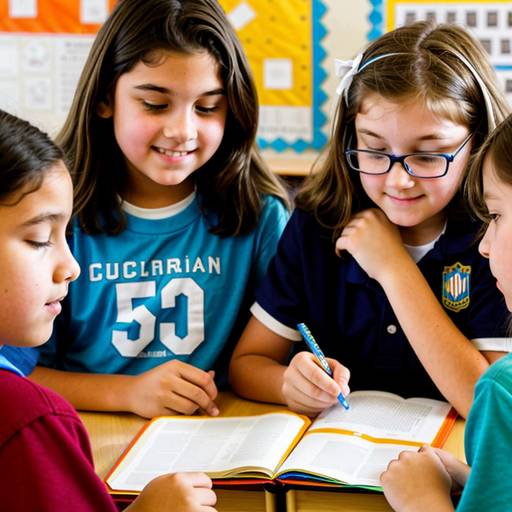
In this 5th-grade social studies lesson, students will explore the concept of community by identifying various roles and responsibilities within it. The lesson begins with a discussion on what constitutes a community and the roles individuals play, followed by a collaborative brainstorming session where students work in small groups to list community roles. After sharing their ideas with the class, students will engage in a discussion highlighting the responsibilities associated with each role.
To reinforce their learning, students will create a visual mural that represents selected community roles, complete with illustrations and descriptions. Groups will present their murals, fostering teamwork and communication skills. The lesson concludes with an assessment of participation and creativity, and opportunities for further engagement through guest speakers or community service projects. This lesson aims to deepen students' understanding of the importance of various roles in the functioning of their community.
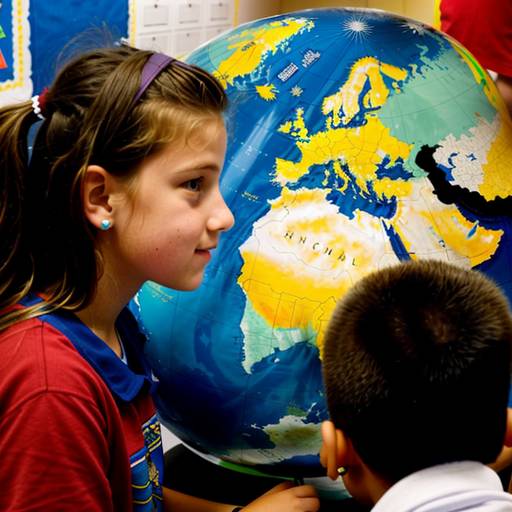
In this 4th-grade social studies lesson, students will explore the essential components of maps, including title, legend, scale, and symbols. The lesson begins with an engaging discussion about world and local maps, followed by a demonstration on how to interpret a simple map. In small groups, students will analyze a local map, highlighting important locations and creating a legend to represent them. For independent practice, each student will draw their own map of a familiar area, incorporating various map elements and showcasing their creativity. The lesson concludes with a sharing session where students present their maps to the class. Assessment will focus on participation, understanding of map components, and creativity in their map designs. Adaptations will be provided for students needing additional support, and follow-up activities may include a classroom mural and a field trip to reinforce the concepts learned.
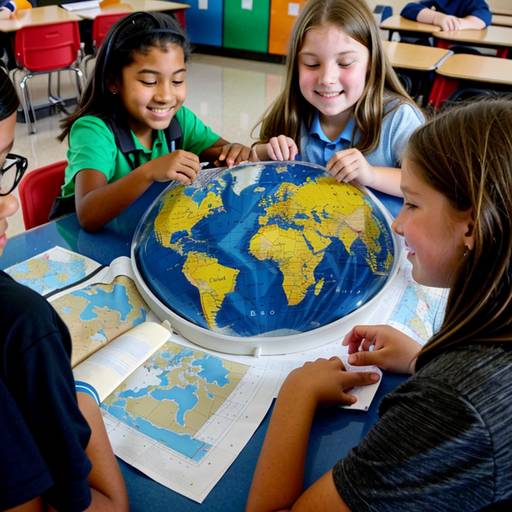
This lesson plan is designed for 5th-grade students to explore the concepts of geography and maps over two class periods. The first day focuses on introducing essential map components, including legends, scales, and compass roses. Students engage in discussions and group activities to analyze different types of maps, helping them to understand how to read and interpret them effectively.
On the second day, students apply their knowledge by creating their own fictional island maps, incorporating the elements they've learned. This hands-on activity encourages creativity while reinforcing the importance of map features. Students then share their maps with the class, promoting discussion and collaboration. Assessment is conducted through both formative and summative methods, ensuring students grasp map concepts while enjoying the creative process. Additionally, opportunities for technology integration and cross-curricular connections enhance the learning experience.