
Filters
Level
Grade
Subject
Subject Area
Subject Topic
Standard(s)
Audience
Keyword
DurationMinutes
Lesson Plans

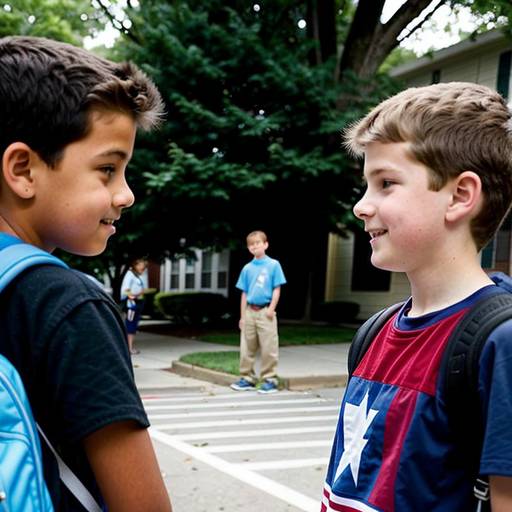
This 4th-grade social studies lesson focuses on helping students understand the various roles within their community and the importance of community helpers. The class begins with a discussion about who contributes to making the neighborhood a better place, encouraging students to share their thoughts. Students then work in small groups to explore specific community roles, discussing their functions and significance. Following this, they engage in a creative activity where they create a collage that visually represents different community helpers and includes descriptions of each role. The lesson concludes with students sharing their collages with the class, fostering a reflective discussion on the vital contributions of these helpers. Assessment is based on participation and the creativity demonstrated in their collages, while extensions include possible field trips or guest speakers to enhance their understanding. Overall, the lesson aims to instill appreciation for community members who play essential roles in daily life.
In this 1st Grade Social Studies lesson, students will explore the roles and responsibilities of various community helpers. The lesson begins with a read-aloud of a story related to community helpers, followed by an engaging discussion where students identify and categorize different community roles. They will work in small groups to create drawings of specific community helpers and present their work to the class, fostering collaboration and communication skills. To conclude, students will design their own "Thank You" cards to express appreciation for a community helper of their choice. This activity not only helps students understand the importance of community helpers but also encourages gratitude and recognition for those who contribute to the well-being of their neighborhood. Assessment will include observation of participation, as well as reviewing student drawings and cards for comprehension. Differentiation strategies will be applied to support diverse learners, and an extension activity will introduce hands-on experience with local community resources.
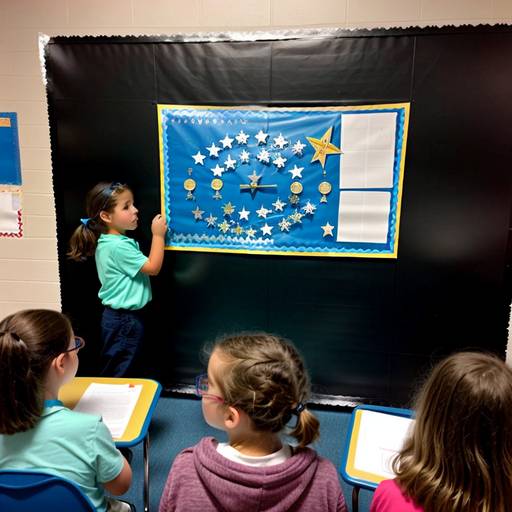
In this 4th-grade social studies lesson, students will explore the concept of timelines as a tool for understanding historical events. The lesson begins with a discussion about history and the purpose of timelines, followed by group activities where students analyze historical timelines and identify key events. They will then create personal timelines that include significant moments from their own lives, allowing them to make personal connections to the material. Students will work individually and collaboratively to construct a large historical timeline as a class, gaining insight into the relationship between individual experiences and broader historical narratives. The lesson concludes with presentations of their personal timelines, reinforcing their understanding of how timelines help organize and convey information about past events. Assessment will be based on participation, timeline creation, and understanding of the concepts introduced. Additionally, extension activities are provided to encourage further exploration of historical events.
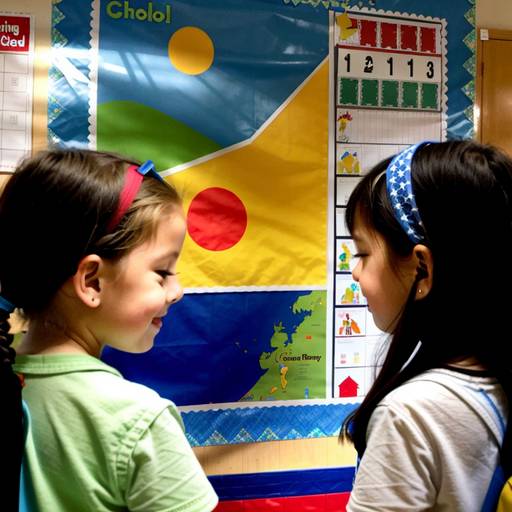
In this Kindergarten social studies lesson, students will explore the concept of maps and their significance in understanding geography. The lesson begins with an introduction to maps using a world map and globe, where students discuss their familiarity with maps and their uses. Different types of maps, such as neighborhood and park maps, will be showcased, highlighting features like symbols and legends.
Students will engage in a story that involves navigation and maps, reinforcing the lesson's theme. The core activity involves each student creating their own map of either their classroom or a part of their neighborhood, incorporating important features and imaginative symbols. They will have the opportunity to share their creations with peers, fostering a collaborative environment.
The lesson will conclude with a recap of the key concepts learned, encouraging students to think about other contexts where maps can be useful. Assessment will be based on observations during the map-making activity and participation in discussions. Extensions may include planning a field trip and incorporating basic compass directions to deepen their understanding of navigation. Overall, this lesson promotes creativity, spatial awareness, and teamwork while providing foundational knowledge of geography and mapping.
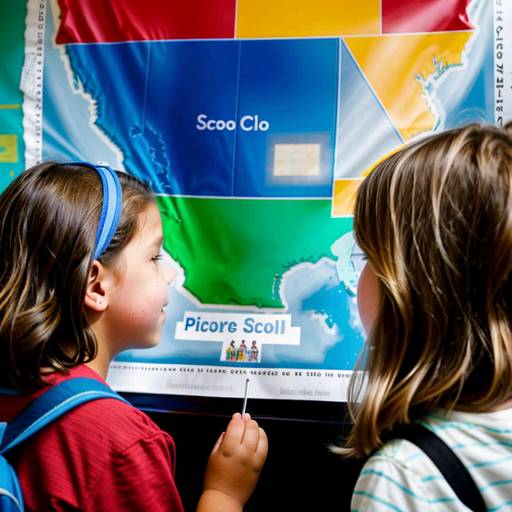
In this 2nd-grade social studies lesson focused on geography and maps, students will gain an understanding of basic map skills, including identifying essential components such as the title, legend, compass rose, and scale. The lesson begins with a discussion about maps, during which students share their prior knowledge and experiences. Following this, students will explore a printed map of their local area, learning about various landmarks and symbols through guided instruction.
After familiarizing themselves with map elements, students will create their own simple maps of their classroom or route to school, using symbols and labels discussed earlier. They will then share their creations in small groups, fostering collaboration and communication. As an independent activity, students will complete a worksheet matching symbols to locations on a community map, followed by a reflection exercise where they articulate the importance of maps and their learnings.
The lesson wraps up with students sharing their drawings and a recap of map significance. Assessment will be based on student participation, completed maps and worksheets, and reflective writing. Extensions may include an introduction to GPS and digital maps for advanced learners. Overall, the lesson aims to deepen students' understanding of map reading and their connection to the community.
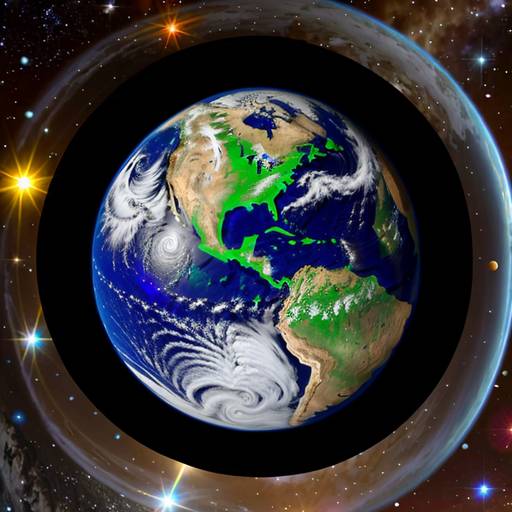
In this fourth-grade social studies lesson plan, students will explore various landforms, including mountains, valleys, plains, plateaus, and hills, and their impact on human activities and the environment. The lesson begins with a discussion that prompts students to share their observations of landscapes, followed by an informative presentation on each type of landform. Students will work in small groups to create models of selected landforms using clay or playdough, encouraging creativity and teamwork. Each group will then present their models to the class, explaining the characteristics of their chosen landforms and discussing how these features influence human life. Assessment will focus on group participation, model creativity, and the quality of presentations. An optional extension activity involves researching a travel destination with significant landforms for further exploration. Overall, the lesson aims to engage students in understanding geography through hands-on activities and collaborative learning.

In this 2nd-grade Earth Science lesson, students will explore the concept of soil, its layers, and the various organisms that inhabit it. The lesson begins with a read-aloud from a soil-related storybook to engage students and introduce the importance of soil for plants and animals. Following the introduction, students will participate in a hands-on activity where they will examine different soil samples using plastic cups and magnifying glasses to observe textures and colors.
After the exploration, students will gather for a group discussion to share their observations, and a chart will be created to summarize their findings about soil characteristics. Additionally, students will learn about the layers of soil and the roles of various soil organisms, such as earthworms and decomposers, in maintaining a healthy ecosystem. The lesson concludes with a review of key concepts, allowing students to express one new thing they learned during the session. Assessment will include participation in discussions, completion of observation charts, and an exit ticket reflecting their newfound knowledge about soil.

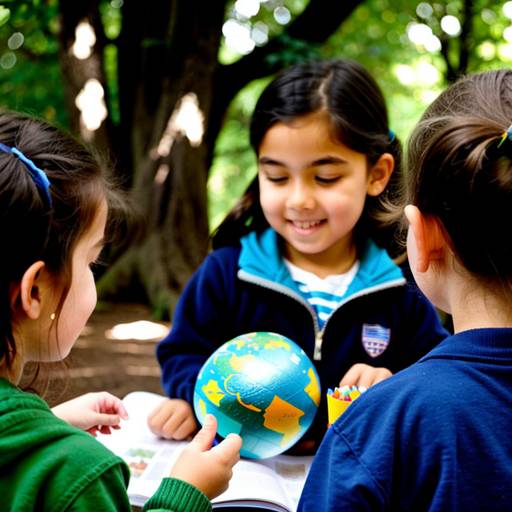
This lesson plan focuses on helping preschoolers explore the connection between their environment and community through interactive activities over a 19-minute session. The lesson begins with a group discussion about what children observe in their neighborhood and who helps them in the community. It includes a storytime segment where a picture book is read, emphasizing the relationship between nature and community.
Following the story, students participate in a nature scavenger hunt, collecting items from their surroundings and sharing their findings with peers. The lesson continues with a discussion about community helpers, where children learn how these individuals contribute to the community and interact with nature.
For creative expression, students draw their favorite natural elements or community helpers. The session concludes with a sharing circle where each child presents their artwork, reflecting on how nature and community work together. Throughout the lesson, children are encouraged to participate, engage in discussions, and understand their roles within their environment and community.
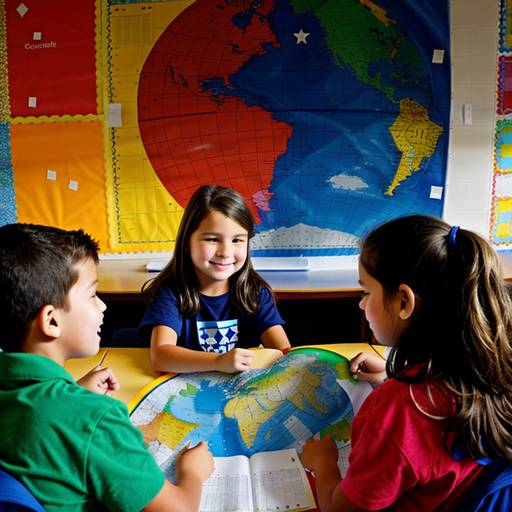
This 3rd-grade social studies lesson focuses on geography and maps, designed to help students understand basic map elements and key geographical features. The lesson begins with an engaging discussion about maps and their uses. Students learn about essential map components, including titles, legends, scales, and compass roses, using both printed and projected examples for clarity.
Through guided practice, students identify these elements on various maps and locate specific geographical features such as mountains, rivers, and cities. In an independent activity, students create their own simple maps of their classroom, incorporating at least three distinct areas and including essential map features.
The lesson concludes with students presenting their maps to the class, allowing them to share their understanding and creativity. Assessment involves observing participation during activities and reviewing the students' maps for comprehension. Differentiation strategies are included to support diverse learning needs, ensuring all students engage meaningfully with the content.
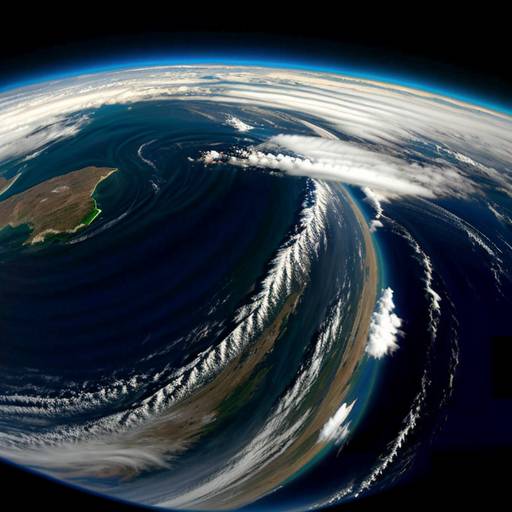
In this 3rd-grade social studies lesson, students will explore various landforms, including mountains, valleys, hills, plains, rivers, and lakes, while developing their understanding of geography. The lesson begins with a visual introduction where students identify different landforms from pictures and share personal experiences related to them. Through direct instruction, students learn the characteristics of each landform and see real-world examples on a map or globe.
Following this, students engage in a group sorting activity, organizing landform cards to reinforce their understanding. For independent practice, they create a fictional landform map that includes at least three different types of landforms, labeling and coloring their creations. The lesson concludes with a gallery walk, allowing students to share their maps and favorite landforms with their peers. Assessment is based on participation in discussions, group activities, and the creativity displayed in their maps. Extensions are provided for early finishers to further explore geography and geology.