
Filters
Level
Grade
Subject
Subject Area
Subject Topic
Standard(s)
Audience
Keyword
DurationMinutes
Lesson Plans

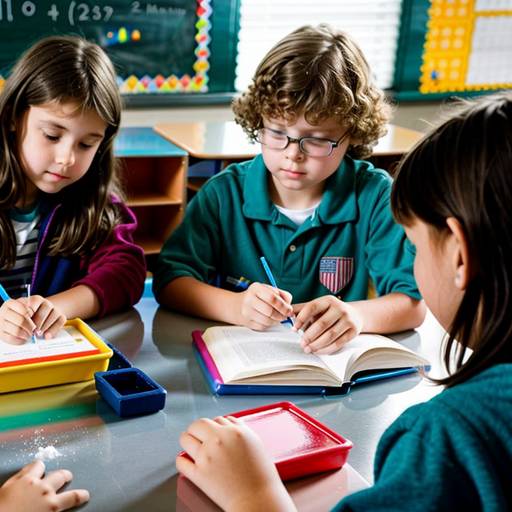
In this 3rd-grade science lesson, students will explore the concept of matter, defined as anything that has mass and takes up space. They will learn to classify objects into three states of matter: solid, liquid, and gas, by examining various materials through hands-on activities.
The lesson begins with a discussion about what matter is, followed by a group activity where students observe and record the properties of different objects. They will then conduct a simple experiment involving ice and water to observe changes in state, fostering an understanding of how matter can transition between solid and liquid forms.
Students will also engage with balloons to see how gases occupy space. A class discussion will follow to reinforce their learning and allow for sharing insights. To assess understanding, students will complete worksheets summarizing the properties and states of matter. The lesson emphasizes participation, observation, and teamwork, making the scientific concepts accessible and engaging for young learners. Additional extension activities will be offered for those interested in delving deeper into the topic. Safety will be prioritized throughout the activities.

In this 5th-grade music appreciation lesson, students will explore various music genres, their cultural backgrounds, and personal connections to music. The lesson begins with a warm-up discussion where students share their favorite songs and genres. Following this, a presentation will introduce students to different genres, featuring audio clips and interesting facts about each style's history and significance.
Students will then engage in group activities by forming small teams, where they will delve deeper into assigned genres, create informative posters highlighting their key characteristics, and select a song they enjoy. Each group will present their findings to the class, promoting peer interaction and discussion. Lastly, students will reflect on their favorite genre through a written paragraph, encouraging personal expression and connection to the material.
Assessment will be based on participation, creativity in group projects, and the depth of written reflections. The lesson not only fosters an appreciation of diverse music styles but also promotes teamwork, creativity, and critical thinking among students.
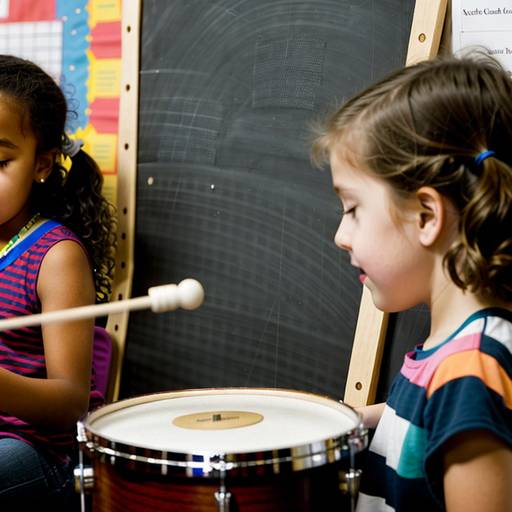
In this 1st-grade music lesson, students will explore the world of percussion instruments and understand the concept of rhythm. The session begins with a discussion about music and introduces various percussion instruments, allowing students to engage in hands-on exploration in small groups. Students will practice clapping and playing simple rhythm patterns while participating in a group performance where they showcase their assigned instrument. The lesson emphasizes listening, collaboration, and creativity in music-making. To conclude, students will share their experiences and reinforce the interactive nature of rhythm through a fun clapping game. The overall objective is to cultivate an appreciation for music and rhythm while encouraging active participation and enjoyment.
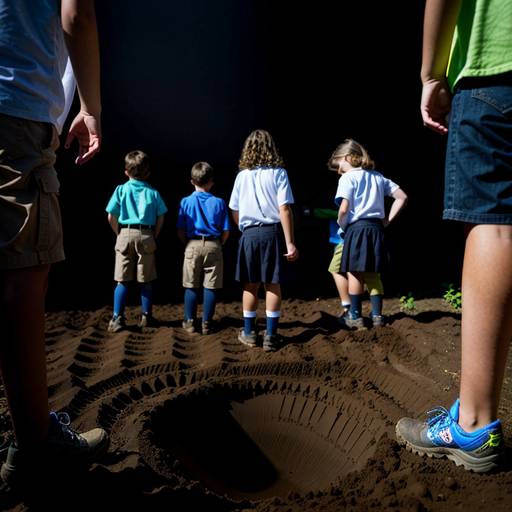
This lesson plan for 4th-grade students focuses on Earth Science, specifically the study of soil. The session aims to help students identify and understand the components of soil, its importance for life on Earth, and classify different types based on texture and color.
The lesson begins with an engaging introduction that encourages students to share their thoughts about soil. This is followed by direct instruction using a video or slideshow to explain soil formation and types. In a hands-on activity, students will explore various soil samples in small groups, using hand lenses to investigate elements like texture and visible materials. They will document their findings and classify the samples using a soil classification chart.
If time permits, students will have the opportunity to plant seeds in different soil types to observe which supports growth best. The lesson concludes with a class discussion, allowing students to share their observations and reflections on the importance of soil and environmental conservation.
Assessment will be based on participation, completed observation worksheets, and optional presentations on soil quality related to plant growth. Extensions and nature walks can further enhance the learning experience, fostering curiosity about the Earth's ecosystems and the vital role of soil.
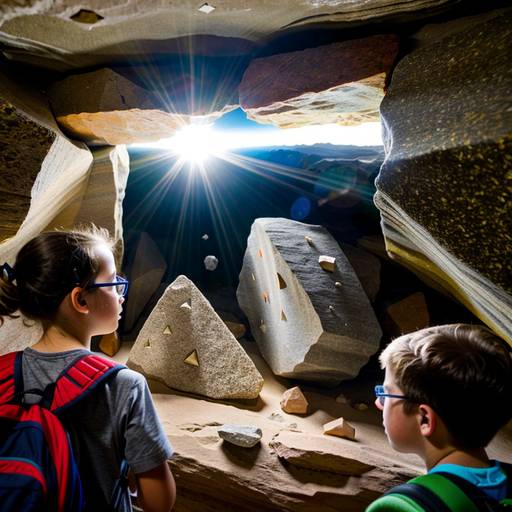
In this Earth Science lesson, 4th-grade students explore the different types of rocks: igneous, sedimentary, and metamorphic. The lesson begins with a discussion where students share their prior knowledge about rocks, followed by a direct instruction segment that covers how each type forms and introduces the rock cycle.
Students then engage in a guided activity where they work in small groups to examine rock samples using magnifying glasses and classify them based on their properties. They complete worksheets to document their findings and share their insights with the class. The lesson concludes with students creating a diagram of the rock cycle, reinforcing their understanding of the material learned.
Assessment is based on the accuracy of their worksheets, participation in group discussions, and their ability to illustrate the rock cycle. The lesson includes options for extensions and modifications to cater to diverse learning needs, ensuring all students can engage effectively with the content.
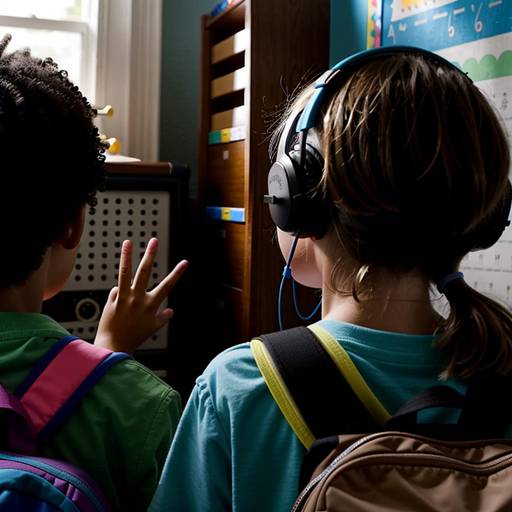
In this engaging 4th-grade music appreciation lesson, students explore various music genres from around the world. The lesson begins with a thoughtful discussion on the meaning of music and the different genres students enjoy. Through a hands-on guided listening activity, students visit genre stations, where they listen to audio clips and read fact sheets that highlight the characteristics, origins, and notable artists associated with each genre.
Following the listening activity, students engage in a group discussion to share their impressions and insights, deepening their understanding of the cultural significance of the different genres. In small groups, they then create visual posters that represent their assigned genre, showcasing key instruments, famous artists, and unique aspects of the music style. The lesson concludes with presentations from each group, allowing students to share their findings and fostering a sense of collective appreciation for the diverse landscape of music.
Assessment is based on group participation, the quality of the visual posters, and reflections on favorite genres. Extension activities encourage students to further explore their musical interests outside the classroom. This lesson effectively integrates music, cultural studies, art, and language skills, providing a comprehensive understanding of the richness of music from various cultures.

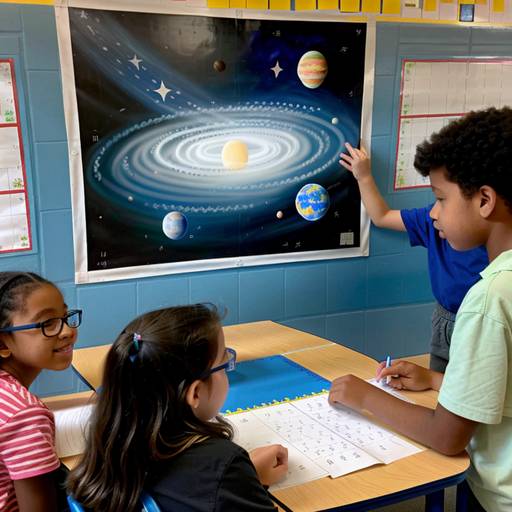
This 4th-grade math lesson focuses on teaching students the concepts of measurement and area through interactive and hands-on activities. The lesson begins with a discussion about the significance of measurement in everyday life and introduces the concept of area as the space inside shapes, specifically rectangles. Students learn how to measure length and width using rulers and apply the formula for calculating area: Area = Length × Width.
During guided practice, students work in small groups to measure various rectangular objects in the classroom and calculate their areas. Afterward, they individually complete a worksheet featuring several rectangles to reinforce their understanding. The lesson concludes with a review of key concepts, allowing students to share their measurements and calculated areas. Assessment is conducted through observation during group work and the evaluation of completed worksheets, ensuring that all students grasp the material. Differentiation strategies are included to support diverse learning needs, and extensions offer opportunities for further exploration of measurement concepts.
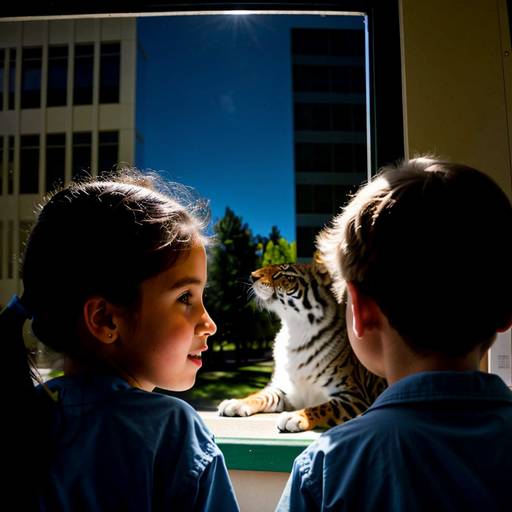
In this 1st-grade science lesson, students will explore the fascinating world of animals through engaging activities and discussions. The lesson begins with a short video showcasing various animals in their natural habitats, followed by an introduction to five main animal groups: mammals, birds, reptiles, amphibians, and fish. Students will learn about key characteristics and basic needs of these animals through picture cards and a storybook reading.
During guided practice, students will work in pairs to classify animals using provided worksheets, fostering collaboration and discussion. They will then engage in independent practice by drawing their favorite animal and writing a fact about it, allowing for creativity and personal expression.
The lesson concludes with a class discussion to reinforce the concepts learned, encouraging students to share their favorite animals and their classifications. Assessment will be through observation, worksheet completion, and the quality of the drawings and facts presented. Extensions may include a field trip to a zoo or the creation of an animal journal, while modifications are provided for students needing additional support or challenges. Overall, this lesson aims to deepen students' understanding of animal diversity and their roles in the ecosystem.
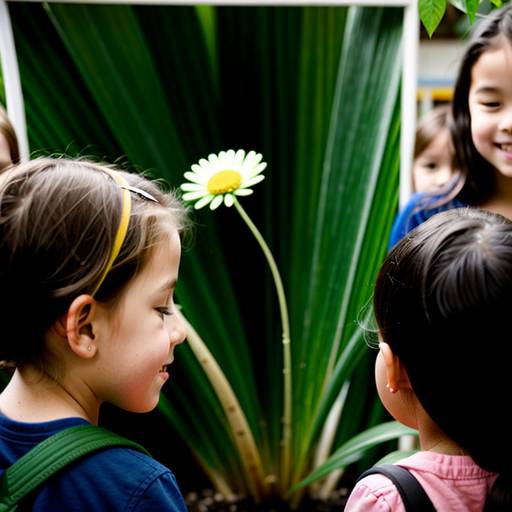
In this kindergarten life science lesson, students will explore the world of plants, focusing on their basic needs and parts. The lesson begins with a read-aloud of a picture book about plants, prompting discussion about what plants require to grow. Educators will teach students about the essential parts of a plant—roots, stems, leaves, flowers, and seeds—using visual aids to enhance understanding.
Following the introduction, students will participate in a hands-on activity where they plant seeds in pots, learning about soil, water, and sunlight requirements. Each group will decorate their pots and discuss what they planted and one fact they learned about plants. The lesson concludes with a classroom growth chart where students can track their plants' progress over the coming weeks.
Assessment will be based on student participation in discussions and their ability to identify plant parts and needs. To extend learning, students may keep science journals to document their plants’ growth. Overall, this lesson aims to foster curiosity about plants and their life cycles while encouraging hands-on interaction and teamwork.

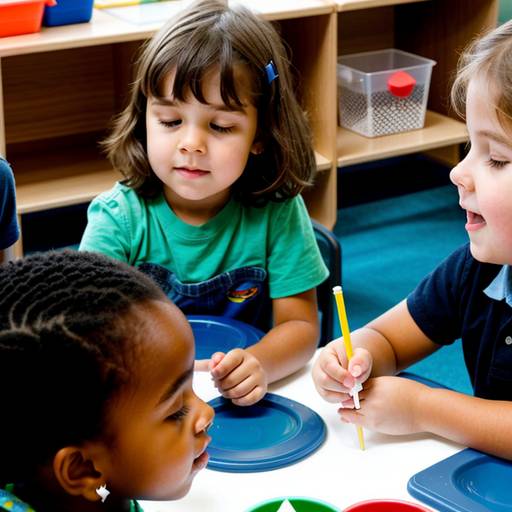
In this preschool science lesson, students will explore their five senses through engaging activities that enhance their observational skills and vocabulary. The lesson begins with a group introduction to each sense, encouraging discussion about what students see, hear, feel, taste, and smell.
Students will then be divided into small groups to rotate through five sensory stations, each dedicated to a different sense: sight, hearing, touch, taste, and smell. At each station, they will participate in hands-on activities such as looking at colorful images, playing musical instruments, exploring various textures, tasting small samples of food, and sniffing different scents.
After visiting all the stations, the class will regroup to share their favorite sensory experiences. To conclude, students will create a collage showcasing their learnings, allowing them to express their favorite aspects of each sense. Throughout the lesson, teachers will assess participation and understanding while emphasizing the importance of utilizing all five senses to explore the world around them. Additionally, extension activities may include a "Sense of the Week" program and nature walks to further reinforce the concepts learned during the lesson.