
Filters
Level
Grade
Subject
Subject Area
Subject Topic
Standard(s)
Audience
Keyword
DurationMinutes
Lesson Plans
In this 5th grade technology lesson, students will engage in creating a digital storytelling project that integrates various multimedia elements. The lesson begins with an introduction to the concept of multimedia and its role in effective storytelling. Students will then select a topic and outline their presentations using a storyboard template.
After choosing their topics, they will explore different multimedia tools such as Google Slides, Microsoft PowerPoint, or Canva to create their presentations. The lesson includes a peer review component where students will share their drafts with a partner, receive feedback, and make improvements before finalizing their work.
Finally, students will present their multimedia projects to the class, showcasing the content they’ve developed and the multimedia elements they have integrated. Assessment will be based on a rubric that evaluates content quality, multimedia integration, presentation skills, and collaboration during the peer review process. The lesson encourages reflection on the impact of multimedia in enhancing communication and storytelling. Extensions and adaptations are included to cater to diverse skill levels and learning needs.

In this 2nd Grade Language Arts lesson, students will engage in creative writing by developing their own imaginative stories based on chosen prompts. The lesson begins with a discussion about storytelling and the elements that make up a story, such as characters, setting, conflict, and resolution. Students will then select a prompt and brainstorm ideas before writing their stories. They will have the opportunity to illustrate their narratives, enhancing their creativity. After writing, students will share their stories with the class, fostering a communal learning environment through positive feedback. The lesson concludes by highlighting the diverse ideas generated, encouraging students to continue writing beyond the classroom. Assessment will be informal, based on students' participation and the quality of their written narratives. Extensions include creating a class storybook or featuring a "Story of the Week" to further celebrate their creativity.
In this 3rd-grade technology lesson, students will explore multimedia creation and digital storytelling by working in small groups to develop engaging narratives. The lesson begins with a brainstorming session on story elements, followed by an introduction to various multimedia examples. Students will then be divided into groups, each assigned a unique story prompt, and will use planning templates to outline their stories, considering how to incorporate images and audio.
During the second class, groups will create their digital stories using designated software, focusing on the integration of text, visuals, and sound to enhance their narratives. They will practice their presentations within their groups before sharing their completed stories with the class. Finally, students will reflect on their learning experience, discussing the impact of multimedia on storytelling. Assessment will be based on group collaboration, creativity, and presentation effectiveness, with modifications offered for students needing additional support. This lesson encourages creativity and teamwork while reinforcing key storytelling concepts through technology.

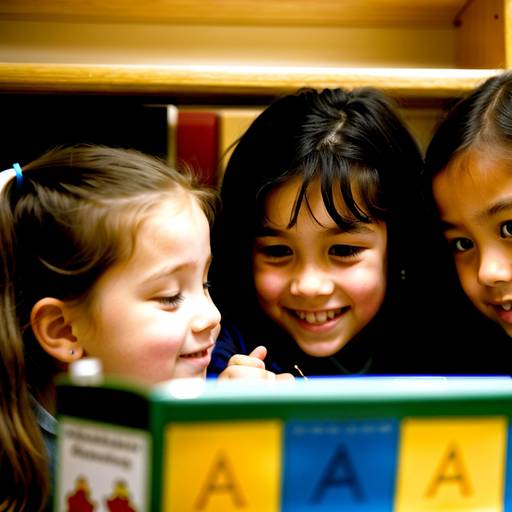
In this kindergarten science lesson, students will explore the basic needs of animals, focusing on how these needs vary across different species. The class will begin with an interactive discussion, where students identify animals and share their thoughts on what those animals require to survive, such as food, water, and shelter. Through a mini-lecture, they will learn about the specific needs of various animals while viewing images that depict these needs in their natural habitats.
Students will engage in a hands-on activity by completing an Animal Needs Worksheet to match animals with their necessities. Following this, they will express their creativity by crafting their own imaginary animal and its environment, highlighting how it meets its needs. The lesson will conclude with a group reflection on the importance of meeting these needs and a storytime session to reinforce the concepts learned. Teachers will assess understanding through observation and review of students' worksheets and craft projects. Extension activities may include a nature walk for real-world observations and showcasing student creations in the classroom.

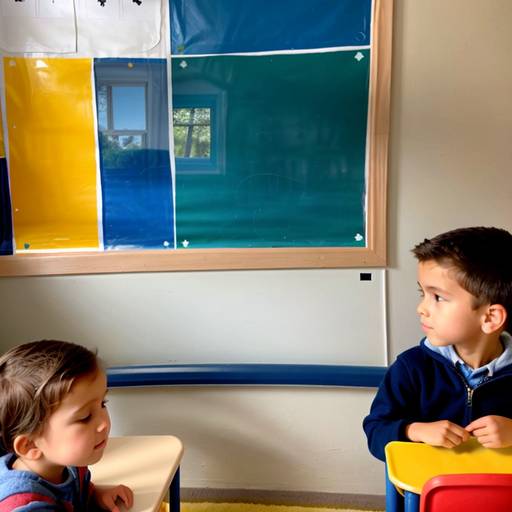
In this preschool lesson, students will explore various animal habitats and learn about the animals that live in them. The session begins with a discussion to help children understand what a habitat is and its significance to animals. Using flashcards and images, they will engage in an interactive exploration of different animals and their homes.
Following this, a storytime segment will introduce them to the wonders of habitats through a picture book, prompting responses and discussions that reinforce their learning. Students will then work in small groups to create artistic representations of animal habitats, choosing specific animals and the elements that make their homes unique.
A sensory exploration activity will allow children to interact with the crafted habitats and role-play as various animals, deepening their understanding through imaginative play.
In the conclusion, the group will review what they’ve learned, focusing on the importance of habitats for animals and how to protect these ecosystems. This lesson encourages creativity, collaboration, and critical thinking while fostering an appreciation for the natural world. Extensions may include inviting a wildlife expert or creating a habitat collage for further exploration of the topic. Adaptations will be made for differing individual needs to ensure all children can participate actively.

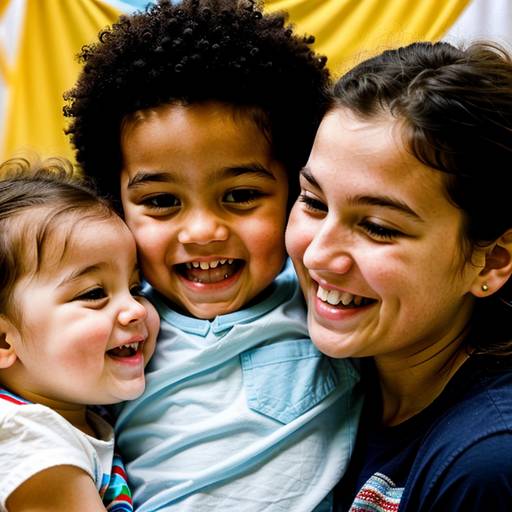
This lesson plan focuses on enhancing bonding between infants and their caregivers through interactive play and communication. Designed for infants aged 0-12 months, the session lasts 30 minutes and accommodates small groups.
The objectives include promoting secure attachment, encouraging non-verbal communication like eye contact and smiles, and fostering a sense of trust and safety. The environment is set up with soft mats and various play stations featuring colorful toys, musical instruments, and engaging picture books.
The lesson begins with gentle touch activities where caregivers can massage their infants while maintaining eye contact. This is followed by a rotation through three interactive play stations, each designed to encourage tactile exploration, musical interaction, and story engagement.
After the play activities, a group reflection allows caregivers to share observations and insights about their infants' responses, reinforcing the importance of these bonding experiences. The session concludes with a calming activity where caregivers cuddle their infants to soothing music, providing comfort and a sense of security.
Assessment occurs through observation of caregiver-infant interactions, and caregivers receive feedback to enhance their engagement. Recommendations for follow-up activities include creating a daily routine that incorporates cuddling, singing, and reading, as well as suggesting local playgroups to further support socialization and bonding. Overall, this plan creates a nurturing environment that fosters the development of foundational social skills through meaningful interactions.

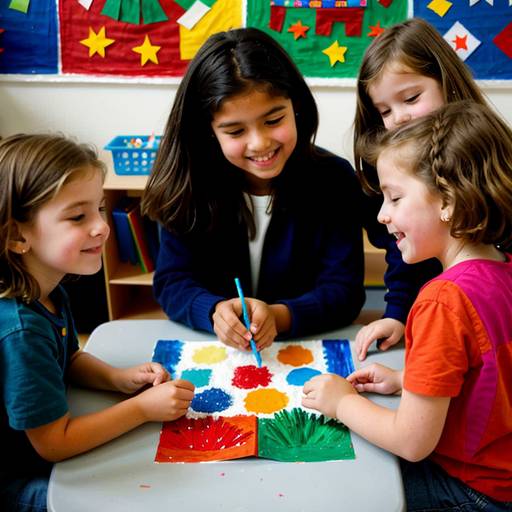
In this preschool art lesson, students explore a variety of cultural art forms from around the world. The session begins with an engaging discussion about different cultural artworks, showcasing images and examples that highlight unique techniques. Students are then organized into small groups, each assigned a distinct cultural art style to investigate and replicate using various materials, such as paints, stamps, and tissue paper. During the collaborative creation, children express their creativity and work together to contribute to a large mosaic artwork.
Following the art-making process, students participate in a gallery walk to appreciate their collective masterpiece, fostering dialogue about their experiences and the significance of cultural diversity in art. The lesson concludes with a group discussion that emphasizes the value of artistic expression as a universal language that connects people across cultures. Throughout the lesson, students develop their artistic skills while gaining insights into the importance of respecting and celebrating global cultures.

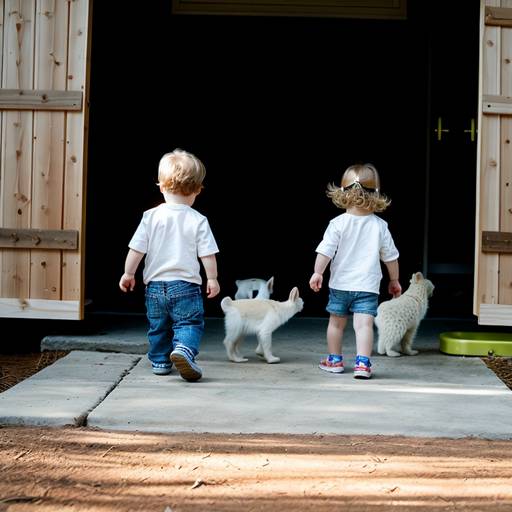
In this engaging lesson plan, toddlers will embark on a hands-on journey to discover the fascinating world of animals. The session begins with a circle time where children share their favorite animals and explore various types, facilitated by picture books. Following this, a captivating storytime introduces different animals and their habitats.
The core of the lesson features interactive exploration stations. At the puppet show station, children engage in imaginative play by mimicking animal movements and sounds. The observation station allows them to examine natural items using magnifying glasses, while the sound station invites them to identify animal sounds. In the creative station, they express themselves by drawing their favorite animals on large paper.
As a fun culminating activity, the children participate in an animal parade where they act like their chosen animals, embodying their characteristics. The lesson concludes with a group discussion and a healthy snack, allowing children to share their experiences and reflections.
Overall, this lesson fosters curiosity about animals and nature while promoting creativity, observation skills, and social interaction among young learners.
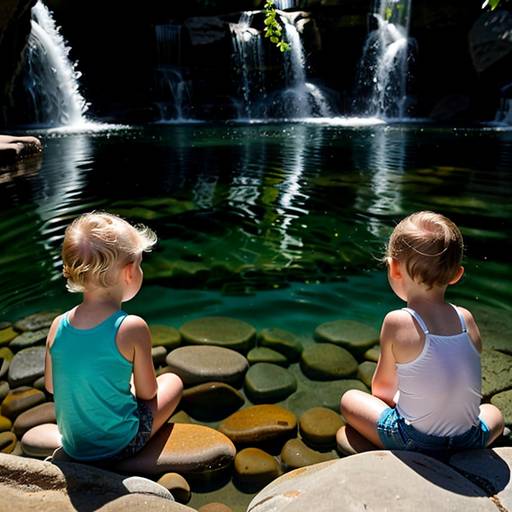
This lesson plan focuses on introducing toddlers to the fascinating properties of water through engaging and sensory-rich activities. Children will begin by observing water in a clear container and discussing its characteristics. They will participate in three exploration stations: pouring and filling containers, experimenting with floating and sinking items, and using sponges to grasp how they absorb water. A mini science experiment will allow them to mix water with blue food coloring, encouraging discussions about mixing and water movement. Following free exploration with various materials, children will assist with cleanup, fostering a sense of responsibility. The session concludes with a group reflection on their favorite activities. Throughout the lesson, children will enhance their hands-on skills, social interaction, and foundational understanding of basic scientific concepts related to water. Extensions can be planned to deepen their exploration in the following days.
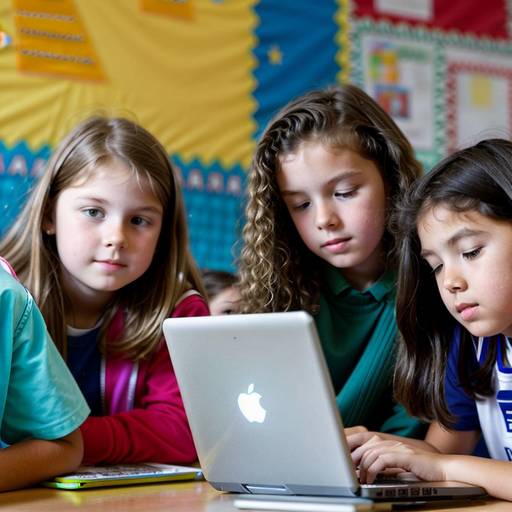
This lesson plan is designed for 3rd-grade students to enhance their internet navigation skills and understand the principles of netiquette for safe online communication. The session begins with an engaging discussion about students' prior experiences with the internet. A demonstration introduces basic website navigation, highlighting essential skills such as using search bars and understanding site links.
Students learn about netiquette through examples of appropriate online behavior and receive handouts outlining key rules to follow. In pairs, they practice navigating a designated website and discuss scenarios involving online interactions to identify respectful communication. Individual reflection is encouraged as students complete a workbook activity relating to their experiences with online behavior.
To reinforce learning, students participate in a "Sticky Note Challenge," where they write their netiquette rules and display them on a classroom wall. The lesson concludes with a review of key concepts, emphasizing the importance of being respectful in digital environments. Assessment includes monitoring participation and reviewing workbook responses, with optional extensions for further exploration of safe online practices.