
Filters
Level
Grade
Subject
Subject Area
Subject Topic
Standard(s)
Audience
Keyword
DurationMinutes
Lesson Plans

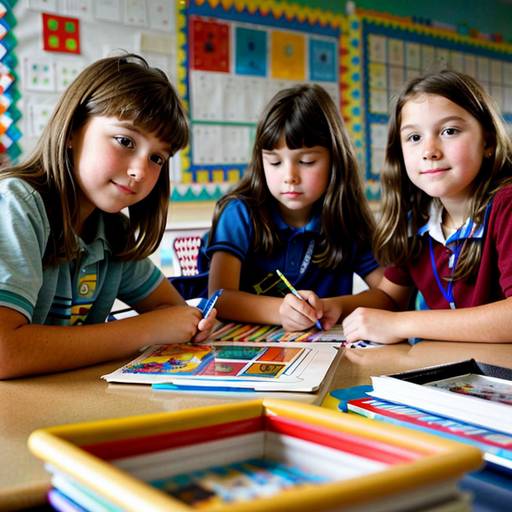
In this 3rd-grade art lesson, students will explore various art forms and the concept of mixed media by creating a unique piece that incorporates drawing, collage, and painting techniques. The lesson begins with a discussion and examples of different art forms, encouraging students to observe and identify materials and techniques used in mixed media artworks.
Students will then plan their own artwork based on a chosen theme and sketch a draft. They will cut out images and shapes from magazines and colored papers to create a collage, layering these elements to add depth. Textured materials such as fabric and sandpaper will be introduced, encouraging students to enhance their pieces with unique textures. Finally, students will apply watercolor paints to add color and further dimension to their creations.
After completing their artworks, students will participate in a gallery walk to observe and appreciate their classmates' pieces. The lesson concludes with a class discussion, allowing students to reflect on their experiences and the techniques they used, along with a written reflection on their work and artistic choices. Assessment will focus on participation, creativity, and understanding of mixed media, with opportunities for extension through at-home projects or a class exhibition.
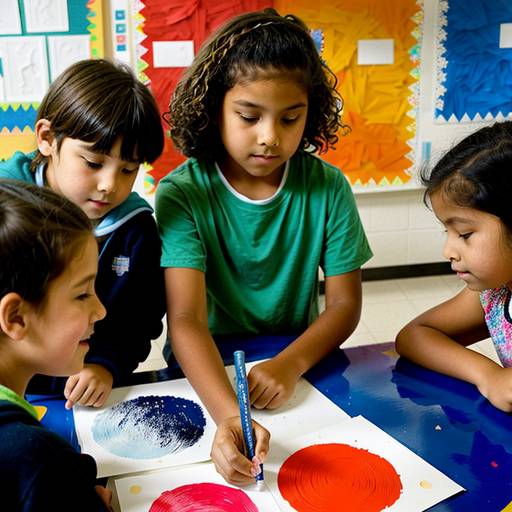
In this 3rd-grade art lesson, students will explore the fundamental principles of printmaking, focusing on texture and creativity. The session begins with a discussion about printmaking, including examples of textured prints to ignite students' imaginations. Following an engaging demonstration, students will create their own textured designs using Styrofoam plates and crafting tools. They will learn to apply paint to their foam stamps and produce impressions on construction paper, allowing for experimentation with colors and layering techniques. As students work, the instructor will provide guidance and encouragement. The lesson concludes with a sharing circle, where students showcase their prints and reflect on their artistic experiences. This activity not only fosters creativity but also helps students understand the artistic process and the role of texture in visual art.
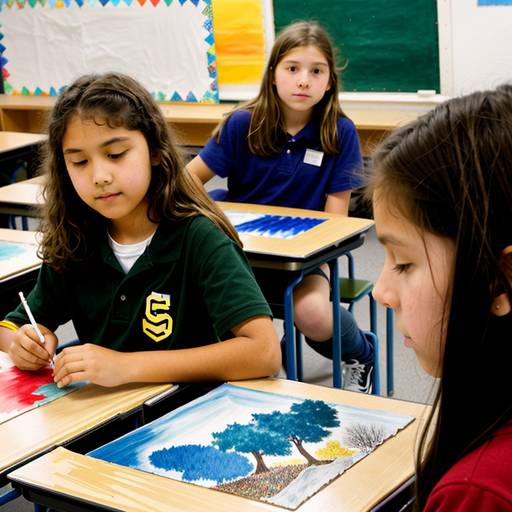
This 5th-grade art lesson introduces students to the techniques and processes of printmaking, engaging them in both creative and hands-on activities. The lesson begins with a discussion about the history and significance of printmaking, complemented by the exploration of various techniques such as relief printing and monoprinting. Students will create designs on paper and then transfer these to foam or Styrofoam materials to carve their prints.
In the second class, they will learn the printing process, applying ink to their carved plates and making impressions on newsprint or construction paper. The lesson culminates in a presentation where students showcase their prints and share their creative inspirations, while classmates provide feedback. Through this experience, students will develop their artistic skills, gain an understanding of printmaking, and create unique works of art to reflect their creativity and personal expression. The lesson also offers opportunities for extensions, allowing for integration with other subjects and encouraging students to explore themes in their artwork.
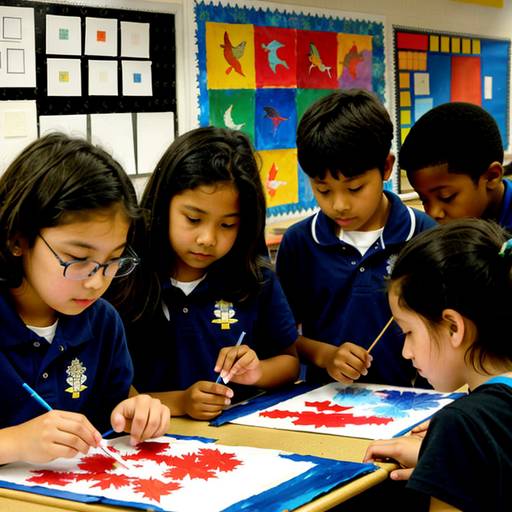
In this art lesson plan for 4th graders, students will explore printmaking techniques, focusing specifically on relief printmaking. The lesson spans two sessions, beginning with an introduction to the art form and its historical significance. Students will learn how to create their own designs using Styrofoam sheets, rolling paint onto these designs with brayers to produce prints. In the second session, they will enhance their work by incorporating various texture tools to add depth and patterns to their prints. The class will encourage creativity and experimentation, allowing students to produce multiple prints and share their experiences. The plan includes assessments based on participation, creativity, and technique, as well as an extension activity to create a classroom gallery of their artwork. Overall, this lesson fosters artistic expression while teaching important concepts in printmaking.

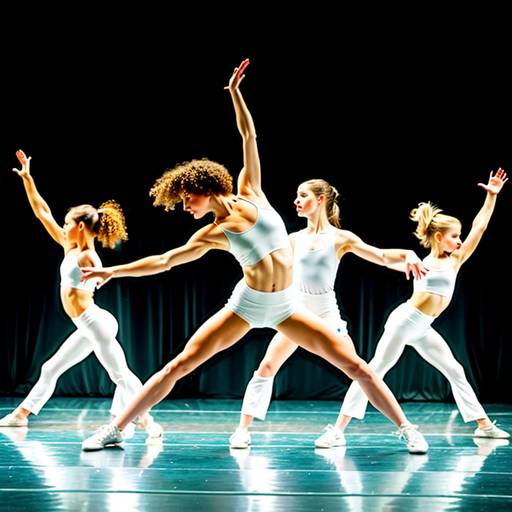
This preschool lesson plan aims to introduce young children to the concept of movement as a form of self-expression through dance and art. The session begins with a discussion about dance, encouraging children to imitate simple movements demonstrated by the instructor. Following a warm-up with rhythmic music and scarves, students transition to an art activity where they create large-scale paintings inspired by their dance movements. With various tools, they use their bodies to paint on large sheets of paper, responding to different musical styles throughout the process. The lesson concludes with a reflection session where children share their artwork and demonstrate dance moves inspired by their creations, culminating in a joyful, free-form dance party. The plan focuses on enhancing creativity, physical coordination, and self-expression in a collaborative and engaging manner.
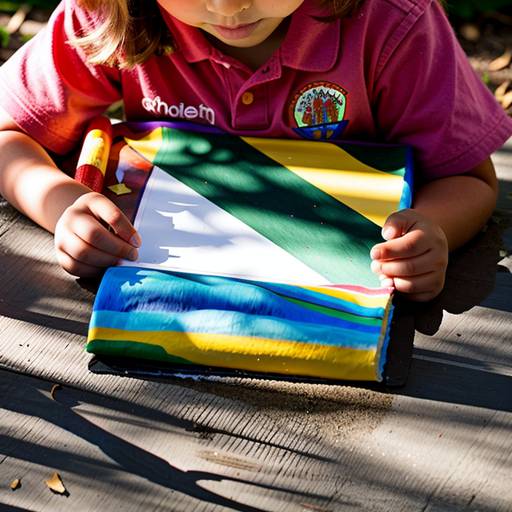
This preschool art lesson focuses on drawing, encouraging young children to express their creativity through representations of nature. The session begins with a discussion centered on various natural elements observed in picture books and, if available, real-life samples like leaves and flowers. Children are then introduced to basic drawing techniques and color exploration through a demonstration that highlights how to depict simple shapes found in nature.
During the guided drawing activity, each child creates their own artwork based on their favorite aspect of nature, with support and encouragement provided throughout. Following the drawing time, students participate in a sharing session where they present their creations, fostering a sense of community and appreciation for one another's work.
The lesson concludes with clean-up and the opportunity for students to display their artwork in the classroom, promoting pride in their creative achievements. The overall objectives include enhancing fine motor skills, encouraging self-expression, and developing observational abilities through art.
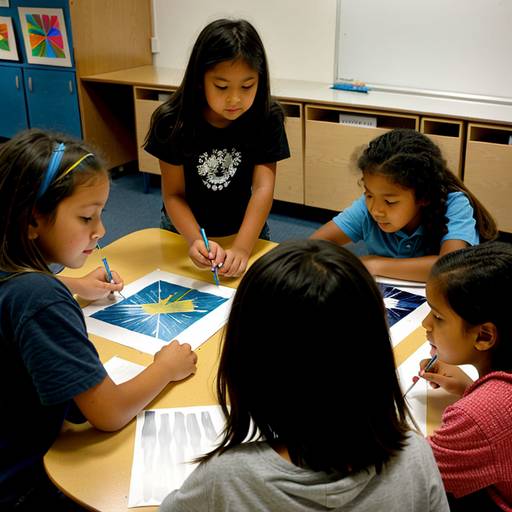
In this engaging art lesson designed for 3rd-grade students, learners will explore the fascinating technique of printmaking while developing their creativity and understanding of historical art forms. The lesson begins with an introduction to printmaking, emphasizing its significance in both history and contemporary art, followed by a demonstration on creating printmaking plates using Styrofoam.
During the hands-on activity, students will design their foam plates, apply paint, and create their own prints on paper, experimenting with colors and layering. The session culminates in a mini art gallery walk, where students showcase their completed prints and discuss their artistic processes and inspirations. Through this experience, students will not only enhance their artistic skills but also gain an appreciation for printmaking as a unique form of expression, while learning the value of collaboration and sharing in the creative process.

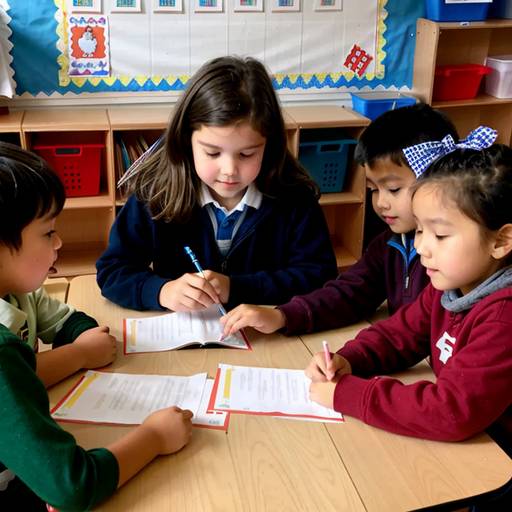
In this kindergarten Language Arts lesson, students will engage in creative writing by crafting their own short stories. The lesson begins with a read-aloud of a story featuring a quest, followed by a discussion that sparks imagination and helps students identify story elements such as beginning, middle, and end. Students will use a structured story template to outline their narratives and then illustrate their tales on separate sheets of paper.
After planning, they will write out their stories using inventive spelling and colorful drawings. The lesson concludes with a “story circle,” where students share their creations with peers, fostering communication and feedback skills. Assessment will focus on participation, story structure, and creativity in both writing and illustrations. Extensions include compiling students' stories into a class book and acting out their narratives, promoting a collaborative and joyful writing experience. Modifications will be available to support diverse learners.
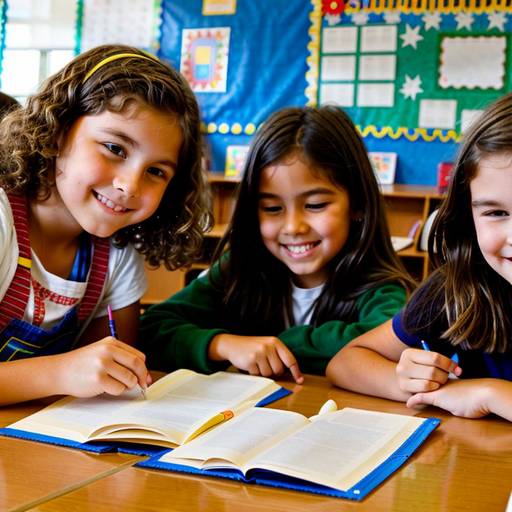
In this 3rd-grade language arts lesson, students will explore narrative writing by learning the essential elements of a story, including the beginning, middle, and end. The lesson begins with a discussion about what makes a compelling narrative and an introduction to a story map to organize their thoughts. Students will fill out graphic organizers to brainstorm their main characters, settings, conflicts, and resolutions. After completing their story maps, they will independently write their narratives, focusing on using descriptive language to engage readers. The lesson concludes with a sharing session where students present their stories to the class, followed by a reflection on their writing experience. The objective is to enhance students' narrative writing skills and their ability to express themselves creatively. Assessment will include reviewing story maps and narratives to ensure comprehension and effectiveness. Differentiation strategies are incorporated to support diverse learners.
In this engaging technology lesson for 5th graders, students will dive into the world of multimedia creation by crafting their own short video stories. The lesson begins with an introduction to multimedia and effective storytelling techniques, followed by a group activity where students brainstorm ideas and create storyboards. During the second day, students will film their videos, applying essential filmmaking skills such as framing and sound management. The final class will focus on editing their videos using user-friendly software, allowing students to enhance their projects with music and transitions. Each group will then present their completed videos to the class, fostering a collaborative environment for sharing feedback. Throughout the lesson, students will be encouraged to reflect on their learning experiences while developing teamwork and technical skills essential for multimedia storytelling. The lesson also offers suggestions for further exploration and modifications to support diverse learning needs.